The Crazy Amount of Money America Spends on Valentine's Day
Americans are expected to spend a near-record $20 billion this Valentine's Day, but what are they shelling out all that money for? Lisa Rowan, Writer at The Penny Hoarder, joins Your Cheddar to discuss how you can keep the love in your wallet this Valentine's Day.
If you can believe it, Americans will spend $4.7 billion on jewelry, $3.7 billion on an evening out, $2 billion on flowers and $1.8 billion on candy! But because of supply and demand, a lot of the usual Valentine's Day gifts go up in price. Rowan says you may want to avoid going to a restaurant or booking a hotel room for a romantic evening because prices could increase up to 30%.
So what should you do if you don't want to break the bank but still want to give your partner a little something? Rowan suggests thinking about what their hobbies are and aligning with something they love to do. Maybe its a smaller gesture, but it will mean more than flowers or candy.
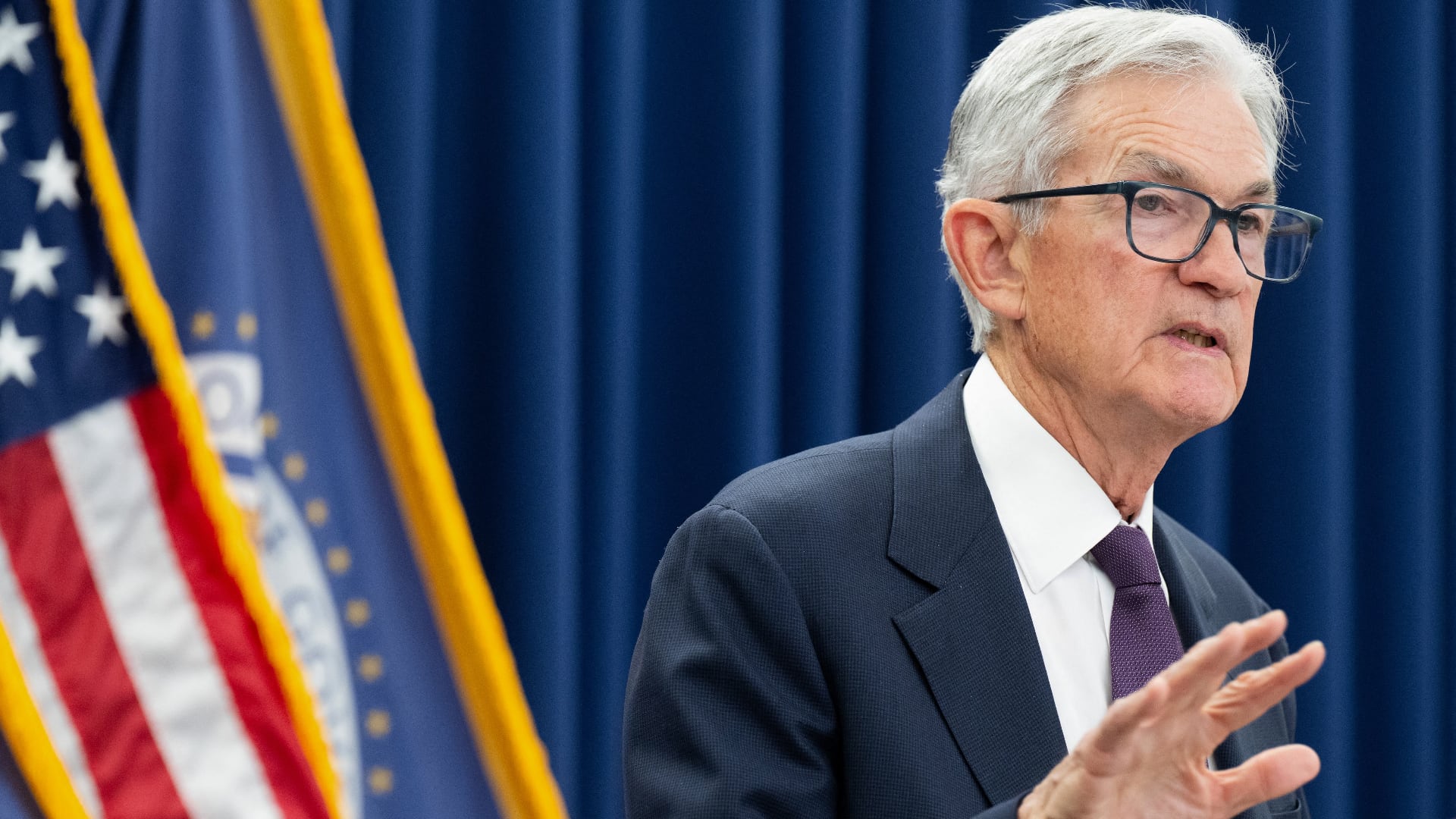
The Federal Deposit Insurance Corp. is set to pay almost $23 billion to stabilize the banking sector. That money comes from an insurance fund that is refilled through fees paid by banks. Now the agency is considering a special assessment on the entire industry to help make up the costs, according to a Bloomberg report.
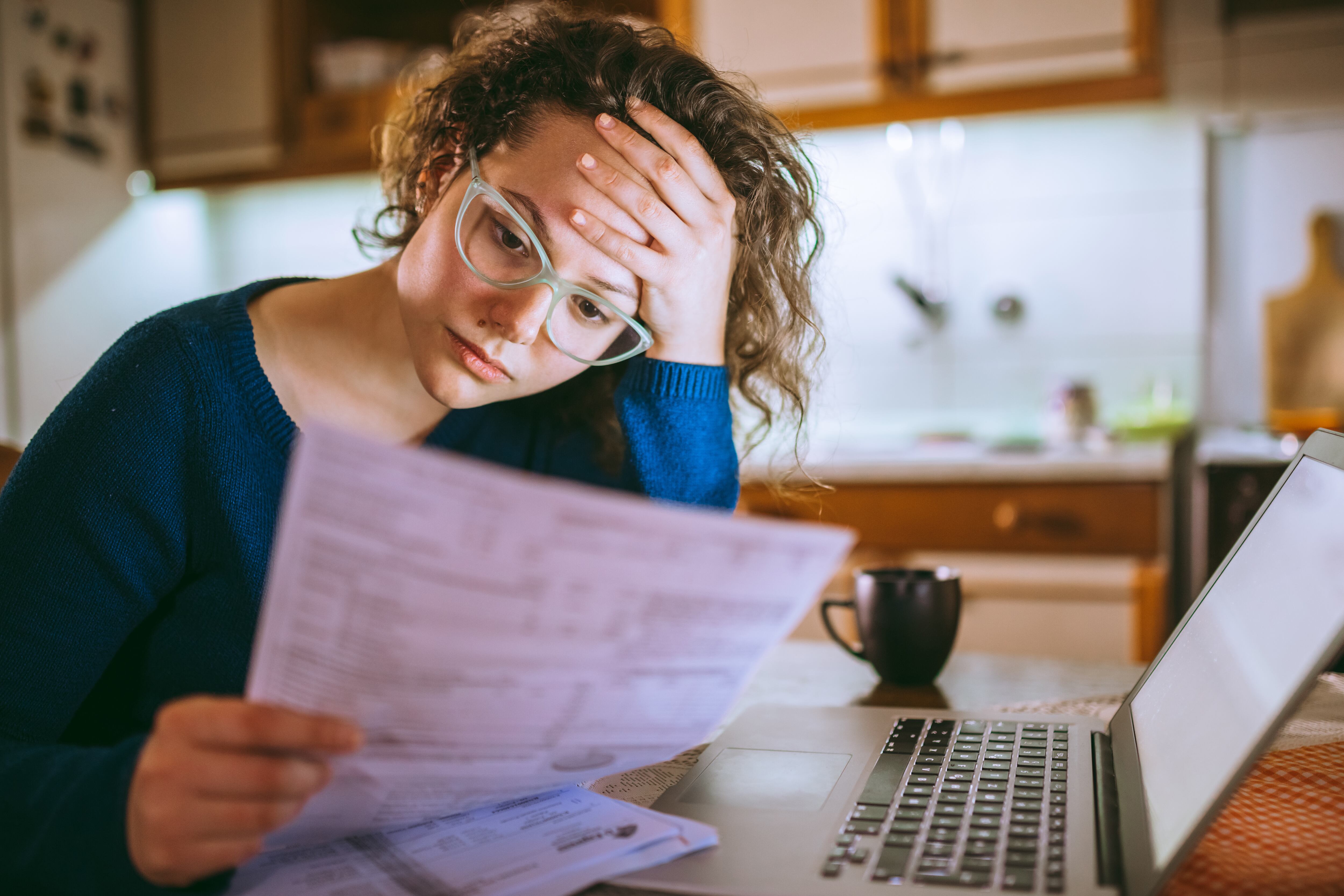
About 61% of Americans say the economy is impacting their mental health, according to a PayPal survey. Shanthi Sarkar, vice president of financial services at PayPal, joined Cheddar News to break down some key takeaways from the survey and offer tips on saving and managing money.
Monthly VC funding fell below $20 billion in February, marking a two-year low. Jager McConnell, CEO of Crunchbase, joined Cheddar News to discuss the current funding climate and what lies ahead.
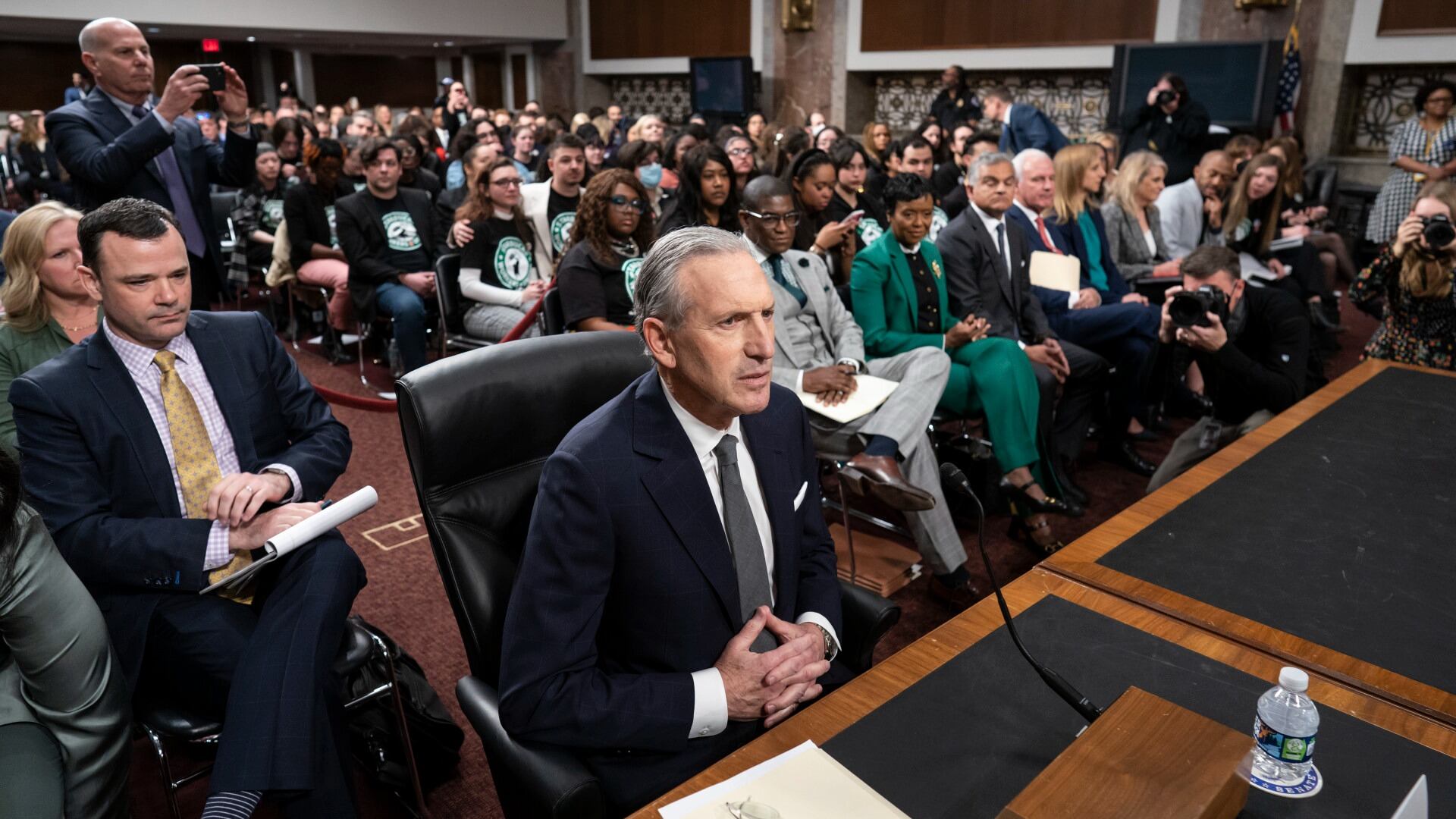
Longtime Starbucks CEO Howard Schultz is facing sharp questioning before the Senate Health, Education, Labor and Pensions Committee where he is defending the company’s actions during an ongoing unionizing campaign.
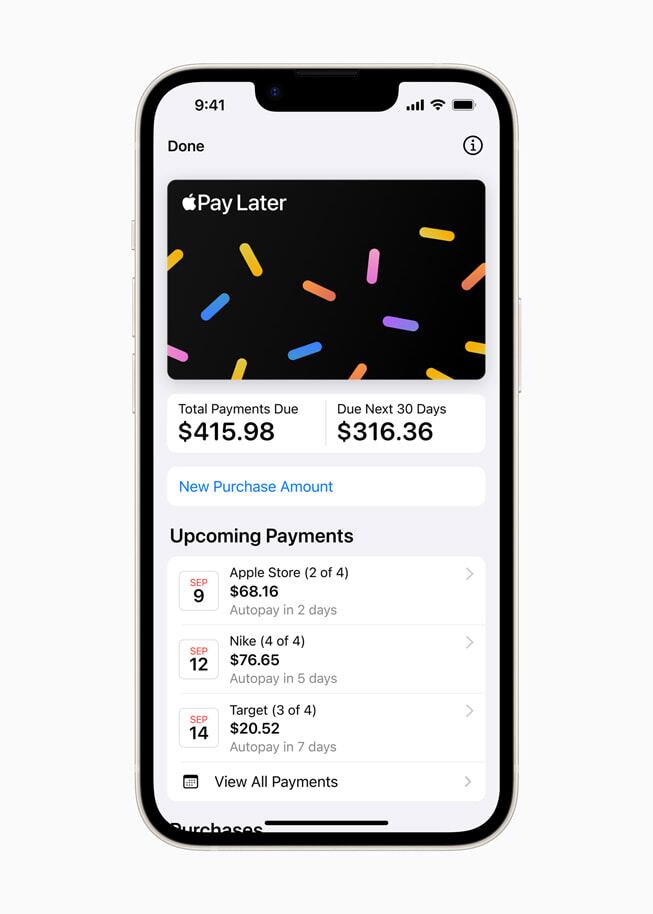
Apple Pay is getting in on the buy now pay later boom with a feature allowing users to split purchases into four separate payments over six weeks at no additional cost or interest.