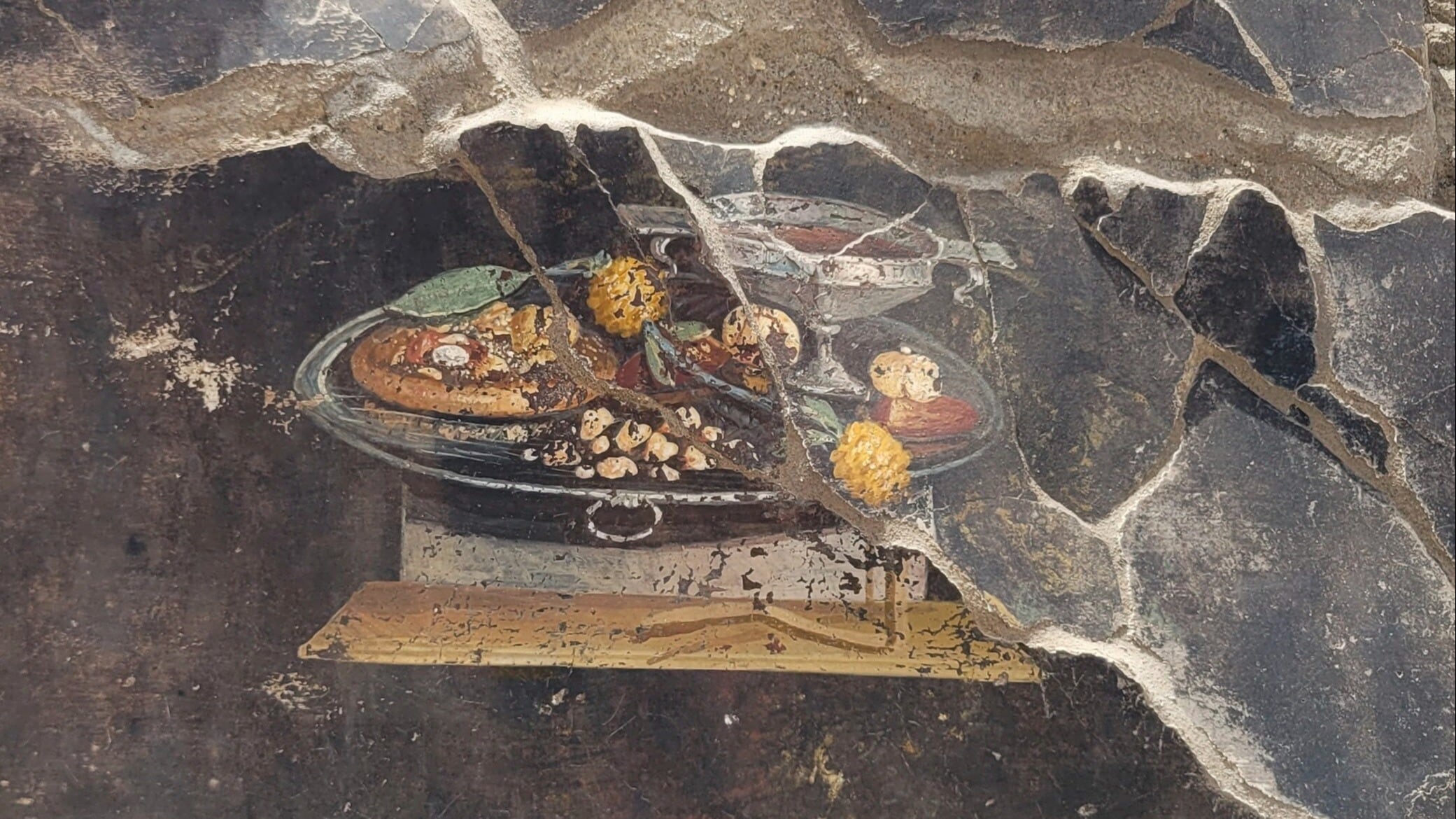
A still-life fresco discovered recently in the Pompeii archaeological site looks like a pizza, but it's not, experts at the archaeological site said Tuesday.
They noted that key ingredients needed to make Italy's iconic dish — tomatoes and mozzarella — were not available when the fresco was painted some 2,000 years ago.
Tomatoes were only introduced to Europe from the Americas a few centuries ago, and some histories have it that the discovery of mozzarella led directly to the invention of pizza in nearby Naples in the 1700s.
The image is instead believed to be a focaccia covered with fruit, including pomegranate and possibly dates, finished with spices or a type of pesto, experts said. In the fresco, it is served on a silver plate and a wine chalice stands next to it.
The contrast of the frugal meal served in a luxurious setting, denoted by the silver tray, is not unlike modern-day pizza, “born as a poor-man’s dish in southern Italy, which has won over the world and is served even in starred restaurants," said Gabriel Zuchtriegel, director of the Pompeii archaeological site.
The ancient Roman city of Pompeii was destroyed in the eruption of nearby Mount Vesuvius in 79 A.D. The sudden and deadly event left much of the structure intact, embalmed in volcanic ash, and the site is now a major archaeological project and tourist attraction.
The Coldiretti ag lobby immediately seized on the discovery of the fresco to promote pizza — invented as a quick meal for the working poor — as a national treasure. Today, pizza represents one-third of the food budget of foreign visitors and generates total annual revenues of 15 billion euros ($16.4 billion) in Italy.
The art of the Neapolitan pizzamaker was put on UNESCO’s intangible cultural heritage list in 2017, recognized for its four phases of dough preparation and for being baked exclusively in a wood oven at 485 degrees Celsius (905 degrees Fahrenheit.)
Dems race for a deal on President Biden's economic agenda ahead of his big foreign trip. What to make of the latest threat assessment in Afghanistan. Plus, the meme cryptocurrency of the moment that's now worth more than many Fortune 500 companies.
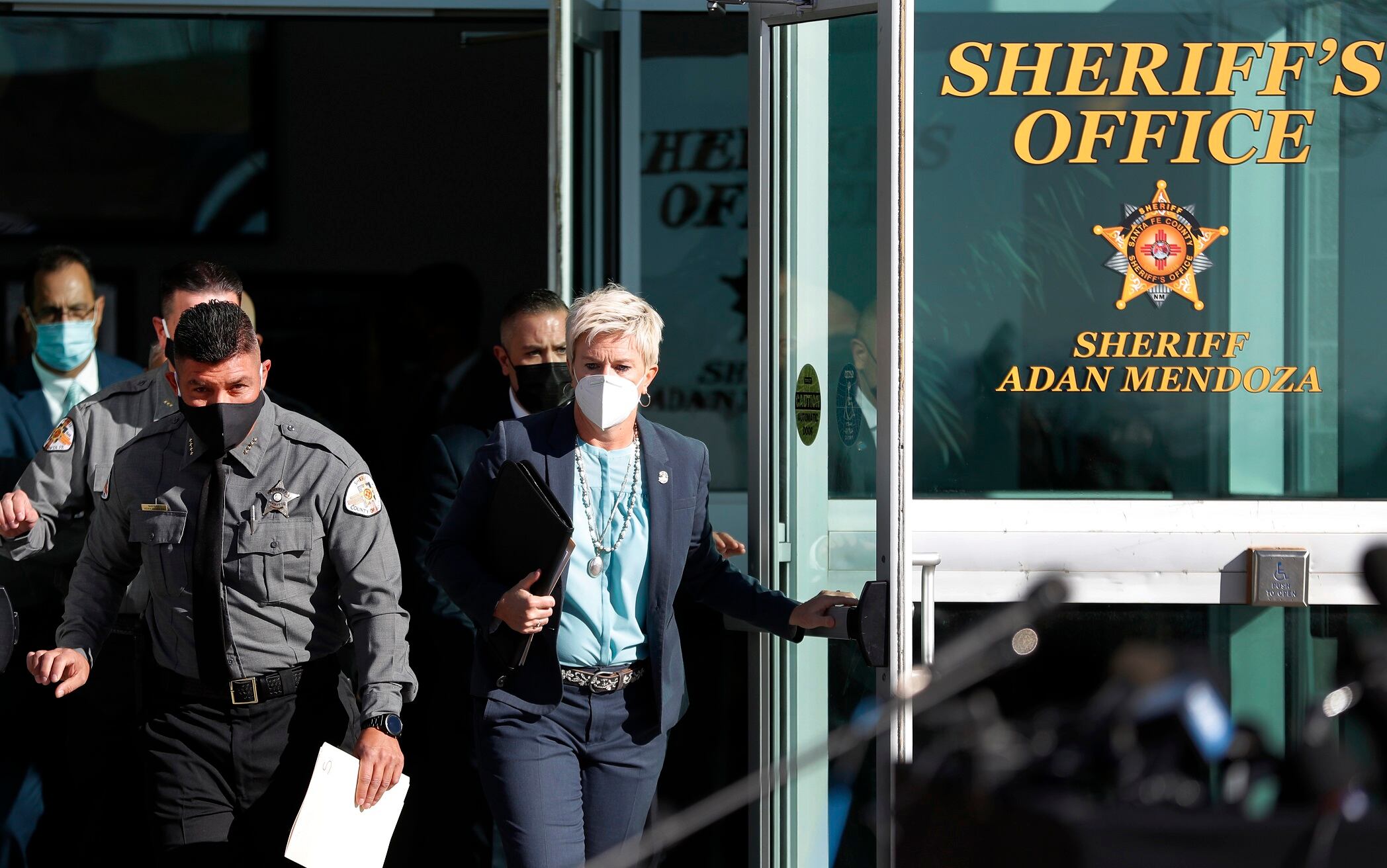
Investigators say there was “some complacency” in how weapons were handled on a movie set where Alec Baldwin accidentally shot and killed a cinematographer and wounded another person.
Jill and Carlo discuss the pending approval for Pfizer's vaccine for kids, the state of anti-Semitism three years after Tree of Life, potential criminal charges in the 'Rust' prop gun shooting and more.
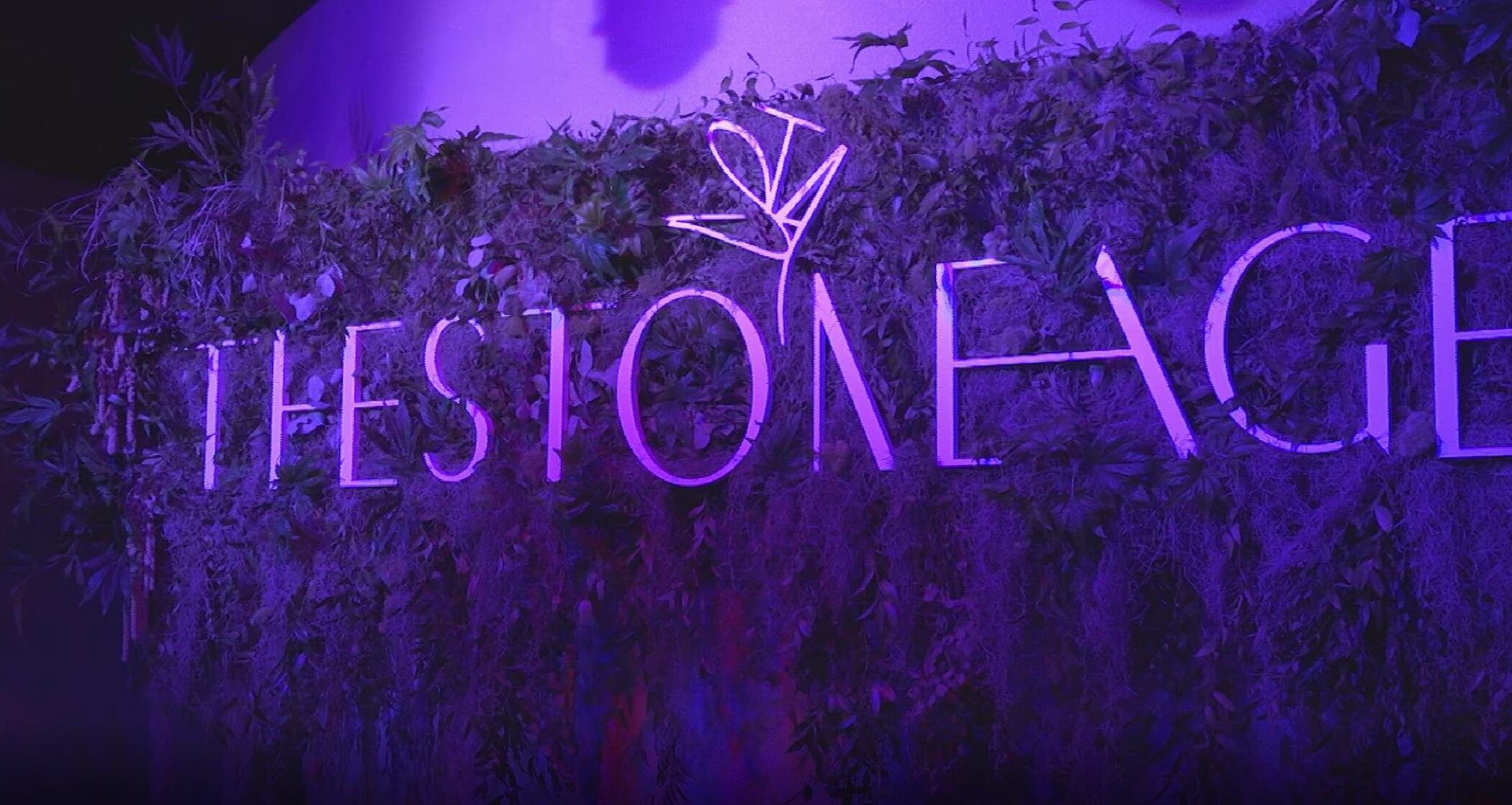
New York City's first immersive cannabis experience, The Stone Age, is seeking to change the narrative about cannabis, just in time for legalization.
All the news you Need2Know for Tuesday, October 26, 2021.
A report in the New York Times published Sunday called 'Inside Amazon's Worst Human Resources Problem' details the company mishandling paid and unpaid leave for some of its workers for more than a year and a half, following an email sent to Amazon founder Jeff Bezos from a new mother who works at a warehouse in Oklahoma, which then led to an internal investigation at Amazon. Seattle tech correspondent for the New York Times Karen Weise joined Cheddar News' Closing Bell to talk about her report and what the Amazon investigation found.
Facebook the company is losing control of Facebook the product — and of the carefully crafted image it’s spent over a decade selling despite problems like misinformation, human trafficking, and pervasive extremist groups on its platform.
Jill and Carlo cover the latest developments in the Alec Baldwin prop gun shooting, when vaccines for kids as young as 5 should be approved, new reporting on Facebook and more.
The Supreme Court is allowing the Texas law that bans most abortions to remain in place for now but has agreed to hear arguments in the case on Nov. 1.
Alec Baldwin said Friday that his killing of a cinematographer with a prop gun on a movie set was a "tragic accident."