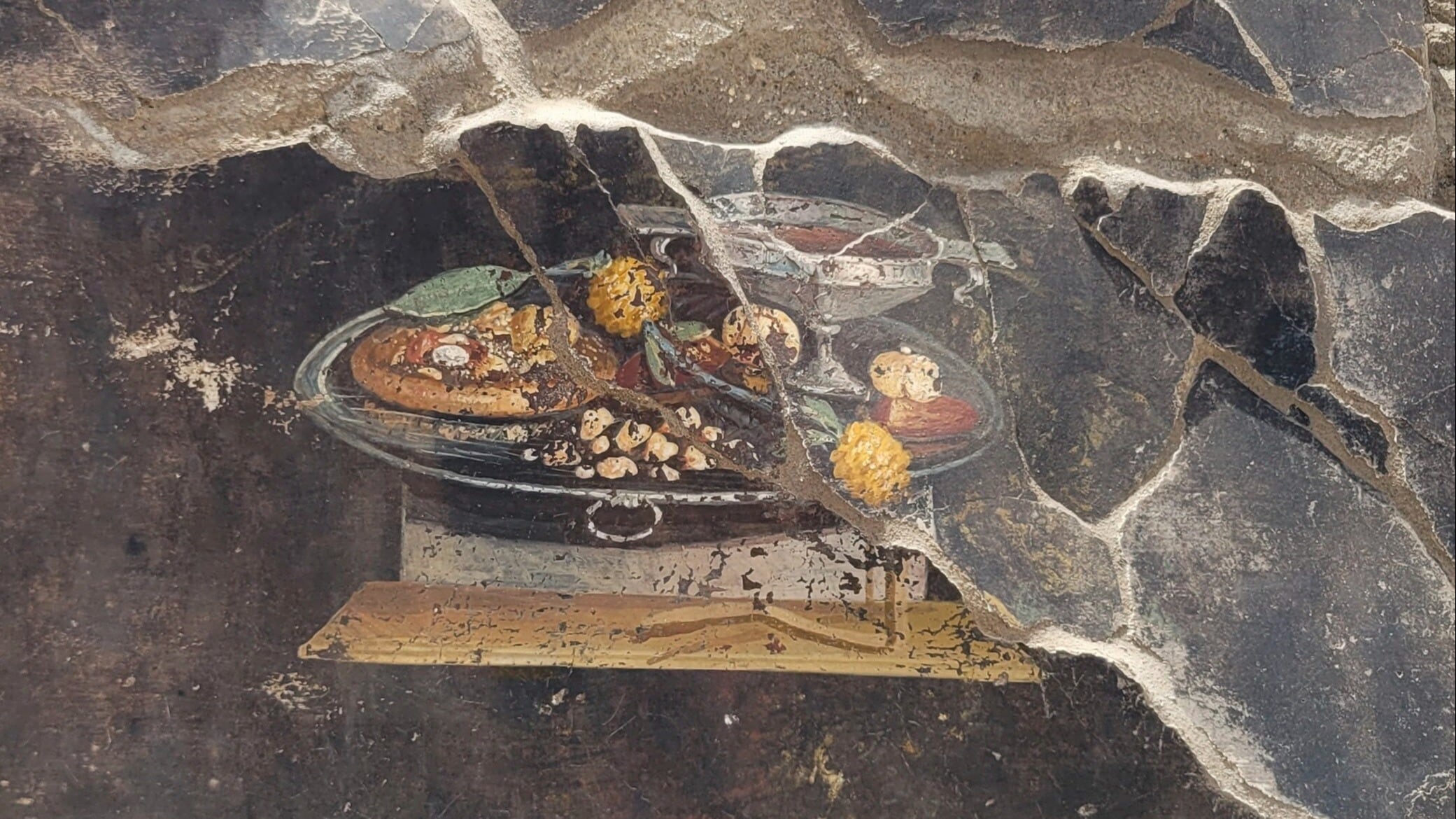
A still-life fresco discovered recently in the Pompeii archaeological site looks like a pizza, but it's not, experts at the archaeological site said Tuesday.
They noted that key ingredients needed to make Italy's iconic dish — tomatoes and mozzarella — were not available when the fresco was painted some 2,000 years ago.
Tomatoes were only introduced to Europe from the Americas a few centuries ago, and some histories have it that the discovery of mozzarella led directly to the invention of pizza in nearby Naples in the 1700s.
The image is instead believed to be a focaccia covered with fruit, including pomegranate and possibly dates, finished with spices or a type of pesto, experts said. In the fresco, it is served on a silver plate and a wine chalice stands next to it.
The contrast of the frugal meal served in a luxurious setting, denoted by the silver tray, is not unlike modern-day pizza, “born as a poor-man’s dish in southern Italy, which has won over the world and is served even in starred restaurants," said Gabriel Zuchtriegel, director of the Pompeii archaeological site.
The ancient Roman city of Pompeii was destroyed in the eruption of nearby Mount Vesuvius in 79 A.D. The sudden and deadly event left much of the structure intact, embalmed in volcanic ash, and the site is now a major archaeological project and tourist attraction.
The Coldiretti ag lobby immediately seized on the discovery of the fresco to promote pizza — invented as a quick meal for the working poor — as a national treasure. Today, pizza represents one-third of the food budget of foreign visitors and generates total annual revenues of 15 billion euros ($16.4 billion) in Italy.
The art of the Neapolitan pizzamaker was put on UNESCO’s intangible cultural heritage list in 2017, recognized for its four phases of dough preparation and for being baked exclusively in a wood oven at 485 degrees Celsius (905 degrees Fahrenheit.)
Cheddar recommends holiday TV specials, "The Best Man Holiday," "The Family Stone," and "Miracle on 34th Street."
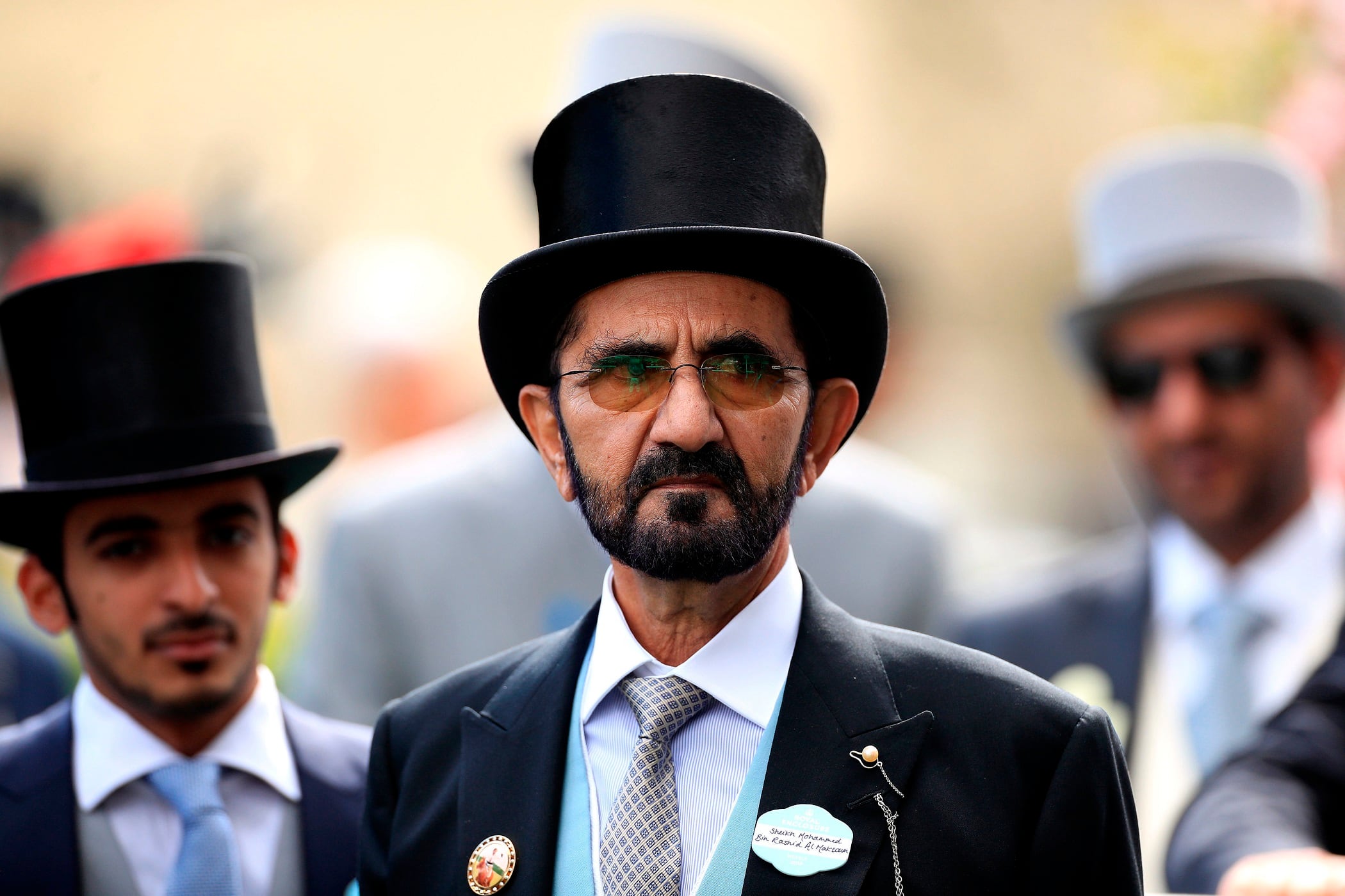
The ruler of Dubai has been ordered to pay his ex-wife and their children close to 550 million pounds ($730 million).
While calls for more crypto education are common in an industry that is often explaining itself, the idea that everyone should be learning more about crypto is beginning to spread.
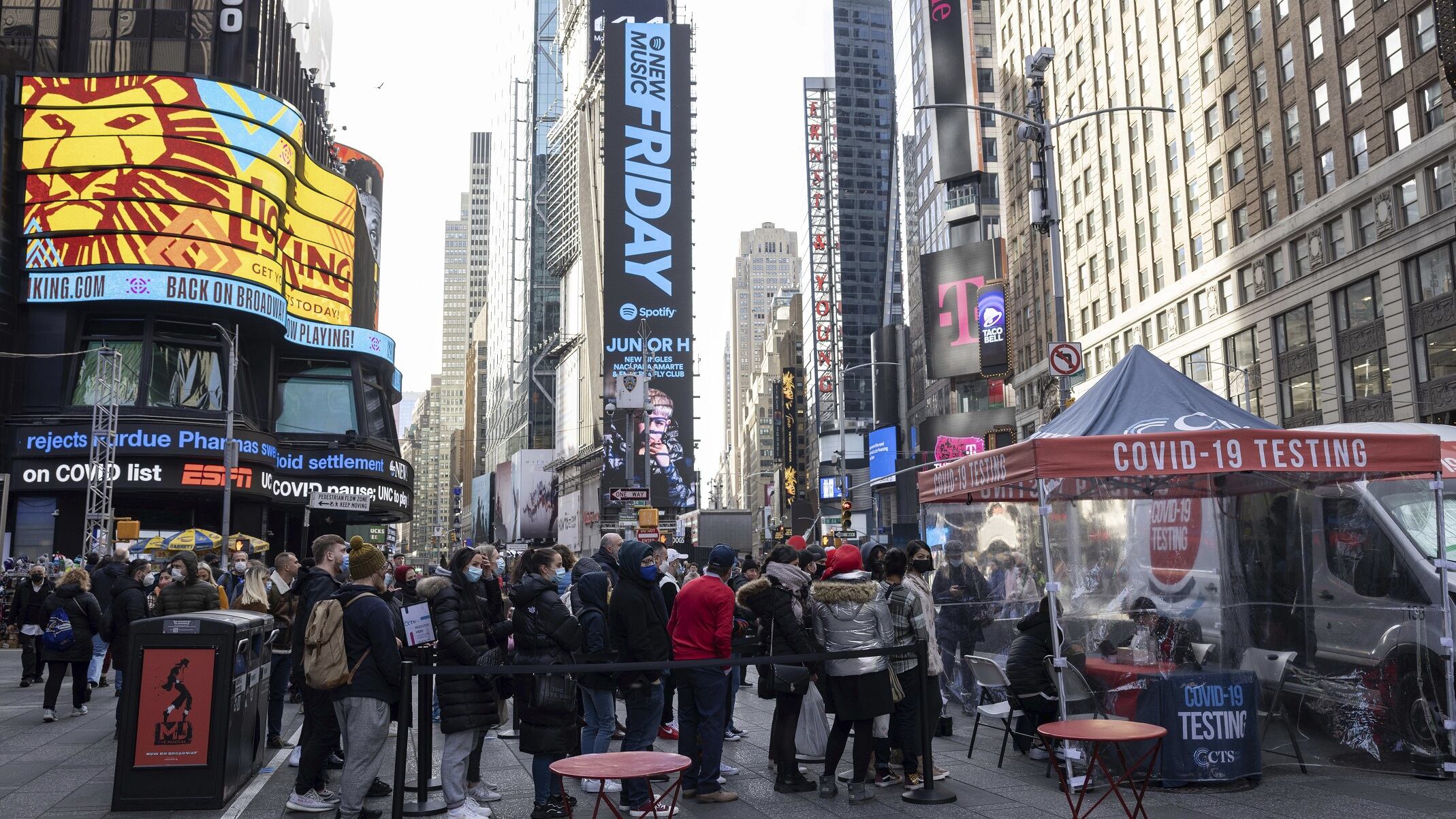
Carlo and Baker cover the heartening news on the Covid front ahead of the holiday, plus President Biden punting student loan repayments again, a new space telescope and Love, Hate, Ate: Christmas Eve Eve Edition!
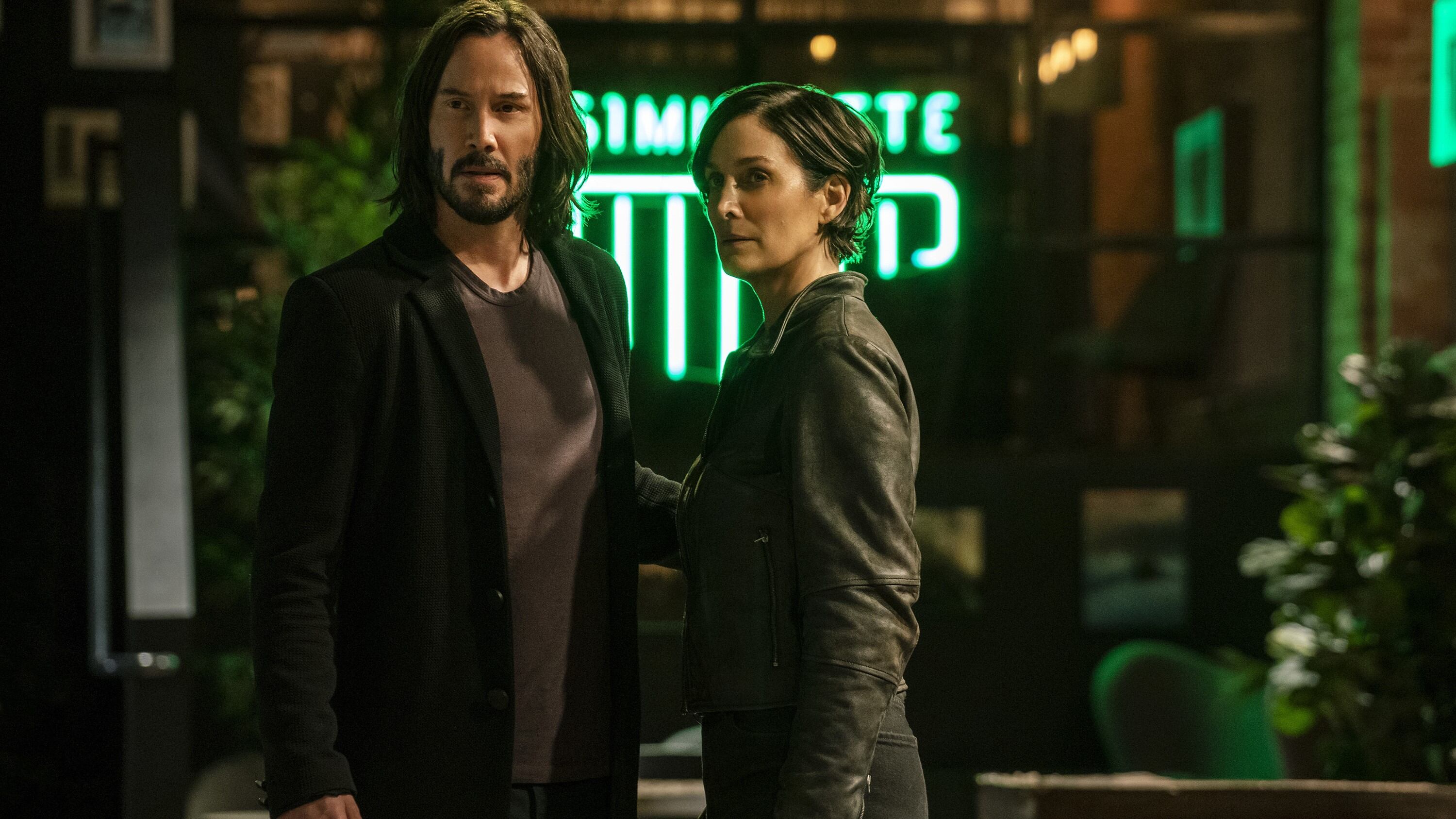
The boys discuss President Biden's plans to send out free rapid tests as the testing supply chain starts to buckle ahead of the holidays. Also, why aren't Americans having more babies, and The Matrix returns.
This year, consumers might not be as surprised by what's under their trees as by the trees themselves. Despite a tighter market for trees, Stew Leonard's was able to secure its entire stock of Christmas trees from a supplier in Quebec. But some prices jumped this year as a result of increased costs for shipping and labor amid the COVID-19 pandemic.
Toys "R" Us opened its U.S. flagship location in American Dream, a megamall based in East Rutherford, N.J., on Tuesday.
While there are many places where you can buy weed, there are very few places where you can publicly smoke it. One Denver business owner is looking to change that. The Patterson Inn was recently the first, and only, business to apply for the newly available hospitality license. Natalie Fertig, cannabis policy reporter at Politico, joins Cheddar News to discuss the future of the cannabis industry.
Cheddar recaps its top five explainer videos of 2021.
Carlo and Baker preview President Biden's address to the nation as Omicron becomes the new dominant Covid strain. Plus, Trump gets booed for getting his booster and the White House gets a new puppy.