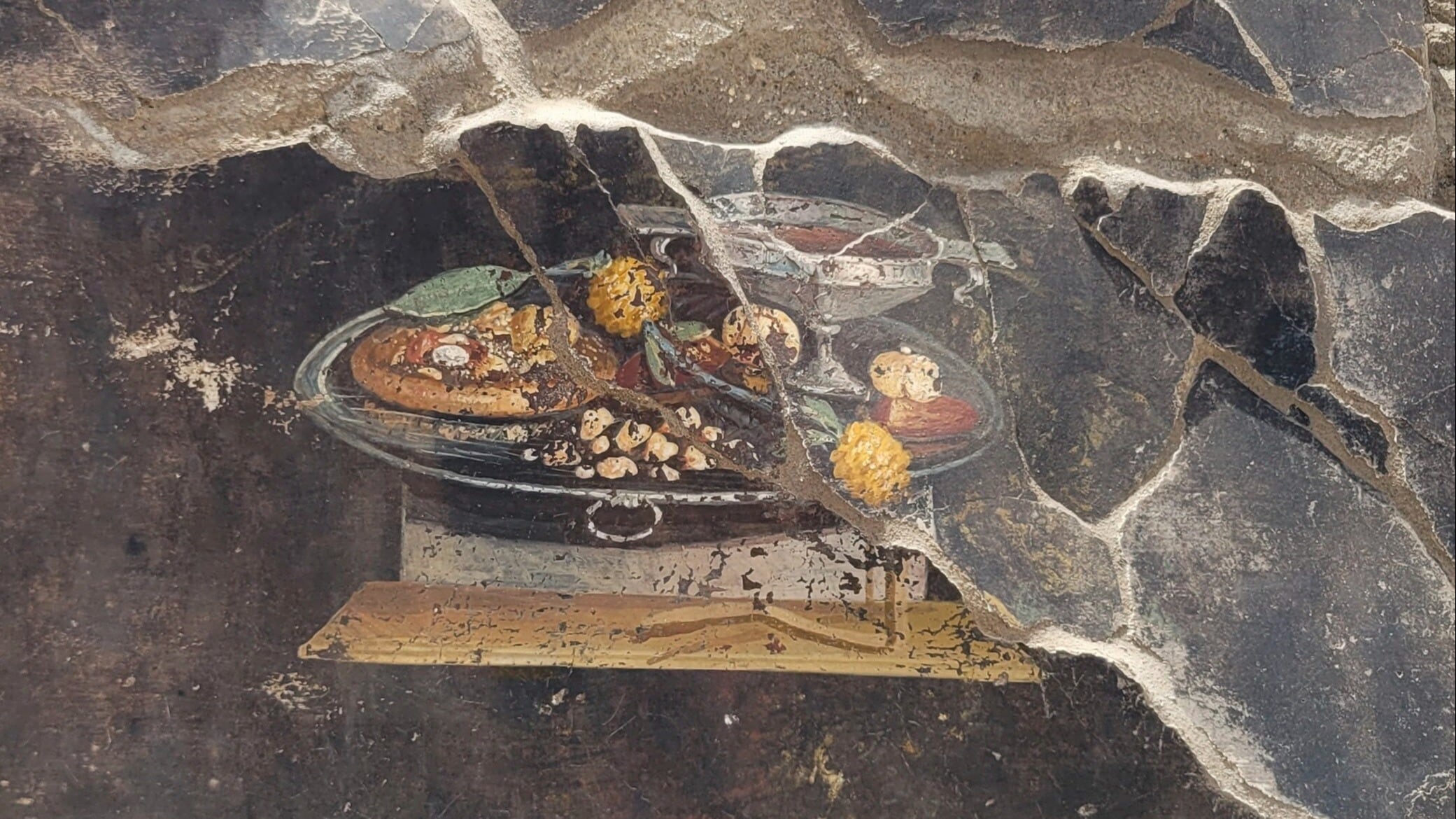
This picture provided on Tuesday, June 27, 2023, by the Pompeii Archaeological Park shows the wall of an ancient Pompeian house with a fresco depicting a table with food. The fresco was found in the atrium of a house in Insula 10 of Regio IX under excavation, to which a bakery was annexed, already partially explored between 1888 and 1891 and whose investigations were resumed last January. (Pompeii Archaeological Park via AP, ho)
A still-life fresco discovered recently in the Pompeii archaeological site looks like a pizza, but it's not, experts at the archaeological site said Tuesday.
They noted that key ingredients needed to make Italy's iconic dish — tomatoes and mozzarella — were not available when the fresco was painted some 2,000 years ago.
Tomatoes were only introduced to Europe from the Americas a few centuries ago, and some histories have it that the discovery of mozzarella led directly to the invention of pizza in nearby Naples in the 1700s.
The image is instead believed to be a focaccia covered with fruit, including pomegranate and possibly dates, finished with spices or a type of pesto, experts said. In the fresco, it is served on a silver plate and a wine chalice stands next to it.
The contrast of the frugal meal served in a luxurious setting, denoted by the silver tray, is not unlike modern-day pizza, “born as a poor-man’s dish in southern Italy, which has won over the world and is served even in starred restaurants," said Gabriel Zuchtriegel, director of the Pompeii archaeological site.
The ancient Roman city of Pompeii was destroyed in the eruption of nearby Mount Vesuvius in 79 A.D. The sudden and deadly event left much of the structure intact, embalmed in volcanic ash, and the site is now a major archaeological project and tourist attraction.
The Coldiretti ag lobby immediately seized on the discovery of the fresco to promote pizza — invented as a quick meal for the working poor — as a national treasure. Today, pizza represents one-third of the food budget of foreign visitors and generates total annual revenues of 15 billion euros ($16.4 billion) in Italy.
The art of the Neapolitan pizzamaker was put on UNESCO’s intangible cultural heritage list in 2017, recognized for its four phases of dough preparation and for being baked exclusively in a wood oven at 485 degrees Celsius (905 degrees Fahrenheit.)
February 20 marks what would have been Kurt Cobain’s 55th birthday, and NFT gateway Pop Legendz will be offering up a collection of rare images from a 1991 Nirvana show in Philadelphia that took places days before their monster hit album "Nevermind" was to be released. Faith West, the founder of Pop Legendz, music journalist, and the photographer who captured it on film joined Cheddar News to talk about the historic event and the NFT sales where half the proceeds will go to charities like the Trevor Project and GRID Alternatives. “I showed up at a small club, 150 people, not quite know what to expect, brought my camera, and halfway through the show I knew music history was being made," West said of the iconic evening.
In a thrilling overtime finish, 23-year old NASCAR driver Austin Cindric clinched the 64th annual Daytona 500 win. Narrowly beating out legendary race car driver Bubba Wallace, Cindric earned his very first NASCAR cup series victory, and became the second youngest driver to win The Great American Race. Daytona 500 Champ Austin Cindric joined Cheddar's Opening Bell to discuss his historic victory.
More than two years into the pandemic, Americans are ready to go out and splurge. With Covid cases falling and restrictions rolling back, many companies are seeing a surge in demand for everything from hotels to restaurants to sports games. Lindsey Roeschke, travel & hospitality analyst at Morning Consult, joined Cheddar's Opening Bell to discuss trends going on in the industries right now.
To combat slumping ratings, the Academy Awards are undergoing a radical slimming down, with eight awards to be presented off-air during next month’s telecast.
Two Blackhawk helicopters crashed near a Utah ski resort Tuesday morning, forcing the closures on part of the mountain but leaving no crew members seriously hurt.
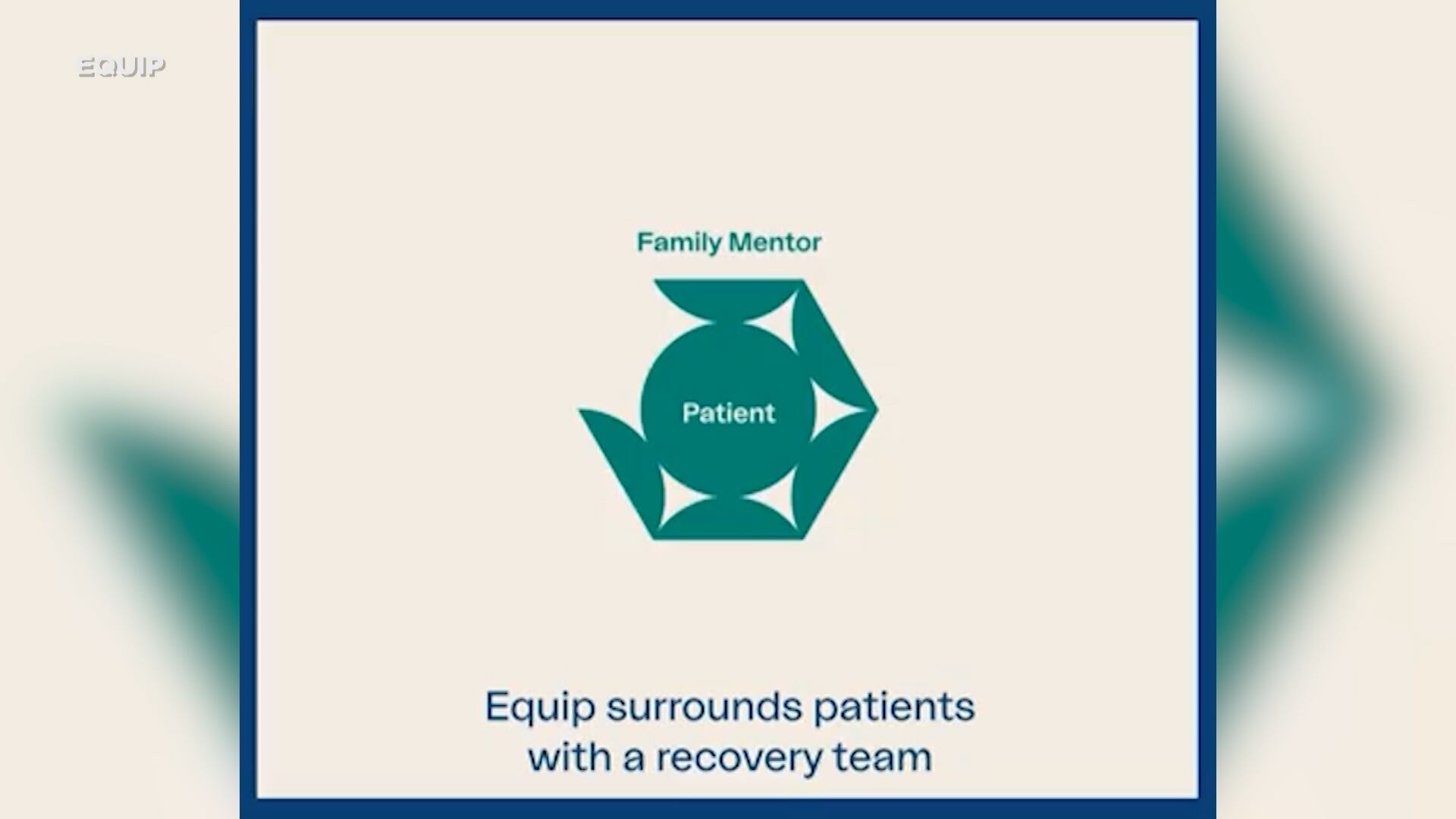
Equip is a virtual treatment platform for eating disorders, and recently raised $58 million in a Series B round led by The Chernin Group. The company aims to revolutionize treatment for eating disorders by delivering virtual care teams and clinical expertise directly to families' homes. Equip says the need for its platform has only been exacerbated by the COVID-19 pandemic. The National Eating Disorder Association's helpline has had a 107% increase in contacts since the start of the pandemic. Kristina Saffran, CEO and co-founder of Equip, joins Cheddar News' Closing Bell to discuss.
U.S. stocks ended today's session sharply lower on the heels of rising geopolitical tensions between Russia and Ukraine. Melissa Brown, Managing Director of Applied Research at Qontigo, joins Cheddar News' Closing Bell to discuss.
Tonga's main internet connection to the rest of the world has finally been restored more than five weeks after a huge volcanic eruption and tsunami severed a crucial undersea cable.
As we celebrate Black History Month, Cheddar is highlighting prominent Black Americans who are carving their own historic paths and trailblazing in their fields. Today we feature athlete and activist Colin Kaepernick.
A just-released Harris Poll revealed that there are some differences of opinion among workers on returning to the office. The survey showed that 52 percent of women would still prefer to work from home versus 41 percent of men. The report also showed that 52 percent of black workers and 50 percent of women see it as being better when it comes to career advancement. Dr. Laura Morgan Roberts, professor of practice at the University of Virginia’s Darden School of Business, joined Cheddar News to explain the report. "The first set of observations are about infrastructure and flexibility. The second are about inclusion," she said. "And so what we've learned from many non-white workers are that they appreciate the opportunity to focus more on their tasks and to be buffered in a sense from some of the hostilities and the exclusive environment and practice that they had to navigate for many years in their in-person offices."