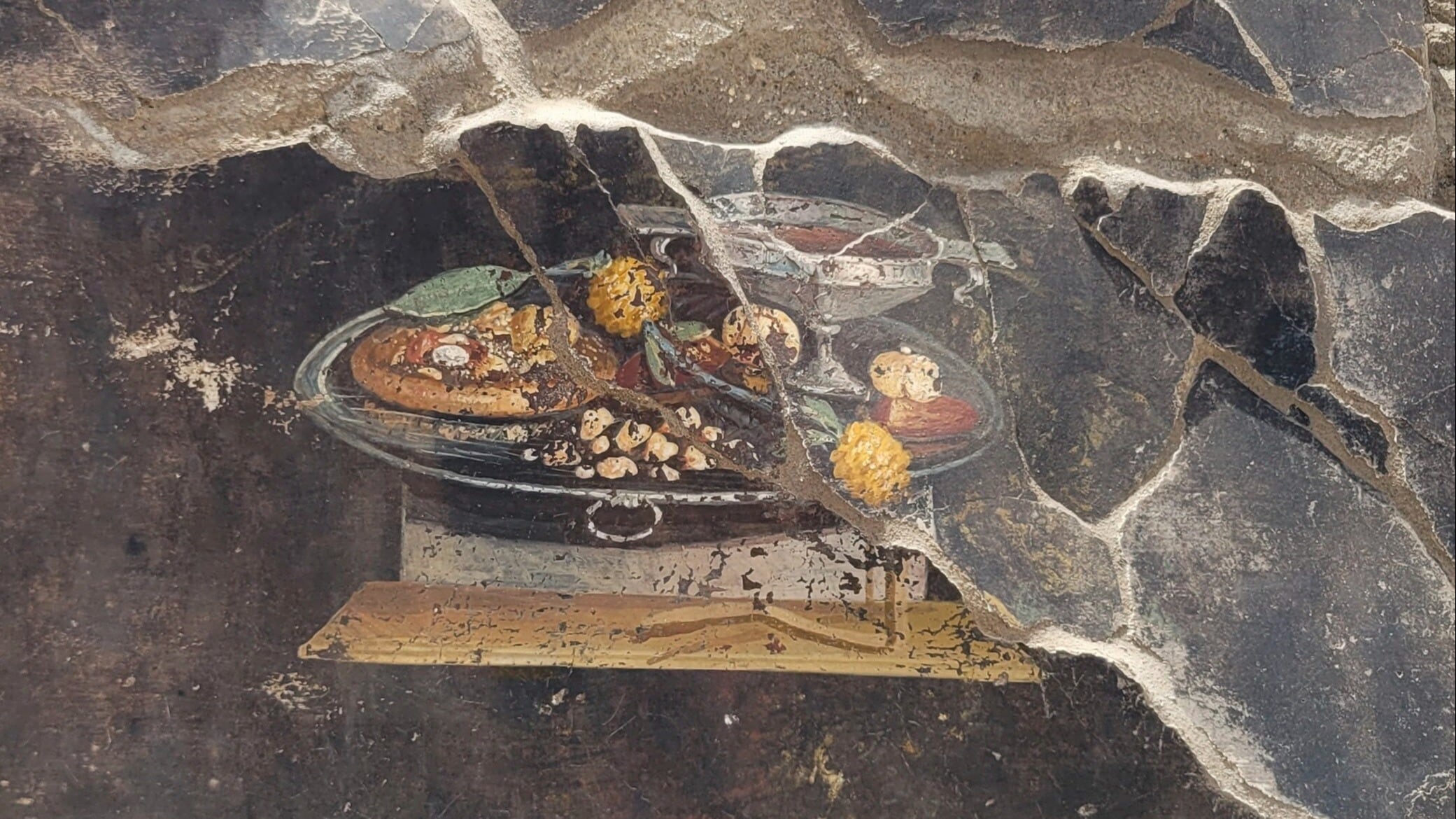
This picture provided on Tuesday, June 27, 2023, by the Pompeii Archaeological Park shows the wall of an ancient Pompeian house with a fresco depicting a table with food. The fresco was found in the atrium of a house in Insula 10 of Regio IX under excavation, to which a bakery was annexed, already partially explored between 1888 and 1891 and whose investigations were resumed last January. (Pompeii Archaeological Park via AP, ho)
A still-life fresco discovered recently in the Pompeii archaeological site looks like a pizza, but it's not, experts at the archaeological site said Tuesday.
They noted that key ingredients needed to make Italy's iconic dish — tomatoes and mozzarella — were not available when the fresco was painted some 2,000 years ago.
Tomatoes were only introduced to Europe from the Americas a few centuries ago, and some histories have it that the discovery of mozzarella led directly to the invention of pizza in nearby Naples in the 1700s.
The image is instead believed to be a focaccia covered with fruit, including pomegranate and possibly dates, finished with spices or a type of pesto, experts said. In the fresco, it is served on a silver plate and a wine chalice stands next to it.
The contrast of the frugal meal served in a luxurious setting, denoted by the silver tray, is not unlike modern-day pizza, “born as a poor-man’s dish in southern Italy, which has won over the world and is served even in starred restaurants," said Gabriel Zuchtriegel, director of the Pompeii archaeological site.
The ancient Roman city of Pompeii was destroyed in the eruption of nearby Mount Vesuvius in 79 A.D. The sudden and deadly event left much of the structure intact, embalmed in volcanic ash, and the site is now a major archaeological project and tourist attraction.
The Coldiretti ag lobby immediately seized on the discovery of the fresco to promote pizza — invented as a quick meal for the working poor — as a national treasure. Today, pizza represents one-third of the food budget of foreign visitors and generates total annual revenues of 15 billion euros ($16.4 billion) in Italy.
The art of the Neapolitan pizzamaker was put on UNESCO’s intangible cultural heritage list in 2017, recognized for its four phases of dough preparation and for being baked exclusively in a wood oven at 485 degrees Celsius (905 degrees Fahrenheit.)
In the past few years, Betthany Frankel has made a major name for herself as a philanthropist after founding the
BStrong initiative, which has provided relief to people impacted by natural disasters as well as the COVID-19 pandemic. Now, BStrong is shifting its focus to Ukraine, raising millions of dollars in donations for those impacted by Russia's invasion. Bethenny Frankel, the founder of BStrong, joins Cheddar News' Closing Bell to discuss.
Ari Redbord, Head of Legal and Government Affairs at TRM Labs, discusses how Binance, Coinbase and Kraken's decision to not unilaterally ban all Russian users from their platforms could put a dent in the West's plan to economically punish Russia.
One of Europe's leading micromobility providers, TIER mobility, is expanding into North America after acquiring the micromobility operator, Spin. Ford Motor Company previously owned Spin but is now selling the company to TIER Mobility, which says the deal will make it the largest multimodal micromobility operator in the world in terms of the number of cities it operates in and the number of vehicles in its fleet. Lawrence Leuschner, CEO of TIER Mobility, and Ben Bear, CEO of Spin, join Cheddar News' Closing Bell to discuss.
World Central Kitchen is Ukraine helping to feed people remaining in the country or fleeing from the Russian forces. Nate Mook, CEO for the non-profit, joined Cheddar New to discuss the efforts being made to help those in need in a very tenuous situation and how the invasion disrupted the lives of Ukrainian people."We met a young woman from Kyiv who had crossed into Poland, she had a great job, she just moved into a new apartment. She was really excited about decorating her apartment. You know, things that we all do on a day-to-day basis, and she had to just abandon her life," he said.
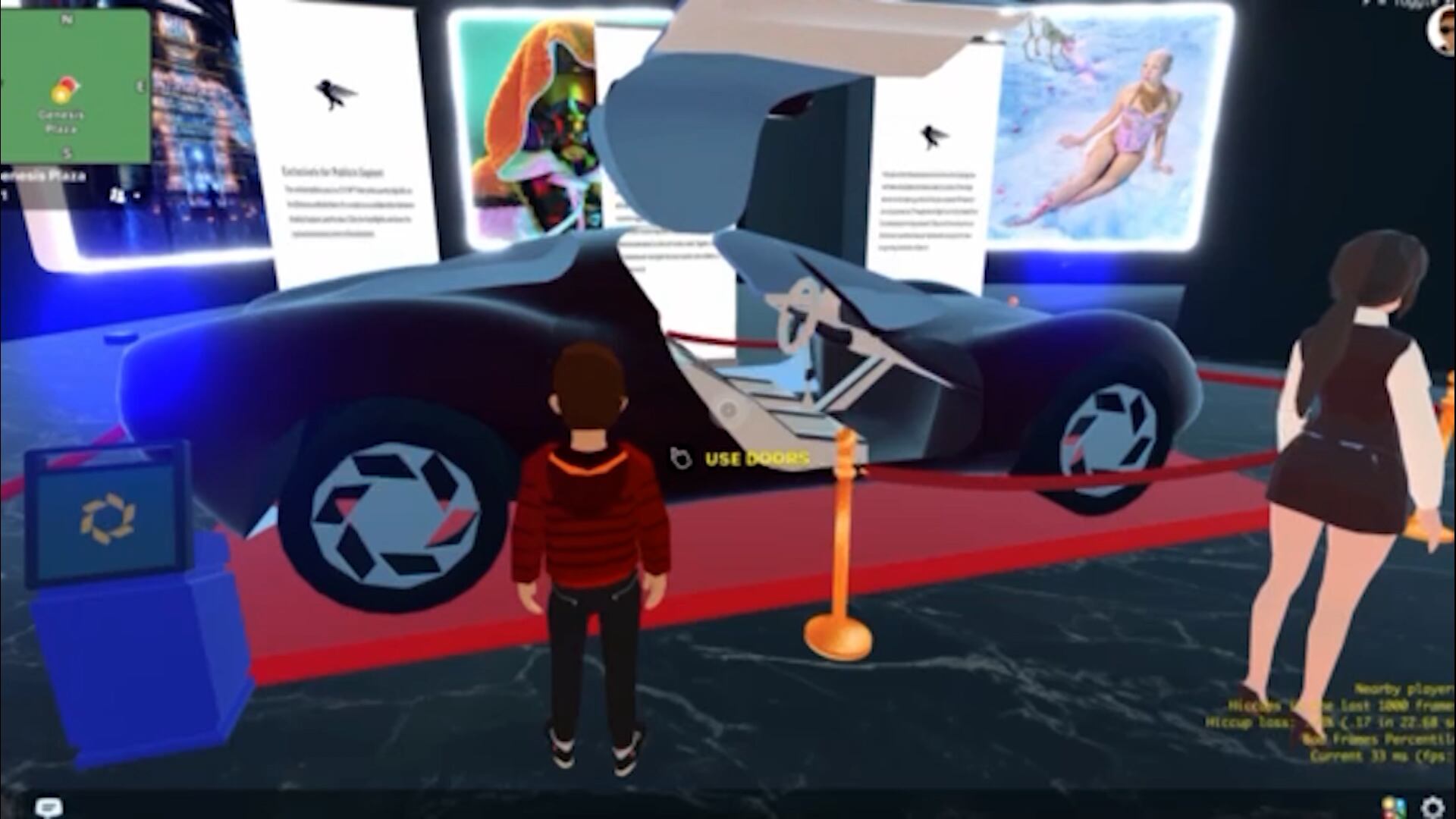
Digital consulting company Publicis Sapient has its sights set on the Metaverse. The subsidiary of the French advertising giant Publicis Group is announcing a new partnership with NFT auction house Portion in an effor to help brands deliver experiences in the metaverse, including the sales of products. Publicis Sapient CEO Nigel Vaz joined Cheddar News' Closing Bell to discuss. "In the context of our collaboration with Portion, the first experience that we created was with Decentraland, which is a virtual world," he said. "And car manufacturers in this metaverse, in terms of their buyers, can interact with a virtual person, (and) they can view quality NFTs. They can examine a virtual vehicle, be inside the car, rev an engine, open doors, all without leaving their homes."
National Eating Disorder Awareness Week is a campaign to educate the public about the harsh realities of eating disorders, but also to provide support and visibility to individuals and families affected by an eating disorder. Sarah Adler, clinical associate professor of psychiatry and behavioral sciences at Stanford University, joins Cheddar News to discuss.
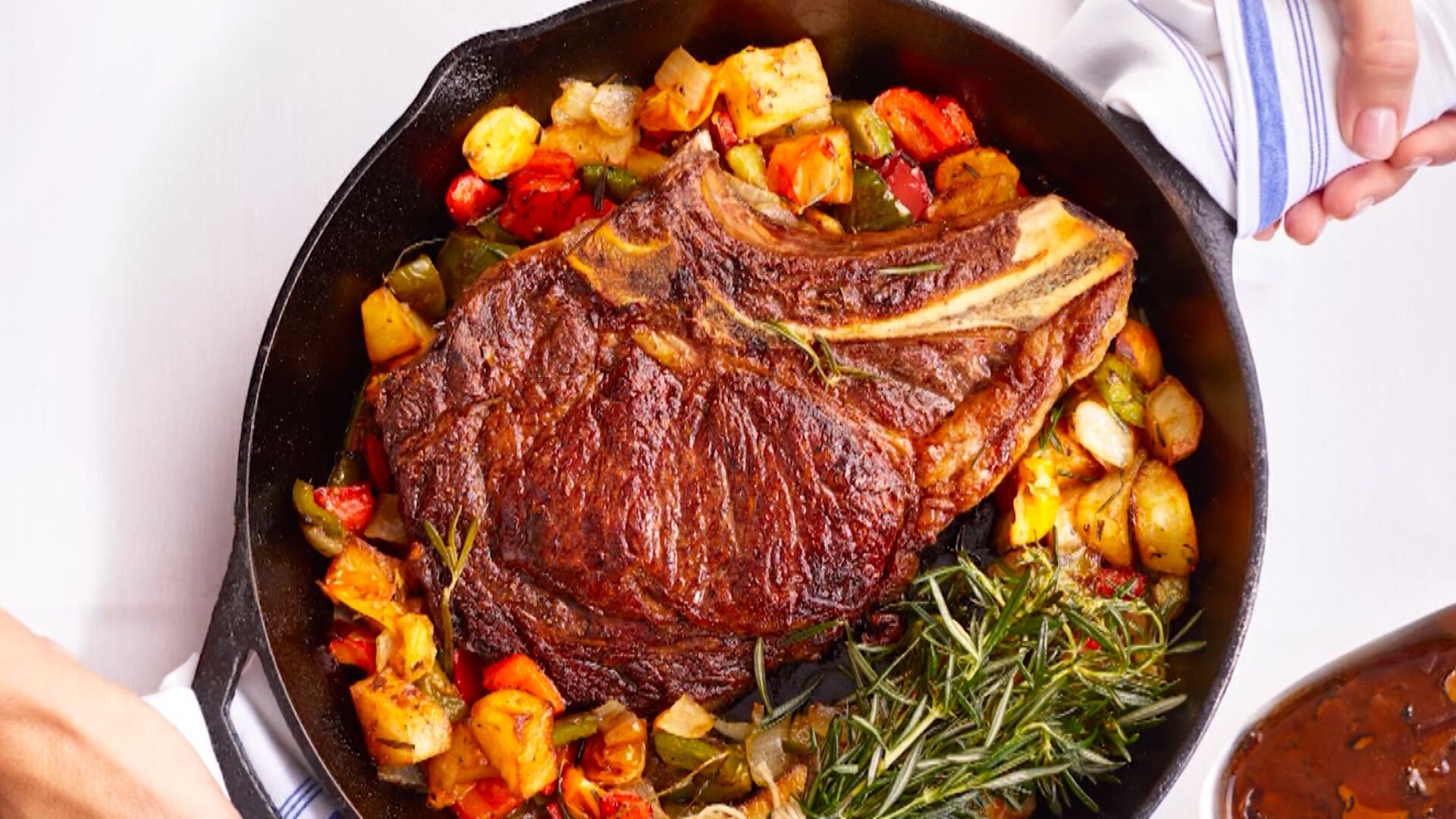
Vittorio Assaf, co-founder of Serafina, joins Cheddar News to discuss two new concepts from Serafina Restaurants in NYC: Cafe Serafina and Serafina To-Go. Assaf also talks about the company's new cookbook.
Maude Okrah, co-founder of Black Beauty Roster, joins Cheddar News to discuss how her company is working with WarnerMedia to provide diverse makeup and hair stylists for actors of color on set.