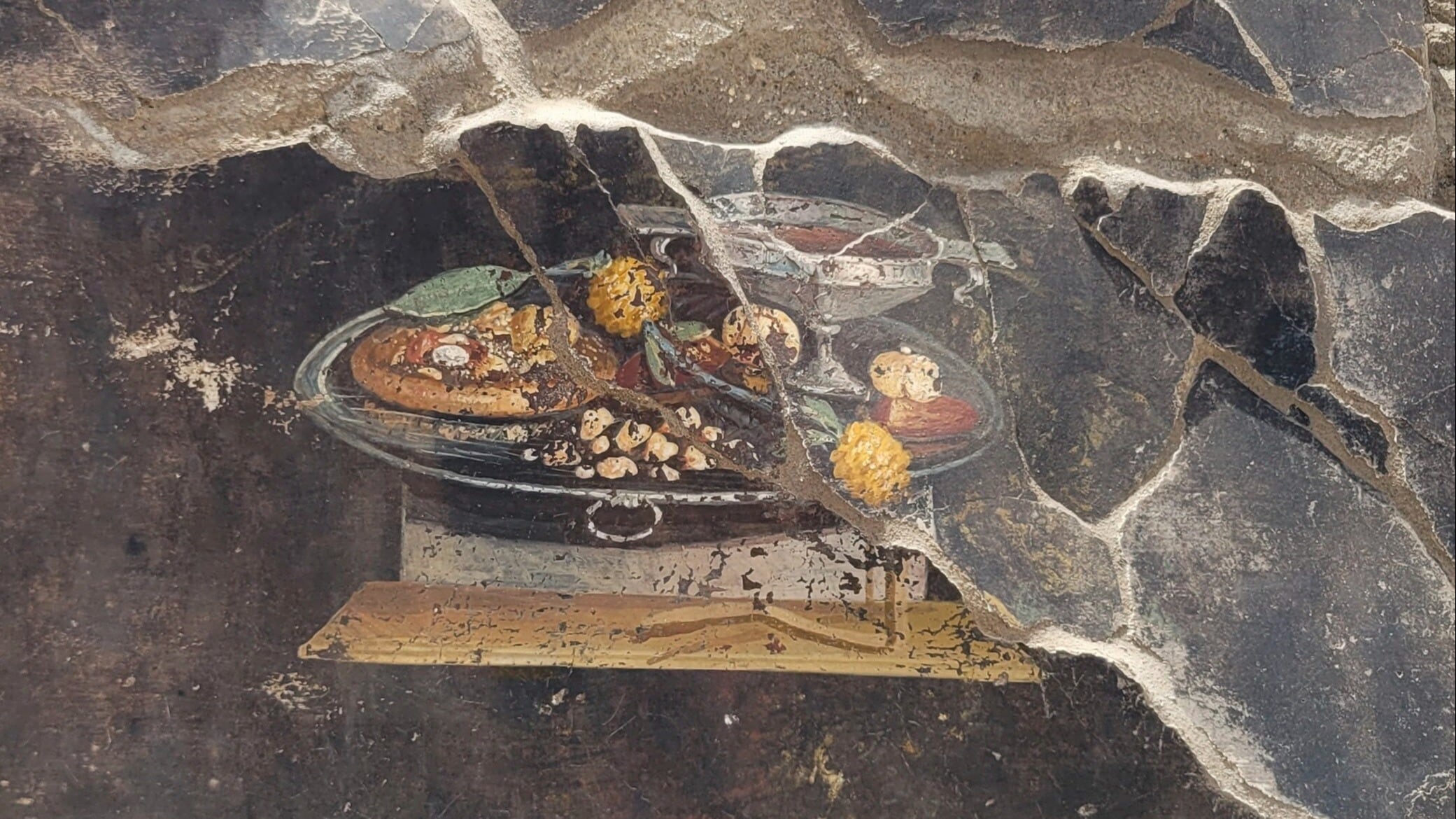
This picture provided on Tuesday, June 27, 2023, by the Pompeii Archaeological Park shows the wall of an ancient Pompeian house with a fresco depicting a table with food. The fresco was found in the atrium of a house in Insula 10 of Regio IX under excavation, to which a bakery was annexed, already partially explored between 1888 and 1891 and whose investigations were resumed last January. (Pompeii Archaeological Park via AP, ho)
A still-life fresco discovered recently in the Pompeii archaeological site looks like a pizza, but it's not, experts at the archaeological site said Tuesday.
They noted that key ingredients needed to make Italy's iconic dish — tomatoes and mozzarella — were not available when the fresco was painted some 2,000 years ago.
Tomatoes were only introduced to Europe from the Americas a few centuries ago, and some histories have it that the discovery of mozzarella led directly to the invention of pizza in nearby Naples in the 1700s.
The image is instead believed to be a focaccia covered with fruit, including pomegranate and possibly dates, finished with spices or a type of pesto, experts said. In the fresco, it is served on a silver plate and a wine chalice stands next to it.
The contrast of the frugal meal served in a luxurious setting, denoted by the silver tray, is not unlike modern-day pizza, “born as a poor-man’s dish in southern Italy, which has won over the world and is served even in starred restaurants," said Gabriel Zuchtriegel, director of the Pompeii archaeological site.
The ancient Roman city of Pompeii was destroyed in the eruption of nearby Mount Vesuvius in 79 A.D. The sudden and deadly event left much of the structure intact, embalmed in volcanic ash, and the site is now a major archaeological project and tourist attraction.
The Coldiretti ag lobby immediately seized on the discovery of the fresco to promote pizza — invented as a quick meal for the working poor — as a national treasure. Today, pizza represents one-third of the food budget of foreign visitors and generates total annual revenues of 15 billion euros ($16.4 billion) in Italy.
The art of the Neapolitan pizzamaker was put on UNESCO’s intangible cultural heritage list in 2017, recognized for its four phases of dough preparation and for being baked exclusively in a wood oven at 485 degrees Celsius (905 degrees Fahrenheit.)
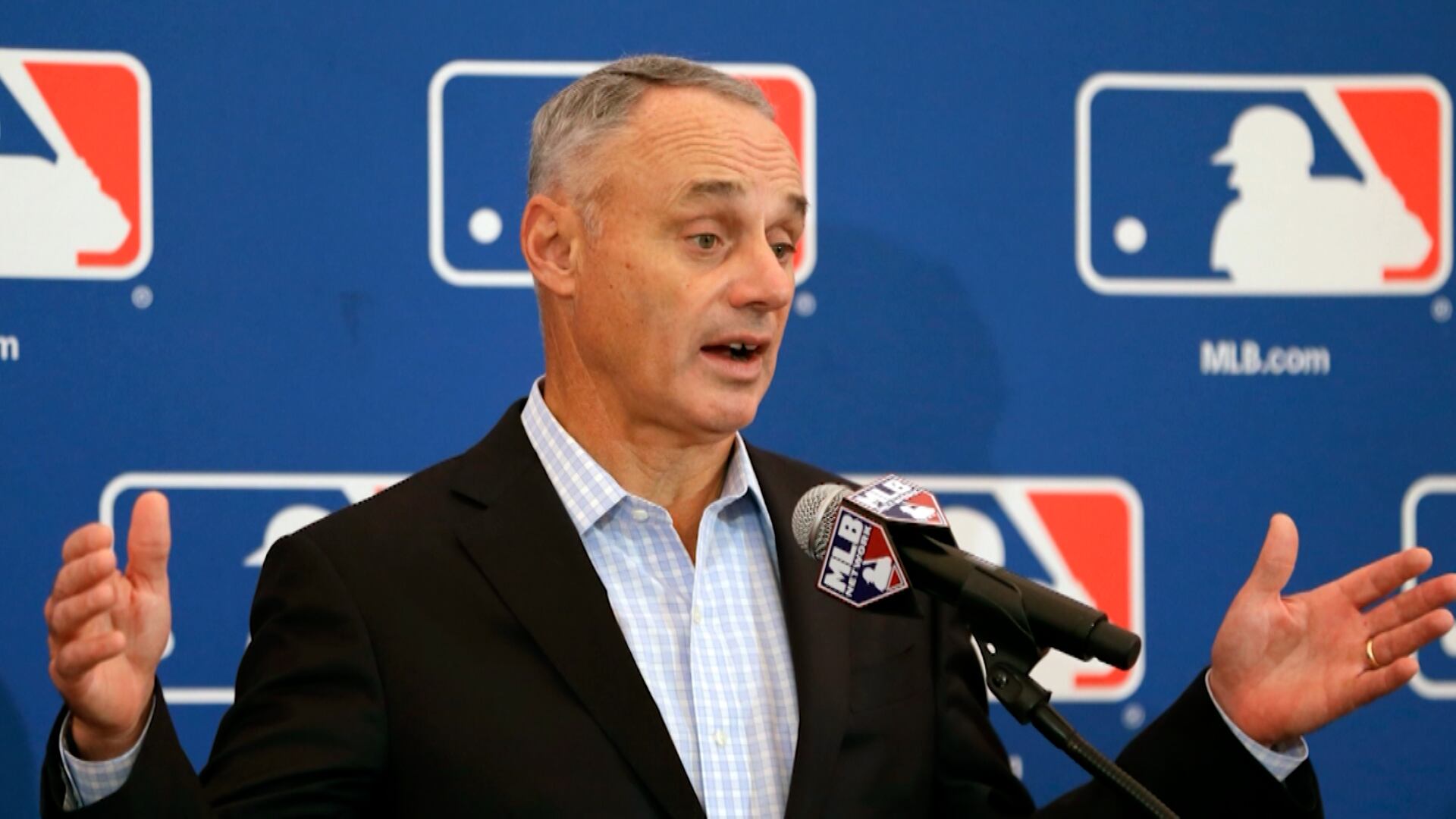
It has now been two days since Major League Baseball moved to cancel opening day games for the upcoming season. The announcement from MLB commissioner Rob Manfred came during the league's ongoing work stoppage, just the ninth in MLB history. Owners voted unanimously on December 2, 2021 to enact a lockout after the collective bargaining agreement between the league and players expired. On March 1, 2022, following over a week of daily negotiations between the two sides, and three months of on and off negotiations, the league officially canceled the first two series of the regular season. Gabe Lacques, MLB reporter and baseball editor for USA Today Sports, joins Cheddar News' Closing Bell to discuss.
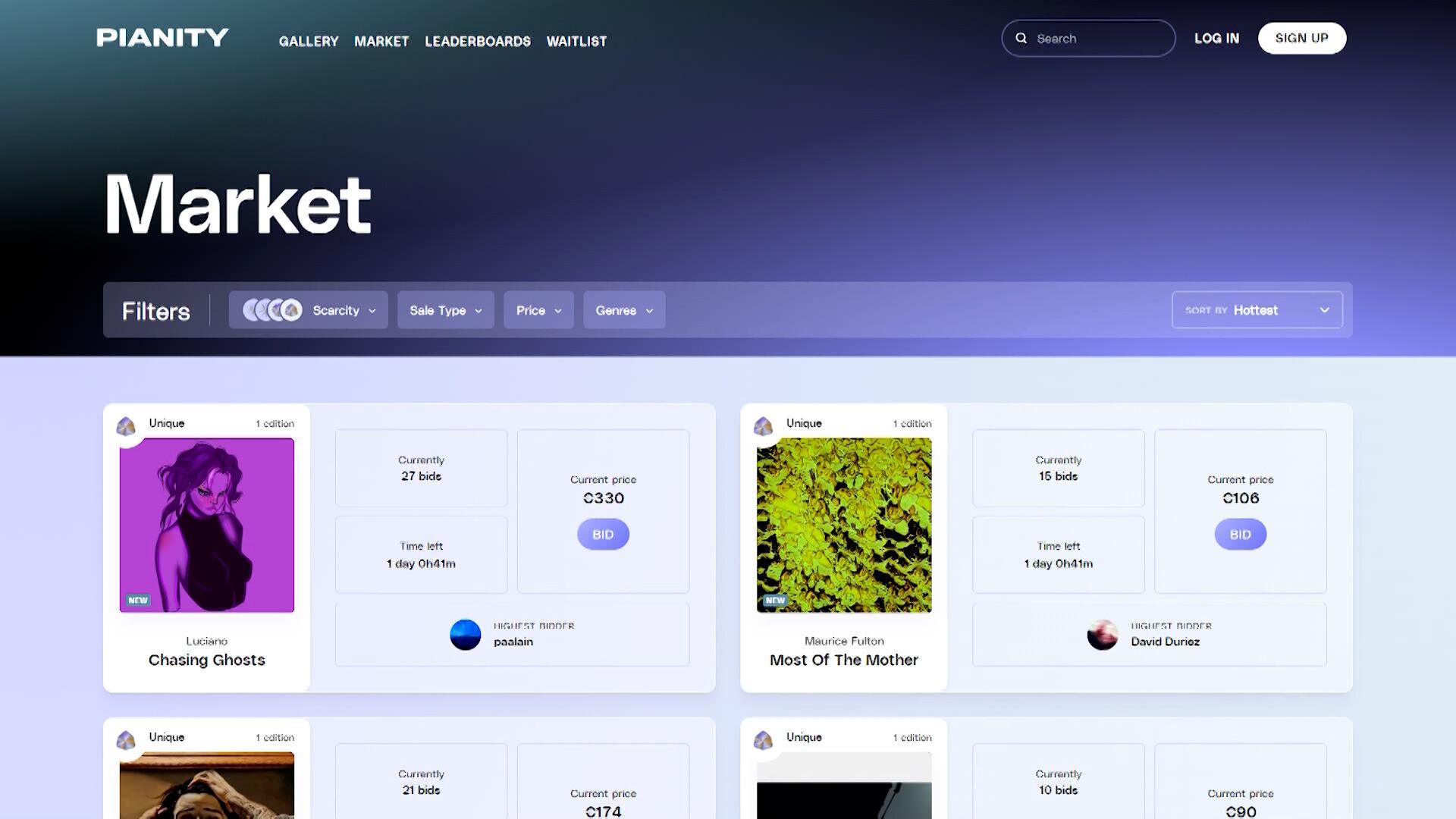
Music-focused NFT platform Pianity raising $6.5 million in a seed funding round. Pianity has developed a marketplace that allows musicians to sell their tracks as limited edition NFTs. Since its launch last year, the company says it has already sold 11,000 NFTs and artists have earned over $1.1 million from NFT sales. Kevin Primicerio, co-founder and CEO of Pianity, joins Cheddar News' Closing Bell to discuss.
Russia seizes a major Ukraine nuclear power plant, students protest Florida's "Don't Say Gay" bill, and it's official: nobody really expects Pop-Tarts to have real strawberries. Here is all the news you Need2Know for Friday, March 4, 2022.
The United Nations High Commissioner for Refugees (UNHCR) has reported that an estimated one million people have fled from Ukraine since Russia invaded. Christopher Boian, senior communications officer at UNHCR, joined Cheddar News to report on the current refugee crisis and what the world might expect if conditions continue to worsen. "We have planning figures that forecast as many as four million people could be forced to flee Ukraine," he said. "But that very much depends on how the conflict underway in that country at the moment unfolds in the days and possibly weeks ahead."
Christian Blauvelt, executive managing editor at IndieWire, joins Cheddar News to discuss the growing number of studios pulling content from Russia over Ukraine invasion.
Caroline Hickman, lecturer at University of Bath and psychosocial researcher on climate change, joins Cheddar News to discuss climate change's impact on mental health.
Alexandre Mongeon, the CEO and co-founder of Vision Marine Technologies, joins Cheddar Innovates to discuss the latest innovations in the e-boating industry, and how fully electric motors and boats will play a role in the fight against the climate crisis.
A Ukraine city falls, if you have an Iconic Fitbit, you'll want to hear this, and leave Girl Scouts alone! Here is all the news you Need2Know for Thursday, March 3, 2022.