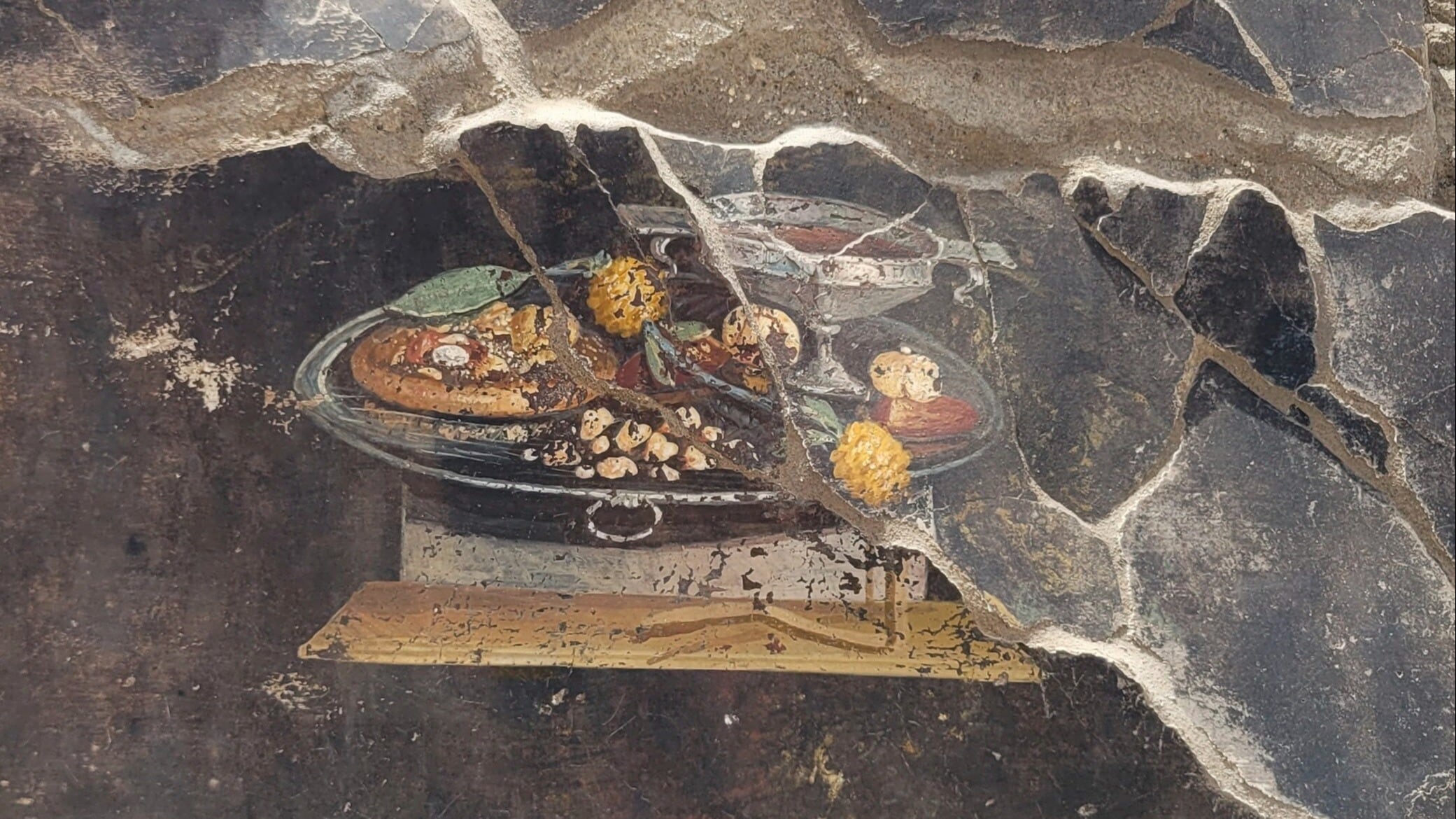
This picture provided on Tuesday, June 27, 2023, by the Pompeii Archaeological Park shows the wall of an ancient Pompeian house with a fresco depicting a table with food. The fresco was found in the atrium of a house in Insula 10 of Regio IX under excavation, to which a bakery was annexed, already partially explored between 1888 and 1891 and whose investigations were resumed last January. (Pompeii Archaeological Park via AP, ho)
A still-life fresco discovered recently in the Pompeii archaeological site looks like a pizza, but it's not, experts at the archaeological site said Tuesday.
They noted that key ingredients needed to make Italy's iconic dish — tomatoes and mozzarella — were not available when the fresco was painted some 2,000 years ago.
Tomatoes were only introduced to Europe from the Americas a few centuries ago, and some histories have it that the discovery of mozzarella led directly to the invention of pizza in nearby Naples in the 1700s.
The image is instead believed to be a focaccia covered with fruit, including pomegranate and possibly dates, finished with spices or a type of pesto, experts said. In the fresco, it is served on a silver plate and a wine chalice stands next to it.
The contrast of the frugal meal served in a luxurious setting, denoted by the silver tray, is not unlike modern-day pizza, “born as a poor-man’s dish in southern Italy, which has won over the world and is served even in starred restaurants," said Gabriel Zuchtriegel, director of the Pompeii archaeological site.
The ancient Roman city of Pompeii was destroyed in the eruption of nearby Mount Vesuvius in 79 A.D. The sudden and deadly event left much of the structure intact, embalmed in volcanic ash, and the site is now a major archaeological project and tourist attraction.
The Coldiretti ag lobby immediately seized on the discovery of the fresco to promote pizza — invented as a quick meal for the working poor — as a national treasure. Today, pizza represents one-third of the food budget of foreign visitors and generates total annual revenues of 15 billion euros ($16.4 billion) in Italy.
The art of the Neapolitan pizzamaker was put on UNESCO’s intangible cultural heritage list in 2017, recognized for its four phases of dough preparation and for being baked exclusively in a wood oven at 485 degrees Celsius (905 degrees Fahrenheit.)
On this episode of ChedHER: Lissy Hu, CEO and Founder of CarePort, powered by WellSky, breaks down how to avoid 'mom guilt' at work; Katie Hotze, Founder and CEO of Grocery Shopii, explains how she's creating a platform that allows for personalized meal planning and recipes into a grocer's eCommerce platform; Nicole Wegman, Founder and CEO of Ring Concierge, talks how she's creating luxury designs for women, by women.
We are entering yet a new era of work across corporate America. Lissy Hu, CEO and Founder of CarePort, powered by WellSky, joins ChedHER to discuss what this new era means for working mothers, and how to avoid 'mom guilt' at work.
Londoners are facing travel chaos after around 10,000 transport workers walked off their jobs for the second day this week, leaving almost all of the capital’s subway lines suspended or severely disrupted.
The luxury jewelry industry is heavily male-dominated. Nicole Wegman, Founder and CEO of Ring Concierge, joins ChedHER to discuss how she's creating luxury designs for women, by women and how social media has played a major role in building her business.
Independent artists were caught off-guard and the Epic acquisition of Bandcamp quickly sparked fears it could ruin what many saw as their last best hope of getting paid online for their work.
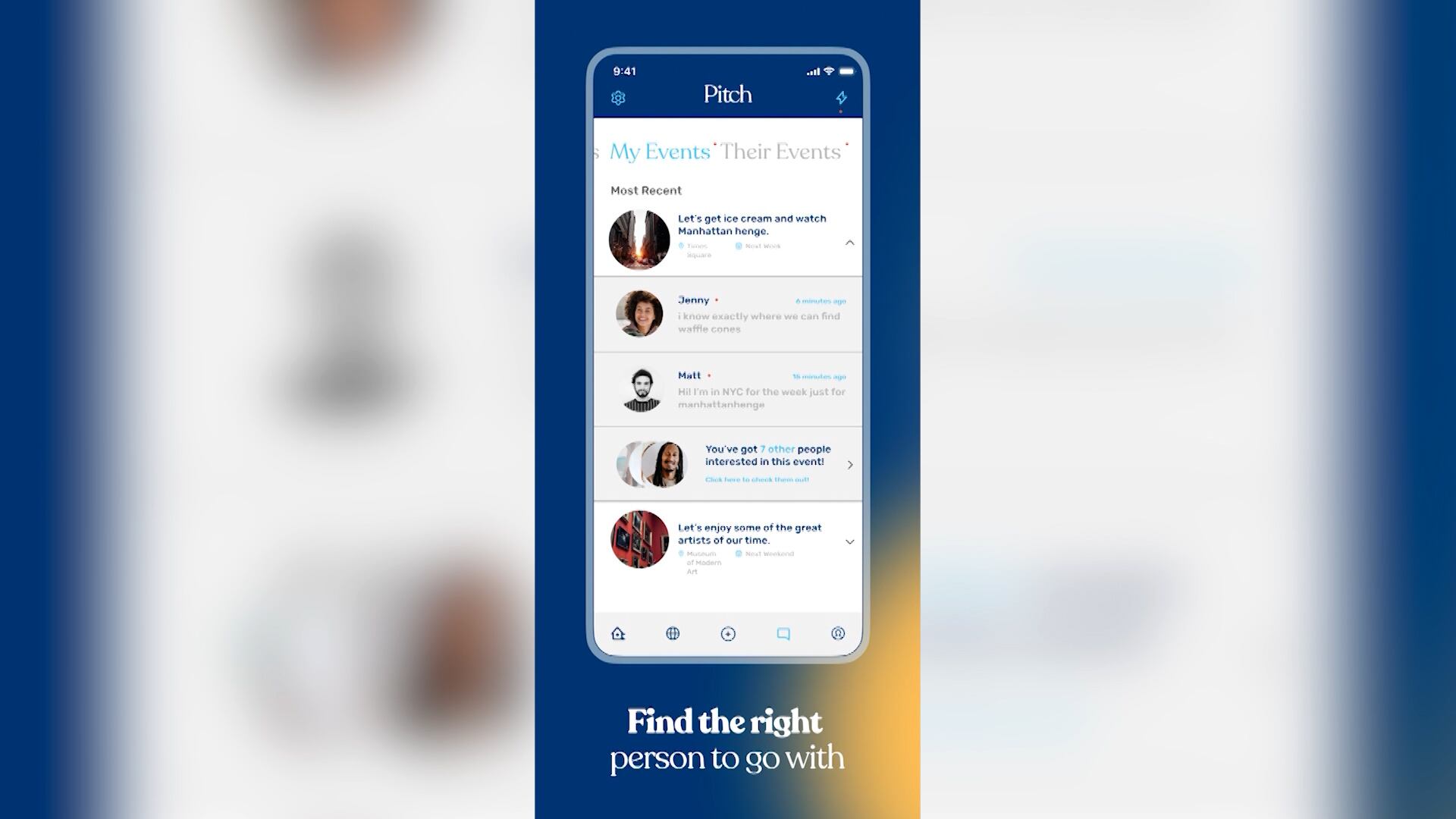
Trying to meet people online has become a predictable routine. Now, one app is switching it up by allowing users to swipe right on plans and outings rather than faces. Pitch Social co-founders Daniel Antonio and Ryan Snowden joins Between Bells to talk about their app.
Playboy released its fourth quarter and full year 2021 results, reporting an annual revenue of $247 million, up 67 percent year-over-year. The venerable lifestyle and entertainment brand had a whirlwind of a year — going public for a second time, completing three acquisitions, and growing its workforce to more than 1,100 employees, all while dealing with ongoing supply chain issues and other COVID-related challenges. CEO Ben Kohn joined Cheddar's Opening Bell to discuss the long pivot away from its legacy print product to digital. "It gives us a truly competitive advantage, especially when you think of this world we live in today with the changes to iOS last year, what you saw happen with Facebook, the lack of performance marketing," he said. "We now have an organic audience in partnership with our creators that we can market other products and services to as well."