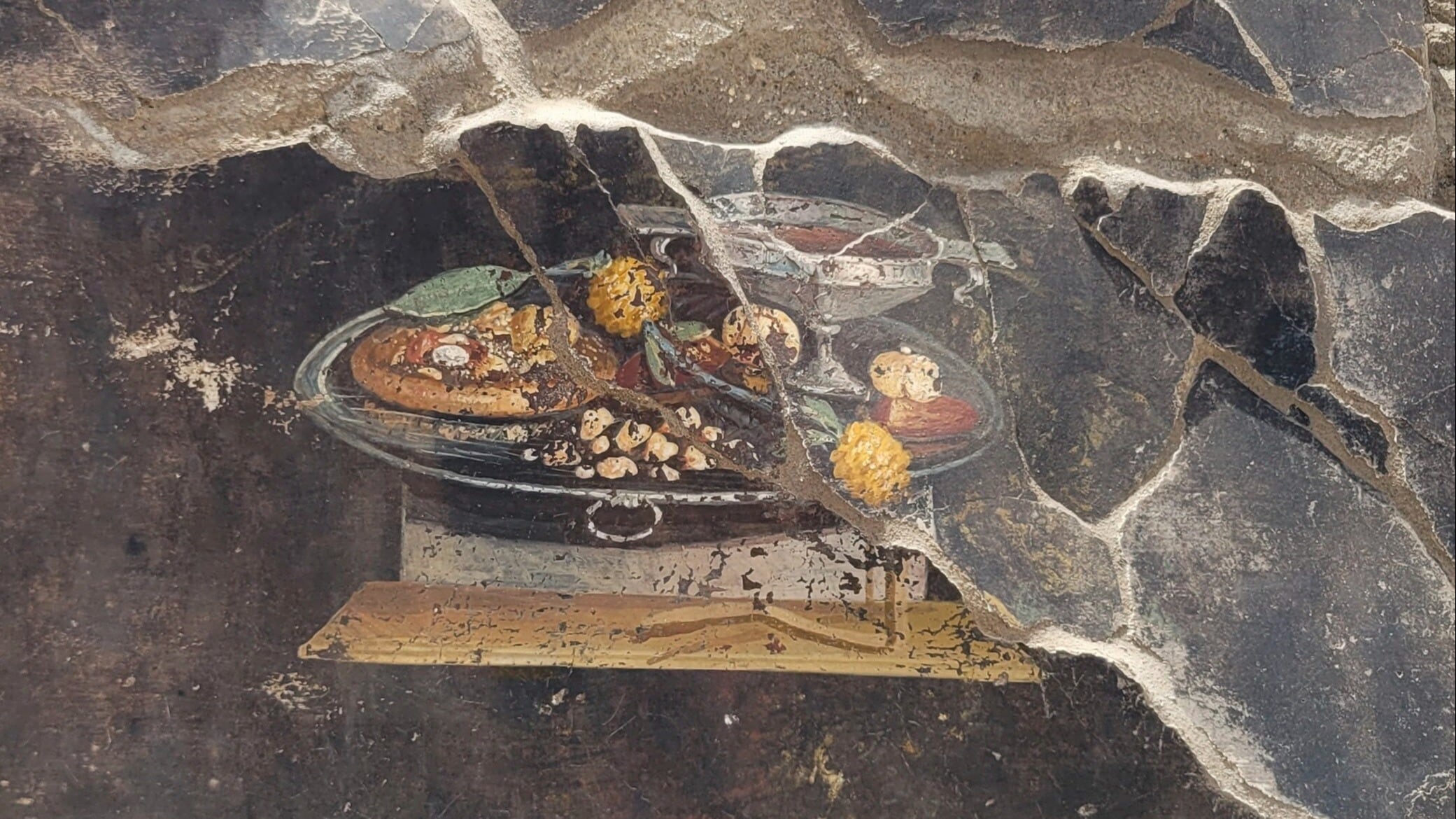
This picture provided on Tuesday, June 27, 2023, by the Pompeii Archaeological Park shows the wall of an ancient Pompeian house with a fresco depicting a table with food. The fresco was found in the atrium of a house in Insula 10 of Regio IX under excavation, to which a bakery was annexed, already partially explored between 1888 and 1891 and whose investigations were resumed last January. (Pompeii Archaeological Park via AP, ho)
A still-life fresco discovered recently in the Pompeii archaeological site looks like a pizza, but it's not, experts at the archaeological site said Tuesday.
They noted that key ingredients needed to make Italy's iconic dish — tomatoes and mozzarella — were not available when the fresco was painted some 2,000 years ago.
Tomatoes were only introduced to Europe from the Americas a few centuries ago, and some histories have it that the discovery of mozzarella led directly to the invention of pizza in nearby Naples in the 1700s.
The image is instead believed to be a focaccia covered with fruit, including pomegranate and possibly dates, finished with spices or a type of pesto, experts said. In the fresco, it is served on a silver plate and a wine chalice stands next to it.
The contrast of the frugal meal served in a luxurious setting, denoted by the silver tray, is not unlike modern-day pizza, “born as a poor-man’s dish in southern Italy, which has won over the world and is served even in starred restaurants," said Gabriel Zuchtriegel, director of the Pompeii archaeological site.
The ancient Roman city of Pompeii was destroyed in the eruption of nearby Mount Vesuvius in 79 A.D. The sudden and deadly event left much of the structure intact, embalmed in volcanic ash, and the site is now a major archaeological project and tourist attraction.
The Coldiretti ag lobby immediately seized on the discovery of the fresco to promote pizza — invented as a quick meal for the working poor — as a national treasure. Today, pizza represents one-third of the food budget of foreign visitors and generates total annual revenues of 15 billion euros ($16.4 billion) in Italy.
The art of the Neapolitan pizzamaker was put on UNESCO’s intangible cultural heritage list in 2017, recognized for its four phases of dough preparation and for being baked exclusively in a wood oven at 485 degrees Celsius (905 degrees Fahrenheit.)
Food technology startup Tender Food raised $12 million in a seed round led by Chris Sacca's Lowercarbon Capital. Tender says it specializes in creating alternative meats with an authentic texture and is on a mission to make alternative meats so delicious, nutritious, and affordable, that eating meat from animals will no longer make sense. Christophe Chantre, co-founder & CEO of Tender Food, joins Cheddar News' Closing Bell to discuss.
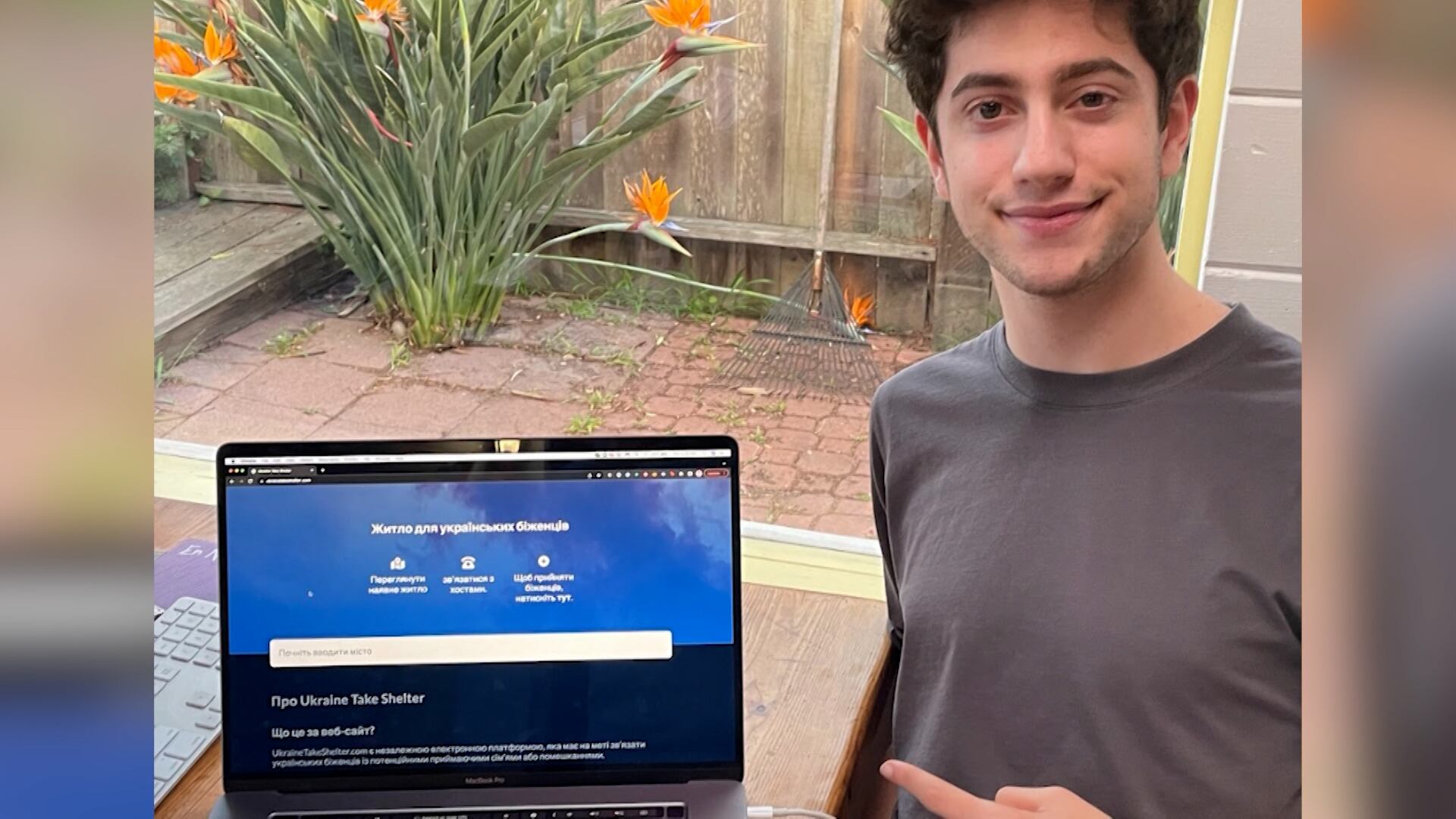
With the number of Ukrainians being displaced due to the Russian invasion surging, two students from Harvard took it on themselves to develop a website to help connect potential hosts with refugees seeking housing. The co-founder of the website Ukraine Takes Shelter, Marco Burstein, joined Cheddar news to discuss working together with fellow freshman Avi Schiffmann to streamline the effort to aid Ukrainian refugees. "We basically worked for three days straight developing the website, and since then the response has been pretty incredible," Burstein said.
Over three weeks ago, WNBA player Brittney Griner was arrested in Russia on drug charges. According to reports, the Star arrived at an airport near Moscow where authorities found Vape cartridges and hashish oil in her luggage. Grindr faces serious charges that could carry a possible sentence of 5-10 years in a Russian prison. Experts warn that Griner's arrest could be used as a bargaining chip. Partner at Stroock & Stroock & Lavan, Thomas Firestone, joined Cheddar to discuss more.
Image-sharing social media platform Pinterest is marking Women's History Month through its Pinterest Elevates program, designed to help grow 10 underrepresented businesses with monetary and strategic support. Alise Marshall, senior global lead for public affairs at Pinterest, joined Cheddar News to explain how the program is helping to uplift women and women of color with businesses of their own. “This was in response to issues that we saw happening in the community, and ways that we thought that we were uniquely positioned to respond," she said.
A new report from the Motion Picture Association highlights how the popularity of streaming services has helped the film industry recover from the pandemic. Matthew Belloni, the host of "The Town" podcast and founding partner of Puck News, joined Cheddar News to discuss the impact of streaming on Hollywood. "For all but the largest tent-pole style blockbuster movies, the future probably is streaming," he said.
In the new comedic film "Linoleum," an Ohio family faces the adventure of a lifetime after a mysterious satellite lands in their yard. The suburban dad, played by comic Jim Gaffigan, takes the opportunity to fulfill his childhood dream of becoming an astronaut by re-building the machine as his very own rocket ship. Gaffigan and co-star Rhea Seehorn joined Cheddar News senior reporter Michelle Castillo at South by Southwest 2022, to chat about the science fiction roles, with the actors noting that they didn't quite understand the jargon. "Jim and I had some late night googling sessions of what we were saying in the, in the scenes, but it was fun," Seehorn said.
The pandemic has turned the world of dating upside down. So what's making daters smile, and what are they looking for in a partner? Cheddar breaks down the findings from eharmony's 2022 Happiness Index study that break down the current state of dating.
Anna Sorokin, the convicted swindler who claimed to be a German heiress to finance a posh lifestyle in New York, is making a new bid to fight deportation, a lawyer said Tuesday.
Director Ava Duvernay and Roberto Patino, both executive producers of the HBO series "DMZ," joined Cheddar News to talk about adapting the comic book about a future American civil war and a dystopian Manhattan. "I think it reflects a couple steps ahead of us. It really contemplates what happens if we can't kind of get our act together and be able to listen to each other and be able to be civil with folks we disagree with," said Duvernay. "It contemplates what's next if we don't kind of right our path."