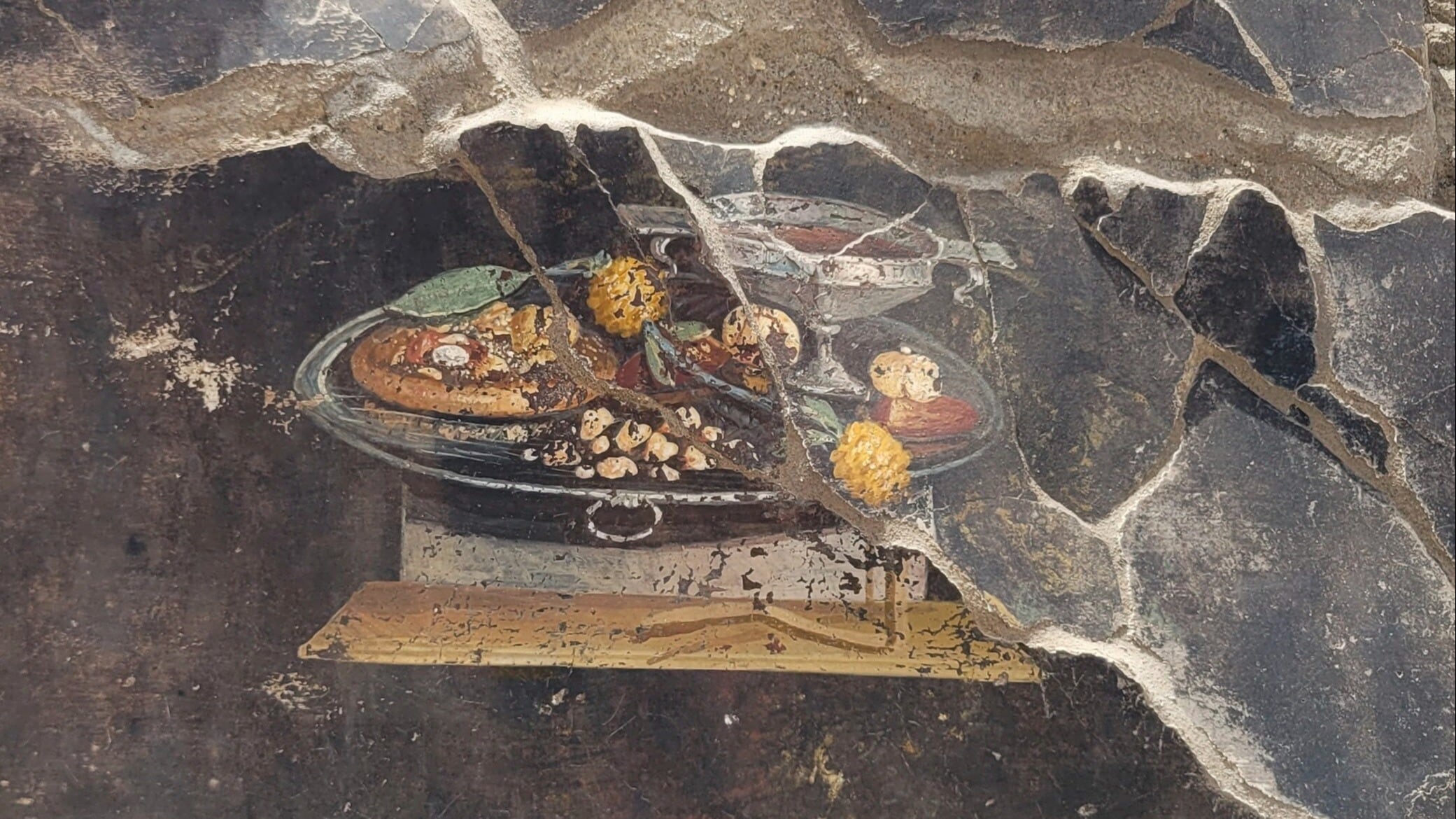
This picture provided on Tuesday, June 27, 2023, by the Pompeii Archaeological Park shows the wall of an ancient Pompeian house with a fresco depicting a table with food. The fresco was found in the atrium of a house in Insula 10 of Regio IX under excavation, to which a bakery was annexed, already partially explored between 1888 and 1891 and whose investigations were resumed last January. (Pompeii Archaeological Park via AP, ho)
A still-life fresco discovered recently in the Pompeii archaeological site looks like a pizza, but it's not, experts at the archaeological site said Tuesday.
They noted that key ingredients needed to make Italy's iconic dish — tomatoes and mozzarella — were not available when the fresco was painted some 2,000 years ago.
Tomatoes were only introduced to Europe from the Americas a few centuries ago, and some histories have it that the discovery of mozzarella led directly to the invention of pizza in nearby Naples in the 1700s.
The image is instead believed to be a focaccia covered with fruit, including pomegranate and possibly dates, finished with spices or a type of pesto, experts said. In the fresco, it is served on a silver plate and a wine chalice stands next to it.
The contrast of the frugal meal served in a luxurious setting, denoted by the silver tray, is not unlike modern-day pizza, “born as a poor-man’s dish in southern Italy, which has won over the world and is served even in starred restaurants," said Gabriel Zuchtriegel, director of the Pompeii archaeological site.
The ancient Roman city of Pompeii was destroyed in the eruption of nearby Mount Vesuvius in 79 A.D. The sudden and deadly event left much of the structure intact, embalmed in volcanic ash, and the site is now a major archaeological project and tourist attraction.
The Coldiretti ag lobby immediately seized on the discovery of the fresco to promote pizza — invented as a quick meal for the working poor — as a national treasure. Today, pizza represents one-third of the food budget of foreign visitors and generates total annual revenues of 15 billion euros ($16.4 billion) in Italy.
The art of the Neapolitan pizzamaker was put on UNESCO’s intangible cultural heritage list in 2017, recognized for its four phases of dough preparation and for being baked exclusively in a wood oven at 485 degrees Celsius (905 degrees Fahrenheit.)
Last year, CD sales grew for the first time since 2004, according to a new Recording Industry Association of America report. CDs were a leading format in the music industry in the 1990s when Spice Girls and TLC had us groovin'. If it feels like you've been hearing more golden oldies lately, you aren't alone. Classic music is having a serious moment, and it isn't likely to change any time soon. Baker Machado takes a closer look at what's driving this shift in the industry.
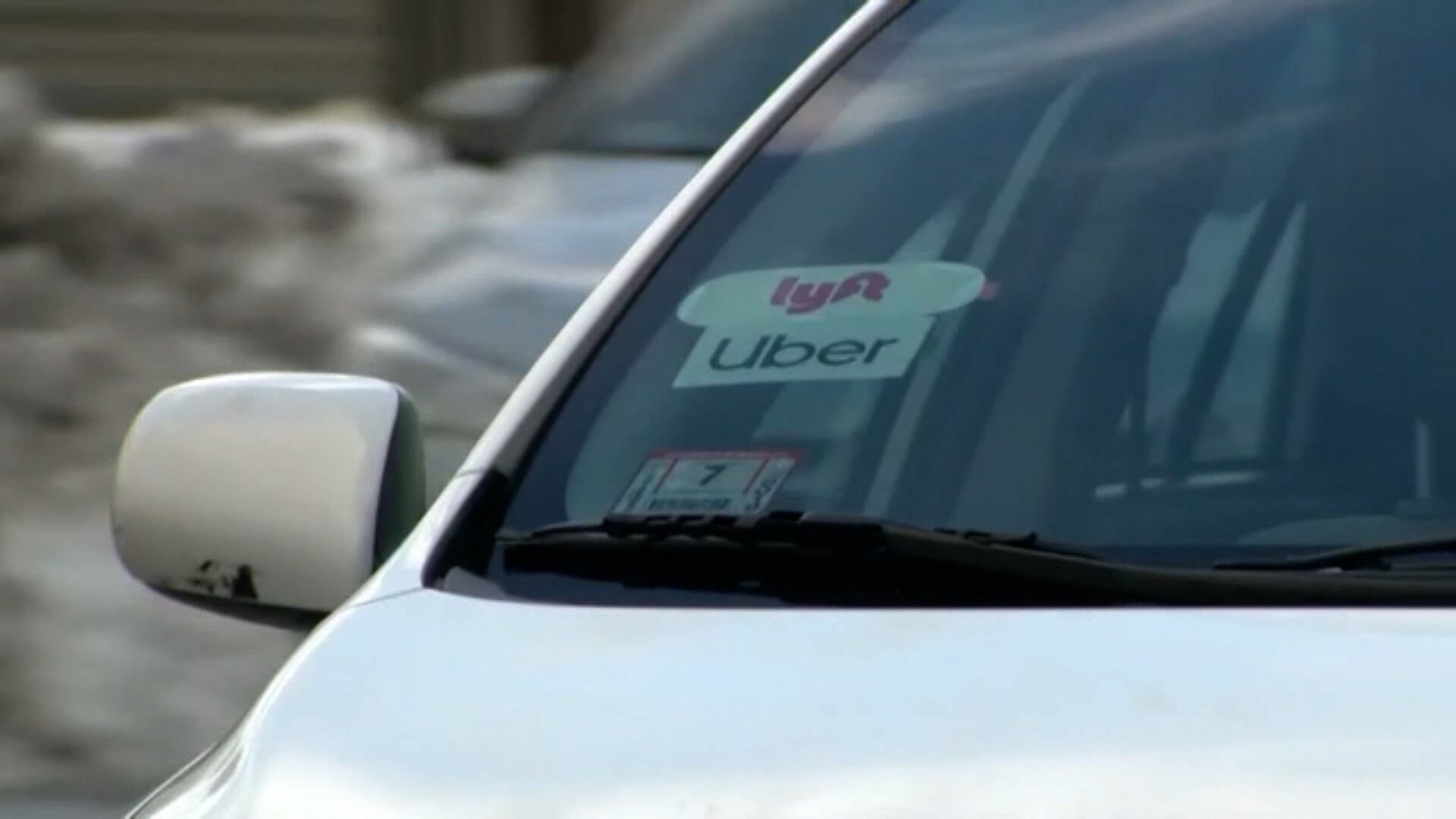
Lisa Whalen, managing director of automotive and mobility analysis at Morning Consult, joins Cheddar News to discuss Uber and Lyft's decision to enact price surcharges on riders.
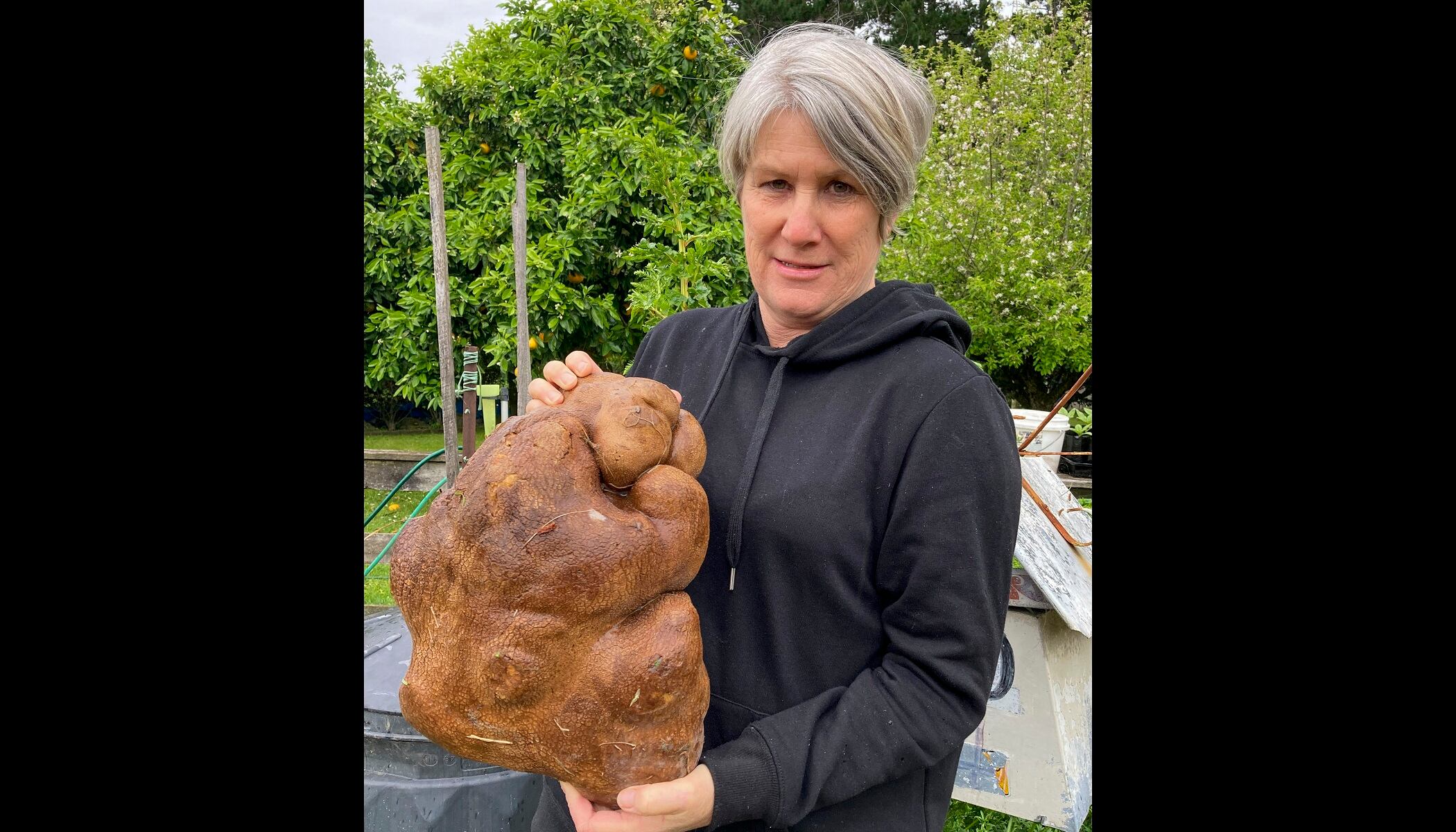
A New Zealand couple who believed they had dug up the world’s largest potato had their dreams turned to mash after Guinness World Records wrote to say that scientific testing had found it wasn’t, in fact, a potato after all.
The Eiffel Tower has grown by six meters (nearly 20 feet) after engineers hoisted a new communications antenna at the very top of France’s most iconic landmark.
Two years into the pandemic, many of us have regained a sense of normalcy. However, those in the healthcare industry are still confronting the virus every day, dealing with the physical, mental and psychological stress of the ongoing pandemic. Ben Mirtes, CFO of Ingenovis Health and Lydia Mobley, a travel nurse with Faststaff, who has spent the last two years going from hotspot to hotspot, joined Cheddar’s Opening Bell to reflect on their experiences in healthcare, and discuss why they are optimistic about a path forward.
Catching you up on what you Need to Know on March 16, 2022, with updates on Ukraine and Russia, a container ship gets stuck in the Chesapeake Bay, Disney employees stage a walkout over the "Don't Say Gay" law in Florida, and NASA completes its first spacewalk of 2022.
Janet Balis, EY Marketing Practice Leader, joins Cheddar News at South by Southwest to break down what exactly the metaverse is, how brands can start to break into this experience, and why to keep the digital divide in mind as the metaverse grows.
Ukraine President Volodymyr Zelenskyy addresses the U.S. Congress today, enough of changing our clocks for Daylight Savings, and the Eiffel Tower gets a few feet taller. Here is all the news you Need2Know for Wednesday, March 16, 2022.