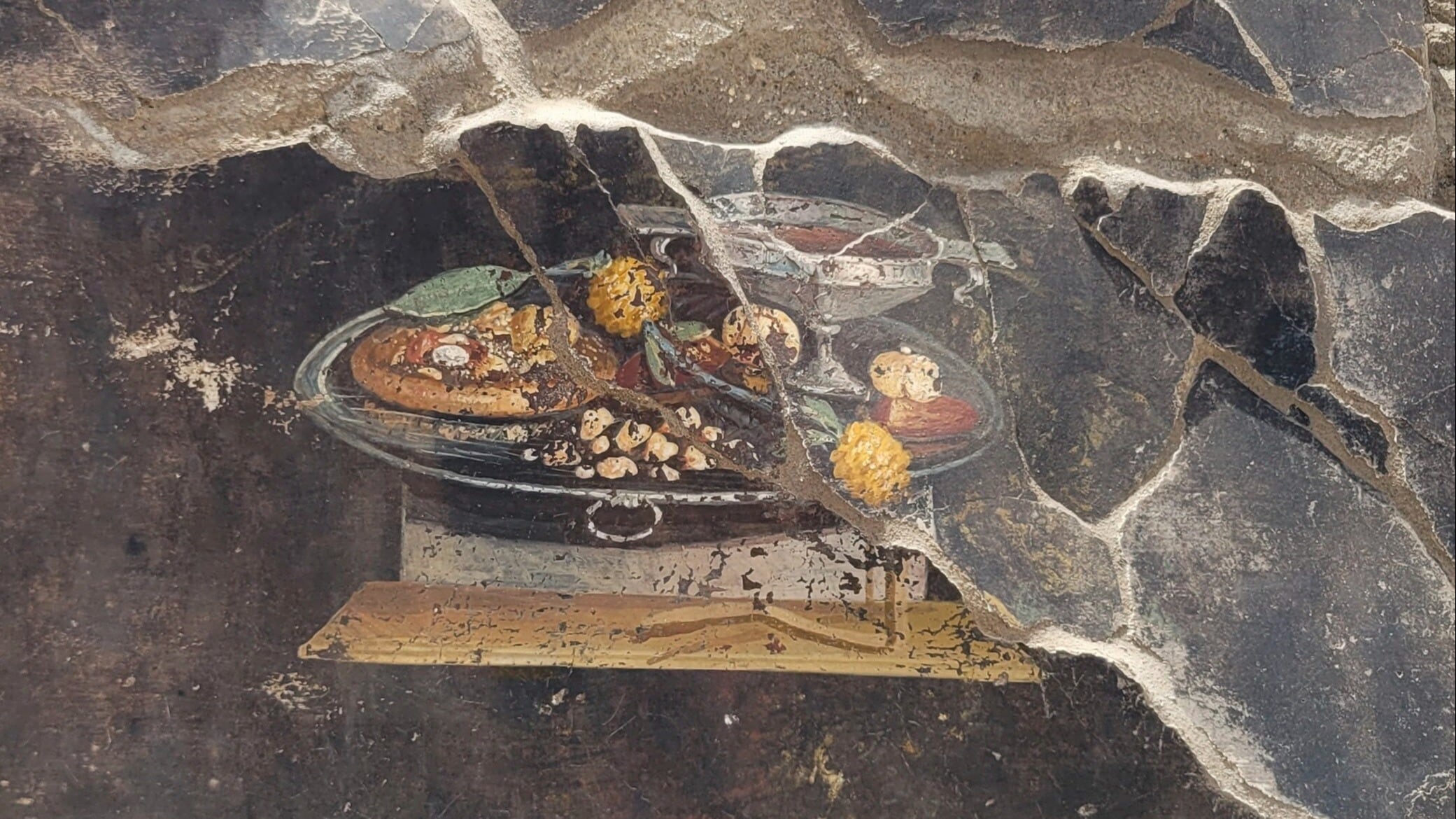
This picture provided on Tuesday, June 27, 2023, by the Pompeii Archaeological Park shows the wall of an ancient Pompeian house with a fresco depicting a table with food. The fresco was found in the atrium of a house in Insula 10 of Regio IX under excavation, to which a bakery was annexed, already partially explored between 1888 and 1891 and whose investigations were resumed last January. (Pompeii Archaeological Park via AP, ho)
A still-life fresco discovered recently in the Pompeii archaeological site looks like a pizza, but it's not, experts at the archaeological site said Tuesday.
They noted that key ingredients needed to make Italy's iconic dish — tomatoes and mozzarella — were not available when the fresco was painted some 2,000 years ago.
Tomatoes were only introduced to Europe from the Americas a few centuries ago, and some histories have it that the discovery of mozzarella led directly to the invention of pizza in nearby Naples in the 1700s.
The image is instead believed to be a focaccia covered with fruit, including pomegranate and possibly dates, finished with spices or a type of pesto, experts said. In the fresco, it is served on a silver plate and a wine chalice stands next to it.
The contrast of the frugal meal served in a luxurious setting, denoted by the silver tray, is not unlike modern-day pizza, “born as a poor-man’s dish in southern Italy, which has won over the world and is served even in starred restaurants," said Gabriel Zuchtriegel, director of the Pompeii archaeological site.
The ancient Roman city of Pompeii was destroyed in the eruption of nearby Mount Vesuvius in 79 A.D. The sudden and deadly event left much of the structure intact, embalmed in volcanic ash, and the site is now a major archaeological project and tourist attraction.
The Coldiretti ag lobby immediately seized on the discovery of the fresco to promote pizza — invented as a quick meal for the working poor — as a national treasure. Today, pizza represents one-third of the food budget of foreign visitors and generates total annual revenues of 15 billion euros ($16.4 billion) in Italy.
The art of the Neapolitan pizzamaker was put on UNESCO’s intangible cultural heritage list in 2017, recognized for its four phases of dough preparation and for being baked exclusively in a wood oven at 485 degrees Celsius (905 degrees Fahrenheit.)
Sarah Kellogg Neff, CEO of The Lactation Network, joins ChedHER to discuss how they are expanding access to lactation support for families nationwide, and some of the struggles new families face during the fourth trimester.
Award-winning journalist, entrepreneur, and host Soledad O'Brien spoke to Cheddar about empowering women through her own podcast on financial literacy this Women's History Month.
President Bident talks to President Xi about Ukraine, rising COVID cases in Europe have U.S. officials concerned, and a deal is putting DoorDash against actual Girl Scouts for GS cookie sales. Here is all the news you Need2Know for Friday. March 18, 2022.
March Nadness is officially underway, and betting on this year's tournament has the potential to reach record levels. About 45 million Americans are expected to wager a total of $3.1 billion on just the men's tournament alone, according to a new survey from the American Gaming Association. Prince Grimes, Senior Writer for USA Today's sports betting media property, BetFTW, joins Cheddar News' Closing Bell to discuss how betting could play into this year's tournament and other storylines surrounding March Madness.
Medical cannabis company Akanda went public this week in what was the first traditional IPO of the month. Shares jumped about 163% in the stock's first day of trading. The London-based company says it hopes to supply medical cannabis products to wholesalers in international markets. Tej Virk, CEO of Akanda, joins Cheddar News' Closing Bell to discuss.
Software company Akeneo CEO Fred De Gombert joined Closing Bell to discuss its recently closed Series D funding round raising $135 million in its quest to redefine product information management. De Gombert said the company is set out to improve the product information category by harnessing the power of data, which comes at a time where customer behavior has shifted in the pandemic era. "We are more and more demanding as consumers when we are shopping online or even offline. We are looking for more and more information," De Gombert said.
Sara Bareilles and Busy Philipps join Cheddar News at South by Southwest in Austin, Texas. The two actors talk all about their Peacock comedy series 'Girls5eva.'
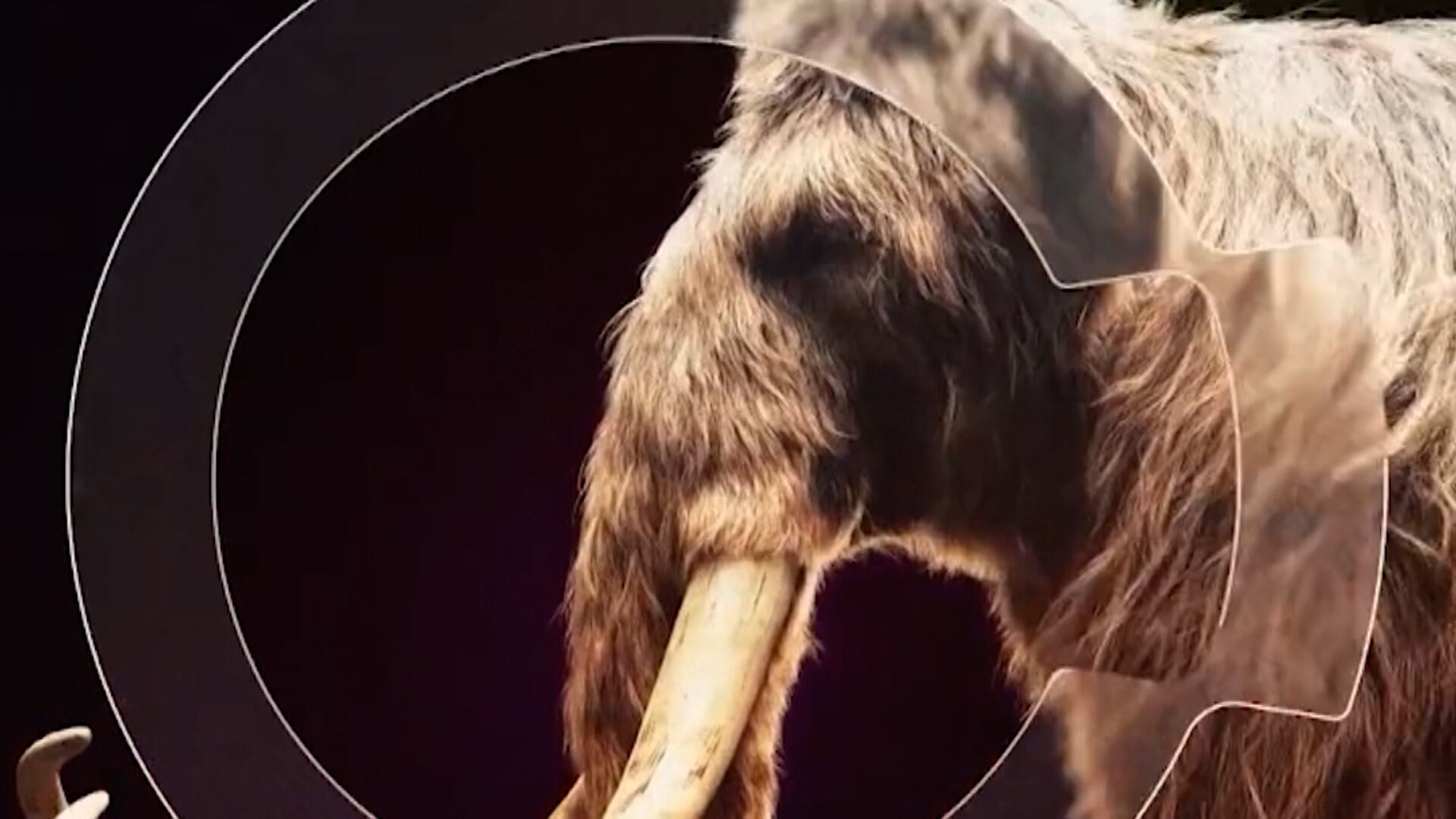
Bioscience and genetic engineering company, Colossal, raised $60 million in a Series A funding round. Colossal is focused on developing new technologies and genetic tools to restore extinct species, and protect critically endangered species. One of the startup's long-term goals is to resurrect the woolly mammoth, and return it back to the arctic. Colossal also says it is developing technology that expands beyond animals, and has the potential to advance human health. Ben Lamm, co-founder and CEO of Colossal, joins Cheddar News' Closing Bell to discuss.
After a two-year hiatus, the New York City St. Patrick’s Day parade up Fifth Avenue in Manhattan made its triumphant return. More than 150,000 people turned up to celebrate the day even through bad weather.