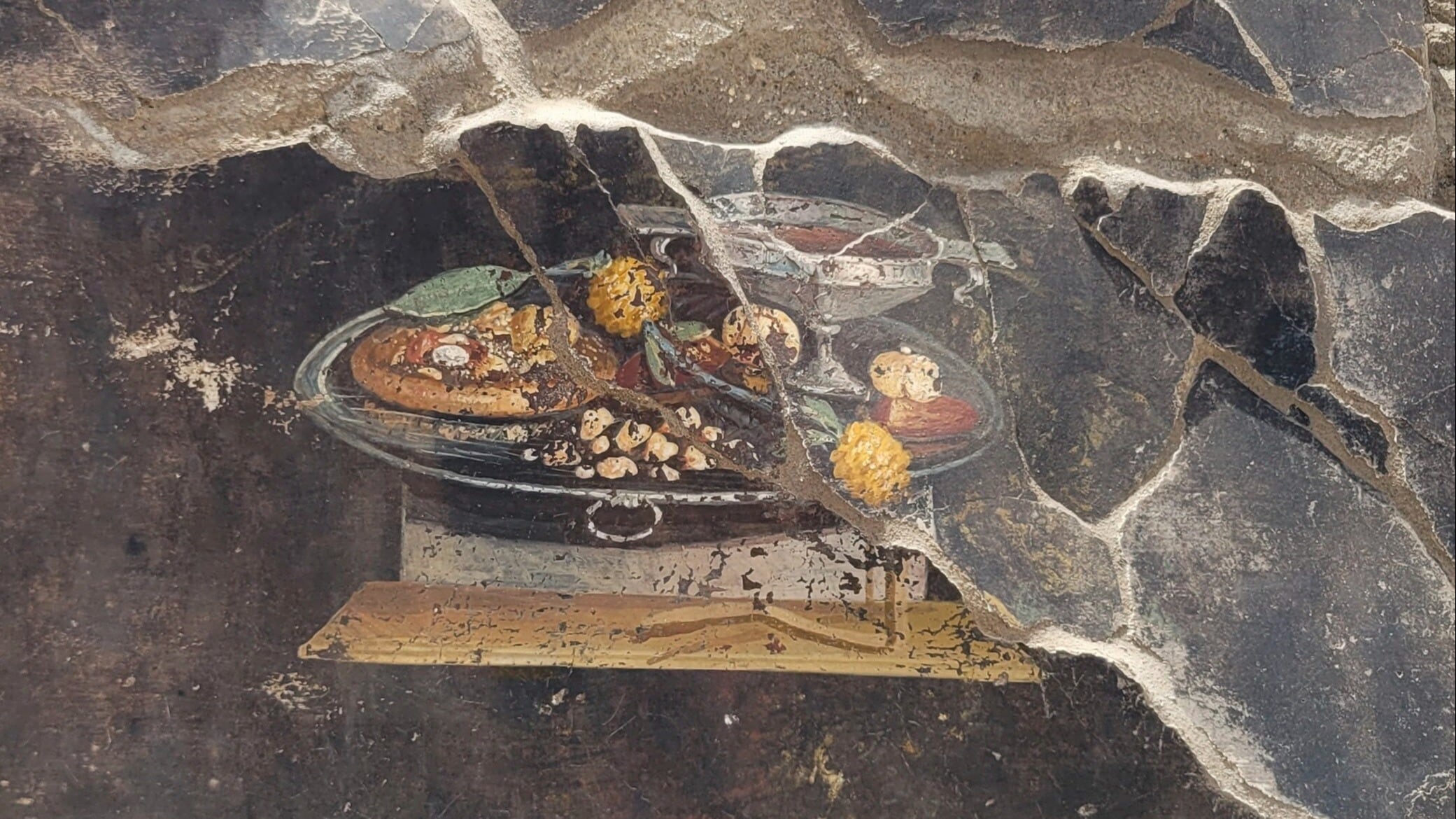
This picture provided on Tuesday, June 27, 2023, by the Pompeii Archaeological Park shows the wall of an ancient Pompeian house with a fresco depicting a table with food. The fresco was found in the atrium of a house in Insula 10 of Regio IX under excavation, to which a bakery was annexed, already partially explored between 1888 and 1891 and whose investigations were resumed last January. (Pompeii Archaeological Park via AP, ho)
A still-life fresco discovered recently in the Pompeii archaeological site looks like a pizza, but it's not, experts at the archaeological site said Tuesday.
They noted that key ingredients needed to make Italy's iconic dish — tomatoes and mozzarella — were not available when the fresco was painted some 2,000 years ago.
Tomatoes were only introduced to Europe from the Americas a few centuries ago, and some histories have it that the discovery of mozzarella led directly to the invention of pizza in nearby Naples in the 1700s.
The image is instead believed to be a focaccia covered with fruit, including pomegranate and possibly dates, finished with spices or a type of pesto, experts said. In the fresco, it is served on a silver plate and a wine chalice stands next to it.
The contrast of the frugal meal served in a luxurious setting, denoted by the silver tray, is not unlike modern-day pizza, “born as a poor-man’s dish in southern Italy, which has won over the world and is served even in starred restaurants," said Gabriel Zuchtriegel, director of the Pompeii archaeological site.
The ancient Roman city of Pompeii was destroyed in the eruption of nearby Mount Vesuvius in 79 A.D. The sudden and deadly event left much of the structure intact, embalmed in volcanic ash, and the site is now a major archaeological project and tourist attraction.
The Coldiretti ag lobby immediately seized on the discovery of the fresco to promote pizza — invented as a quick meal for the working poor — as a national treasure. Today, pizza represents one-third of the food budget of foreign visitors and generates total annual revenues of 15 billion euros ($16.4 billion) in Italy.
The art of the Neapolitan pizzamaker was put on UNESCO’s intangible cultural heritage list in 2017, recognized for its four phases of dough preparation and for being baked exclusively in a wood oven at 485 degrees Celsius (905 degrees Fahrenheit.)
Jason Nichols, senior lecturer in the African American Studies Department at the University of Maryland, joins Cheddar News to discuss the mixed reaction following the Academy banning Will Smith.
Christine Doig, director of product innovation at Netflix, joins Cheddar News to discuss the streamers interactive content and its new Two Thumbs Up feature.
Catching you up on what you need to know on April 11, 2022, with updates on the Russia-Ukraine War, France’s presidential election, the record deforestation of the Amazon Rainforest, retail giant Amazon's objection to the Staten Island union vote, the worsening baby formula shortage, a lawsuit against Rutgers Law School, and a stomach illness possibly linked to Lucky Charms cereal.
A Texas D.A. drops a murder charge related to a "self-induced abortion," Elon Musk drops Twitter's board, and the Master's hands out a new green jacket. Here is all the news you Need2Know for Monday, April 11, 2022.
Between Bells executive producer Conor White recaps some of the biggest stories of the week, and teaches Baker Machado and Hena Doba a thing or two at the same time. It's This Week In Trivia!
Actor Kate Walsh spoke to Cheddar News about her return for a guest appearance on the long-running hit show "Grey's Anatomy. Along with her reacquainting herself with the role of Dr. Addison Montgomery, Walsh also discussed her work as Madeline on "Emily in Paris," and answered the question of what's more difficult: medical jargon or deliberately bad French.
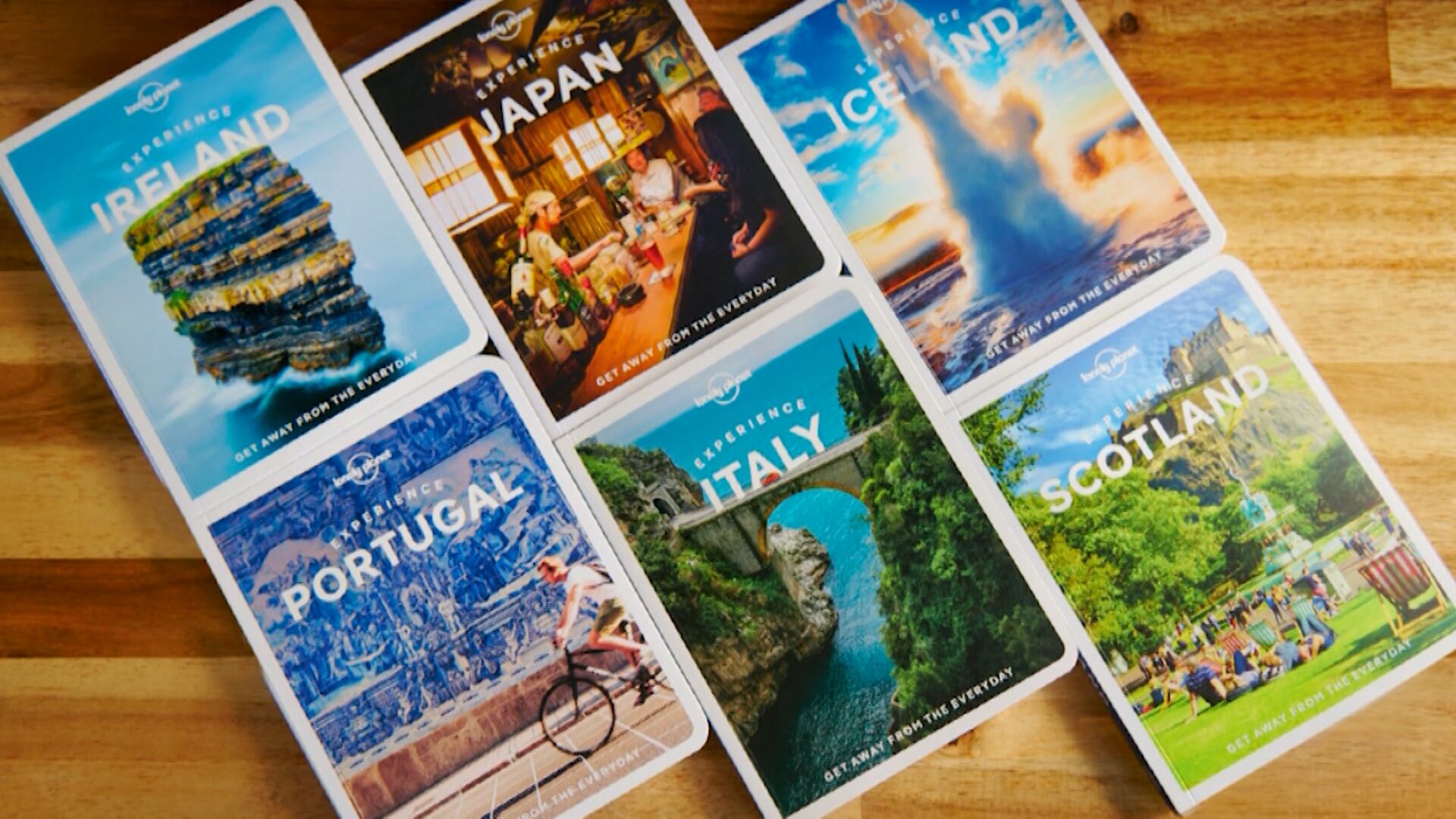
Lonely Planet is looking to provide tech-savvy travelers with the building blocks to plan their own trips in a new travel experience series. Sebastian Modak, editor-at-large for Lonely Planet, joined Cheddar News to discuss its travel planning innovation. "We’re really offering new perspectives on these places and new approaches to experiencing them," Modak said.