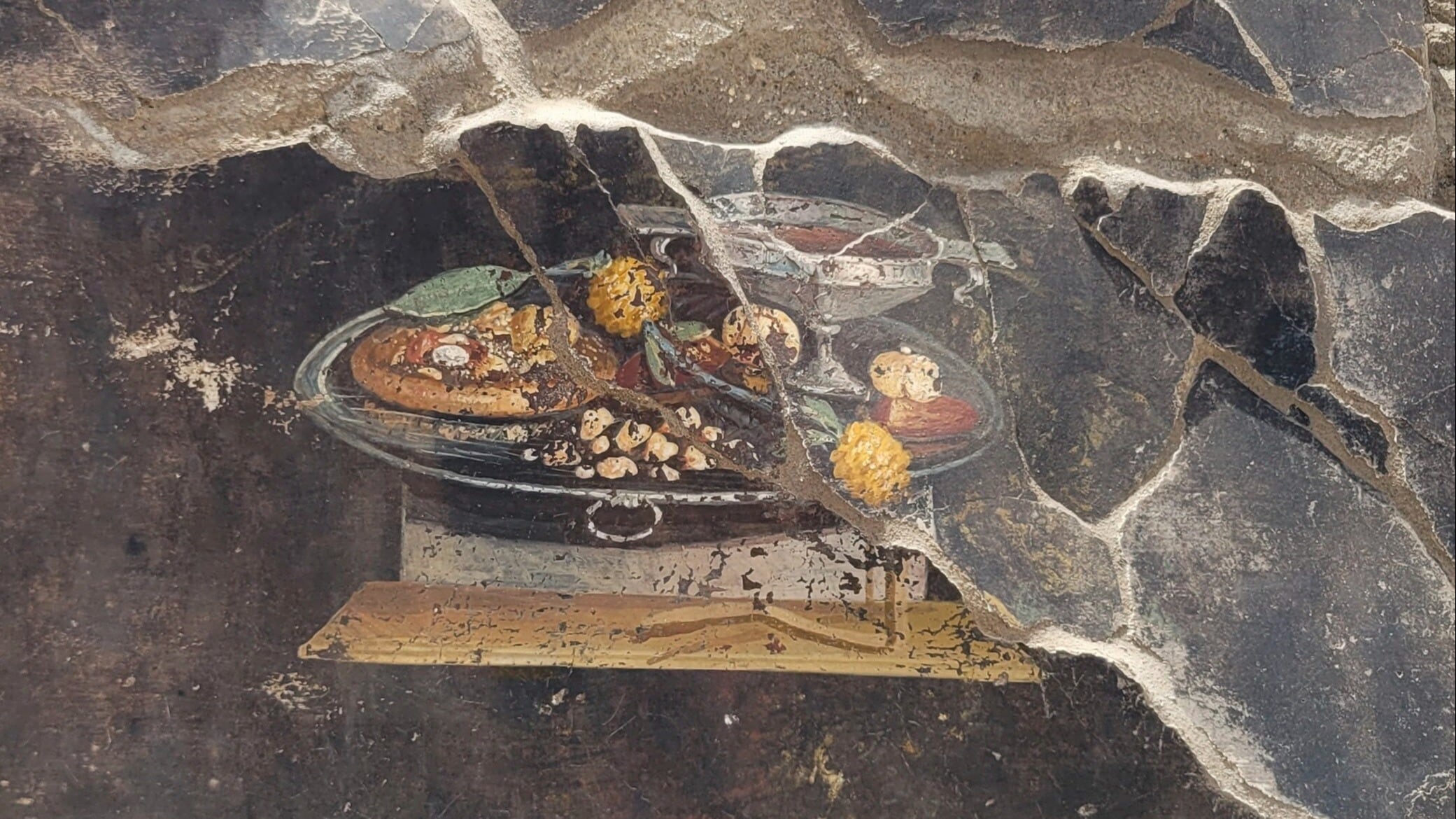
This picture provided on Tuesday, June 27, 2023, by the Pompeii Archaeological Park shows the wall of an ancient Pompeian house with a fresco depicting a table with food. The fresco was found in the atrium of a house in Insula 10 of Regio IX under excavation, to which a bakery was annexed, already partially explored between 1888 and 1891 and whose investigations were resumed last January. (Pompeii Archaeological Park via AP, ho)
A still-life fresco discovered recently in the Pompeii archaeological site looks like a pizza, but it's not, experts at the archaeological site said Tuesday.
They noted that key ingredients needed to make Italy's iconic dish — tomatoes and mozzarella — were not available when the fresco was painted some 2,000 years ago.
Tomatoes were only introduced to Europe from the Americas a few centuries ago, and some histories have it that the discovery of mozzarella led directly to the invention of pizza in nearby Naples in the 1700s.
The image is instead believed to be a focaccia covered with fruit, including pomegranate and possibly dates, finished with spices or a type of pesto, experts said. In the fresco, it is served on a silver plate and a wine chalice stands next to it.
The contrast of the frugal meal served in a luxurious setting, denoted by the silver tray, is not unlike modern-day pizza, “born as a poor-man’s dish in southern Italy, which has won over the world and is served even in starred restaurants," said Gabriel Zuchtriegel, director of the Pompeii archaeological site.
The ancient Roman city of Pompeii was destroyed in the eruption of nearby Mount Vesuvius in 79 A.D. The sudden and deadly event left much of the structure intact, embalmed in volcanic ash, and the site is now a major archaeological project and tourist attraction.
The Coldiretti ag lobby immediately seized on the discovery of the fresco to promote pizza — invented as a quick meal for the working poor — as a national treasure. Today, pizza represents one-third of the food budget of foreign visitors and generates total annual revenues of 15 billion euros ($16.4 billion) in Italy.
The art of the Neapolitan pizzamaker was put on UNESCO’s intangible cultural heritage list in 2017, recognized for its four phases of dough preparation and for being baked exclusively in a wood oven at 485 degrees Celsius (905 degrees Fahrenheit.)
Catching you up on what you need to know on April 19, 2022, with a federal judge voiding mask mandates on public transportation, updates from the Russia and Ukraine war, Mac Miller’s drug dealer sentenced for involvement in the rapper's death, and more.
The 1993 historical drama 'Schindler's List' tells the story of a Nazi party member who helped thousands of Polish Jewish refugees escape death during the Holocaust. Today, Ukrainians are living a very similar reality as Russia continues to invade, and refugees are fleeing for safety. Oliwia Dabrowska was three years old when she became an integral part of "Schindler's List." You'll remember her as "the little girl in the red coat" representing a symbol of hope. Today she's 32 years old living in Poland and once again representing hope for refugees. Dabrowska joins Cheddar News to discuss her experience and tell viewers how to help.
As TikTok grows in popularity, so does its ad revenue potential. Research firm Insider Intelligence forecasts the app's revenue will likely triple in 2022 to more than $11 billion, putting it past the sales of both Twitter and Snapchat combined. Cheddar News takes a closer look.
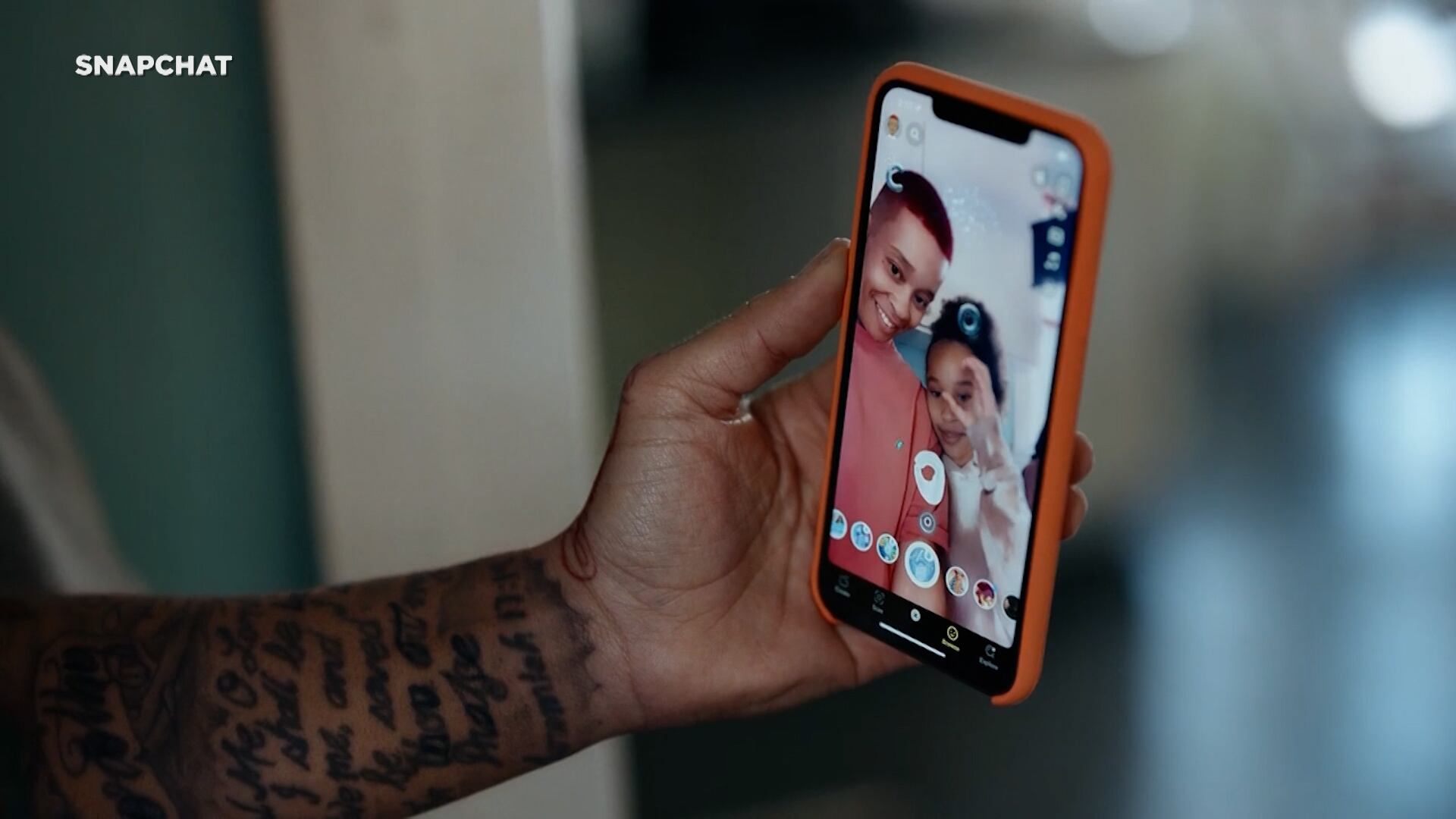
Snapchat has launched its first features to help users learn American Sign Language through its lenses and a game. The project was spearheaded by deaf and hard-of-hearing workers. Cheddar News was joined by Austin Vaday, software engineer at Snap, and his sign language interpreter, Jonathan Webb, to discuss the ASL Fingerspelling Lens and how the project came together. “We wanted to find a way to appropriately and properly educate the community so that folks can communicate with people like me using sign language," Vaday stated.
The new Netflix documentary "White Hot: The Rise & Fall of Abercrombie & Fitch" dives into how the once apparel retailer used an exclusionary business model, focusing on the "popular and cool kids," to thrive for years until its discriminatory culture and practices led to a consumer backlash. Anthony Ocampo, a professor of sociology at Cal Poly Pomona and former Abercrombie & Fitch employee, and Ben O’Keefe, a social change activist and head of diversity and impact production at Creator+, discussed the film and the retailer's rebranding in light of many allegations brought against it. "I got a job at Abercrombie & Fitch, and I worked there for a couple of weeks. But then when I went back to that same store after the academic year ended to get my job back, I was told by someone, I'm sorry, we can't rehire you because we already had too many Filipinos working at this store," Ocampo said.
Mona Shaikh, stand-up comedian and host of 'Minority Reportz,' joins Cheddar News to discuss her recent guest column in The Hollywood Reporter titled "Blame Louis C.K.'s Grammy Comeback on Comedy's Gatekeepers."
Mark Murrell, founder and CEO of Get Maine Lobster, joins Cheddar News to discuss the launch of the company's NFT, which is inspired by a cotton candy lobster named Haddie.