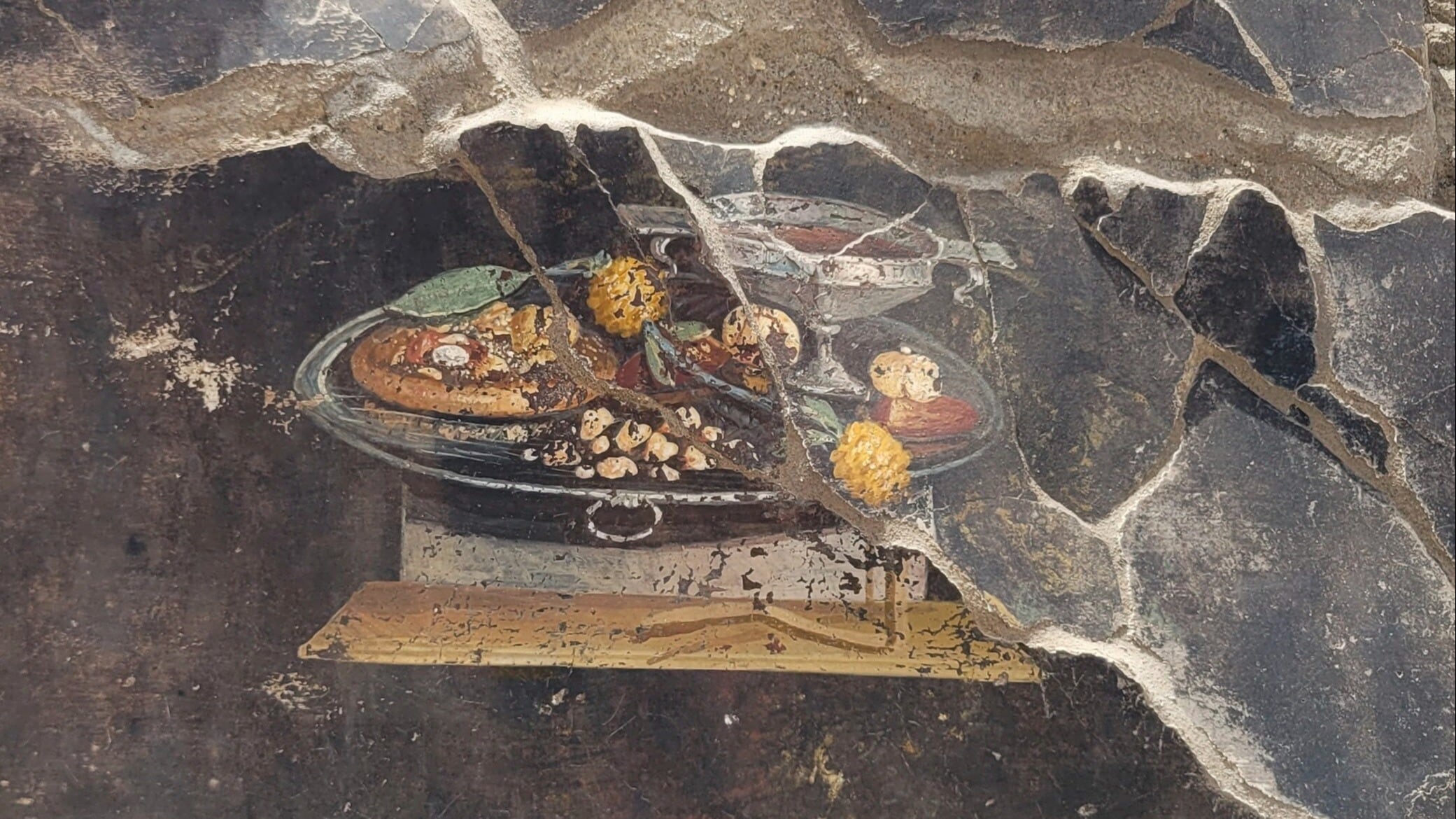
This picture provided on Tuesday, June 27, 2023, by the Pompeii Archaeological Park shows the wall of an ancient Pompeian house with a fresco depicting a table with food. The fresco was found in the atrium of a house in Insula 10 of Regio IX under excavation, to which a bakery was annexed, already partially explored between 1888 and 1891 and whose investigations were resumed last January. (Pompeii Archaeological Park via AP, ho)
A still-life fresco discovered recently in the Pompeii archaeological site looks like a pizza, but it's not, experts at the archaeological site said Tuesday.
They noted that key ingredients needed to make Italy's iconic dish — tomatoes and mozzarella — were not available when the fresco was painted some 2,000 years ago.
Tomatoes were only introduced to Europe from the Americas a few centuries ago, and some histories have it that the discovery of mozzarella led directly to the invention of pizza in nearby Naples in the 1700s.
The image is instead believed to be a focaccia covered with fruit, including pomegranate and possibly dates, finished with spices or a type of pesto, experts said. In the fresco, it is served on a silver plate and a wine chalice stands next to it.
The contrast of the frugal meal served in a luxurious setting, denoted by the silver tray, is not unlike modern-day pizza, “born as a poor-man’s dish in southern Italy, which has won over the world and is served even in starred restaurants," said Gabriel Zuchtriegel, director of the Pompeii archaeological site.
The ancient Roman city of Pompeii was destroyed in the eruption of nearby Mount Vesuvius in 79 A.D. The sudden and deadly event left much of the structure intact, embalmed in volcanic ash, and the site is now a major archaeological project and tourist attraction.
The Coldiretti ag lobby immediately seized on the discovery of the fresco to promote pizza — invented as a quick meal for the working poor — as a national treasure. Today, pizza represents one-third of the food budget of foreign visitors and generates total annual revenues of 15 billion euros ($16.4 billion) in Italy.
The art of the Neapolitan pizzamaker was put on UNESCO’s intangible cultural heritage list in 2017, recognized for its four phases of dough preparation and for being baked exclusively in a wood oven at 485 degrees Celsius (905 degrees Fahrenheit.)
On this episode of Cheddar Innovates: Kemtai Co-Founder breaks down how computer vision and artificial intelligence can improve your workout form; Wove Co-Founder explains how it's creating a one-of-a-kind engagement ring design process; A look at Curiosity Stream's 'History By The Numbers.'
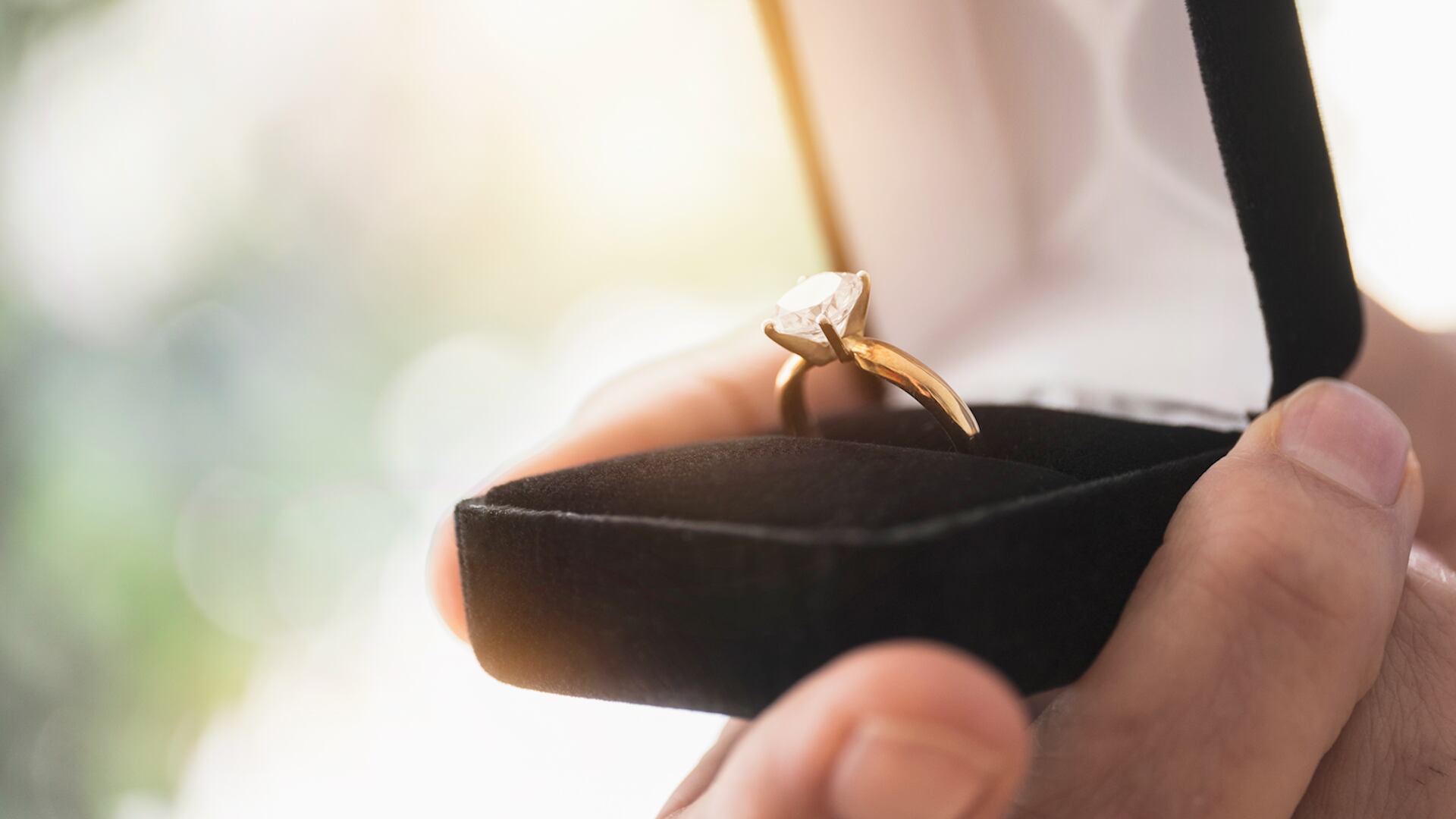
Andrew Wolgemuth, Co-Founder at Wove, joins Cheddar Innovates to discuss Wove's unique engagement ring design process, which includes 3D printing replica rings, and the latest trends in the engagement ring industry.
Cheddar News explores perhaps the most divisive topic in American politics: abortion. The Supreme Court may change access in America with not just one but two major cases on its current docket so we traveled across the country to get viewpoints from both sides. Check out what we found as Megan Pratz hosts this full episode of 'Abortion in America.'
Jill and Carlo discuss what appears to be the beginning of the end of Roe v. Wade, another victim dies following the school shooting in Michigan, Omicron in the U.S., Trump's Covid chronology and more.
Wave Neuroscience announced a new collaboration with Wounded Warrior Project (WWP) to provide Braincare services to Active-Duty Service Members and Veterans. Operation Synchrony is a one-month, outpatient program focused on restoring and optimizing neuronal function utilizing individualized neuromodulation. Dr. Erik Won, president & chief medical officer of Wave Neuroscience and Alex Balbir, director of independence services at Wounded Warrior Project joins Cheddar News to discuss.
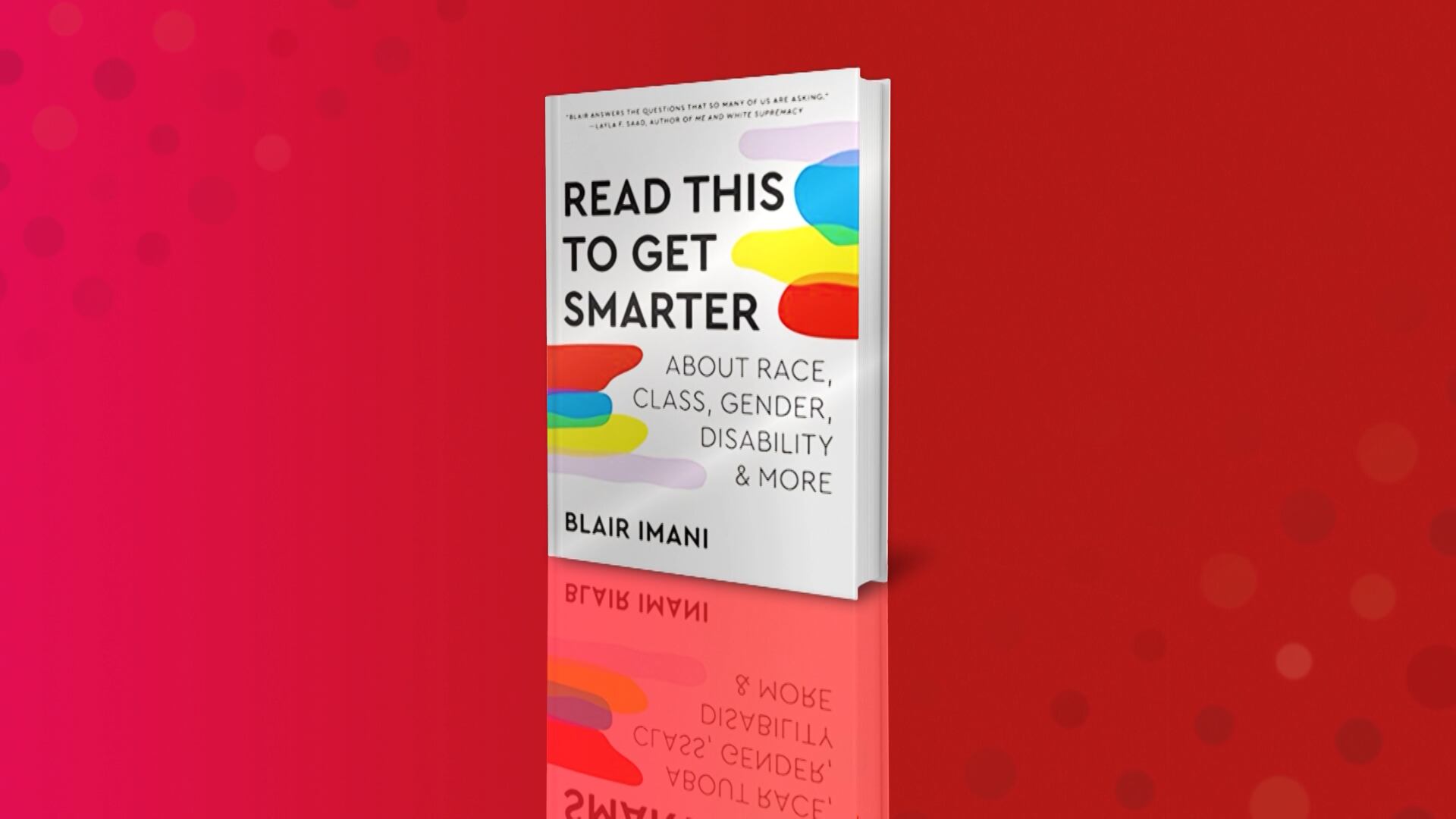
A new book is looking to help people talk about race by educating them on the appropriate way to do it. 'Read This to Get Smarter: About Race, Class, Gender, Disability and More' is a non-judgmental guide structured in a way for readers who are just starting their journey or those already versed in social justice to follow. Blair Imani, author of 'Read This to Get Smarter joins Cheddar News to discuss the book.
Lauren Brody, author and founder of The Fifth Trimester joins Cheddar News to discuss the state of working mothers in America and how many women are feeling the pressure this pandemic has caused.
The nine justices heard arguments Wednesday, around a Mississippi abortion law that bans the procedure after 15 weeks and appeared to lean toward upholding the law, while leaving uncertainty about the landmark precedent, Roe v. Wade. Kristin Ford, vice president of communications and research at NARAL Pro-Choice America joins Cheddar News to discuss.