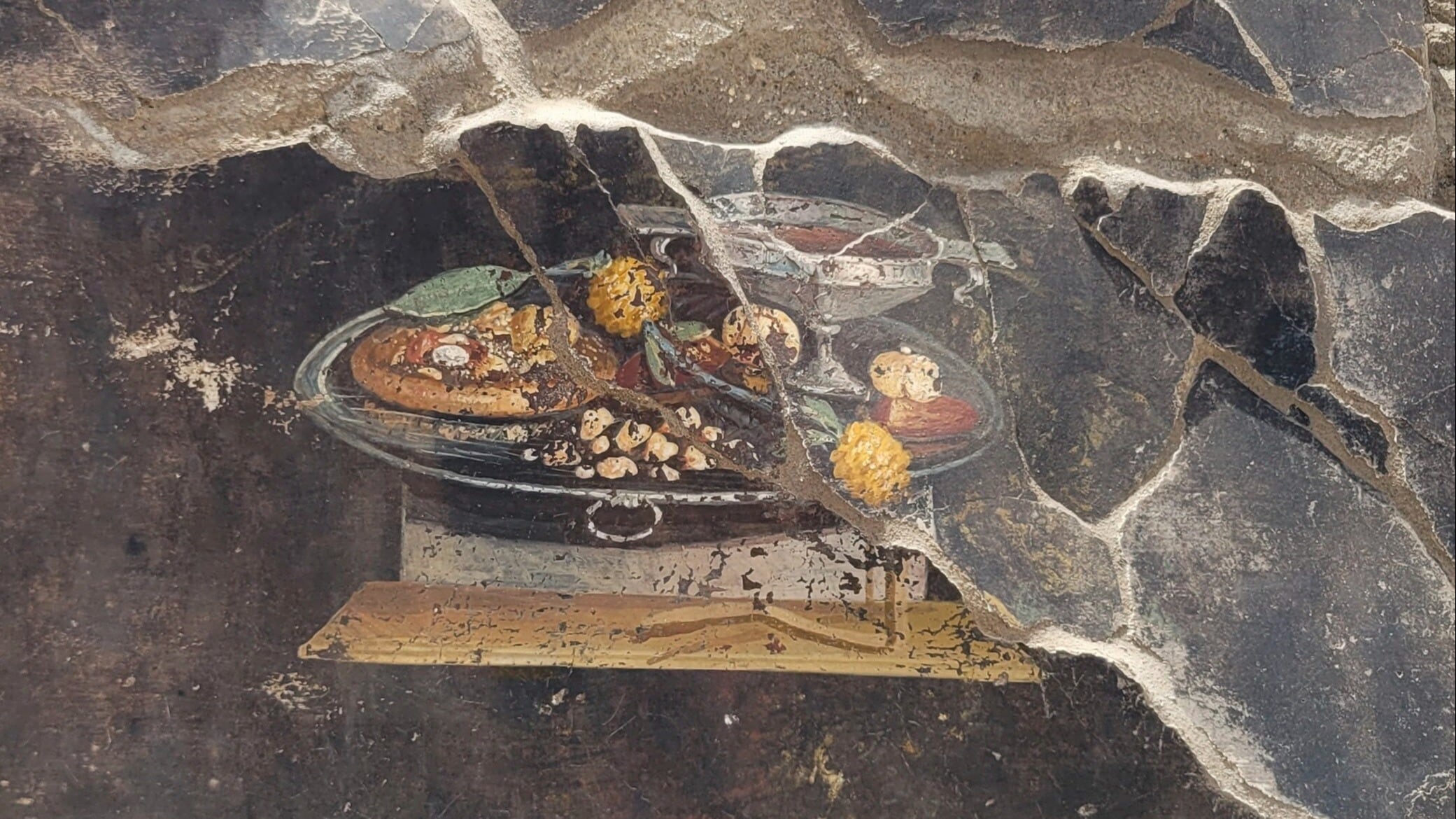
This picture provided on Tuesday, June 27, 2023, by the Pompeii Archaeological Park shows the wall of an ancient Pompeian house with a fresco depicting a table with food. The fresco was found in the atrium of a house in Insula 10 of Regio IX under excavation, to which a bakery was annexed, already partially explored between 1888 and 1891 and whose investigations were resumed last January. (Pompeii Archaeological Park via AP, ho)
A still-life fresco discovered recently in the Pompeii archaeological site looks like a pizza, but it's not, experts at the archaeological site said Tuesday.
They noted that key ingredients needed to make Italy's iconic dish — tomatoes and mozzarella — were not available when the fresco was painted some 2,000 years ago.
Tomatoes were only introduced to Europe from the Americas a few centuries ago, and some histories have it that the discovery of mozzarella led directly to the invention of pizza in nearby Naples in the 1700s.
The image is instead believed to be a focaccia covered with fruit, including pomegranate and possibly dates, finished with spices or a type of pesto, experts said. In the fresco, it is served on a silver plate and a wine chalice stands next to it.
The contrast of the frugal meal served in a luxurious setting, denoted by the silver tray, is not unlike modern-day pizza, “born as a poor-man’s dish in southern Italy, which has won over the world and is served even in starred restaurants," said Gabriel Zuchtriegel, director of the Pompeii archaeological site.
The ancient Roman city of Pompeii was destroyed in the eruption of nearby Mount Vesuvius in 79 A.D. The sudden and deadly event left much of the structure intact, embalmed in volcanic ash, and the site is now a major archaeological project and tourist attraction.
The Coldiretti ag lobby immediately seized on the discovery of the fresco to promote pizza — invented as a quick meal for the working poor — as a national treasure. Today, pizza represents one-third of the food budget of foreign visitors and generates total annual revenues of 15 billion euros ($16.4 billion) in Italy.
The art of the Neapolitan pizzamaker was put on UNESCO’s intangible cultural heritage list in 2017, recognized for its four phases of dough preparation and for being baked exclusively in a wood oven at 485 degrees Celsius (905 degrees Fahrenheit.)
With so many high-profile court cases taking over the media, from the trial over the murder of Ahmaud Arbery to the trial of Kyle Rittenhouse to the ongoing Elizabeth Holmes trial, Cheddar took a look at these cases and why there is such a big interest in them. Rachel Fiset, a white collar criminal defense lawyer and partner with Zeiback, Fiset, and Coleman, and Bryan Hance, attorney-at-law, professor, and academic program director of the pre-law and paralegal studies program at National University, joined Cheddar for a roundtable discussion on why there is so much public interest in so-called courtroom drama.
2022 is just around the corner and one of the world's most famous trendspotters says that there is a wide-ranging mix of trends coming up in the new year that could impact businesses, culture, and our society at large.
Trendspotter and cultural zeitgeist analyst Marian Salzman, joined Cheddar to discuss more.
Spotify has just officially released its 2021 'Wrapped'. For the past few years, the streaming giant has been presenting customers with their listening habits from the prior year, including favorite artists, most listened to the genre, podcasts, songs you name it. However, critics say this method just shows how apps can collect our data. CEO of Prevailion Karim Hijazi, joined Cheddar to discuss more.
Recent internal documents obtained by the New York Times reveal how exactly TikTok's algorithm works. The report highlights how the app is mainly focused on retaining two metrics which are retention and time spent. In addition, the document titled, "TikTok Algo 101" details how the algorithm understands human nature from when we get bored to our sensitivity and culture ques. It means the app monitors will kind of videos you like. Professor of Computer Science at the University of California in San Diego Julian McCauley, joined Cheddar to discuss more.
According to a recent study by a group of international researchers, artificial intelligence can predict new illegal drugs before they hit the streets. This method could help save lives and fight crime. Professor of Computing Science at the University of Alberta, joined Cheddar to discuss more.
Carlo and Baker discuss the sweeping new vaccine mandate in NYC that will target all private businesses. Plus, Trump's media venture gets its CEO and more.
A lockout is now in place for Major League Baseball. The collective bargaining agreement between the league and players association expired at 11:59 p.m. Wednesday night.
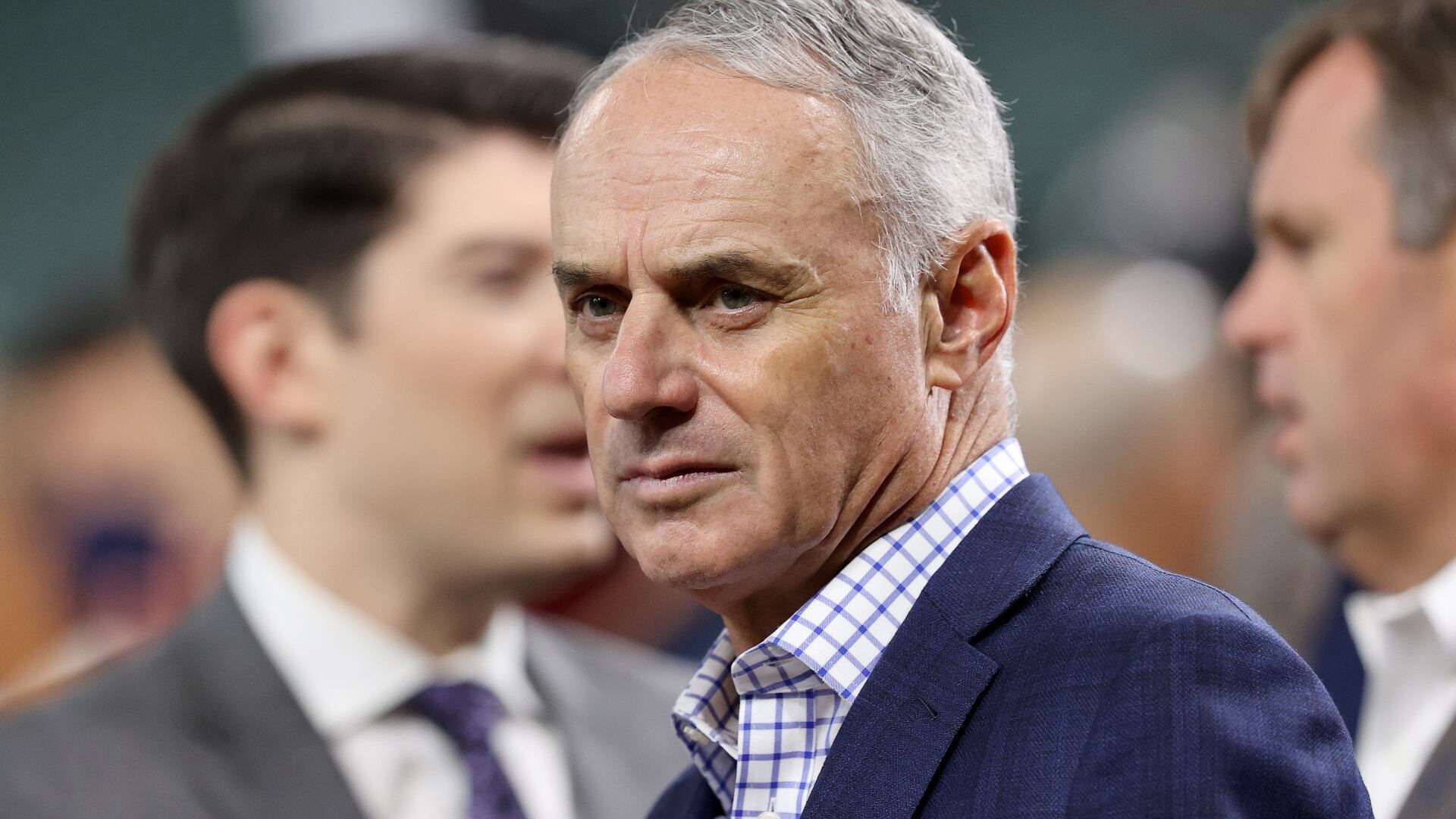
MLB commissioner Rob Manfred said both sides were unable to negotiate a new contract by that time, so the league locked out the players on Thursday at 12:01 a.m. The lockout also means trades and free agency deals have to stop for now. Dodgers Nation lead editor Clint Pasillas joined Cheddar News' Closing Bell to discuss.
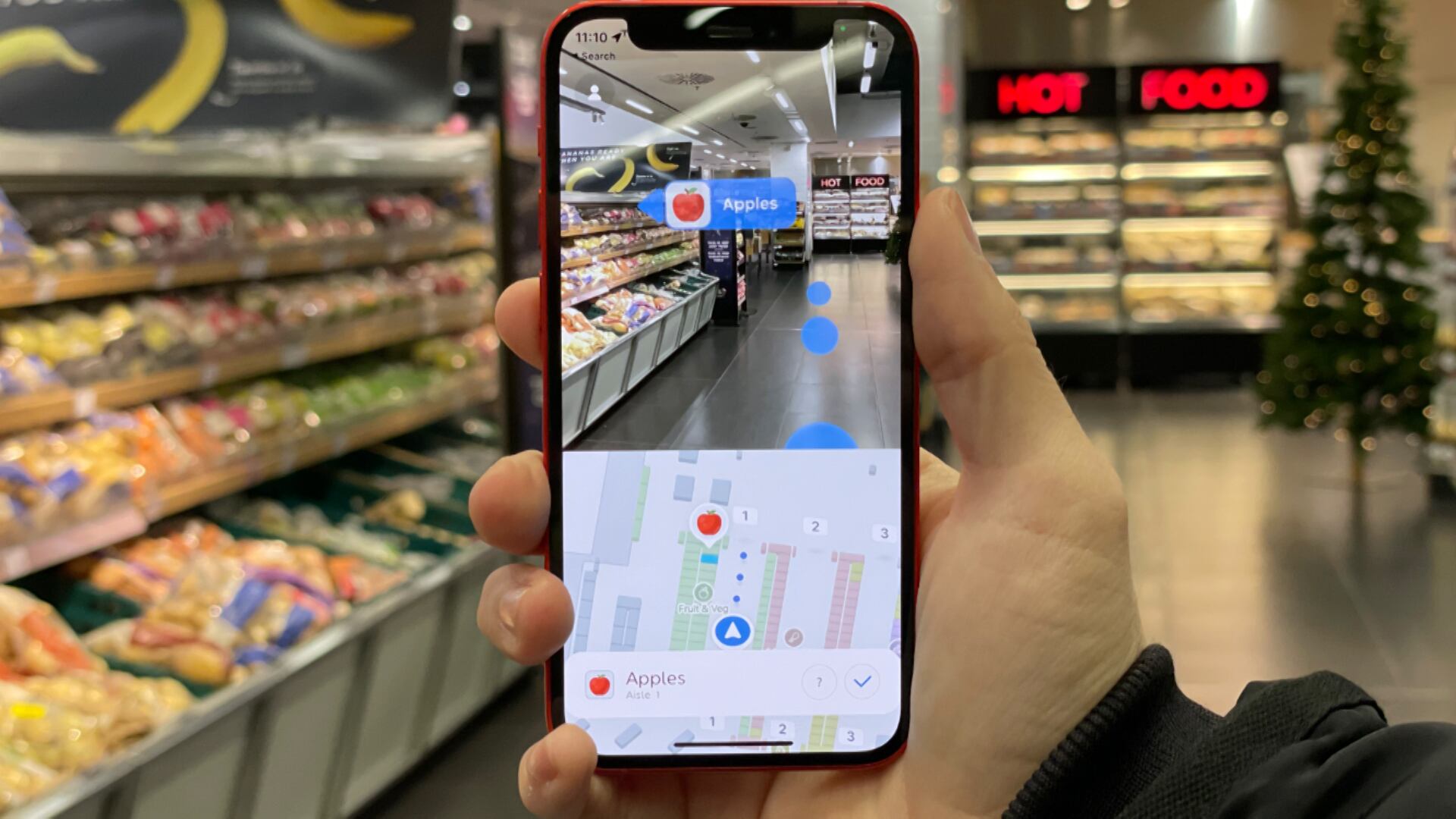
The UK-based augmented reality startup, Dent Reality, raised the equivalent of $3.4 million USD in its most recent funding round. Dent Reality has created an AR app for smartphones that helps shoppers navigate retail locations by providing a layout of a store's aisles, while showing where to find specific items. The company works mainly with grocery stores but aims to integrate its tech with all types of physical spaces. Dent Reality CEO Andrew Hart joins Cheddar News' Closing Bell to discuss.