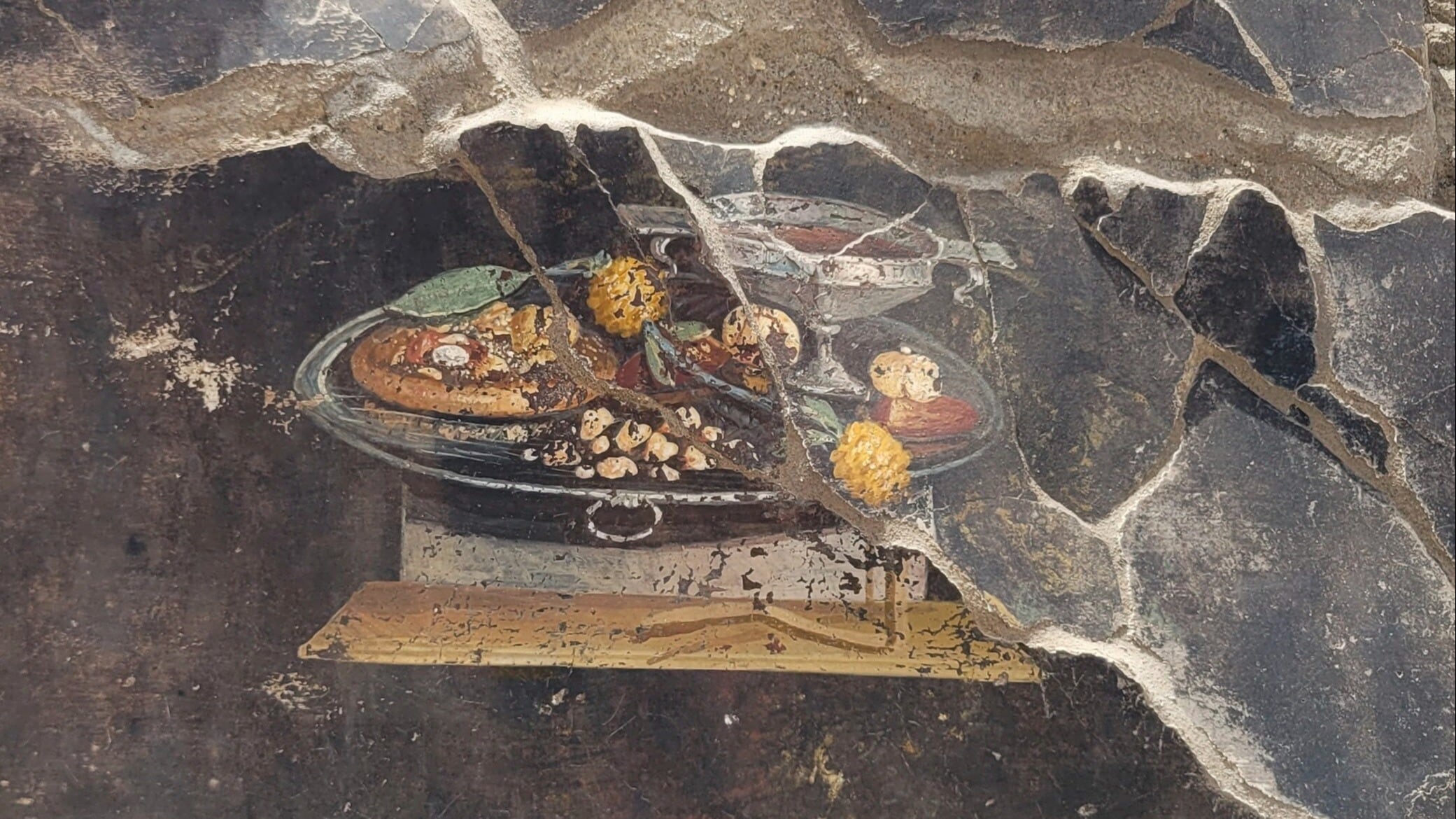
This picture provided on Tuesday, June 27, 2023, by the Pompeii Archaeological Park shows the wall of an ancient Pompeian house with a fresco depicting a table with food. The fresco was found in the atrium of a house in Insula 10 of Regio IX under excavation, to which a bakery was annexed, already partially explored between 1888 and 1891 and whose investigations were resumed last January. (Pompeii Archaeological Park via AP, ho)
A still-life fresco discovered recently in the Pompeii archaeological site looks like a pizza, but it's not, experts at the archaeological site said Tuesday.
They noted that key ingredients needed to make Italy's iconic dish — tomatoes and mozzarella — were not available when the fresco was painted some 2,000 years ago.
Tomatoes were only introduced to Europe from the Americas a few centuries ago, and some histories have it that the discovery of mozzarella led directly to the invention of pizza in nearby Naples in the 1700s.
The image is instead believed to be a focaccia covered with fruit, including pomegranate and possibly dates, finished with spices or a type of pesto, experts said. In the fresco, it is served on a silver plate and a wine chalice stands next to it.
The contrast of the frugal meal served in a luxurious setting, denoted by the silver tray, is not unlike modern-day pizza, “born as a poor-man’s dish in southern Italy, which has won over the world and is served even in starred restaurants," said Gabriel Zuchtriegel, director of the Pompeii archaeological site.
The ancient Roman city of Pompeii was destroyed in the eruption of nearby Mount Vesuvius in 79 A.D. The sudden and deadly event left much of the structure intact, embalmed in volcanic ash, and the site is now a major archaeological project and tourist attraction.
The Coldiretti ag lobby immediately seized on the discovery of the fresco to promote pizza — invented as a quick meal for the working poor — as a national treasure. Today, pizza represents one-third of the food budget of foreign visitors and generates total annual revenues of 15 billion euros ($16.4 billion) in Italy.
The art of the Neapolitan pizzamaker was put on UNESCO’s intangible cultural heritage list in 2017, recognized for its four phases of dough preparation and for being baked exclusively in a wood oven at 485 degrees Celsius (905 degrees Fahrenheit.)
Anesthesiologist and newest cast member on 'The Real Housewives of Miami,' Dr. Nicole Martin, joins Cheddar News to discuss the latest season returning to Peacock.
The World Inequality Lab just released its inequality report, which looks at wealth and income inequality, gender inequality, and carbon emission inequality around the world. It is also the first global assessment of wealth and income inequality since the start of the pandemic. Matthew Post-Fisher, a coordinator with the World Inequality Lab and a research fellow at Harvard Kennedy school joins Cheddar News to discuss the findings.
Instagram Chief Executive Adam Mosseri is set to testify before Congress for the first time. Mosseri’s appearance follows reports that showed Facebook and Instagram are aware of the harms their apps and services cause, including to teen mental health. Nicole Gill, co-founder and executive director of Accountable Tech joins Cheddar News to preview the hearing.
Actor Hosea Chanchez joined Cheddar Wellness to discuss reprising his role in the Paramount+ reboot of the hit series "The Game '' and about the importance of mental wellness for Black men, identifying similarities between himself and the character he plays, Malik Wright. He noted that the role allowed him to submerge himself in the culture of athletes and let him explore and depict subjects that often go undiscussed in the Black community to draw attention to their relevance.
According to an Indeed survey, 77% of job seekers say work happiness is important when considering a future employer. Misty Gaither, Senior Director, Global Head of Diversity, Inclusion & Belonging, Indeed, joins Cheddar Wellness to discuss the importance of overall workplace happiness and how employees and employers can work towards that goal.
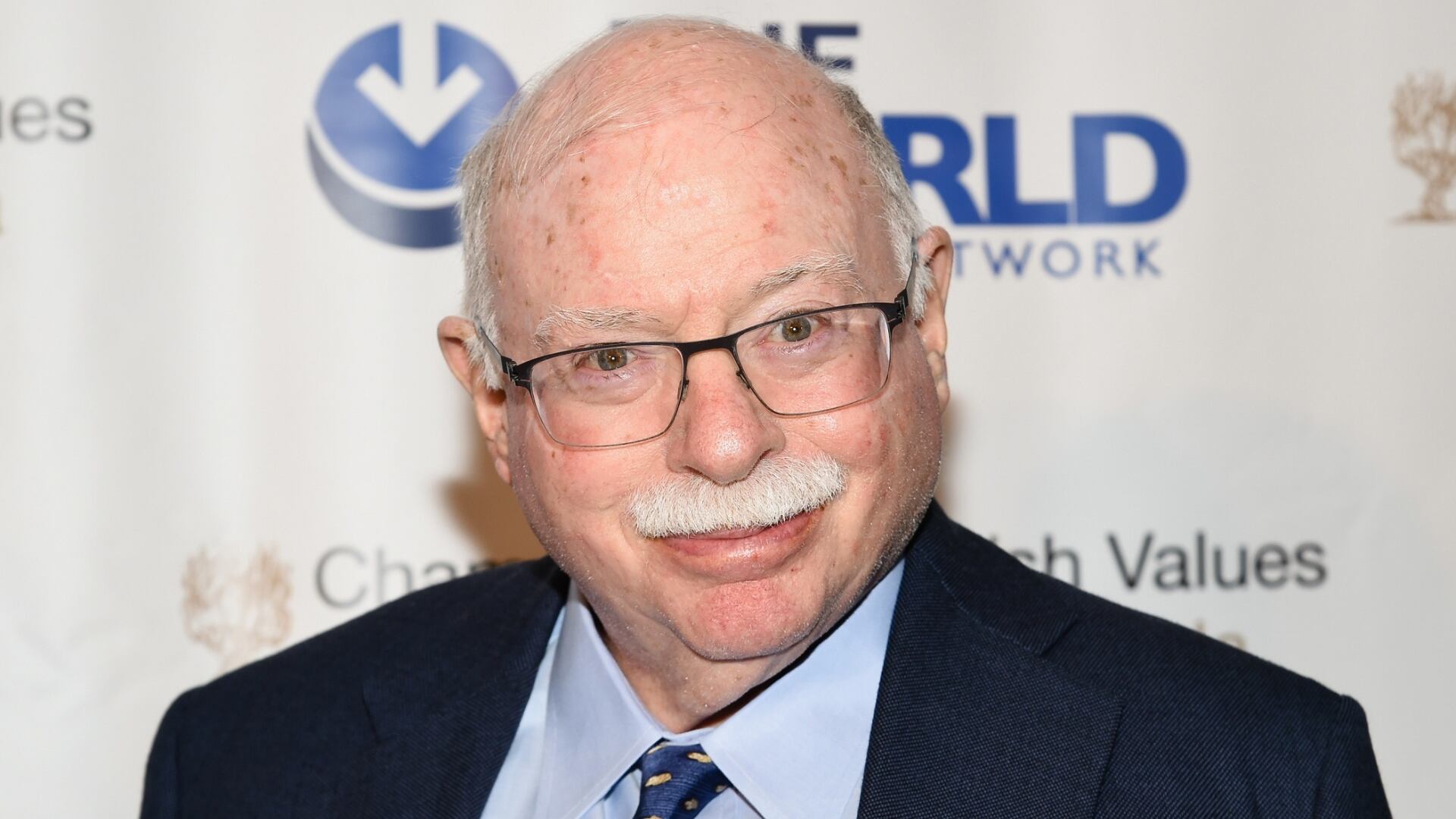
Michael Steinhardt, 81, has surrendered 180 stolen artifacts from 11 different countries worth $70 million. The former hedge fund manager has also received a lifetime ban from the antiquities market.
The U.S. has seen several retailers across the country forced to close their brick-and-mortar stores amid the rise of e-commerce over the past few years. However, we are in the midst of a brick-and-mortar boom, with retailers expected to open more stores this year than they close, for the first time since 2017, according to an analysis of more than 900 chains by IHL Group, a research and advisory company. At the same time, the e-commerce businesses of retailers have become more dependent on physical stores to fulfill orders, especially during the holiday shopping season. Lionesque Group CEO Melissa Gonzalez joins Cheddar News' Closing Bell to discuss.
Heila Technologies, a startup that develops hardware and software to integrate renewables and batteries on a microgrid, is helping to power the first clean energy microgrid for Auto Mercado, a top supermarket chain in Costa Rica. The plant will reduce 20 tons of CO2 emissions per year. Heila Technologies CEO Francisco Morocz joins Cheddar Climate to discuss.