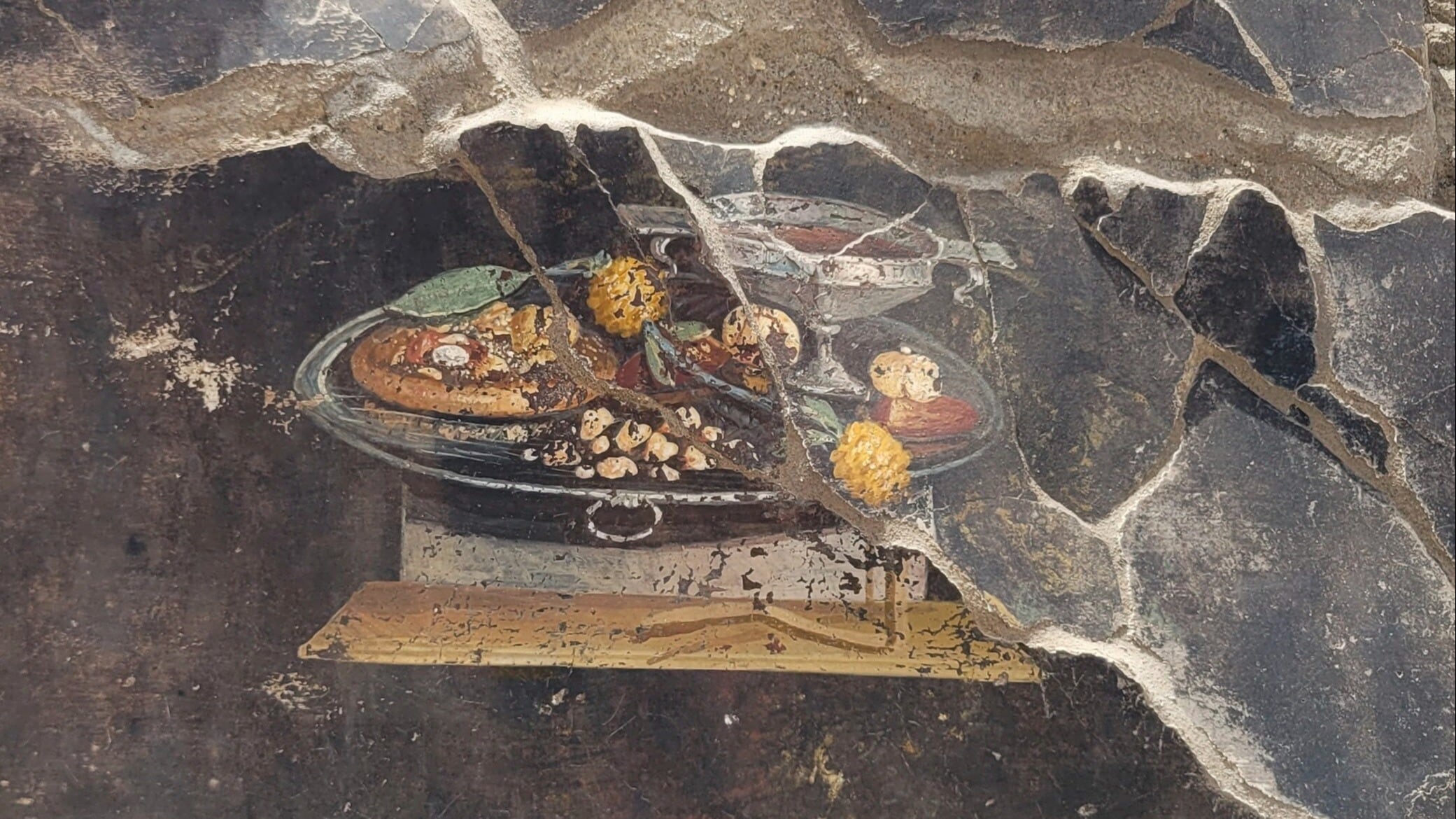
This picture provided on Tuesday, June 27, 2023, by the Pompeii Archaeological Park shows the wall of an ancient Pompeian house with a fresco depicting a table with food. The fresco was found in the atrium of a house in Insula 10 of Regio IX under excavation, to which a bakery was annexed, already partially explored between 1888 and 1891 and whose investigations were resumed last January. (Pompeii Archaeological Park via AP, ho)
A still-life fresco discovered recently in the Pompeii archaeological site looks like a pizza, but it's not, experts at the archaeological site said Tuesday.
They noted that key ingredients needed to make Italy's iconic dish — tomatoes and mozzarella — were not available when the fresco was painted some 2,000 years ago.
Tomatoes were only introduced to Europe from the Americas a few centuries ago, and some histories have it that the discovery of mozzarella led directly to the invention of pizza in nearby Naples in the 1700s.
The image is instead believed to be a focaccia covered with fruit, including pomegranate and possibly dates, finished with spices or a type of pesto, experts said. In the fresco, it is served on a silver plate and a wine chalice stands next to it.
The contrast of the frugal meal served in a luxurious setting, denoted by the silver tray, is not unlike modern-day pizza, “born as a poor-man’s dish in southern Italy, which has won over the world and is served even in starred restaurants," said Gabriel Zuchtriegel, director of the Pompeii archaeological site.
The ancient Roman city of Pompeii was destroyed in the eruption of nearby Mount Vesuvius in 79 A.D. The sudden and deadly event left much of the structure intact, embalmed in volcanic ash, and the site is now a major archaeological project and tourist attraction.
The Coldiretti ag lobby immediately seized on the discovery of the fresco to promote pizza — invented as a quick meal for the working poor — as a national treasure. Today, pizza represents one-third of the food budget of foreign visitors and generates total annual revenues of 15 billion euros ($16.4 billion) in Italy.
The art of the Neapolitan pizzamaker was put on UNESCO’s intangible cultural heritage list in 2017, recognized for its four phases of dough preparation and for being baked exclusively in a wood oven at 485 degrees Celsius (905 degrees Fahrenheit.)
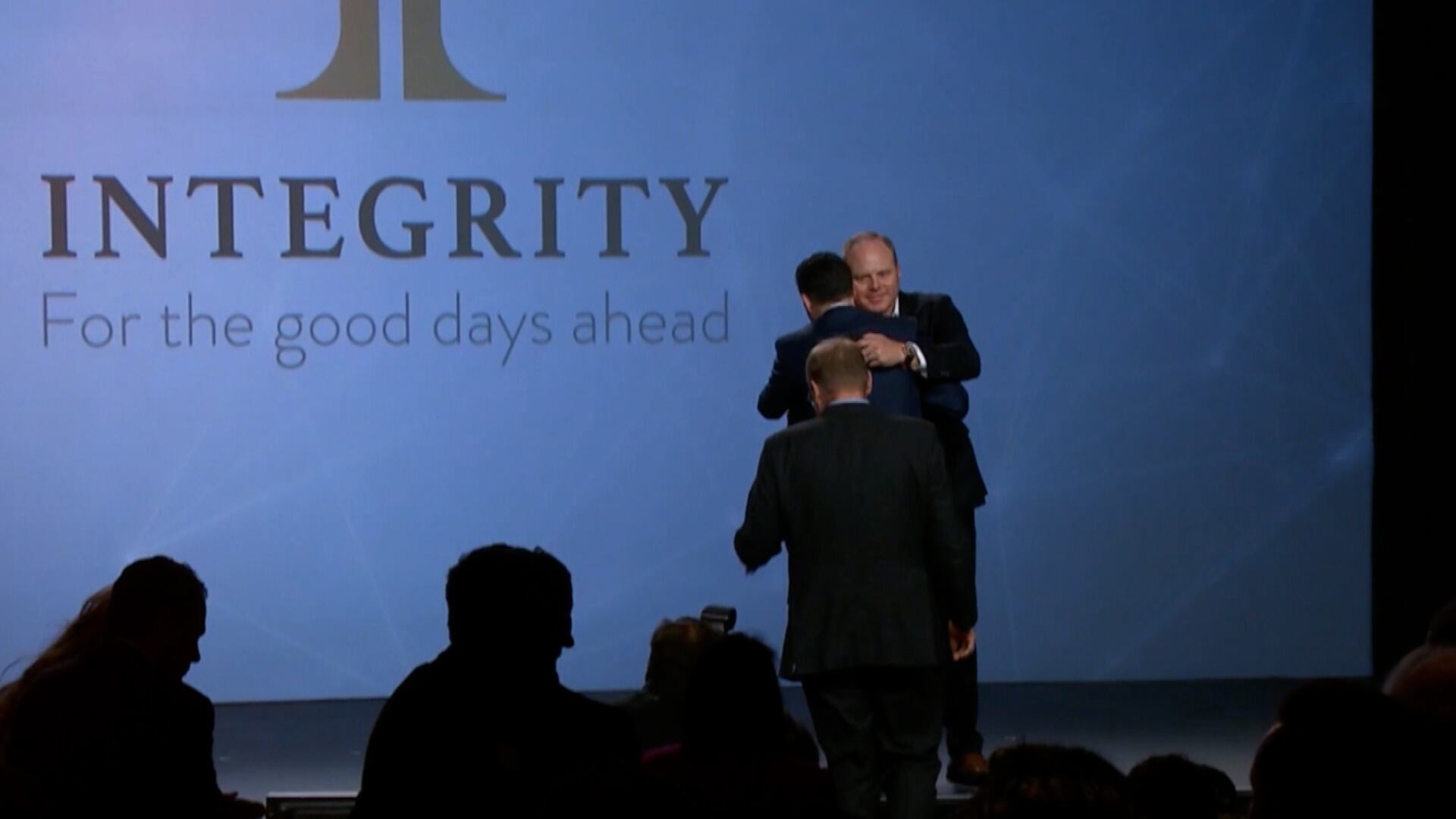
Integrity Marketing Group, nation's largest independent distributor of life and health insurance products, is showing its employees it cares. The company surprised its 5,500 employees with $125 million in cash payouts to those participating in the company's Employee Ownership Plan. Bryan Adams, CEO of at Integrity Marketing Group, and Steve Young, NFL Hall of Famer and chairman of the board at Integrity Marketing Group, join Cheddar News to talk about the announcement.
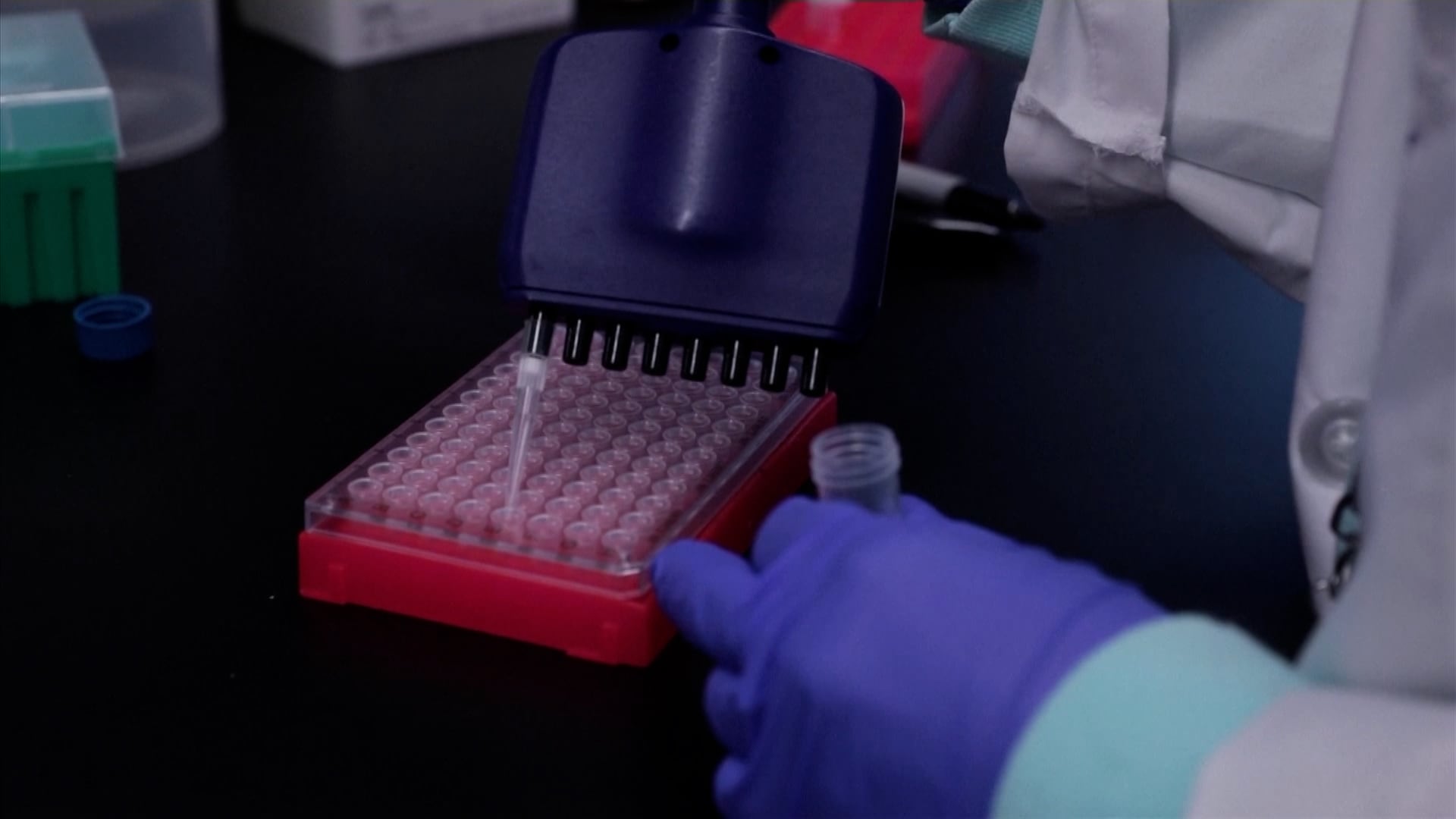
Anthony Tall, sports agent and president of Miracle Sports Agency, joins Cheddar News to talk about the challenges professional sports leagues are facing amid a surge in coronavirus cases across the U.S.
Jilly Stephens, CEO of City Harvest, joins Cheddar News to discuss food insecurity. She also offers tips on how people can volunteer at their local food bank this holiday season.
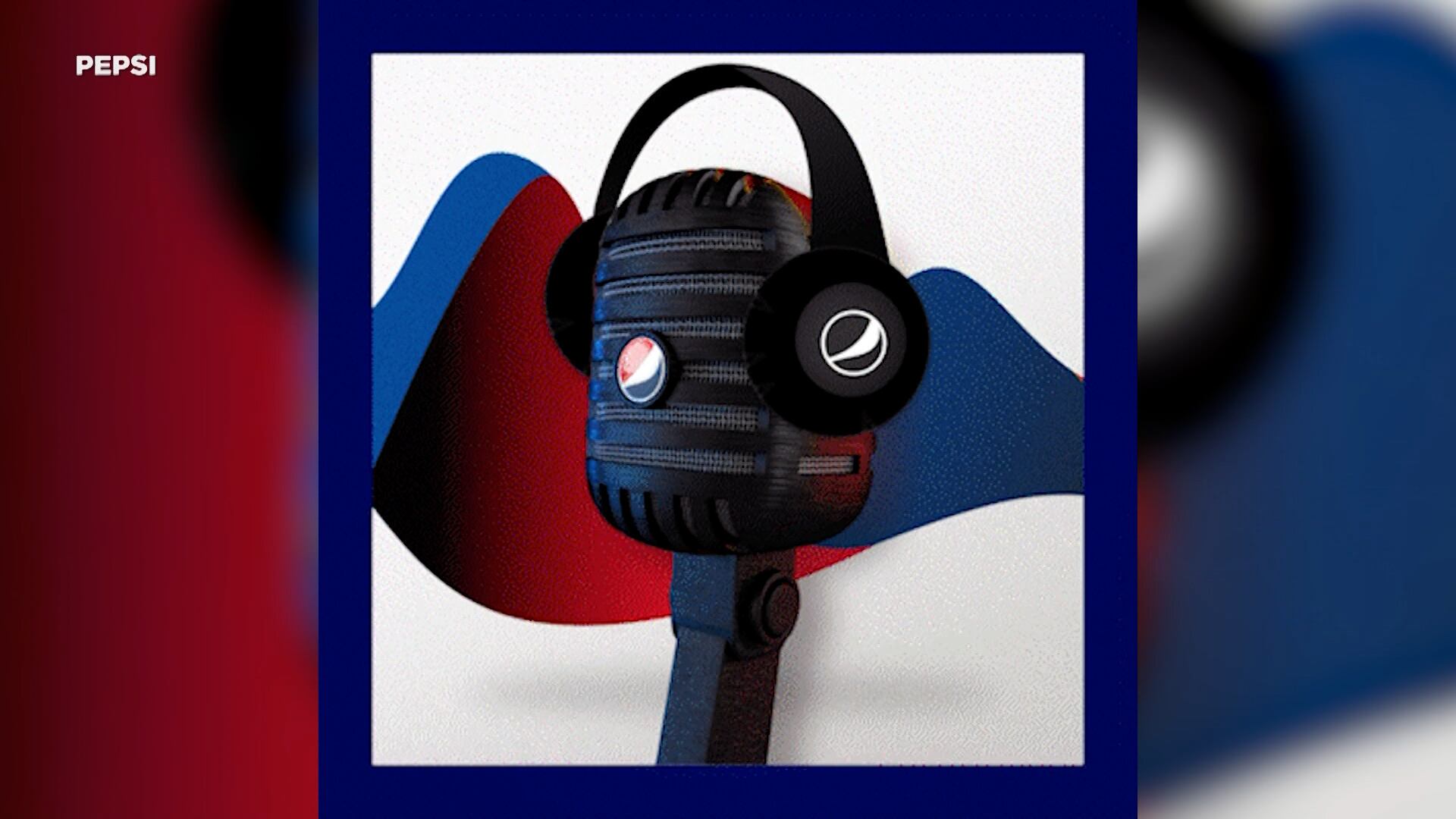
Todd Kaplan, Pepsi's Vice President of Marketing, joins Cheddar News to discuss the company's first-ever non-fungible token with its Pepsi Mic Drop genesis NFT collection.
This year, consumers might not be as surprised by what's under their trees as by the trees themselves. Despite a tighter market for trees, Stew Leonard's was able to secure its entire stock of Christmas trees from a supplier in Quebec. But some prices jumped this year as a result of increased costs for shipping and labor amid the COVID-19 pandemic. Cheddar's Chloe Aiello reports.
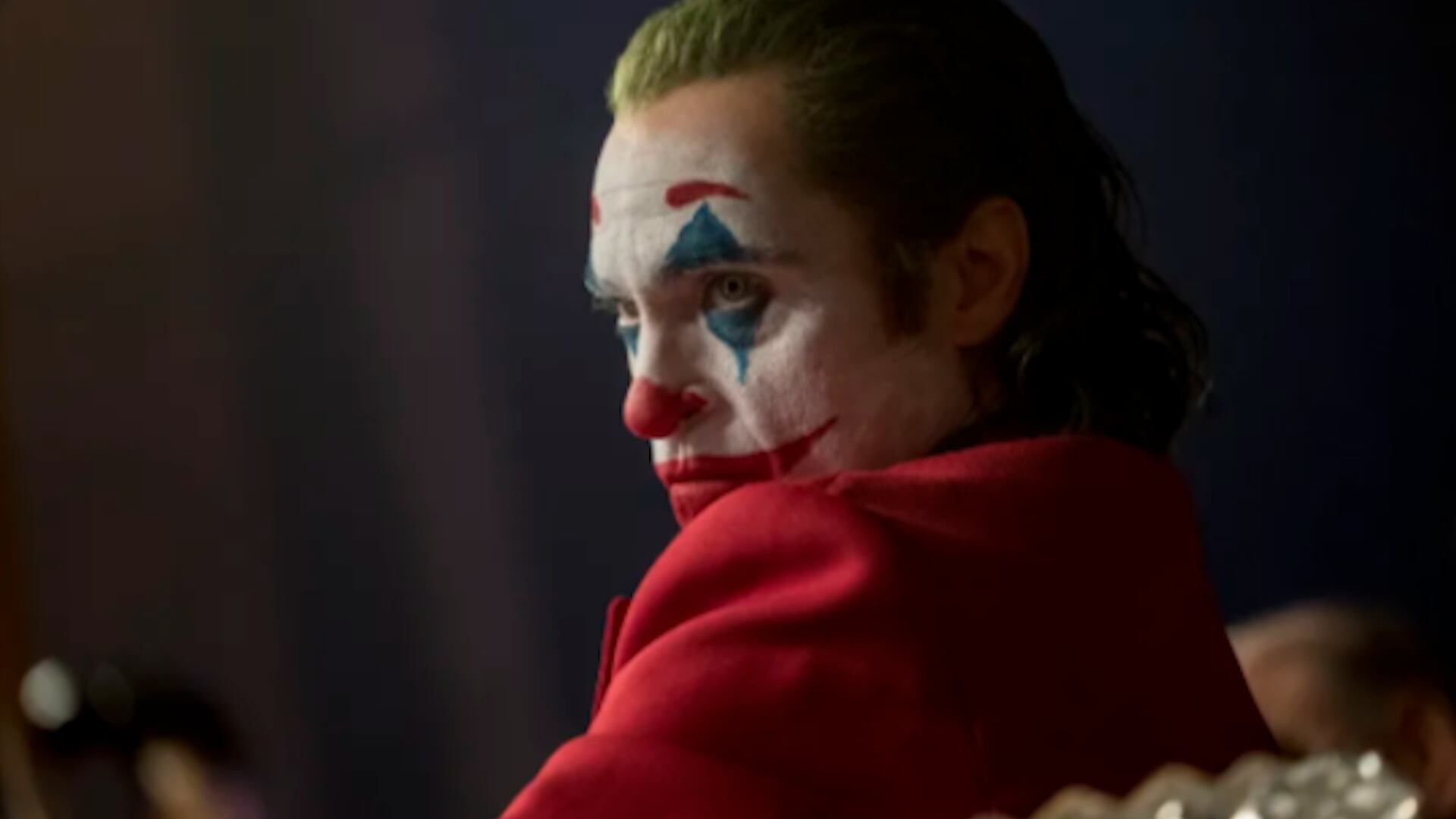
Dr. Travis Langley, Professor of Psychology at Henderson State University, joins Cheddar Reveals to discuss why the Joker is widely considered the best villain of all time and a prevailing figure in pop culture and provides insight into the psychological and cultural reasons we find him so fascinating.
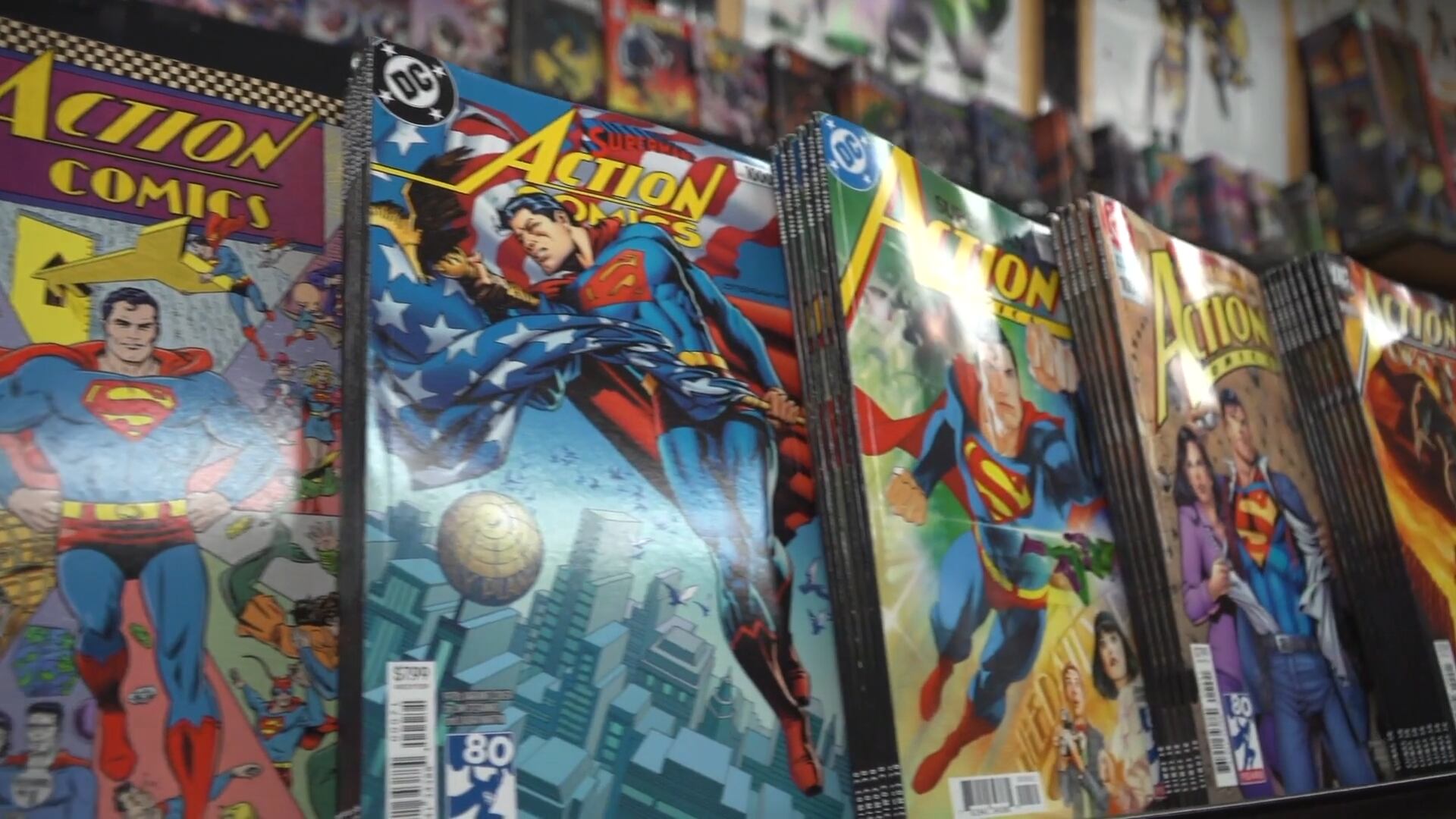
On this episode of Cheddar Reveals, Dr. Travis Langley, Professor of Psychology, Henderson State University, discusses why the Joker is widely considered the best villain of all time and a prevailing figure in pop culture and provides insight into psychological and cultural reasons we find him so fascinating; Jonathan Gayles Professor and Chair, Department of Africana Studies at Georgia State University, dissects the diversity efforts in representations of superheroes and villains in comics and Hollywood films; Cheddar gets a look at Curiosity Stream's 'My Comic Shop Country.'
Jonathan Gayles Professor and Chair, Department of Africana Studies at Georgia State University, joins Cheddar Reveals to dissect the diversity efforts in representations of superheroes and villains in comics and Hollywood films.
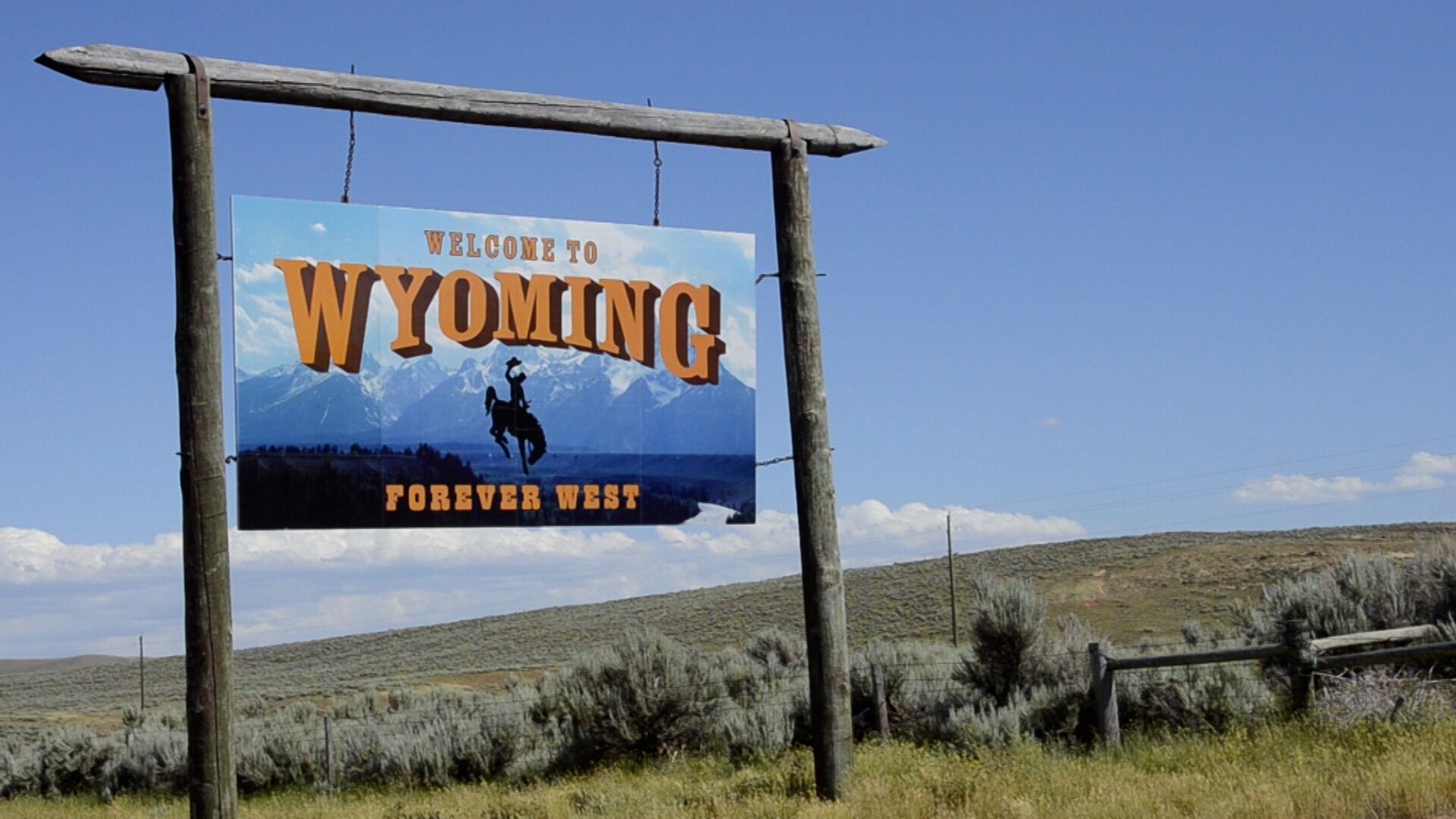
The Cowboy State has become one of the world's top tax havens, according to the Pandora Papers, a trove of more than 11.9 million documents obtained by the International Consortium of Investigative Journalists and The Washington Post. The papers reveal, among other things, how ultra-wealthy people from around the world move money into the U.S., invest, and spend it under a shroud of secrecy. Allison Tait, University of Richmond law professor, joined Cheddar to talk about Wyoming's laidback tax laws, their impact on the nation's economy, and provided some details on the financial arrangement known as the "cowboy cocktail."