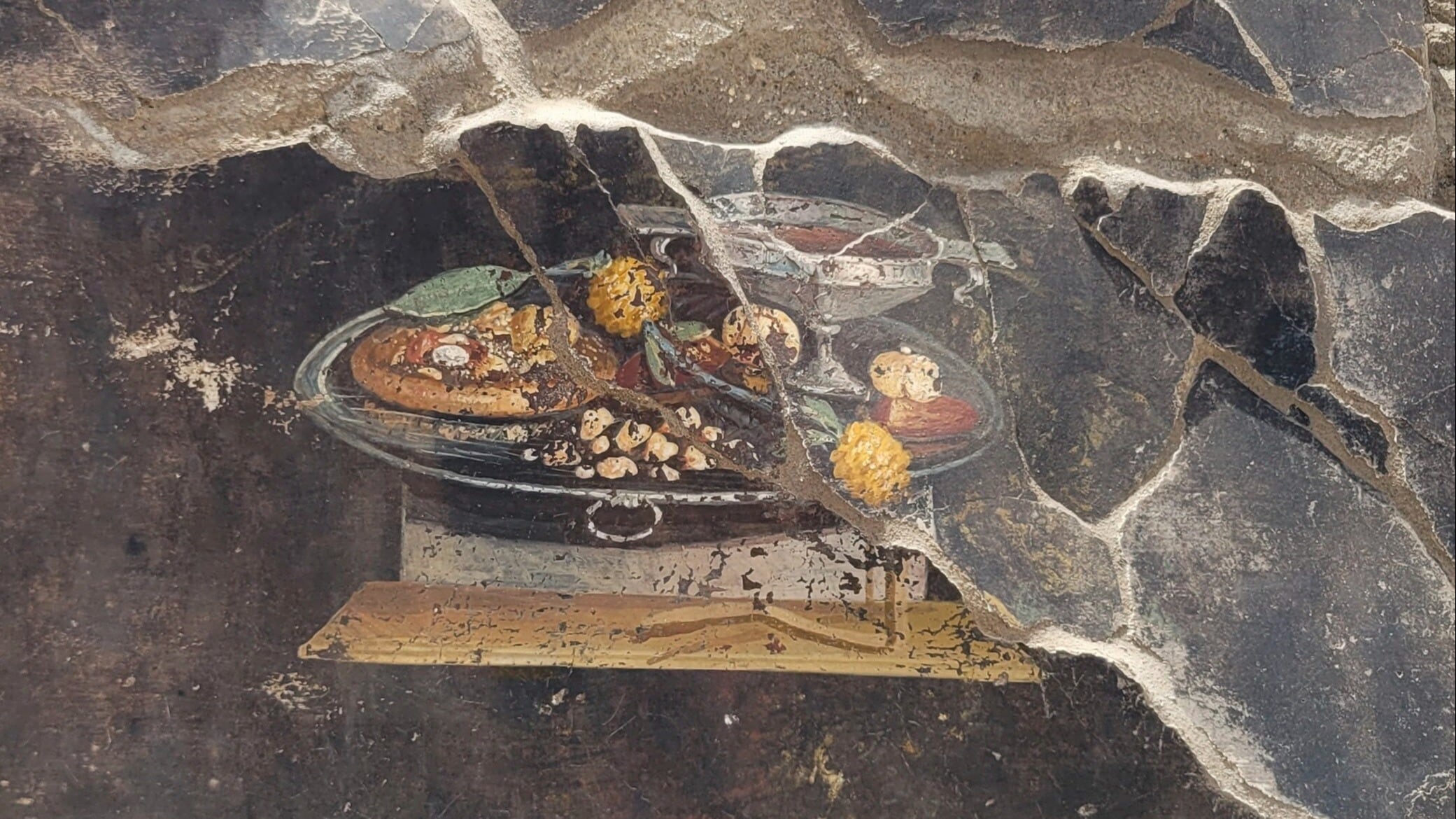
This picture provided on Tuesday, June 27, 2023, by the Pompeii Archaeological Park shows the wall of an ancient Pompeian house with a fresco depicting a table with food. The fresco was found in the atrium of a house in Insula 10 of Regio IX under excavation, to which a bakery was annexed, already partially explored between 1888 and 1891 and whose investigations were resumed last January. (Pompeii Archaeological Park via AP, ho)
A still-life fresco discovered recently in the Pompeii archaeological site looks like a pizza, but it's not, experts at the archaeological site said Tuesday.
They noted that key ingredients needed to make Italy's iconic dish — tomatoes and mozzarella — were not available when the fresco was painted some 2,000 years ago.
Tomatoes were only introduced to Europe from the Americas a few centuries ago, and some histories have it that the discovery of mozzarella led directly to the invention of pizza in nearby Naples in the 1700s.
The image is instead believed to be a focaccia covered with fruit, including pomegranate and possibly dates, finished with spices or a type of pesto, experts said. In the fresco, it is served on a silver plate and a wine chalice stands next to it.
The contrast of the frugal meal served in a luxurious setting, denoted by the silver tray, is not unlike modern-day pizza, “born as a poor-man’s dish in southern Italy, which has won over the world and is served even in starred restaurants," said Gabriel Zuchtriegel, director of the Pompeii archaeological site.
The ancient Roman city of Pompeii was destroyed in the eruption of nearby Mount Vesuvius in 79 A.D. The sudden and deadly event left much of the structure intact, embalmed in volcanic ash, and the site is now a major archaeological project and tourist attraction.
The Coldiretti ag lobby immediately seized on the discovery of the fresco to promote pizza — invented as a quick meal for the working poor — as a national treasure. Today, pizza represents one-third of the food budget of foreign visitors and generates total annual revenues of 15 billion euros ($16.4 billion) in Italy.
The art of the Neapolitan pizzamaker was put on UNESCO’s intangible cultural heritage list in 2017, recognized for its four phases of dough preparation and for being baked exclusively in a wood oven at 485 degrees Celsius (905 degrees Fahrenheit.)
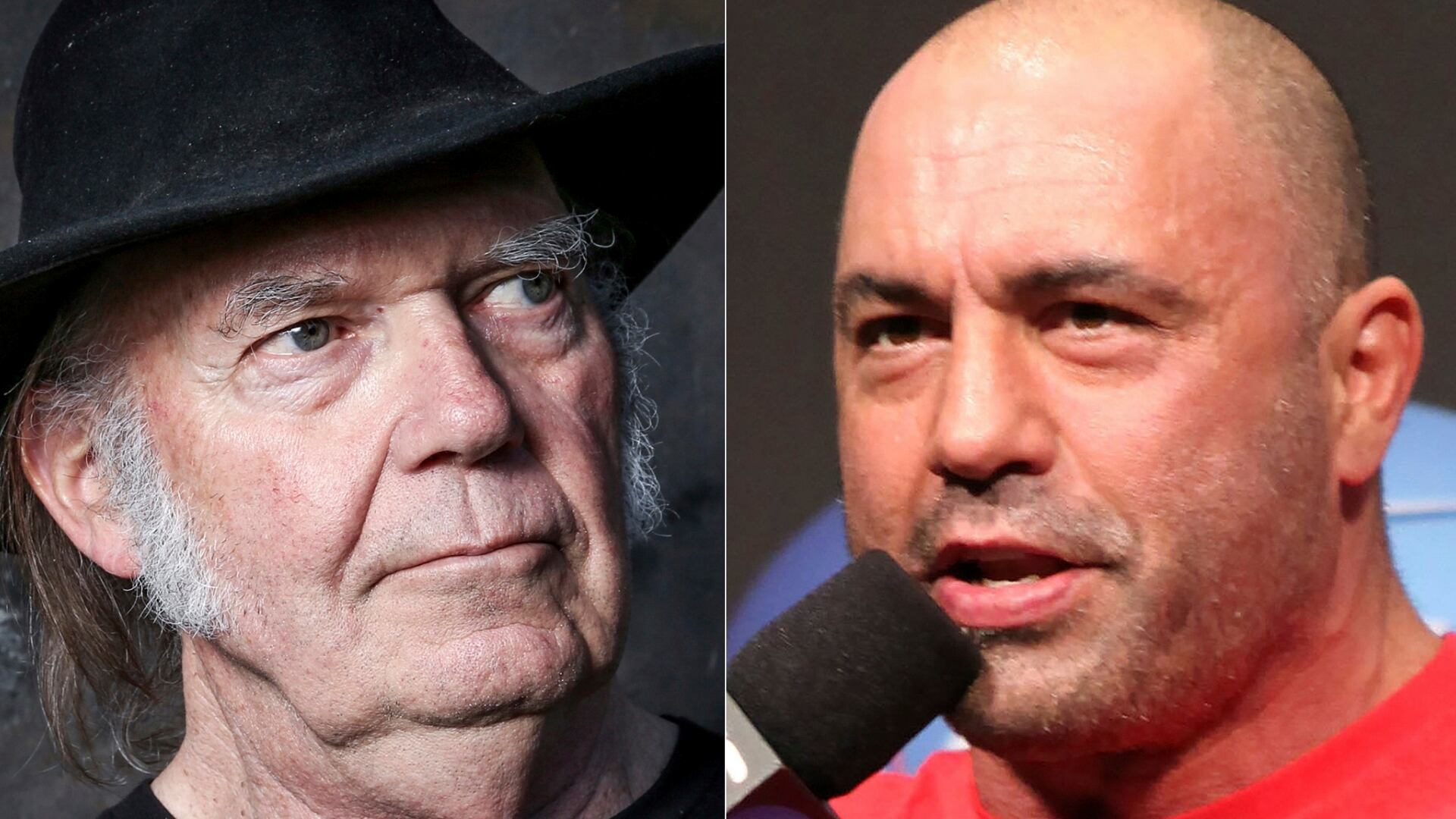
Neil Young has come up with an ultimatum for Spotify: his music or Joe Rogan’s podcast. This comes over concerns that the podcast is spreading COVID-19 vaccine misinformation to its listeners. "The Joe Rogan Experience," which is exclusive to Spotify, is currently the number one streamed podcast on the platform.
The American Federation Teachers Union has announced its latest partnership with NewsGuard in efforts to help educators play a greater role in deciphering facts from fiction that students see online. They say the goal is to help students build critical-thinking skills while also teaching them the importance of media literacy. Executive Vice President of Partnerships at NewsGuard, Sarah Bandt, joined Cheddar to talk more.
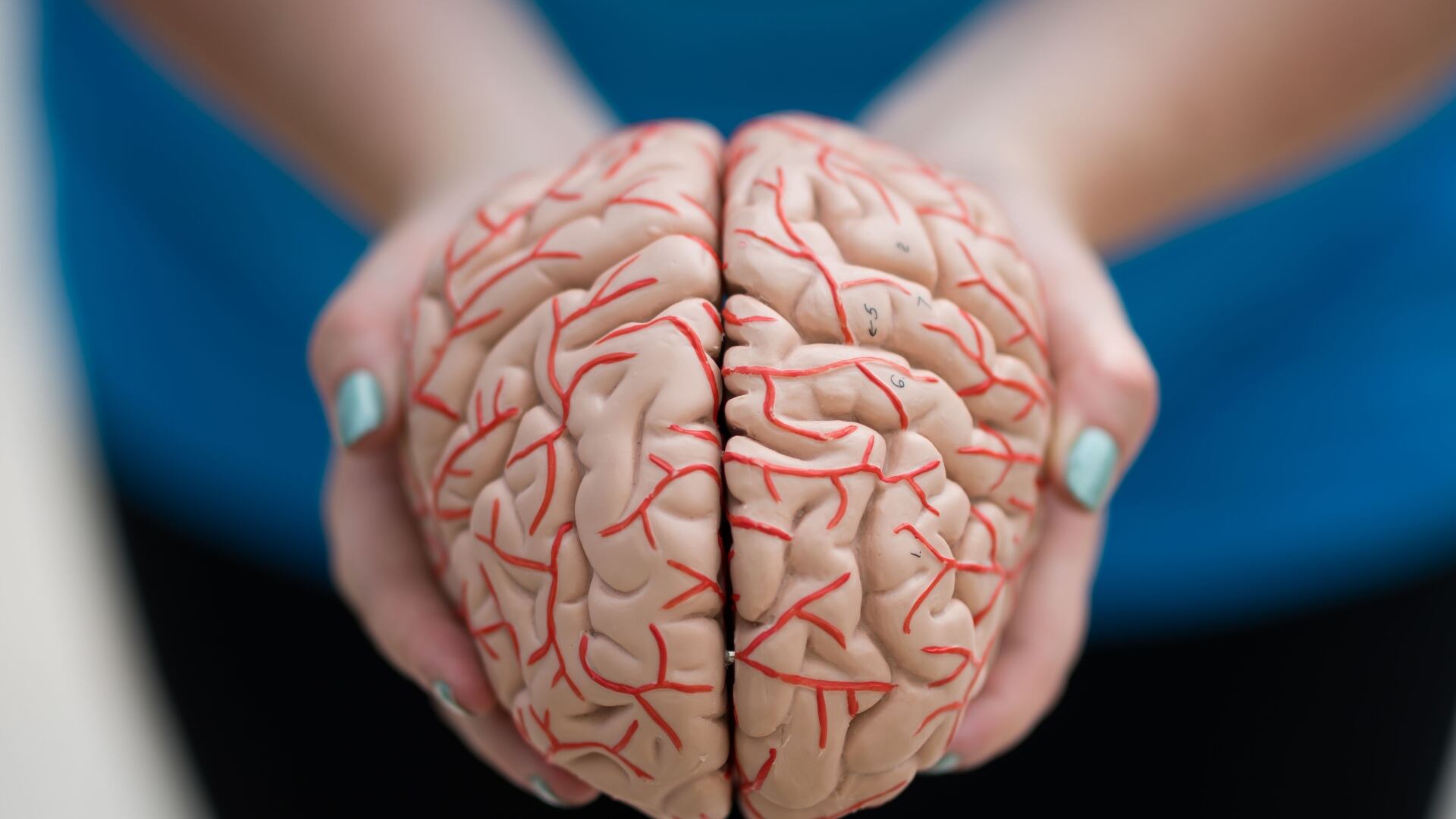
Doctor Caroline Leaf has created a 21-day program, consisting of five simple, but mindful, steps designed to rid our minds of toxic thoughts, anxiety, and depression. This brain detox is scientifically proven to impact one's happiness and success. Doctor Caroling Leaf, neuroscientist, author, and speaker at Switch Your Brain, joins Cheddar News to discuss.
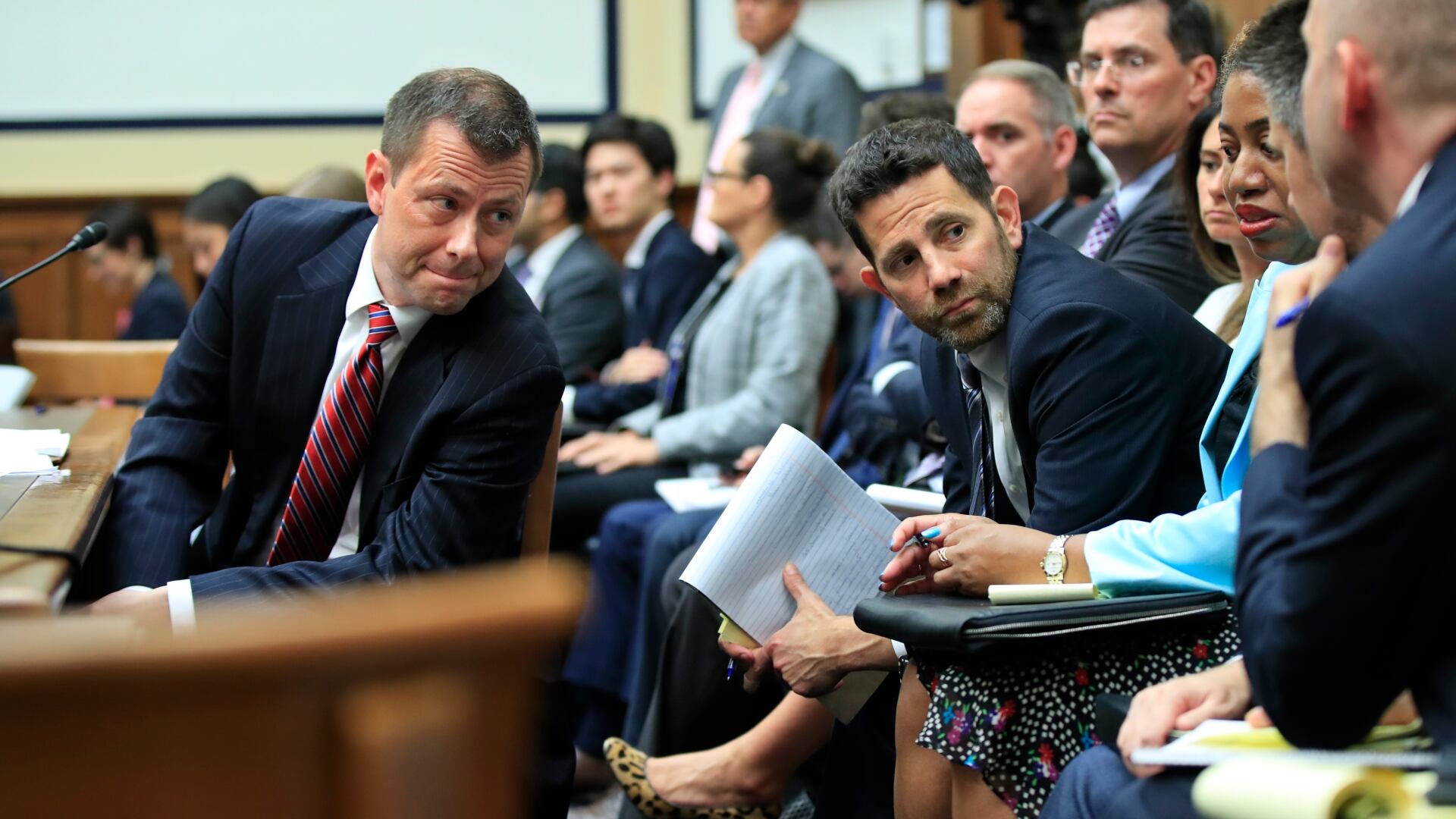
The memoir, "COMPROMISED: Counterintelligence and the Threat of Donald J. Trump", tells a familiar story from a bit of a different source: Peter Strzok himself, former FBI Counterintelligence Agents and Agency Veteran who spent most of his very long career investigating some of the most controversial inquiries, most notably in recent American history. Those inquiries were Hillary Clinton's email to even Trump Russia investigations. Former FBI Agent and Author of "Compromised" Peter Strzok, joined Cheddar to discuss more.
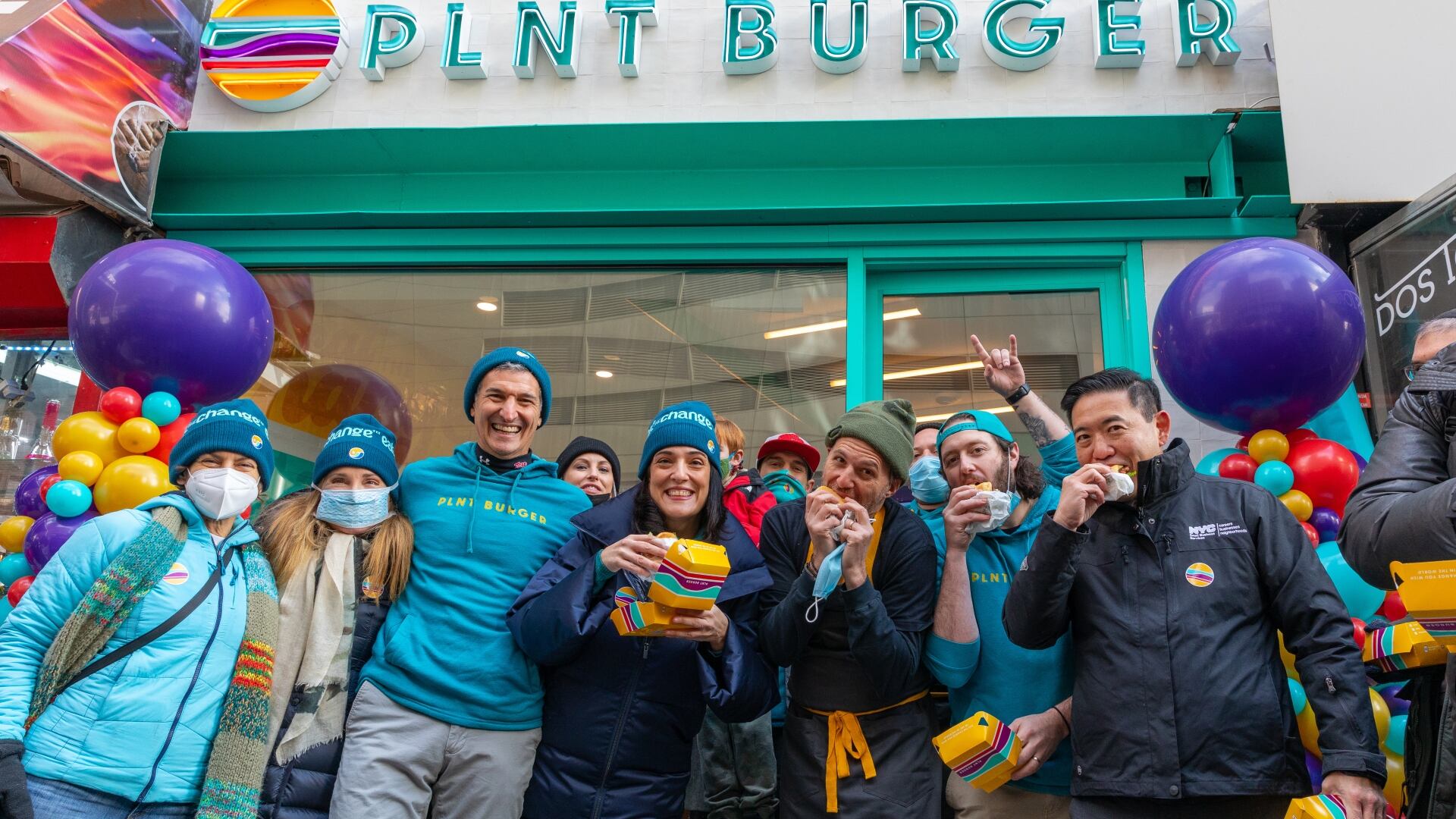
Foodable Labs data shows restaurants that started offering vegan options saw a 13% increase in traffic. According to this 2018 study, 51% of U.S. restaurants now offer vegan options, and we can expect that number to keep rising. This week, one plant-based, fast-casual restaurant celebrates the grand opening of their first brick-and-mortar store in New York City: PLNT Burger. Ben Kaplan, CEO of PLNT Burger, joins Cheddar News to discuss.
Commercial and residential buildings account for 13% of carbon emissions in the U.S., according to the EPA, and one company says it has a solution. Runwise says it has updated the boiler and heating systems of thousands of buildings, and that its technology not only lowers carbon output but also saves landlords money. Lee Hoffman, Co-Founder and COO of Runwise, joined Cheddar Climate to discuss.
Kirsten Jordan, real estate broker and star of 'Million Dollar Listing New York,' joins Cheddar News to talk about the state of New York City real estate, tips for homebuyers, and season 9 of the Bravo show.
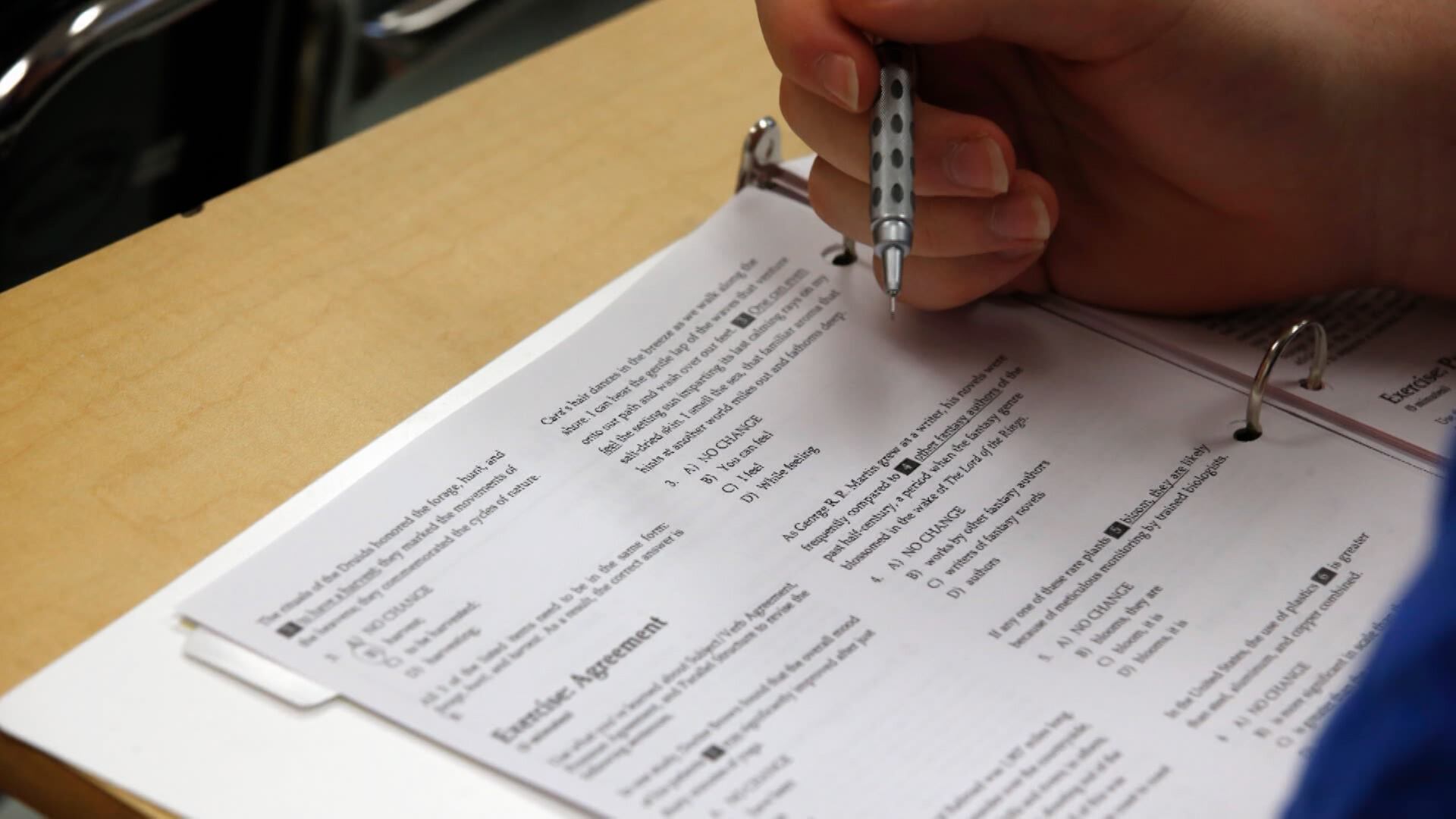
No. 2 pencils or Scantron bubble sheets are a thing of the past for the SATs. Priscilla Rodriguez, head of college readiness assessment for the College Board, joined Cheddar News Wrap to talk about the modern overhaul of the college entrance exam. On top of the change to an all-digital format and shorter time limit, the latest iteration will feature updates to help with flexibility and security. "As we've built our own digital testing platform, the app the students will do this on, we built this with security at the core," Rodriguez said. "And, in going digital we can do something we can't do today, which is, give every student who's taking the SAT, let's say in a given day, even in a given room in a school, a different version of the SAT."