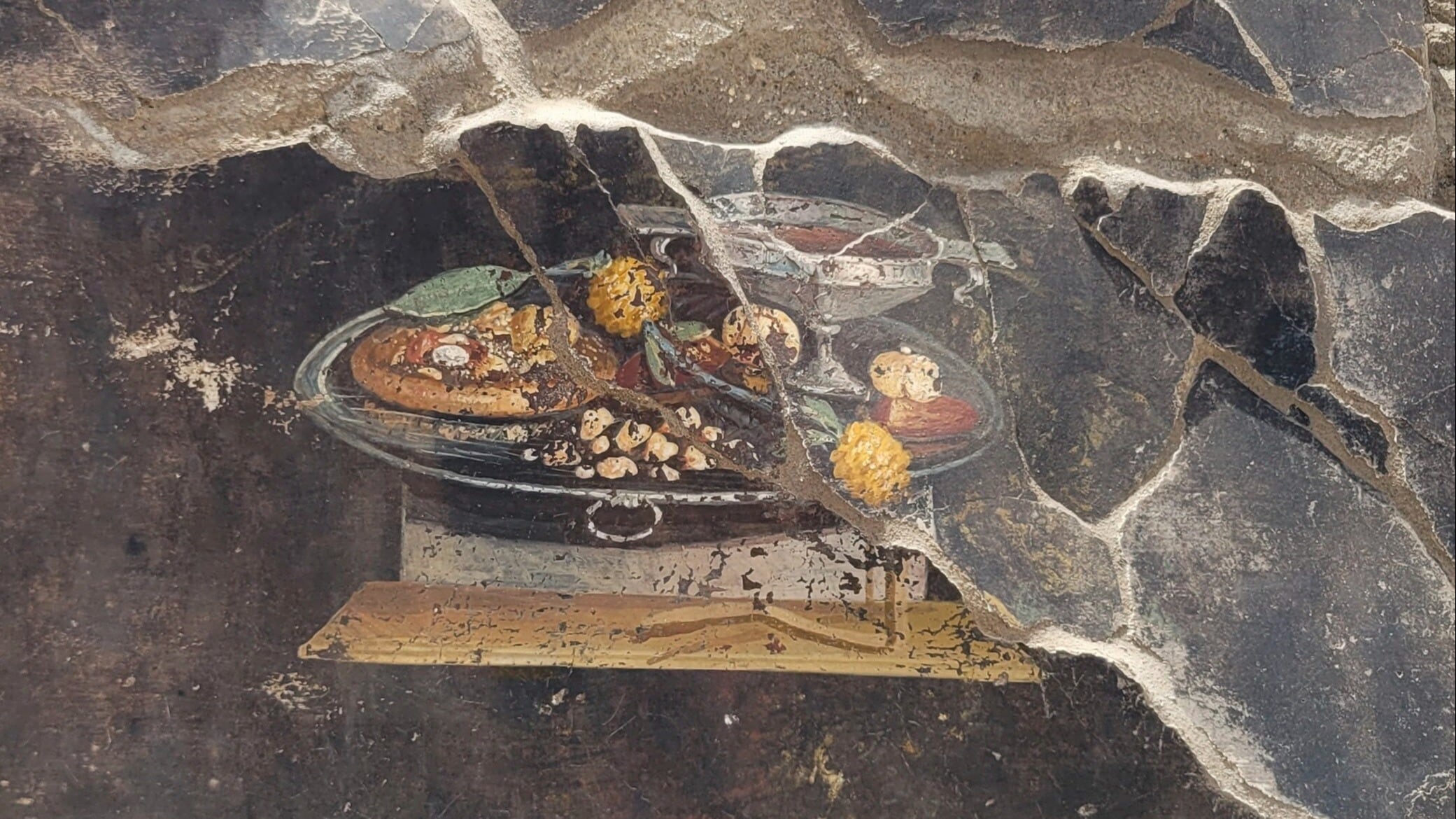
This picture provided on Tuesday, June 27, 2023, by the Pompeii Archaeological Park shows the wall of an ancient Pompeian house with a fresco depicting a table with food. The fresco was found in the atrium of a house in Insula 10 of Regio IX under excavation, to which a bakery was annexed, already partially explored between 1888 and 1891 and whose investigations were resumed last January. (Pompeii Archaeological Park via AP, ho)
A still-life fresco discovered recently in the Pompeii archaeological site looks like a pizza, but it's not, experts at the archaeological site said Tuesday.
They noted that key ingredients needed to make Italy's iconic dish — tomatoes and mozzarella — were not available when the fresco was painted some 2,000 years ago.
Tomatoes were only introduced to Europe from the Americas a few centuries ago, and some histories have it that the discovery of mozzarella led directly to the invention of pizza in nearby Naples in the 1700s.
The image is instead believed to be a focaccia covered with fruit, including pomegranate and possibly dates, finished with spices or a type of pesto, experts said. In the fresco, it is served on a silver plate and a wine chalice stands next to it.
The contrast of the frugal meal served in a luxurious setting, denoted by the silver tray, is not unlike modern-day pizza, “born as a poor-man’s dish in southern Italy, which has won over the world and is served even in starred restaurants," said Gabriel Zuchtriegel, director of the Pompeii archaeological site.
The ancient Roman city of Pompeii was destroyed in the eruption of nearby Mount Vesuvius in 79 A.D. The sudden and deadly event left much of the structure intact, embalmed in volcanic ash, and the site is now a major archaeological project and tourist attraction.
The Coldiretti ag lobby immediately seized on the discovery of the fresco to promote pizza — invented as a quick meal for the working poor — as a national treasure. Today, pizza represents one-third of the food budget of foreign visitors and generates total annual revenues of 15 billion euros ($16.4 billion) in Italy.
The art of the Neapolitan pizzamaker was put on UNESCO’s intangible cultural heritage list in 2017, recognized for its four phases of dough preparation and for being baked exclusively in a wood oven at 485 degrees Celsius (905 degrees Fahrenheit.)
Dr. Celeste González de Bustamante, professor and director of the Center for Border and Global Journalism at the Univerity of Arizona, and Dr. Jeannine E. Relly, professor and director of Global Initiatives at the Center for Border and Global Journalism at the University of Arizona, join Cheddar News to discuss the recent journalist killings in Mexico.
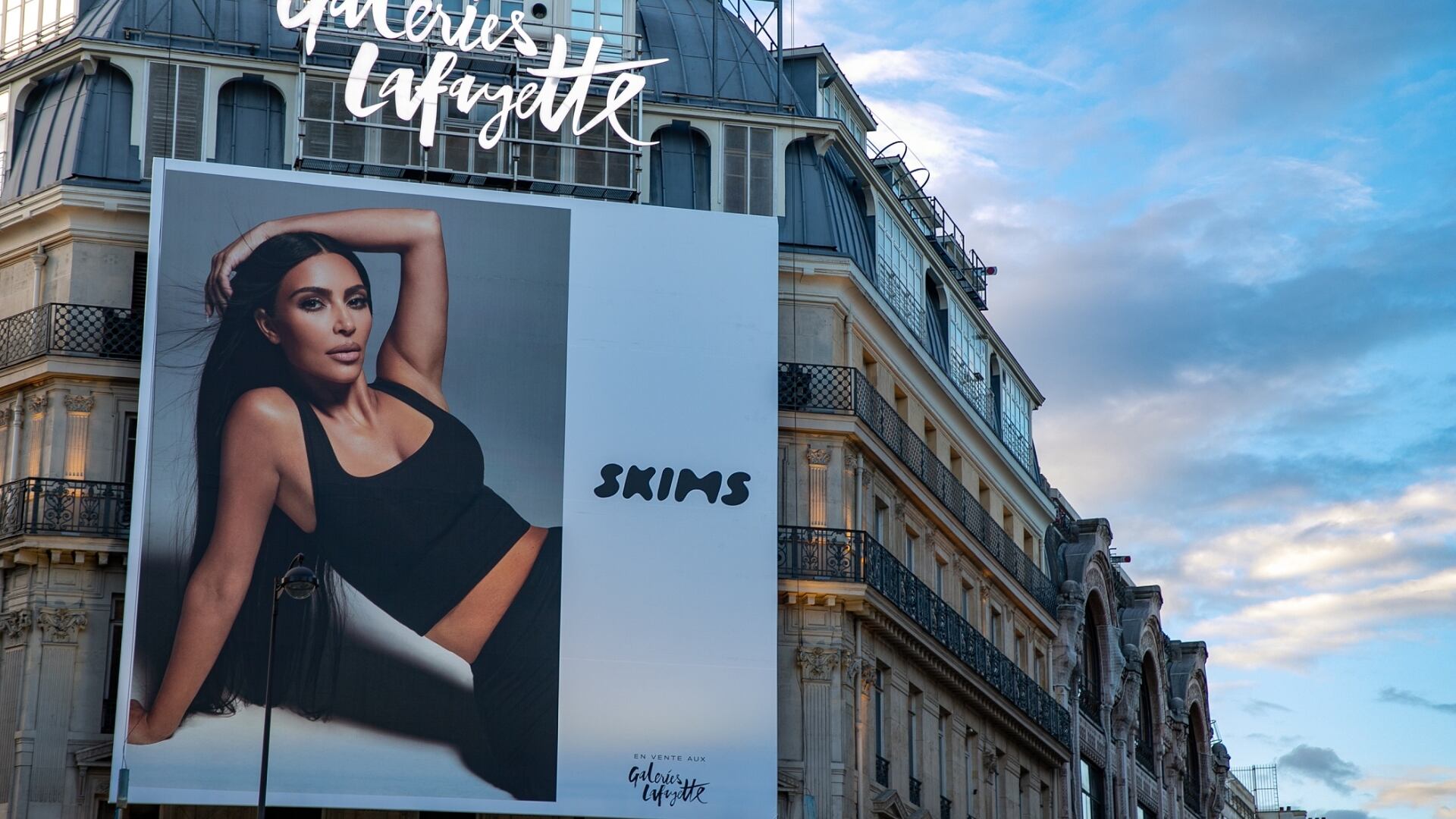
Kim Kardashian’s shapewear brand Skims has doubled its valuation to $3.2 billion. Investors have taken a bet on the success of this brand in the form of fresh funds for the two-year-old company.
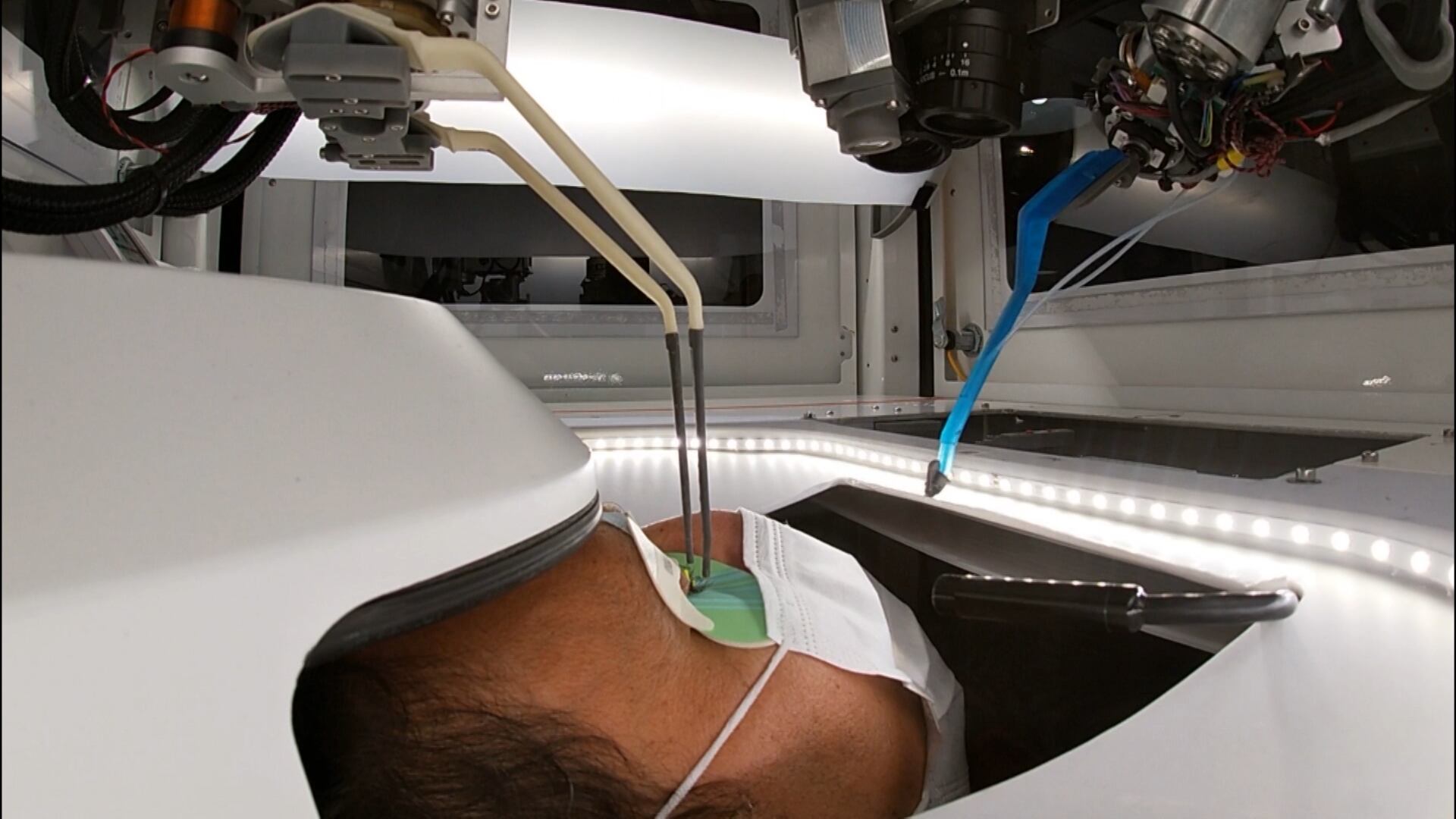
Nathan Harding, CEO of Luum, joins Cheddar Innovates to discuss the process of having a robot put on eyelash extensions, and how automation is making its way into the beauty industry
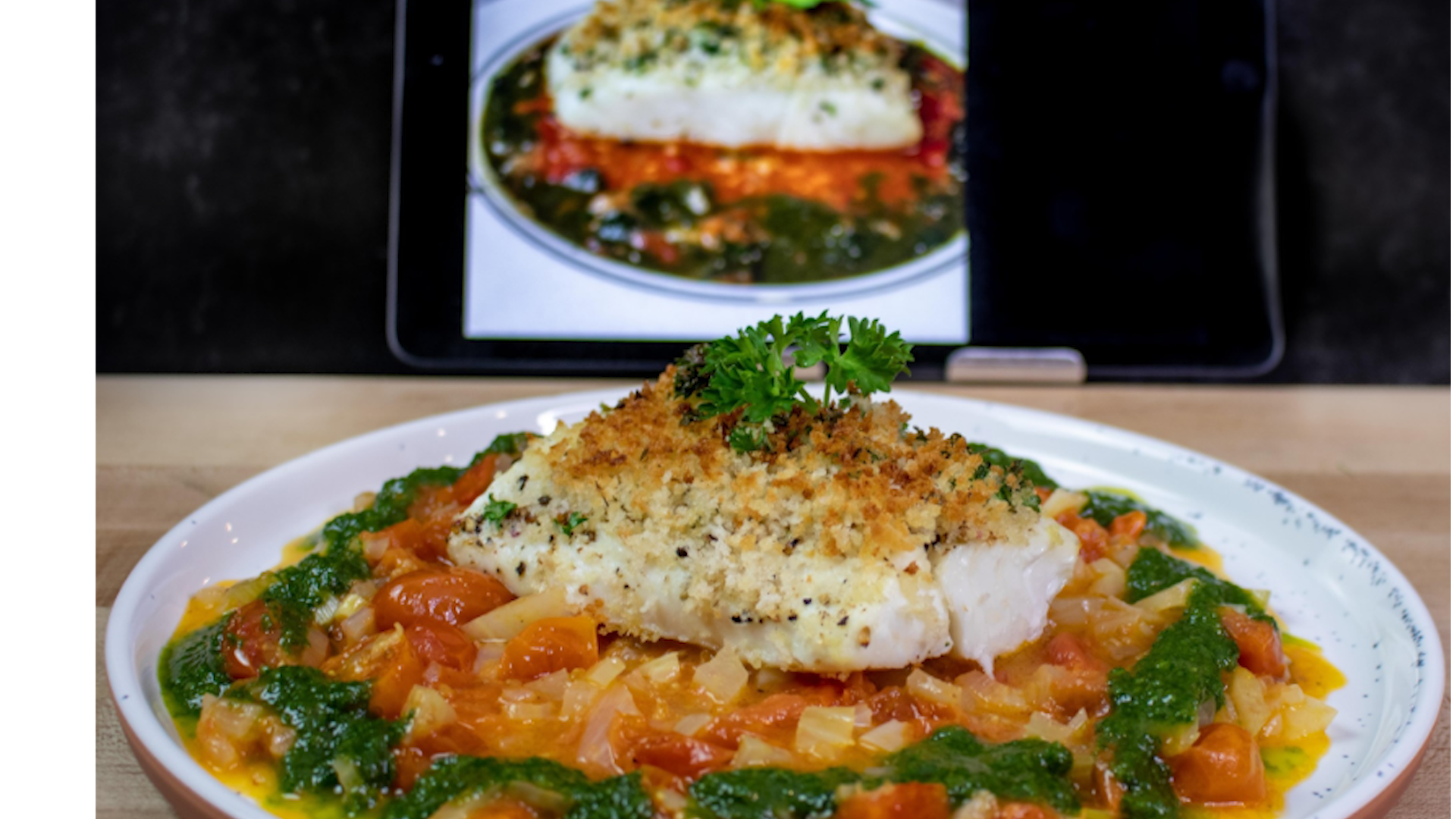
Kevin Yu, Founder and CEO of Sidechef, joins Cheddar Innovates to discuss how it's building a platform to make recipe shopping easy, and how its features help you discover new recipes with the same ingredients to fight the massive problem of food waste.
On this episode of Cheddar Innovates: Sidechef CEO breaks down how it's building a platform to make recipe shopping easy; Luum CEO explains the process of having a robot put on eyelash extensions; A look at Curiosity Stream's new original series, 'Evolve.'
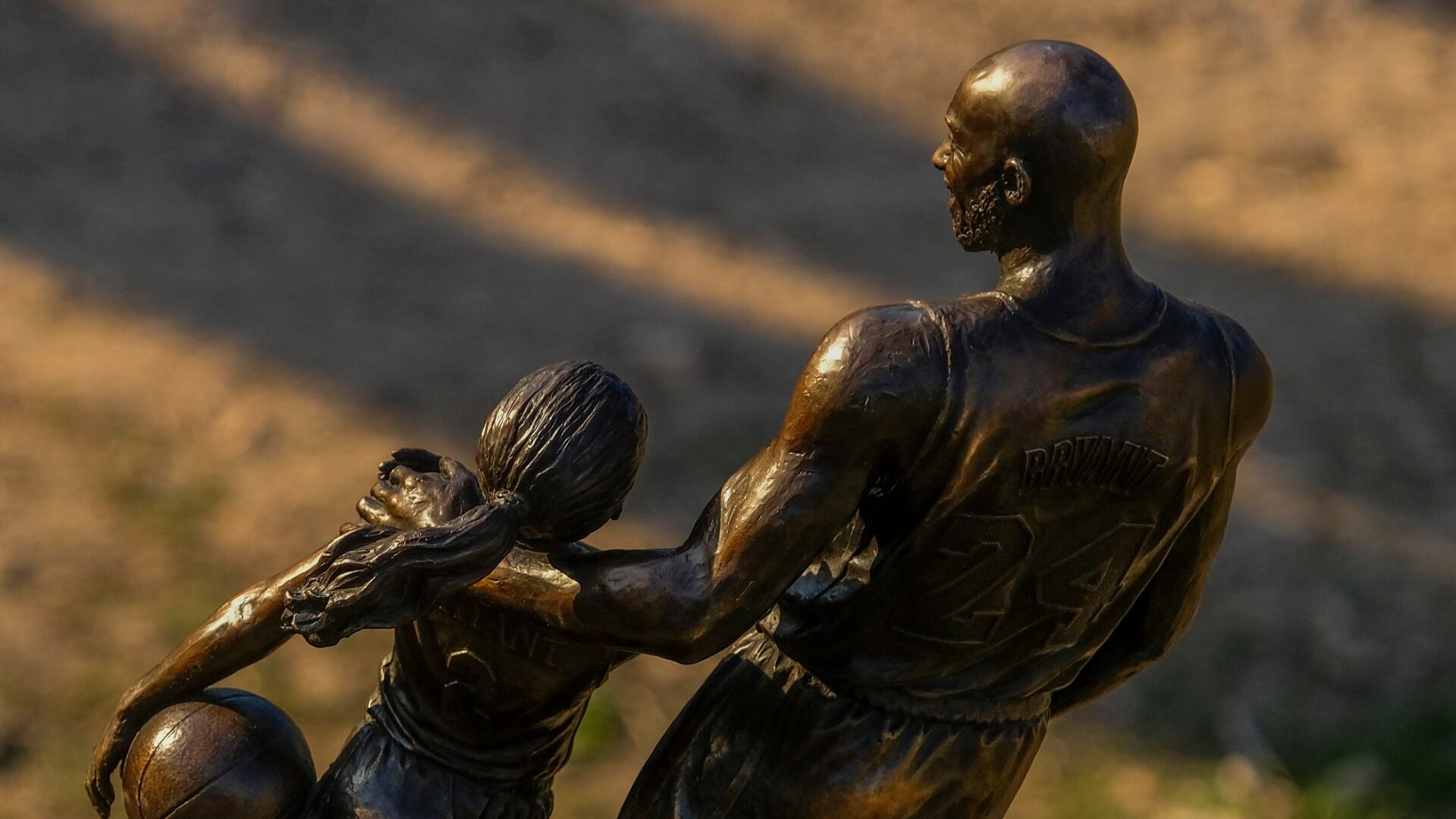
Wednesday marked two years since the basketball legend Kobe Bryant, his daughter Gianna, and seven others died in a tragic helicopter crash. In remembrance, a bronze statue has been temporarily placed at the site with all of the passenger's names included on the memorial.
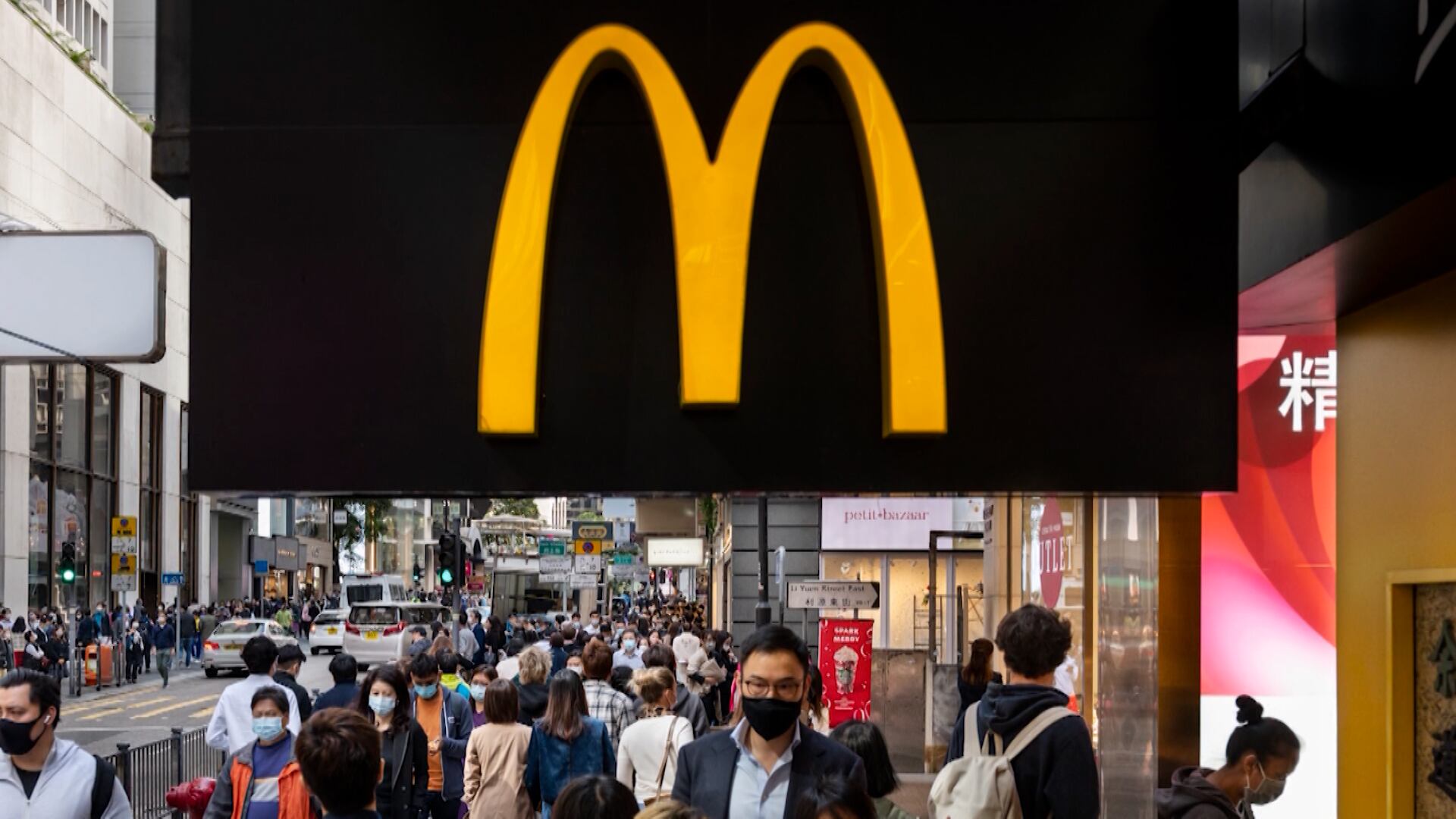
McDonald's missed on both the top and bottom lines in its Q4 earnings, marking the fourth loss for the fast-food giant in the past eight quarters. It comes as higher costs from food to wages ate into the blue-chip company's profits. George Seay, CEO of investment advisor Annandale Capital, joined Wake Up with Cheddar to discuss the recent numbers and the better-than-expected success of the McPlant burger made with plant-based Beyond Meat. "They're changing with the times, and they have to," Seay noted. "You can just sell a Big Mac to everybody. There's a lot of people who don't want to eat a Big Mac anymore."