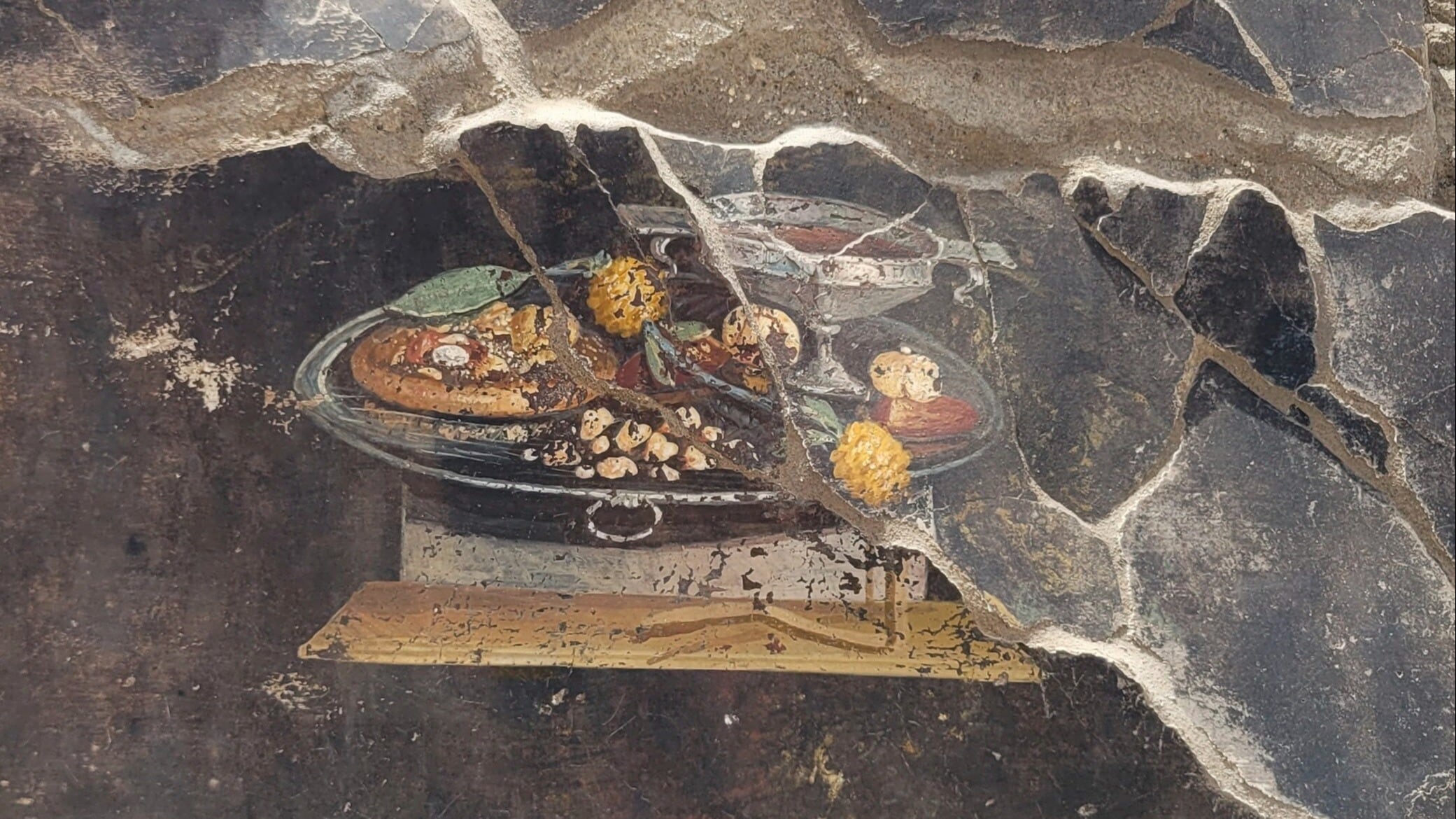
This picture provided on Tuesday, June 27, 2023, by the Pompeii Archaeological Park shows the wall of an ancient Pompeian house with a fresco depicting a table with food. The fresco was found in the atrium of a house in Insula 10 of Regio IX under excavation, to which a bakery was annexed, already partially explored between 1888 and 1891 and whose investigations were resumed last January. (Pompeii Archaeological Park via AP, ho)
A still-life fresco discovered recently in the Pompeii archaeological site looks like a pizza, but it's not, experts at the archaeological site said Tuesday.
They noted that key ingredients needed to make Italy's iconic dish — tomatoes and mozzarella — were not available when the fresco was painted some 2,000 years ago.
Tomatoes were only introduced to Europe from the Americas a few centuries ago, and some histories have it that the discovery of mozzarella led directly to the invention of pizza in nearby Naples in the 1700s.
The image is instead believed to be a focaccia covered with fruit, including pomegranate and possibly dates, finished with spices or a type of pesto, experts said. In the fresco, it is served on a silver plate and a wine chalice stands next to it.
The contrast of the frugal meal served in a luxurious setting, denoted by the silver tray, is not unlike modern-day pizza, “born as a poor-man’s dish in southern Italy, which has won over the world and is served even in starred restaurants," said Gabriel Zuchtriegel, director of the Pompeii archaeological site.
The ancient Roman city of Pompeii was destroyed in the eruption of nearby Mount Vesuvius in 79 A.D. The sudden and deadly event left much of the structure intact, embalmed in volcanic ash, and the site is now a major archaeological project and tourist attraction.
The Coldiretti ag lobby immediately seized on the discovery of the fresco to promote pizza — invented as a quick meal for the working poor — as a national treasure. Today, pizza represents one-third of the food budget of foreign visitors and generates total annual revenues of 15 billion euros ($16.4 billion) in Italy.
The art of the Neapolitan pizzamaker was put on UNESCO’s intangible cultural heritage list in 2017, recognized for its four phases of dough preparation and for being baked exclusively in a wood oven at 485 degrees Celsius (905 degrees Fahrenheit.)
Natalie Fertig, federal cannabis policy reporter at Politico Pro, joins Cheddar News to discuss a new YouGov poll that looks at how Americans feel about marijuana and politics.
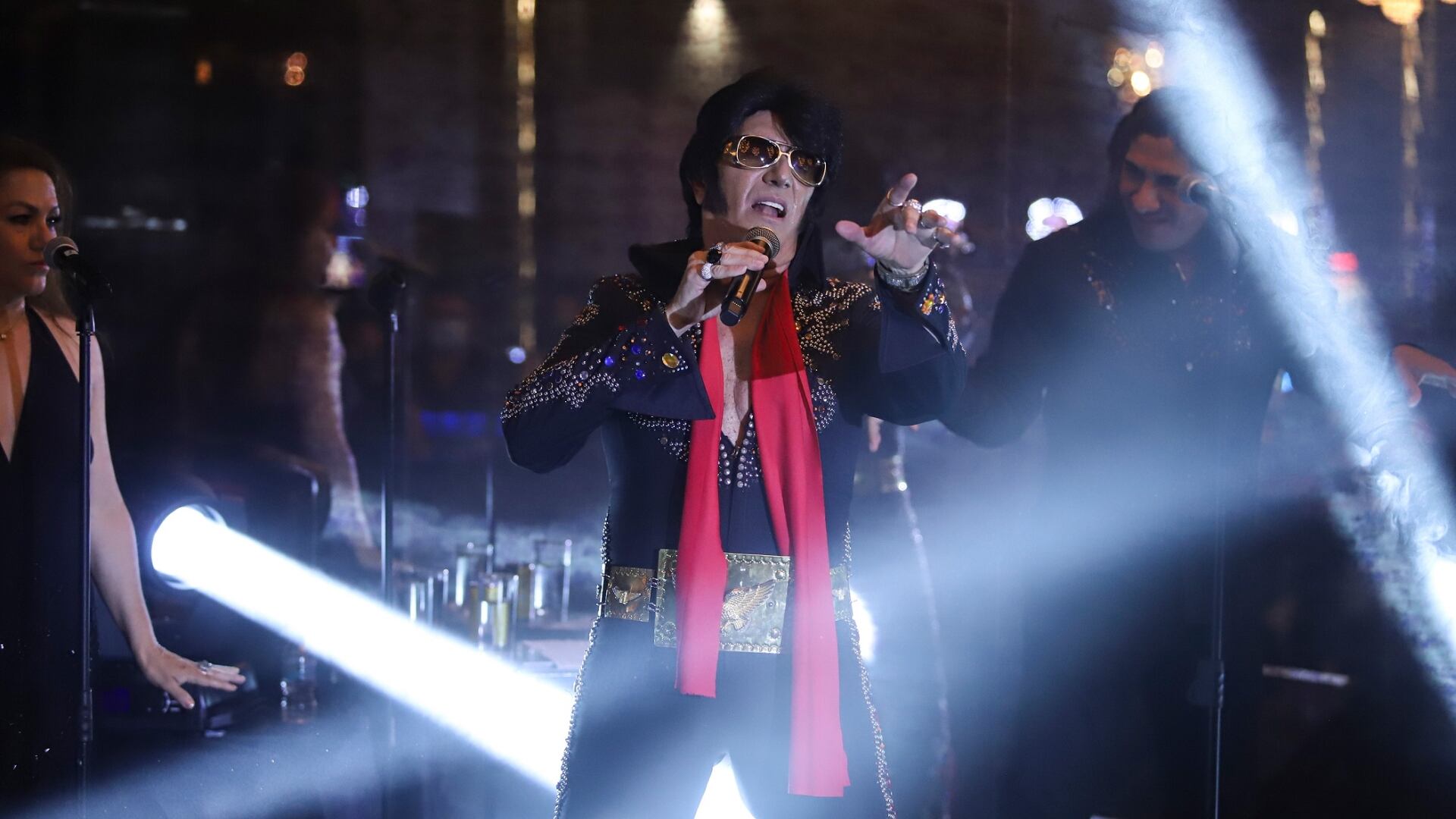
A virtual gathering in the online space, Decentraland, of Elvis Presley impersonators is looking to grab the Guinness World Record for most Elvis impersonators in one place after the record-keeping org recently approved the use of avatars as stand-ins for people.
A powerful winter storm hit the Northeast over the weekend leaving 100,000 New Yorkers in the dark as well as snowfall up to 30.9 inches in parts of Massachusetts. The nor'easter hit with blizzard conditions of wind speed and poor visibility.
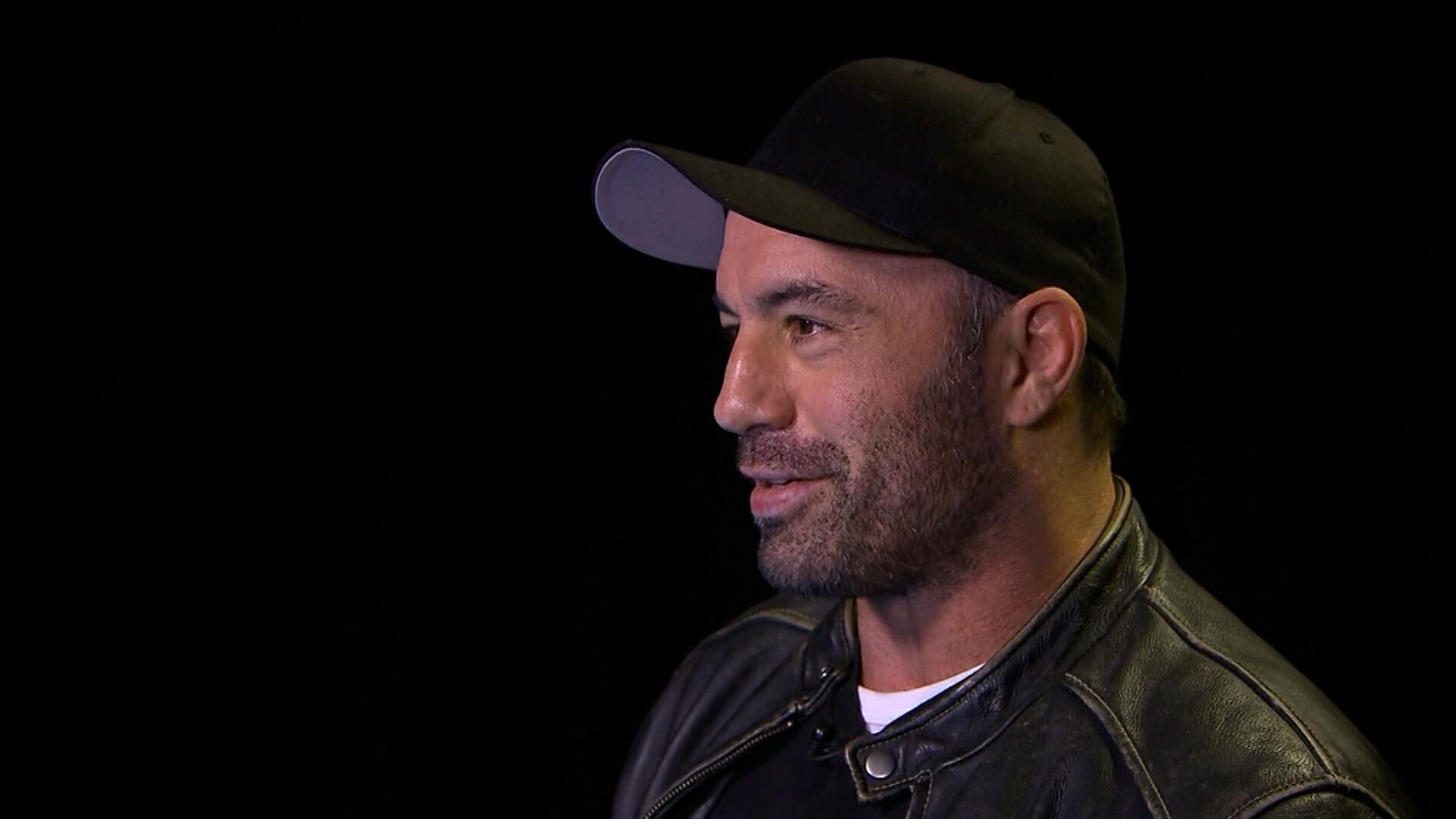
After classic rocker Neil Young demanded removal of his music from Spotify over vaccine misinformation coming from The Joe Rogan Experience podcast, the platform made the decision to take down Young's songs and continue supporting Rogan with whom they have an exclusive contract. The move touched off a firestorm of controversy, leading to responses from both the streaming service and the podcasting host. Evan Nierman, CEO of Red Banyan Crisis PR, joined Cheddar to break down the latest on the fracas. "I think when [Spotify] initially said, we're not going to be commenting on that, that was a silly move because guess what? They did end up commenting about it, and nine times out of 10, when an organization says they're not going to be issuing a comment, they ultimately do," Nierman noted.
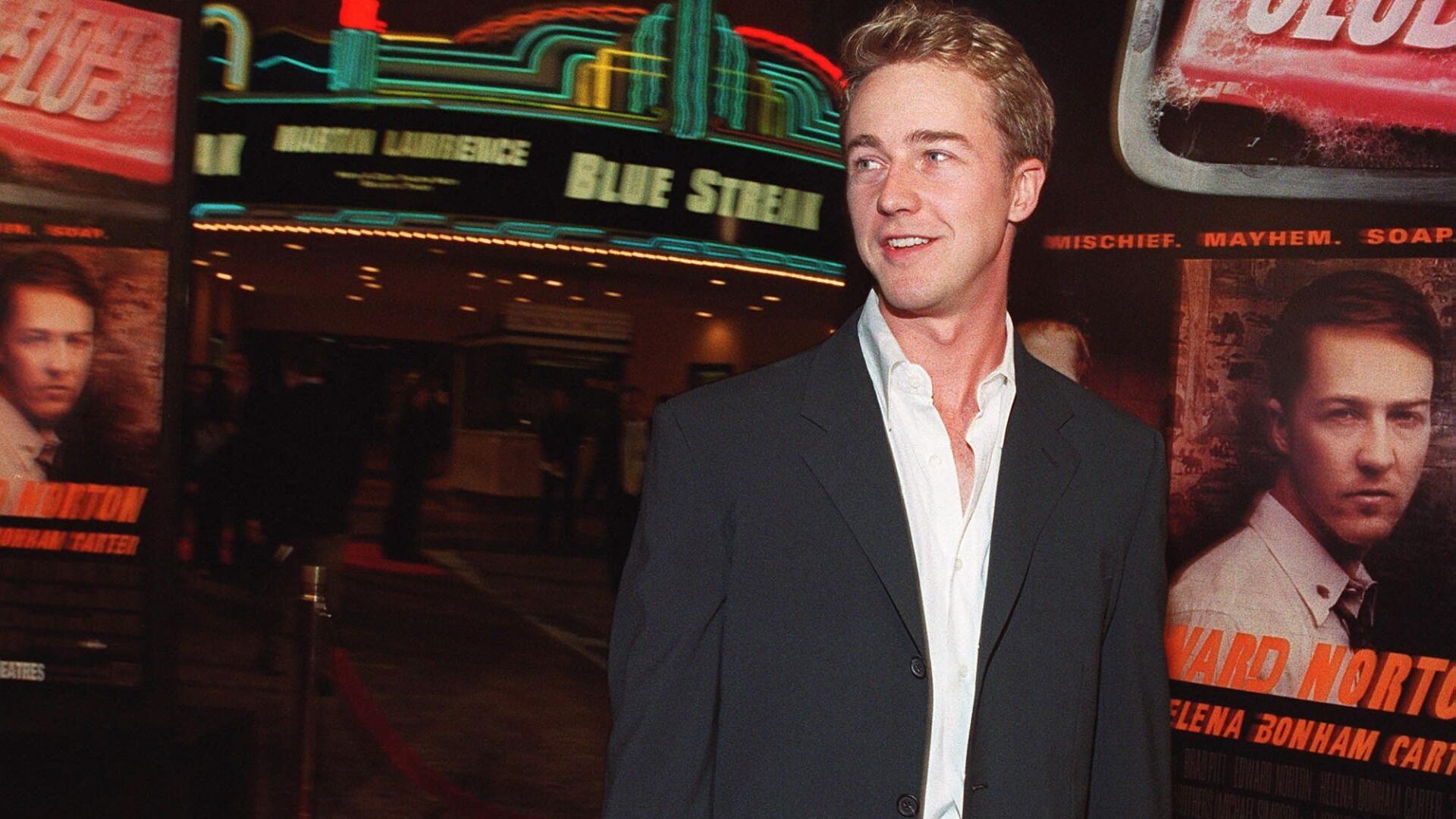
The 1999 cult classic "Fight Club" has been given a very different ending in China — and this time, the authorities win. Cheddar News speaks with Joan Solsman, senior media reporter at CNET who breaks down how China is using films for political messaging.
NFT art platform TRLab recently raised $4.2 million in funding. TRLab launched just last year but says its platform focused on NFT curation and distribution is growing quickly. The company hopes to bridge traditional and digital art worlds and help artists explore NFTs as an emerging medium. TRLab co-founder and chairwoman Xin Li-Cohen and co-founder and CEO Audrey Ou joined Cheddar News' Closing Bell to discuss.