A Texas woman was arrested and has been charged with threatening to kill the federal judge overseeing the criminal case against former President Donald Trump in Washington and a member of Congress.
Abigail Jo Shry of Alvin, Texas, called the federal courthouse in Washington and left the threatening message — using a racist term for U.S. District Judge Tanya Chutkan — on Aug. 5, court records show. Investigators traced her phone number and she later admitted to making the threatening call, according to a criminal complaint.
In the call, Shry told the judge, who is overseeing the election conspiracy case against Trump, “You are in our sights, we want to kill you," the documents said. Prosecutors allege Shry also said, “If Trump doesn't get elected in 2024, we are coming to kill you," and she threatened to kill U.S. Rep. Sheila Jackson Lee, a Texas Democrat running for mayor of Houston, according to court documents.
A judge earlier this week ordered Shry jailed. Court records show Shry is represented by the Houston public defender’s office, which did not immediately return a message seeking comment on Wednesday.
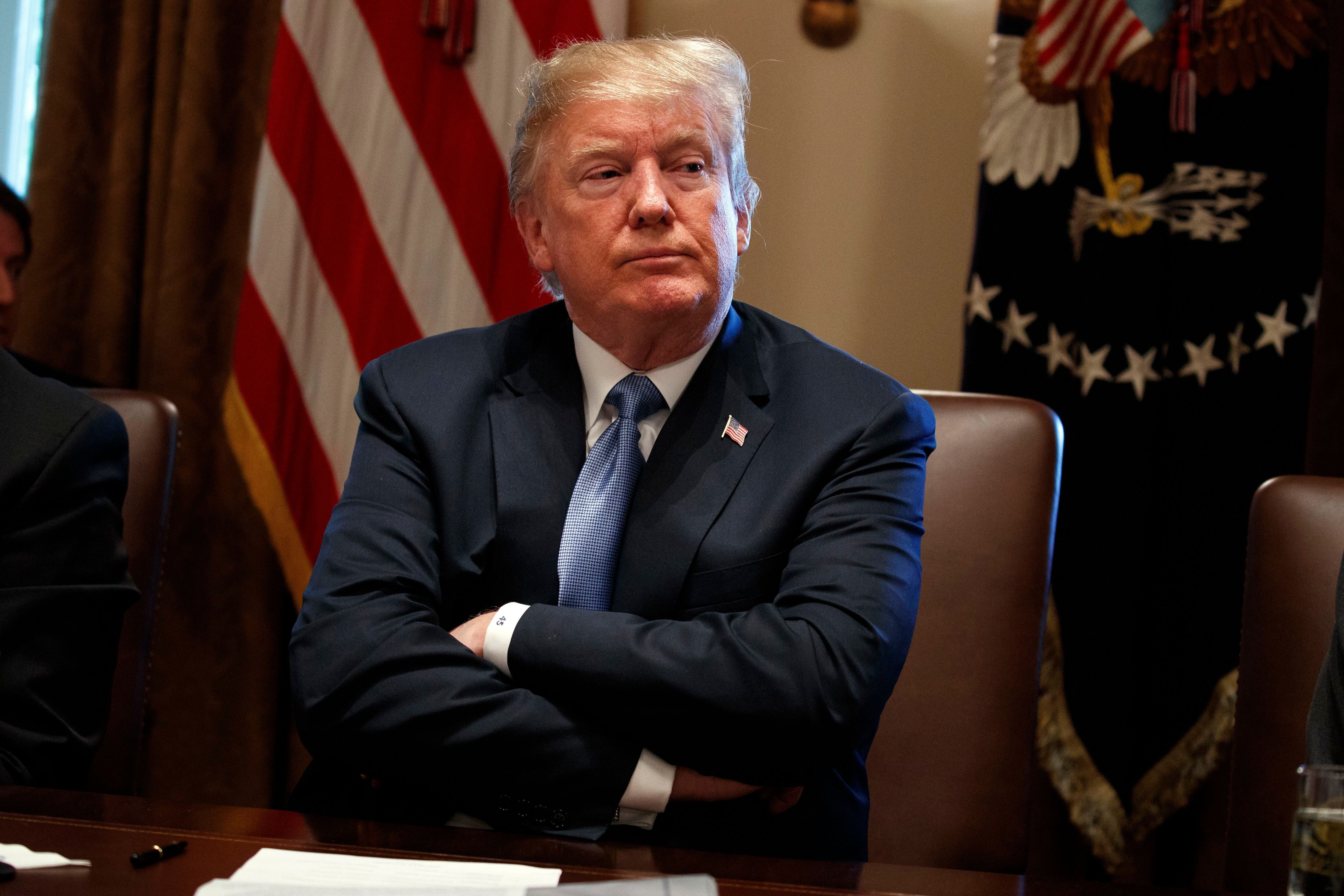
Trump has publicly assailed Chutkan, a former assistant public defender who was nominated to the bench by President Barack Obama, calling her “highly partisan” and “ VERY BIASED & UNFAIR!” because of her past comments in a separate case overseeing the sentencing of one of the defendants charged in the Jan. 6, 2021, riot at the U.S. Capitol.
Chutkan in a hearing Friday imposed a protective order in the case limiting what evidence handed over by prosecutors the former president and his legal team can publicly disclose. She warned Trump’s lawyers that his defense should be mounted in the courtroom and “not on the internet.”
Though FAANG stocks hit an all-time high last week, their gains could be undermined by the Trump administration's trade stand-off with China that could soon widen into the technology sector, says Jason Ware, chief investment officer at Albion Financial Group.
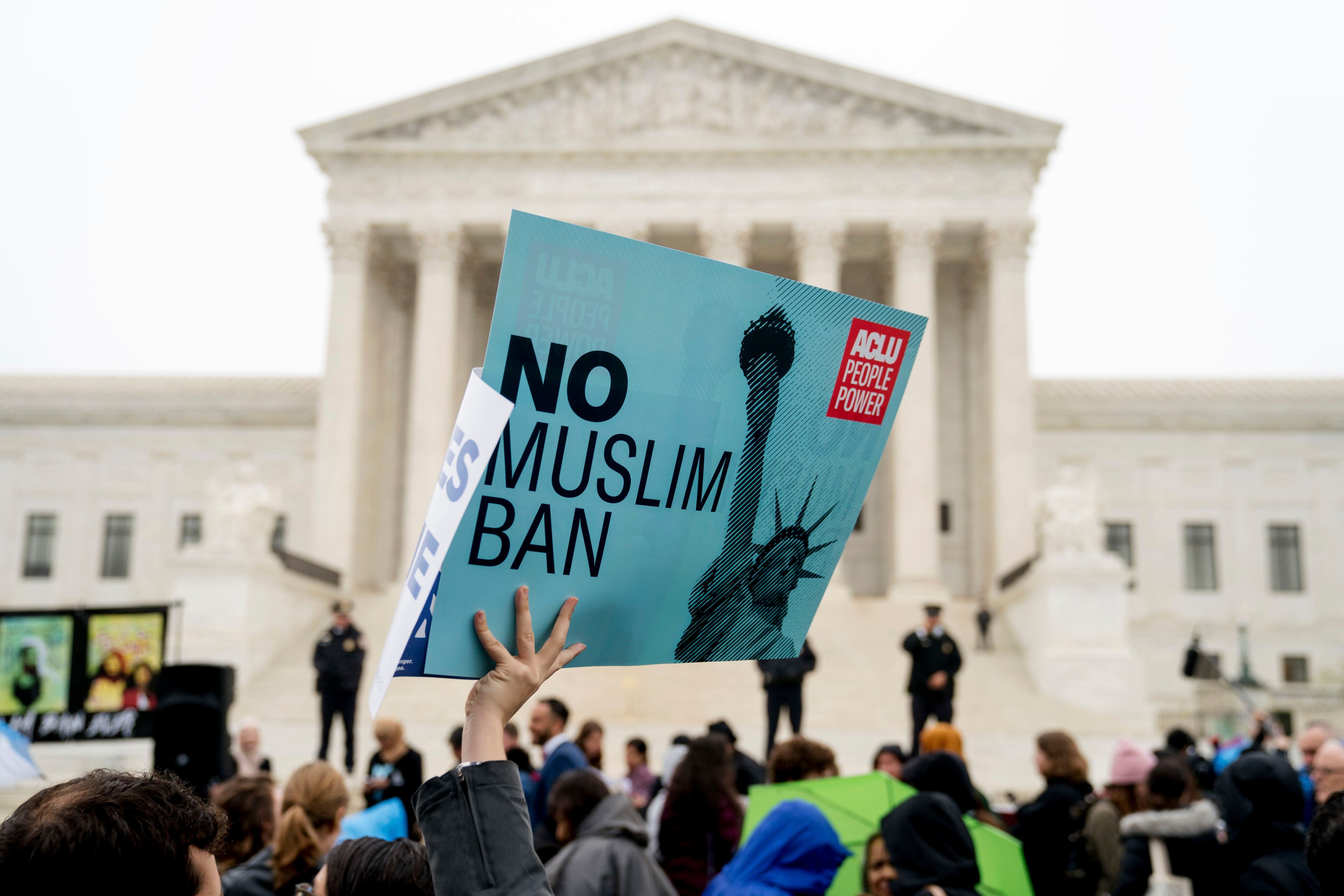
The country's highest court on Tuesday ruled in favor of the travel ban the Trump administration attempted to implement last year. The court rejected the argument that the policy exceeded the president's authority and that it discriminated against Muslims.
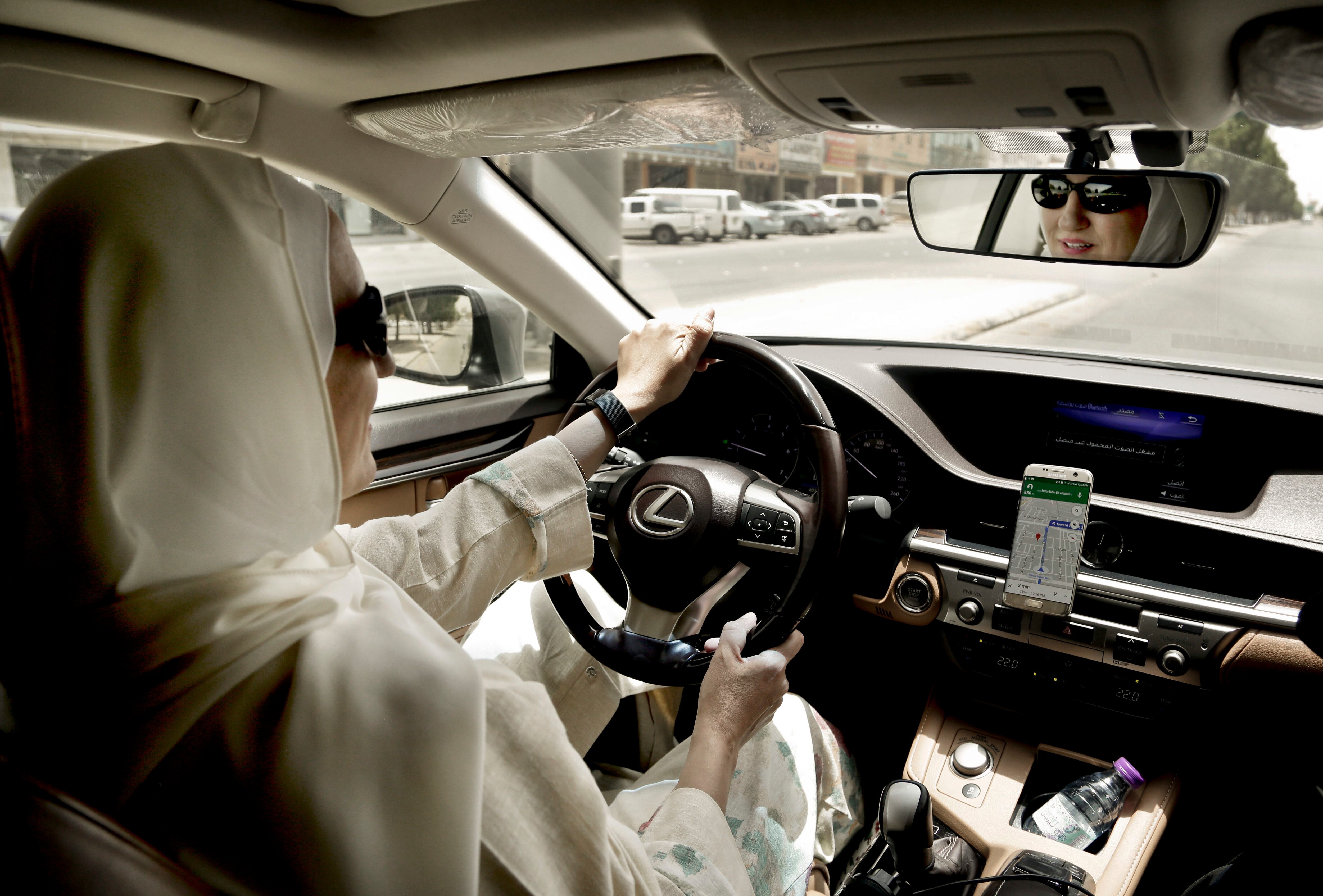
Letting women drive will make them "good workers and consumers," says Hiba Zayadin, the acting Saudi researcher at Human Rights Watch. But "the power structures and systems that keep women as second-class citizens" remain prevalent., she tells Cheddar.
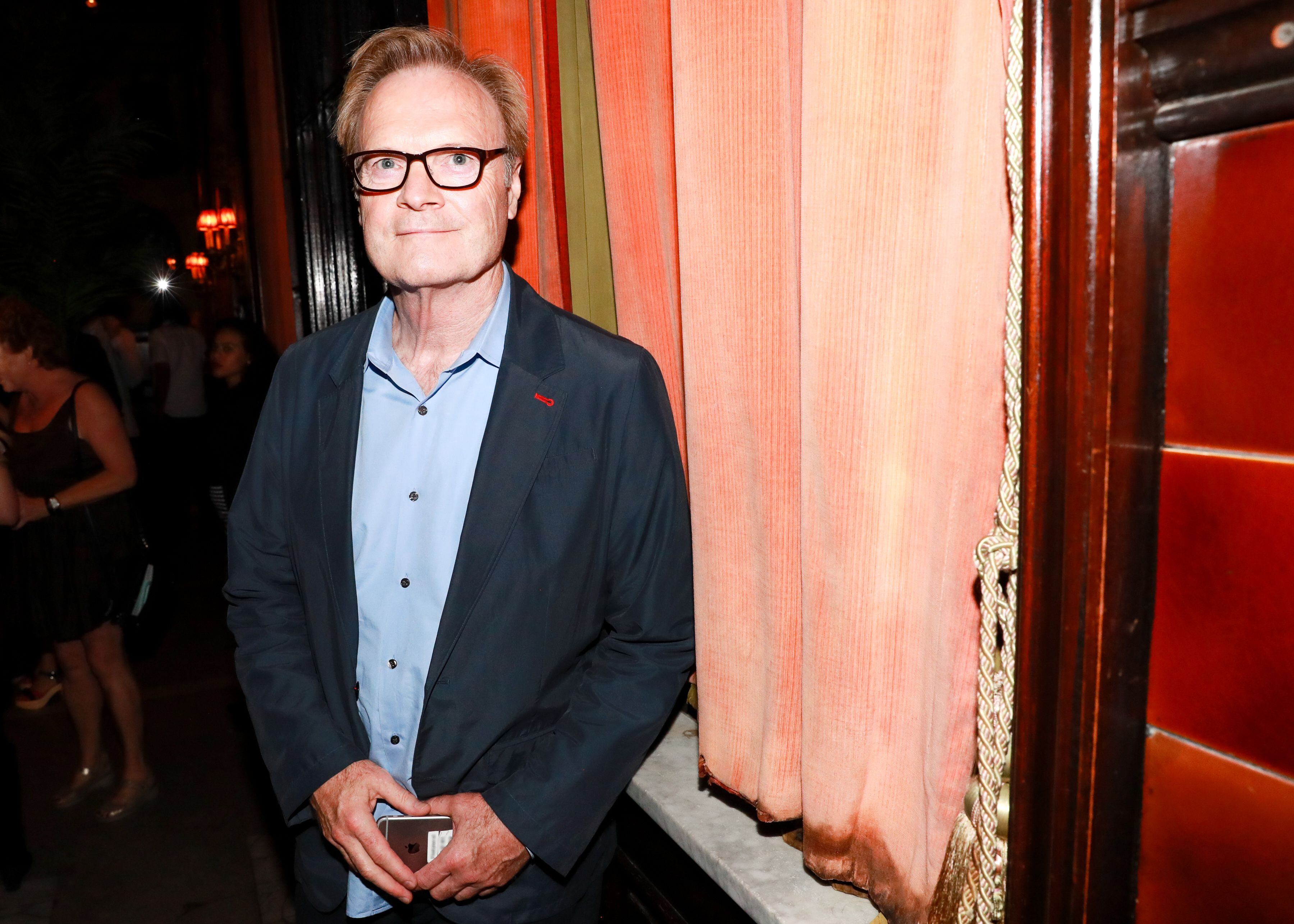
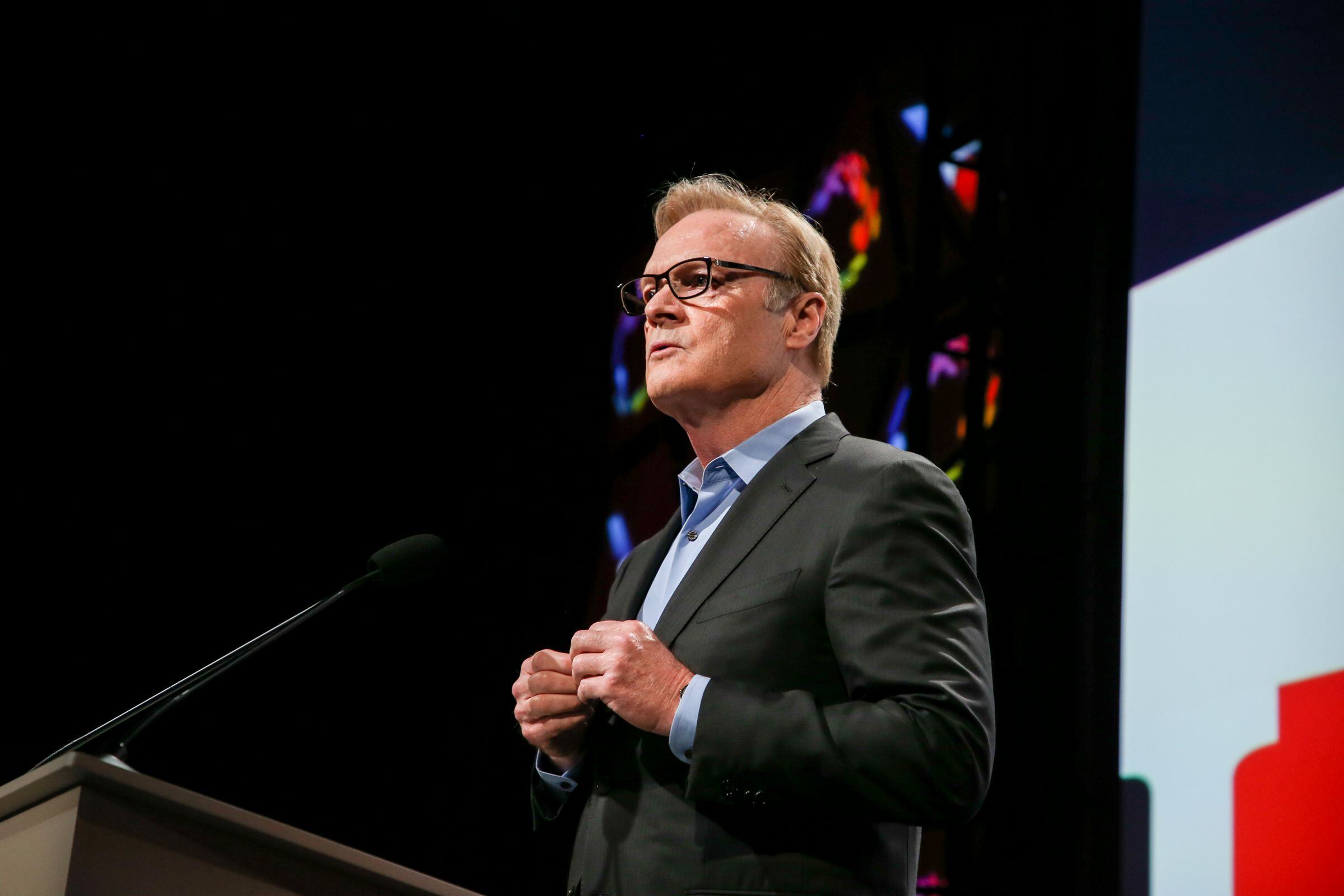
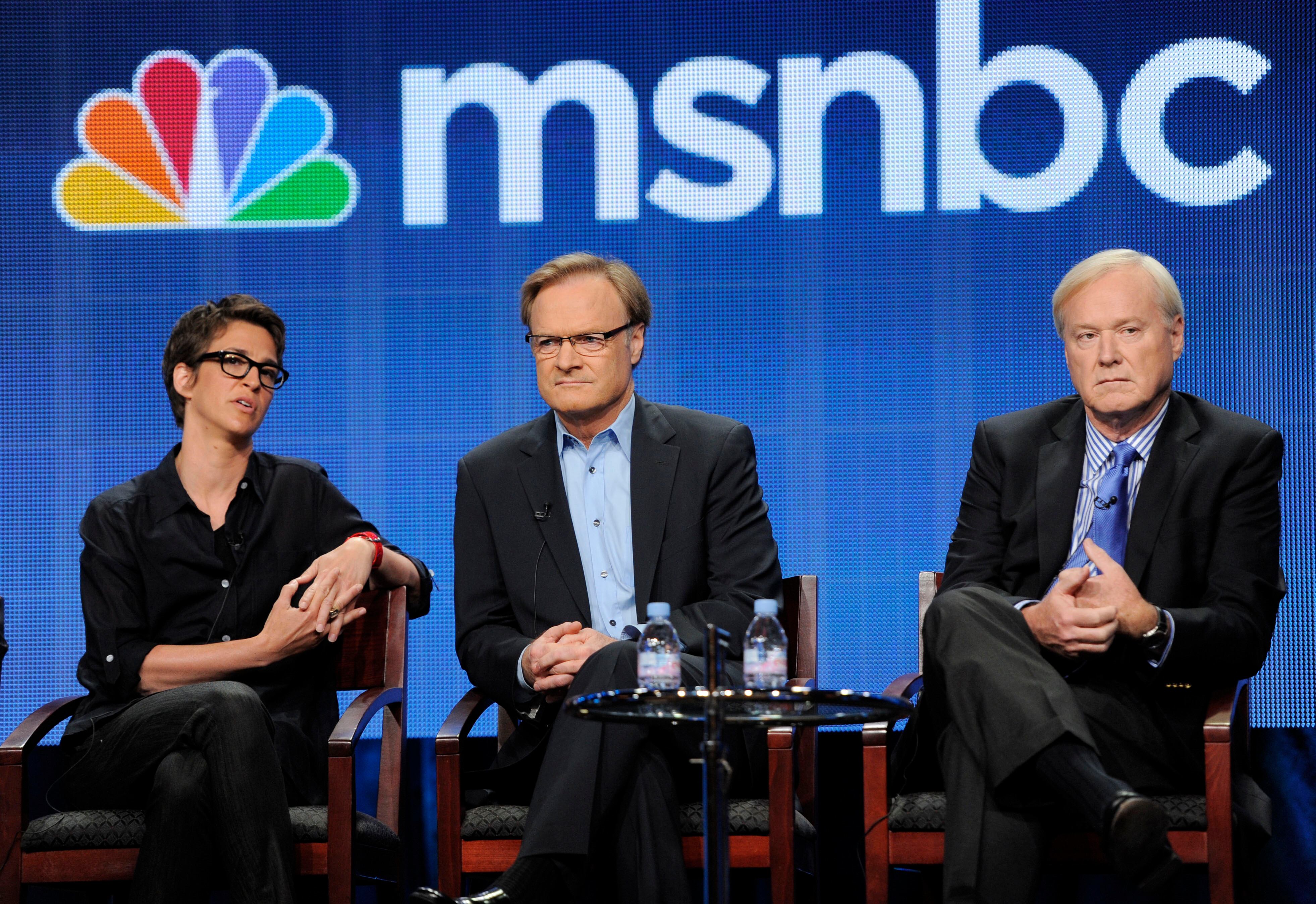
Police shootings have persisted in America for the last several decades but now personal video footage is holding officers accountable, says O'Donnell. The MSNBC host is re-publishing his book "Deadly Force" that chronicles the 1975 police shooting of an unarmed black man that was criticized as "basically a murder".
The president's consistent attacks on media outlets like CNN is "very, very good for business." But Trump has avoided directing his wrath at MSNBC since taking the White House, because the network "is much higher rated" and "he would prefer people to watch CNN," which features many pro-Trump speakers, says O'Donnell.
The MSNBC host explains what happened leading up to the moment when his co-worker, Rachel Maddow, broke down in tears on air while covering the border crisis. O'Donnell tells Cheddar that if he had to report the story on tender age shelters, he might have cried too.
Markets plunged on Monday as President Trump escalated already-tense trade relations with China and investors saw the first sign of American manufacturers feeling the impact of the Trump administration’s increasingly protectionist stance.
Melania Trump received a lot of criticism for wearing a jacket with the phrase "I DON'T REALLY CARE, DO U?" scrawled across the back on her way to meet with migrant children at the Texas-Mexico border. The bizarre choice, at such a heated moment, may have been "a very calculated move," said Vox reporter Rebecca Jennings.
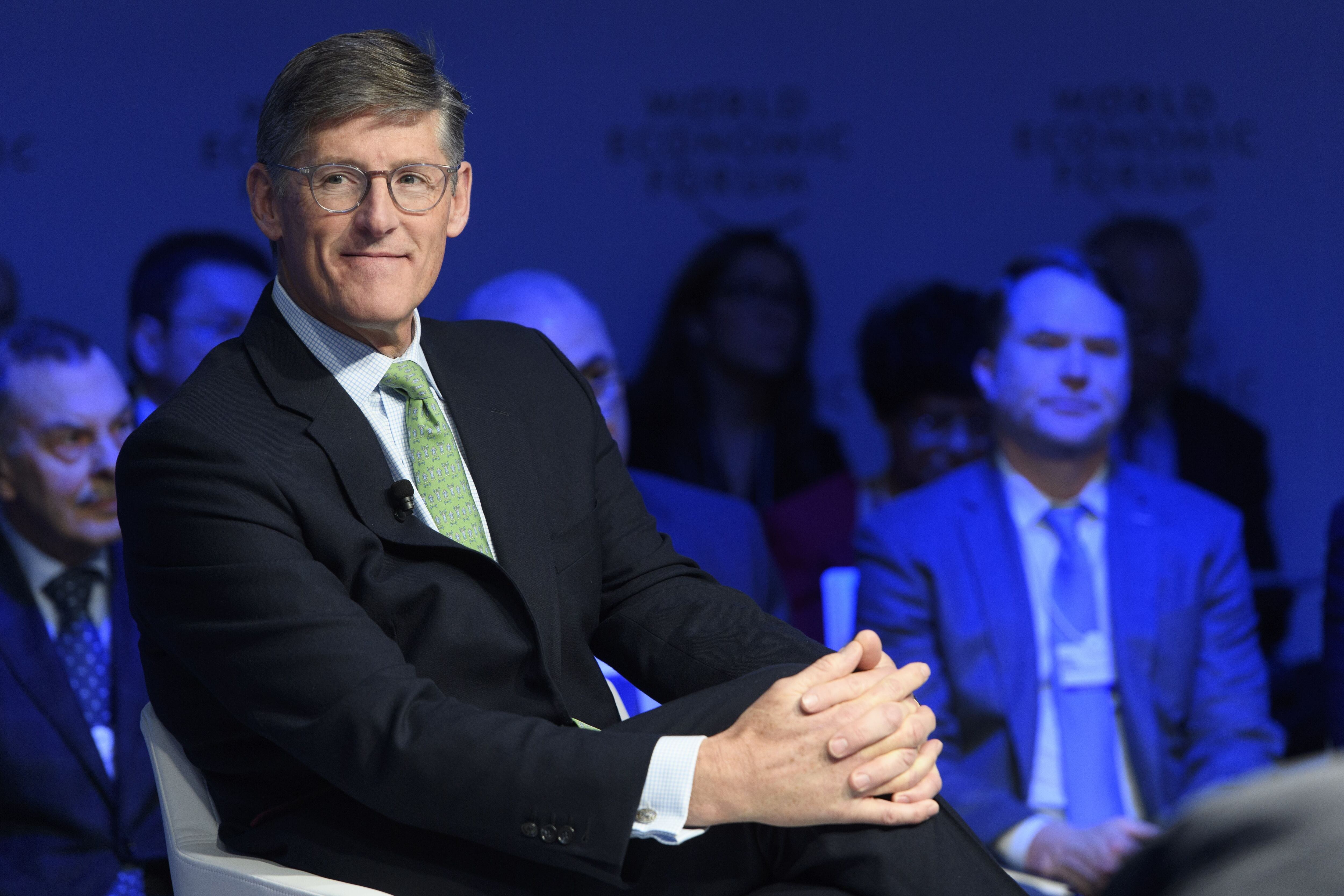
Citigroup CEO Michael Corbat weighs in on the backlash over family separation at the border and the need for immigration reform.
Image Credit: Shutterstock
The country's top court on Thursday ruled that states can force online retailers to charge sales taxes on purchases even if they don't have a physical presence in the state. D.A. Davidson's Tom Forte says Amazon may actually end up benefiting from that rule.