A Texas woman was arrested and has been charged with threatening to kill the federal judge overseeing the criminal case against former President Donald Trump in Washington and a member of Congress.
Abigail Jo Shry of Alvin, Texas, called the federal courthouse in Washington and left the threatening message — using a racist term for U.S. District Judge Tanya Chutkan — on Aug. 5, court records show. Investigators traced her phone number and she later admitted to making the threatening call, according to a criminal complaint.
In the call, Shry told the judge, who is overseeing the election conspiracy case against Trump, “You are in our sights, we want to kill you," the documents said. Prosecutors allege Shry also said, “If Trump doesn't get elected in 2024, we are coming to kill you," and she threatened to kill U.S. Rep. Sheila Jackson Lee, a Texas Democrat running for mayor of Houston, according to court documents.
A judge earlier this week ordered Shry jailed. Court records show Shry is represented by the Houston public defender’s office, which did not immediately return a message seeking comment on Wednesday.
Trump has publicly assailed Chutkan, a former assistant public defender who was nominated to the bench by President Barack Obama, calling her “highly partisan” and “ VERY BIASED & UNFAIR!” because of her past comments in a separate case overseeing the sentencing of one of the defendants charged in the Jan. 6, 2021, riot at the U.S. Capitol.
Chutkan in a hearing Friday imposed a protective order in the case limiting what evidence handed over by prosecutors the former president and his legal team can publicly disclose. She warned Trump’s lawyers that his defense should be mounted in the courtroom and “not on the internet.”
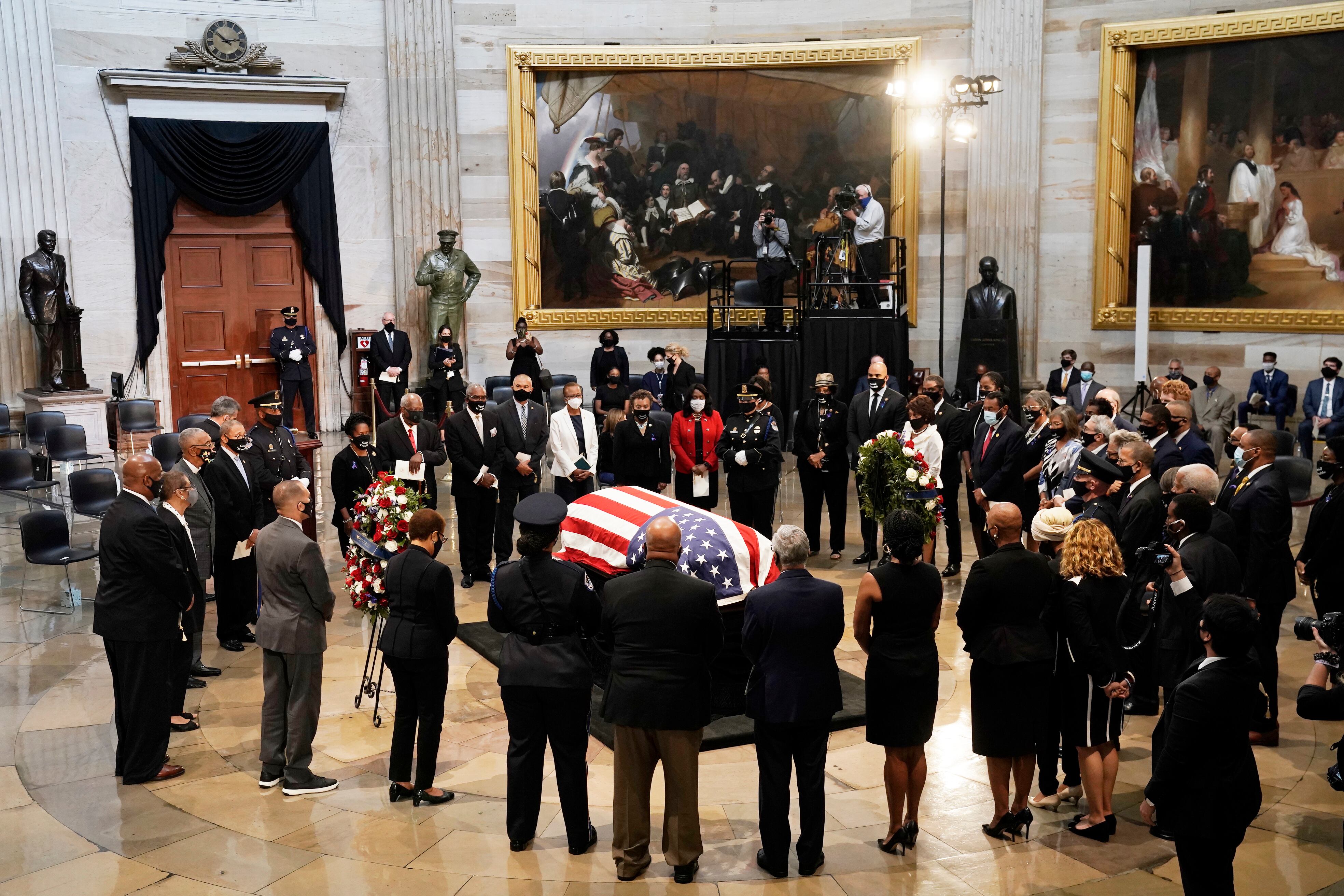
Congressional leaders are praising the late Rep. John Lewis as a moral force for the nation in a Capitol Rotunda ceremony rich with symbolism and punctuated by the booming, recorded voice of the late civil rights icon.
As the coronavirus pandemic hits Americans' wallets, it is also exposing the long standing wealth gap between minority communities and white Americans, according to Damon Jones, professor at the University of Chicago.
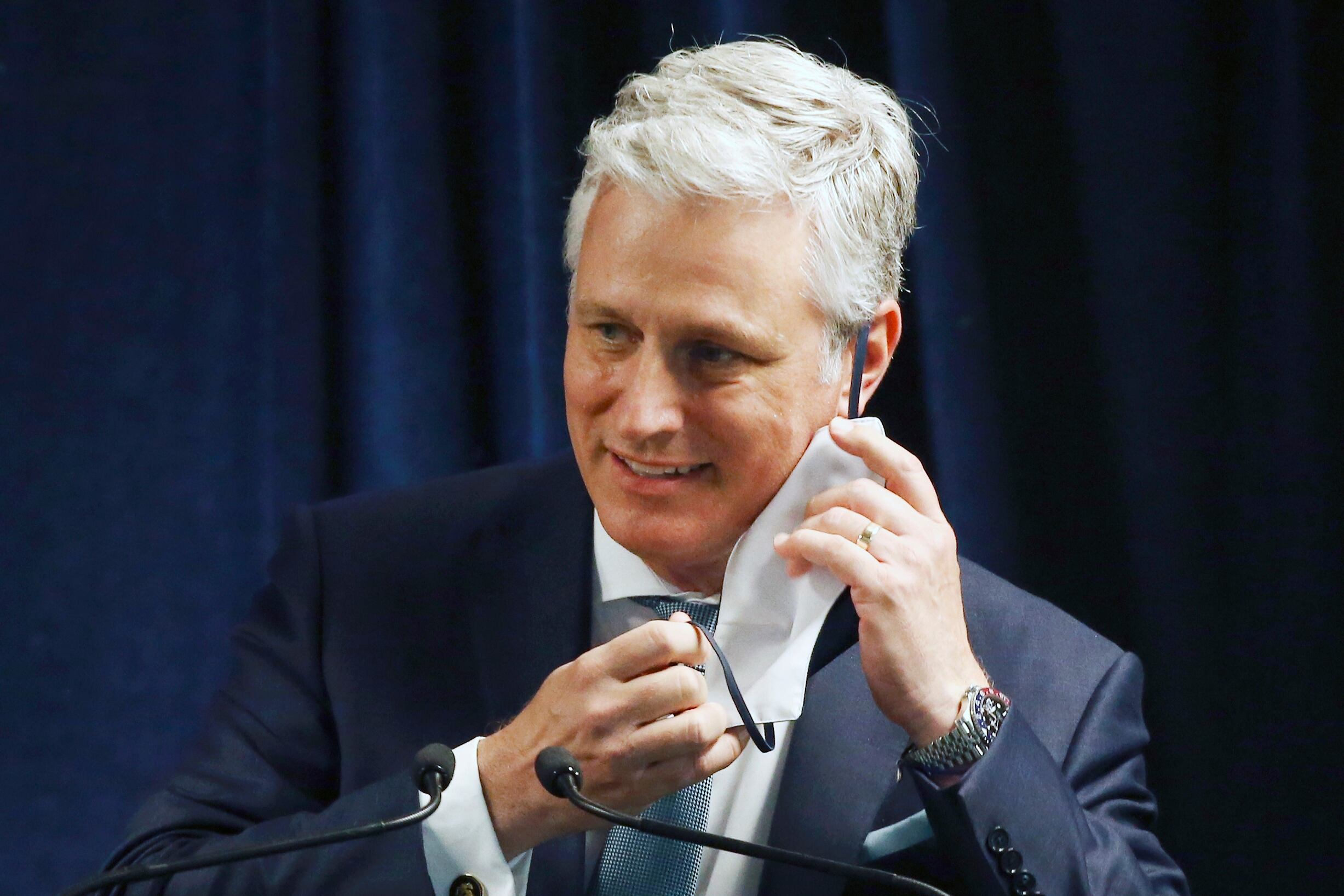
President Donald Trump's National Security Adviser Robert O'Brien has tested positive for the coronavirus — making him the highest-ranking official to test positive so far.
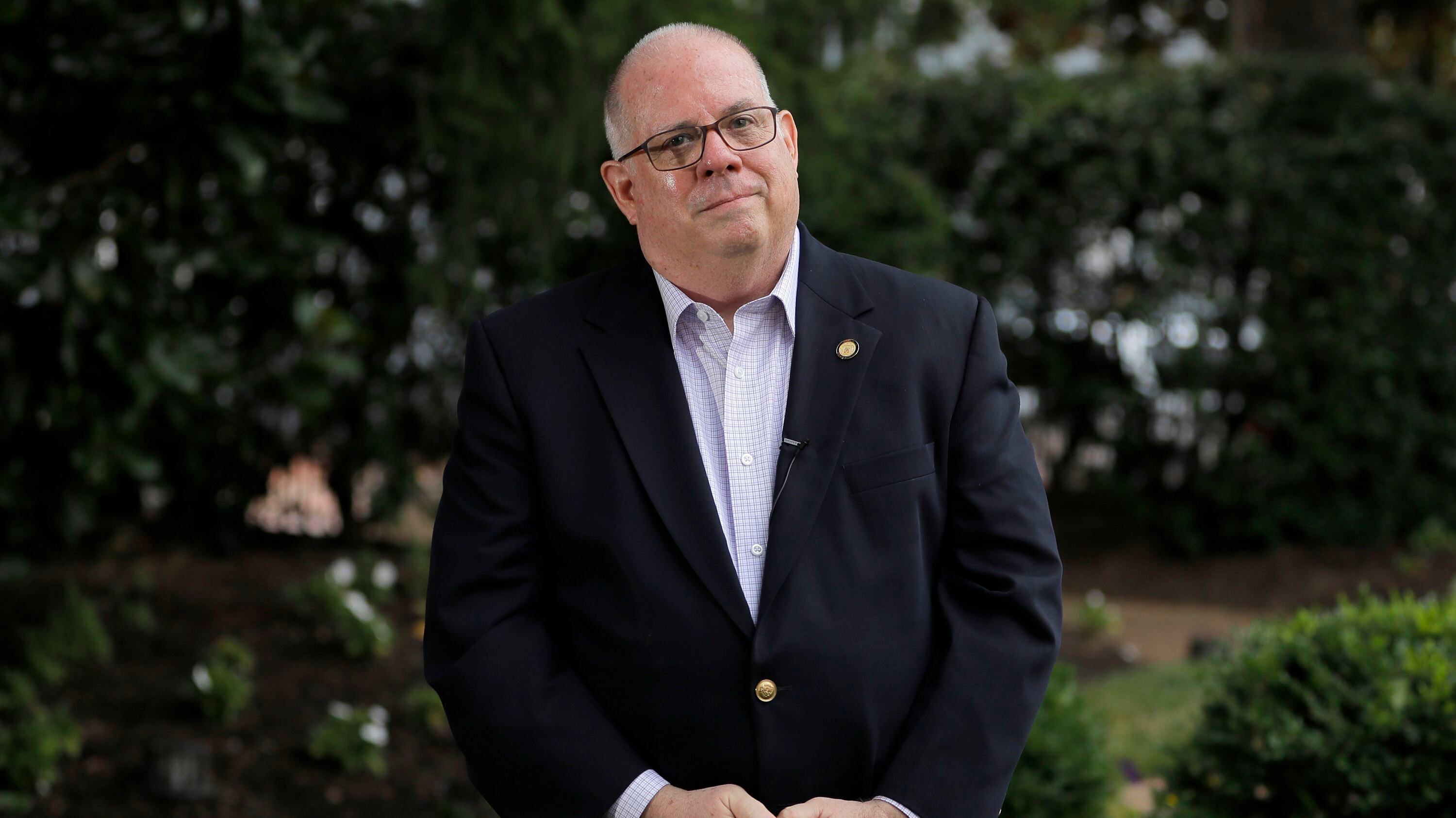
Maryland Governor Larry Hogan says a GOP shake-up is on the horizon following the Trump presidency as calls for change echo across the U.S.
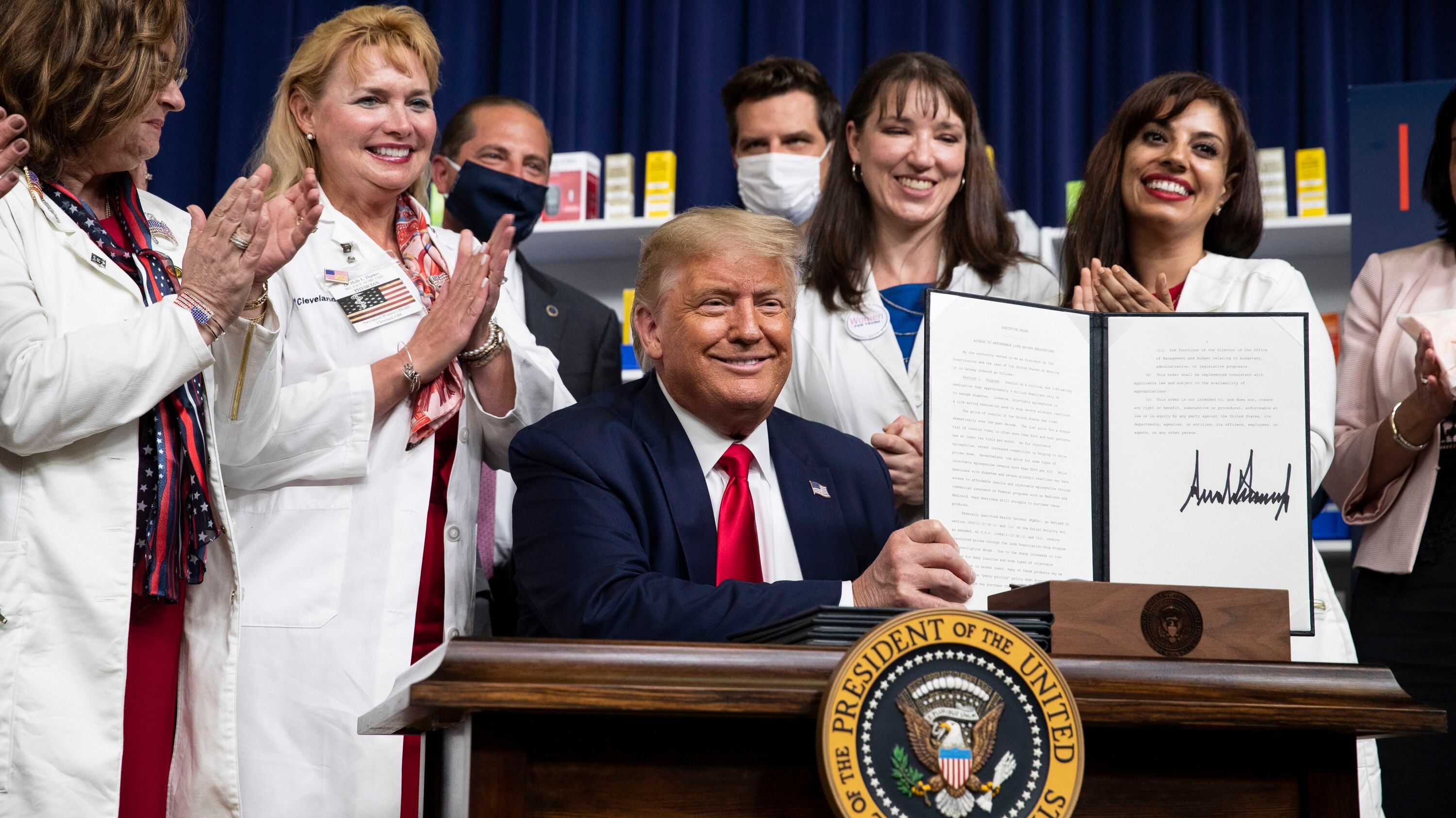
President Donald Trump has been unable to land the big deal he sought with Congress to curb drug costs. But now he's moving on his own to allow imports of cheaper prescription medicines, along with other limited steps that could still have election-year appeal.
Stocks closed broadly lower for the second day in a row Friday as Wall Street gave back some of its gains from a mostly solid July rally.
From Wall Street to Silicon Valley, these are the top stories that moved markets and had investors, business leaders, and entrepreneurs talking this week on Cheddar.
As President Trump's actions are dissected since protests erupted following the killing of George Floyd at the hands of police, much has been made of how past presidents responded to civil unrest over the last century.
President Donald Trump is announcing that he has canceled segments of the Republican National Convention scheduled for Florida next month.
If the Democratic nominee Candace Valenzuela manages to pull off a win in Texas' 24th District, she will make history as the country's first Afro-Latina congresswoman.