*By Conor White*
The positive [news](https://cheddar.com/videos/tesla-stock-surges-after-q2-earnings-report) in Tesla's second quarter earnings report outweighed the negatives for most investors, sending shares up more than 12 percent to their highest level in a month.
The electric carmaker announced that Model 3 production is up, but it posted losses of more than $700 million.
Some analysts have fundamental doubts about Tesla's future.
"It's a story stock," said Mark Spiegel, managing member at Stanphyl Capital. "What you have here are: bulls who couldn't care less about balance sheets or profit and loss statements; and you've got bears, or as I would call them, realists, who care a lot about that kind of stuff."
Spiegel counts himself in the latter group. He said in an interview Thursday on Cheddar that Tesla didn't do nearly enough to assuage fears about its future ー and that doesn't even account for all the other car companies eager for a bigger slice of the electric vehicle industry.
"There's a massive amount of competition coming for this company," Speigel said. "Between the Jaguar that's out now and the Audi, Mercedes, and Porsche coming out next year, it's going to destroy Model S and X sales, and that's where \[Tesla's\] margin isーwhatever margin they have."
And even though [outspoken](https://cheddar.com/videos/will-elon-musk-behave-on-this-weeks-earnings-call) CEO Elon Musk behaved on this conference call, there's no telling what he will do next.
After reaching its production goal of 5,000 Model 3 cars per week, Tesla reports it now wants to churn out 10,000 per week, "as fast as we can."
Spiegel dismissed those numbers ー and Tesla more generally.
"They're a perennial over-promiser and under-deliverer," he said.
"The reason they keep putting out these aggressive numbers is it supports the stock, which is an absurd valuation. If Tesla were a normal car company losing this much money, the stock would be in the low single digits."
For more on this story, [click here](https://cheddar.com/videos/tesla-announces-biggest-loss-ever-but-shares-rally).
The VR company's latest mid-range product doesn't need to be tethered to another device, and it can sync up with TV apps or personal photos.
President Trump is delaying a decision on whether to impose tariffs on the EU, Canada, and Mexico by 30 days. The EU slammed this decision, saying "we will not negotiate under threat." Back in March, the Trump administration announced plans to impose tariffs on steel and aluminum imports from other countries.
The co-founder of WhatsApp is leaving the company and the board of Facebook. Jan Koum reportedly clashed with the social media giant over its data privacy policies. Facebook bought WhatsApp in 2014 for roughly $19 billion.
We're joined by James Reinhart, the CEO of thredUP, to discuss the growth potential in the resale retail market. His company thredUP is an online platform where people can buy and sell used clothing. Reinhart tells us how he's looking to expand thredUP into brick and mortar stores.
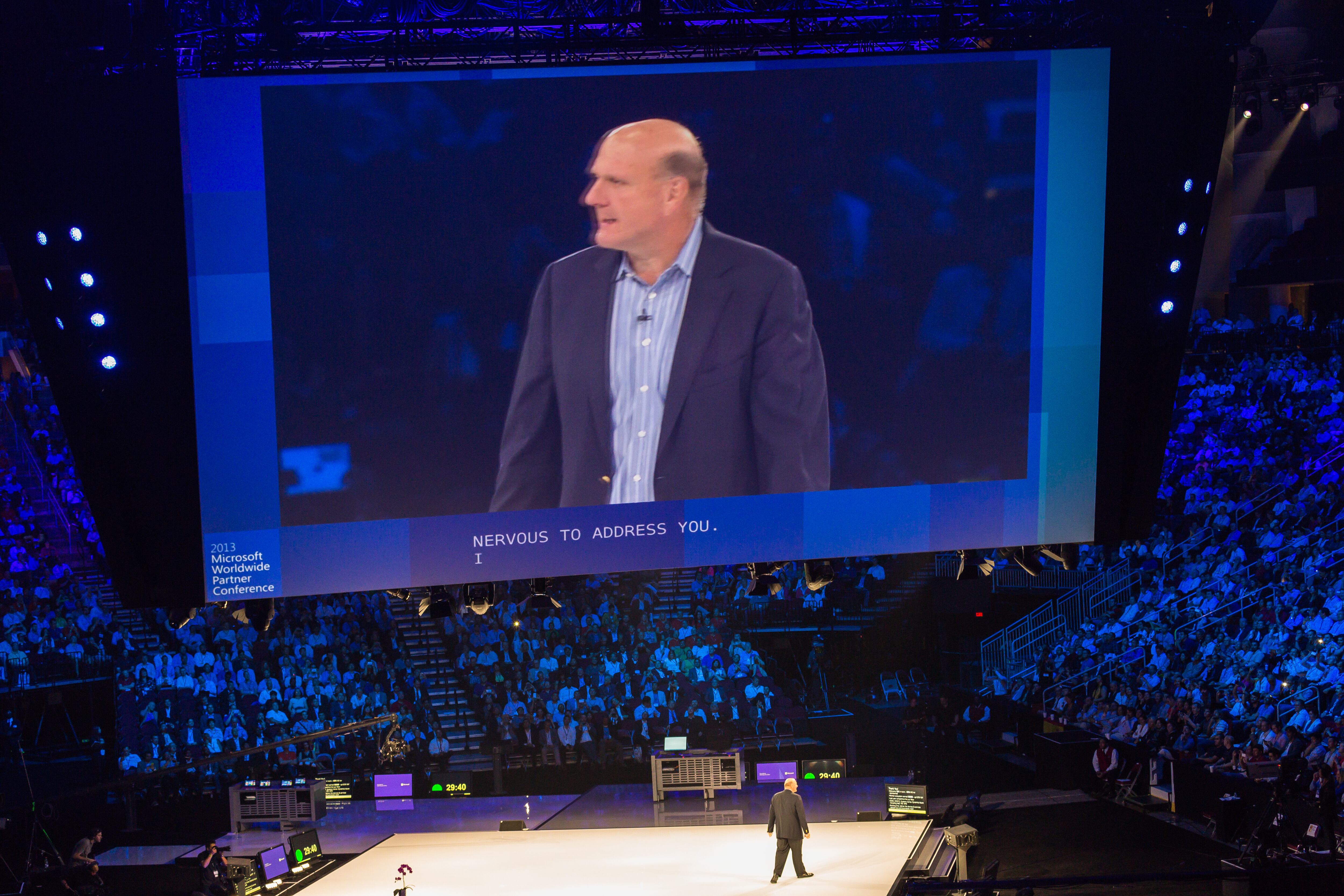
The former Microsoft CEO and owner of the L.A. Clippers says the sports industry needs to create arenas where video gamers can compete. "A lot of it is virtual but some of it has a physical aspect to it," he told Cheddar's Jon Steinberg. Ballmer is looking to redesign the Clippers arena in a way that integrates concerts and eSports under one roof.
The start-up is trying to be like Stitch Fix for second-hand clothing, offering users a box of consignment shop items they can either keep or return. "There are a lot of women who are looking for stuff that might be less expensive, that are more of a closet staple," says CEO James Reinhart.
The former Microsoft CEO says that regulating how tech companies use data will provide a framework in which to work and actually enable growth. "When you're in a time of uncertainty, and you don't know what the rules are, that's when it's toughest to innovate," Ballmer tells Cheddar's Jon Steinberg.
The social media company announced Monday that it will almost double the amount of video content available on its platform. This will help TV networks "boost the ratings by slowly diversifying," says Kerry Flynn, a media reporter for Digiday.
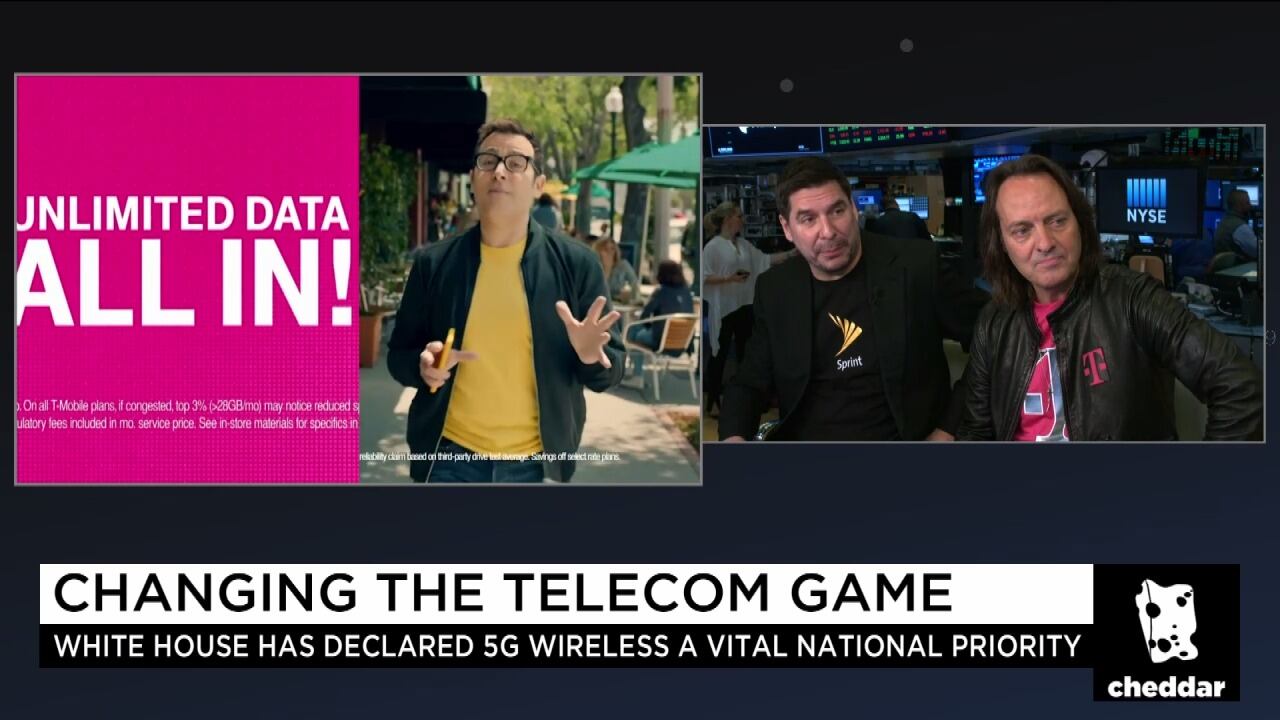
The two companies tout their deal as necessary for innovation and claim that it doesn't decrease competition in the field. Those arguments will be difficult to prove, says Eleanor Fox, an antitrust expert at NYU Law School. The third and fourth largest mobile networks in the U.S. announced a $26.5 billion merger Sunday that they claim will help develop a 5G network and create jobs. The deal still needs approval from regulators, who have expressed antitrust concerns in the past.
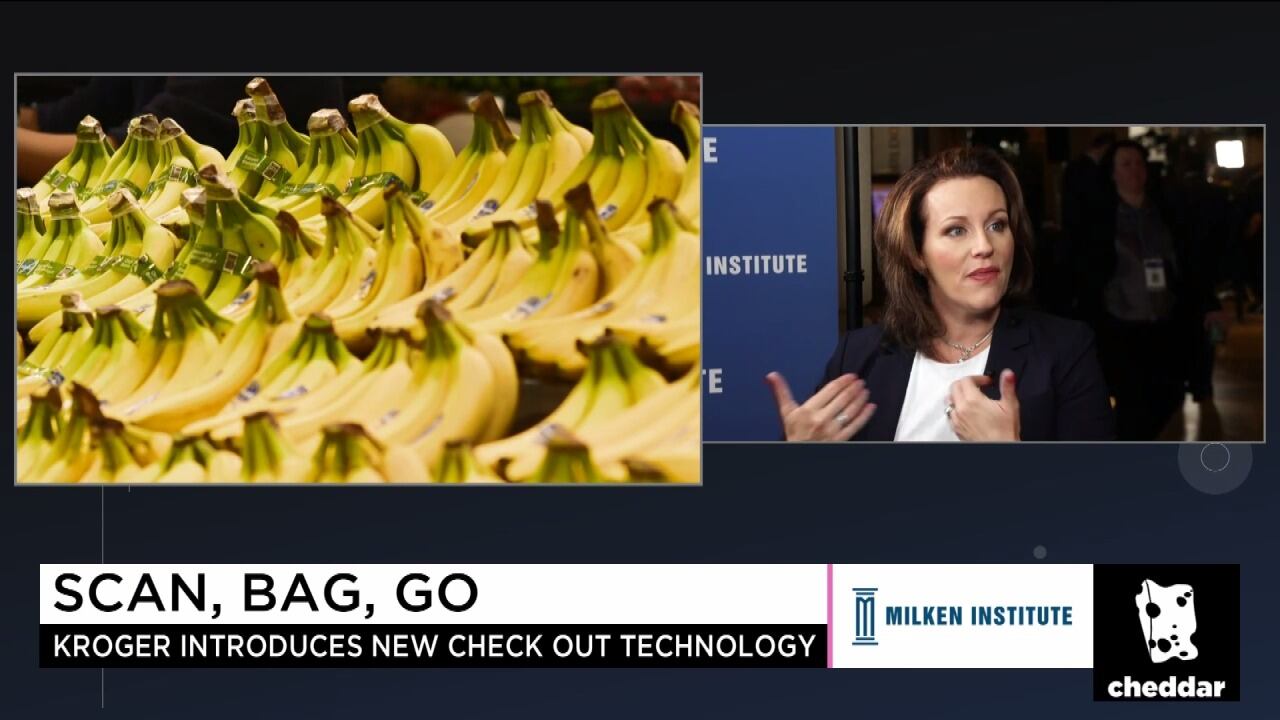
Kroger is trying to streamline the grocery shopping experience and plans to hire 11,000 new employees this year. These two pillars are "complementary" with the retailer's efforts to reboot its business and expand, says Jessica Adelman, Chief Communications Officer at Kroger.
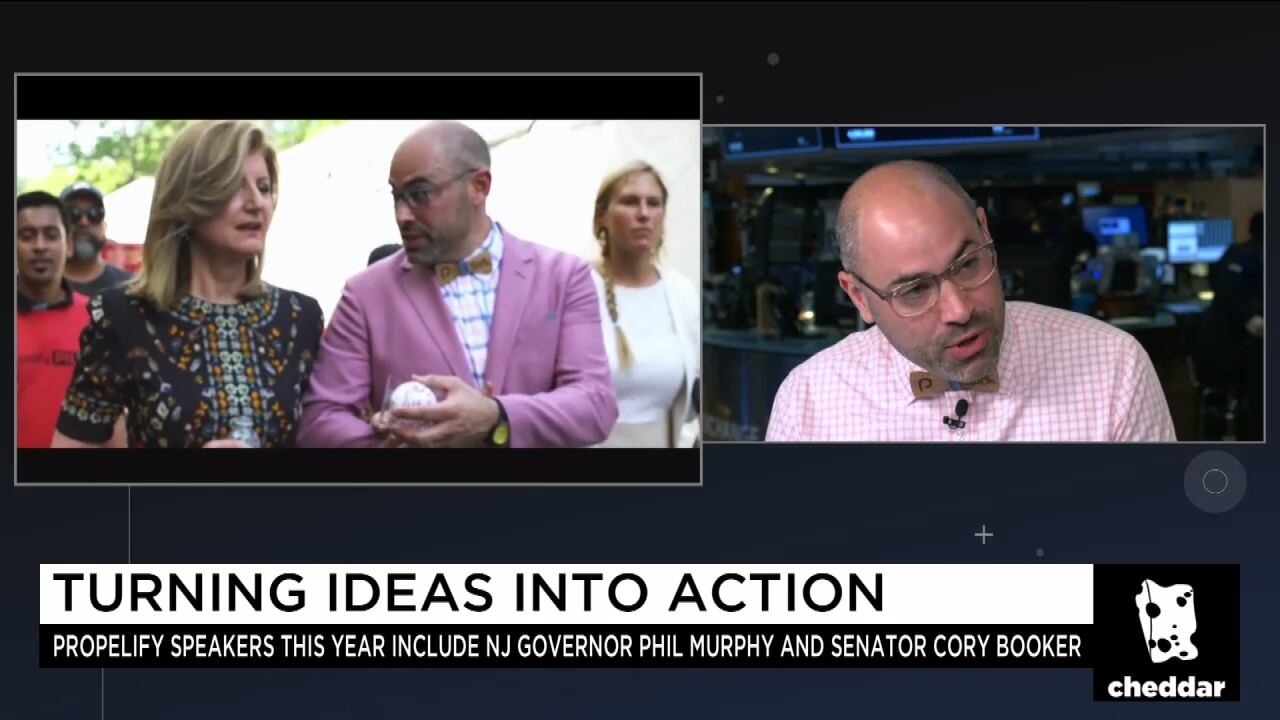
New Jersey could become home to more innovation with hands-on support from lawmakers, says Aaron Price, founder and CEO of Propelify, an innovation festival in Hoboken, NJ.
Sprint and T-Mobile are merging because shared resources help both companies achieve their ambitions, said the Sprint CEO Marcelo Claure. "The world's best partnerships or the best mergers have been formed when the two companies realize that they need each other," he tells Cheddar's
Hope King.