*By Conor White*
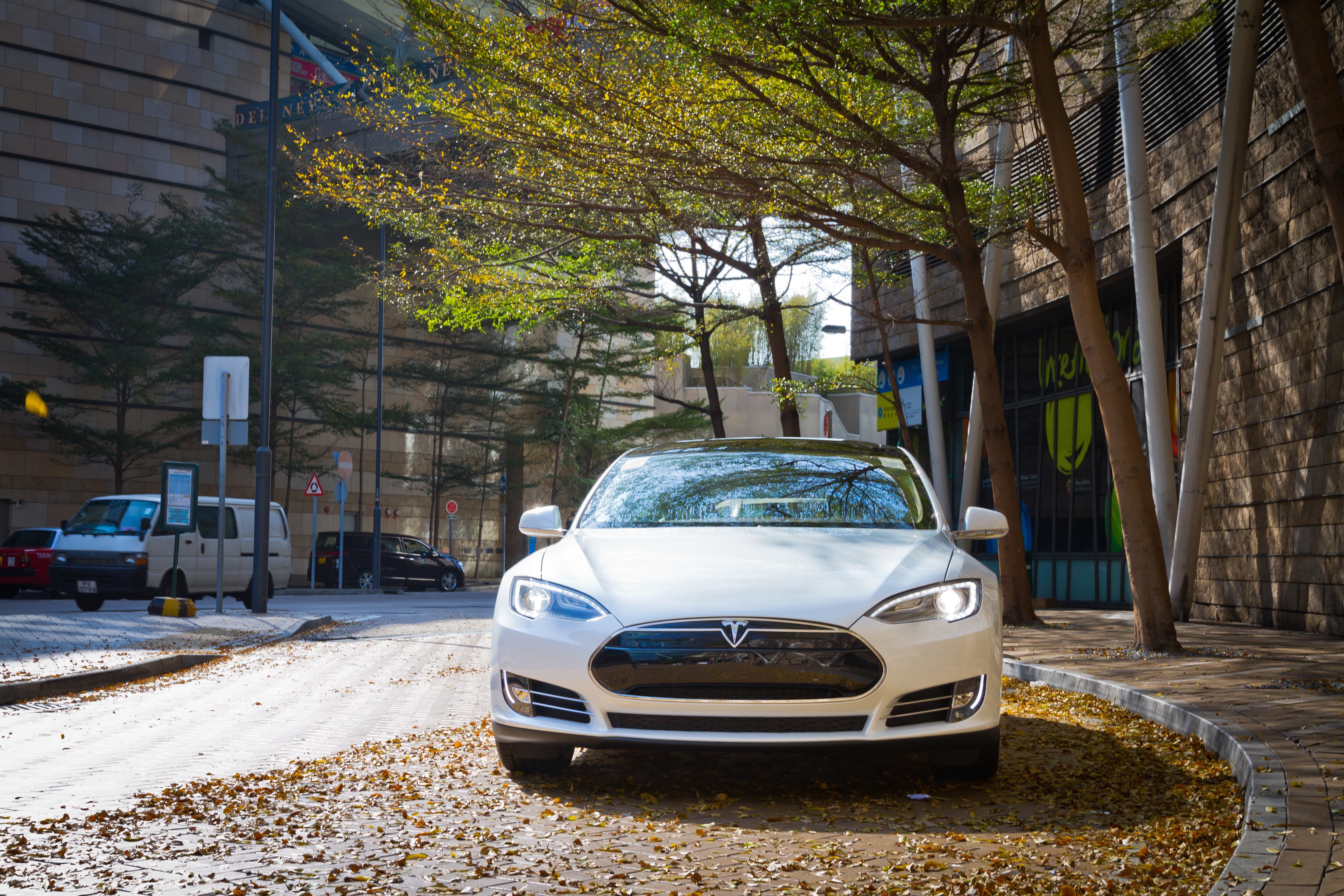
The positive [news](https://cheddar.com/videos/tesla-stock-surges-after-q2-earnings-report) in Tesla's second quarter earnings report outweighed the negatives for most investors, sending shares up more than 12 percent to their highest level in a month.
The electric carmaker announced that Model 3 production is up, but it posted losses of more than $700 million.
Some analysts have fundamental doubts about Tesla's future.
"It's a story stock," said Mark Spiegel, managing member at Stanphyl Capital. "What you have here are: bulls who couldn't care less about balance sheets or profit and loss statements; and you've got bears, or as I would call them, realists, who care a lot about that kind of stuff."
Spiegel counts himself in the latter group. He said in an interview Thursday on Cheddar that Tesla didn't do nearly enough to assuage fears about its future ー and that doesn't even account for all the other car companies eager for a bigger slice of the electric vehicle industry.
"There's a massive amount of competition coming for this company," Speigel said. "Between the Jaguar that's out now and the Audi, Mercedes, and Porsche coming out next year, it's going to destroy Model S and X sales, and that's where \[Tesla's\] margin isーwhatever margin they have."
And even though [outspoken](https://cheddar.com/videos/will-elon-musk-behave-on-this-weeks-earnings-call) CEO Elon Musk behaved on this conference call, there's no telling what he will do next.
After reaching its production goal of 5,000 Model 3 cars per week, Tesla reports it now wants to churn out 10,000 per week, "as fast as we can."
Spiegel dismissed those numbers ー and Tesla more generally.
"They're a perennial over-promiser and under-deliverer," he said.
"The reason they keep putting out these aggressive numbers is it supports the stock, which is an absurd valuation. If Tesla were a normal car company losing this much money, the stock would be in the low single digits."
For more on this story, [click here](https://cheddar.com/videos/tesla-announces-biggest-loss-ever-but-shares-rally).
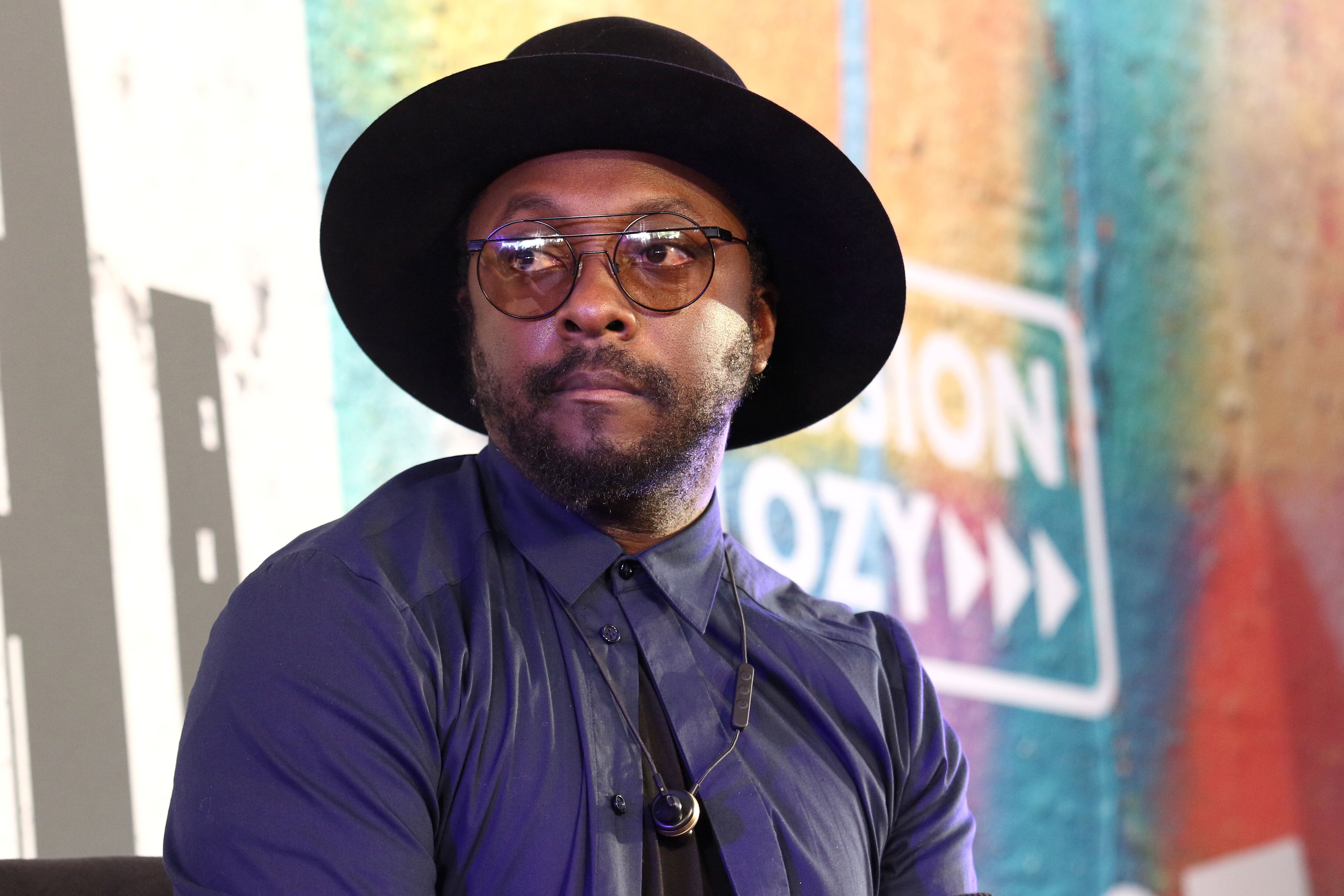
Amuse, a music streaming distribution platform supported by will.i.am, raised $15.5 million to help artists find ways to get their work on services such as Spotify and Apple Music.
Mark Zuckerberg Testifies Before EU Parliament
PCMag did a deep dive into the rise of tech addiction. Associate Editor Rob Marvin explains what makes someone a tech addict, and how tech companies are tackling the issue. Marvin also previews Mark Zuckerberg's testimony before EU parliament.
The electric automaker is set to be the big winner as China lowers its tariffs on imported cars and phases out its 50/50 law requiring foreign companies to set up a joint venture with a local firm in order to operate in the country.
The CEO of the med-tech start-up says he'll use some of the $20 million in new capital raised to expand the company's house-call service and give doctors better technology to treat patients at home.
European lawmakers aggressively questioned Facebook's CEO on Tuesday, indicating they may consider further restricting the social media company's unchecked growth and regulating its business practices.
Tesla has hired Snap’s vice president of monetization engineering, Stuart Bowers, to be the electric carmaker’s VP of engineering. Nearly a dozen members of Snap’s senior leadership have departed since the company went public in early 2017.
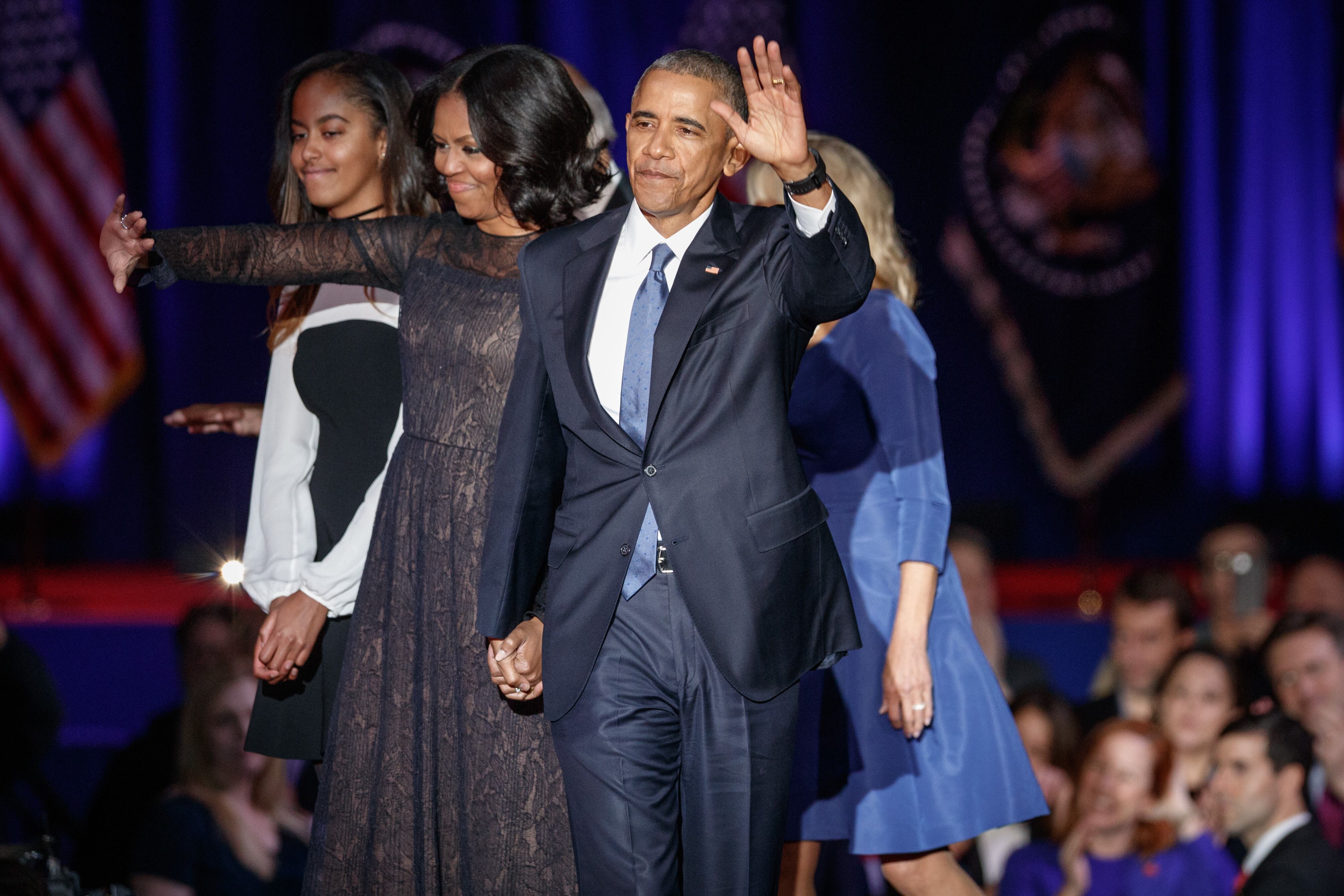
The streaming platform will give the former president and first lady a global platform to focus on issues important to them. But they need to be mindful of making that content available to communities that don't have access to high-speed internet or Netflix, says Alexander Heffner, the host of "The Open Mind" on PBS.
The food, travel, and lifestyle-focused platform has grown into a global brand with more than 200 million monthly viewers. Most of that expansion can be credited to data, says Oren Katzeff, head of programming.
The scandal over the blood-testing start-up Theranos shows why Silicon Valley investors should be wary of putting too much unchecked power in the hands of young founders, says John Carreyrou, the Wall Street Journal reporter who first raised a red flag about the company. He's out with a new book, "Bad Blood: Secrets and Lies in a Silicon Valley Startup."