*By Conor White*
The positive [news](https://cheddar.com/videos/tesla-stock-surges-after-q2-earnings-report) in Tesla's second quarter earnings report outweighed the negatives for most investors, sending shares up more than 12 percent to their highest level in a month.
The electric carmaker announced that Model 3 production is up, but it posted losses of more than $700 million.
Some analysts have fundamental doubts about Tesla's future.
"It's a story stock," said Mark Spiegel, managing member at Stanphyl Capital. "What you have here are: bulls who couldn't care less about balance sheets or profit and loss statements; and you've got bears, or as I would call them, realists, who care a lot about that kind of stuff."
Spiegel counts himself in the latter group. He said in an interview Thursday on Cheddar that Tesla didn't do nearly enough to assuage fears about its future ー and that doesn't even account for all the other car companies eager for a bigger slice of the electric vehicle industry.
"There's a massive amount of competition coming for this company," Speigel said. "Between the Jaguar that's out now and the Audi, Mercedes, and Porsche coming out next year, it's going to destroy Model S and X sales, and that's where \[Tesla's\] margin isーwhatever margin they have."
And even though [outspoken](https://cheddar.com/videos/will-elon-musk-behave-on-this-weeks-earnings-call) CEO Elon Musk behaved on this conference call, there's no telling what he will do next.
After reaching its production goal of 5,000 Model 3 cars per week, Tesla reports it now wants to churn out 10,000 per week, "as fast as we can."
Spiegel dismissed those numbers ー and Tesla more generally.
"They're a perennial over-promiser and under-deliverer," he said.
"The reason they keep putting out these aggressive numbers is it supports the stock, which is an absurd valuation. If Tesla were a normal car company losing this much money, the stock would be in the low single digits."
For more on this story, [click here](https://cheddar.com/videos/tesla-announces-biggest-loss-ever-but-shares-rally).
HSBC announced that it is buying a plot of virtual land in decentralized gaming virtual world The Sandbox. Mathieu Nouzareth, U.S CEO of The Sandbox, joins Cheddar News' Closing Bell, where he elaborates on what his platform is providing to HSBC and how his company is helping companies across different sectors embrace Web3.
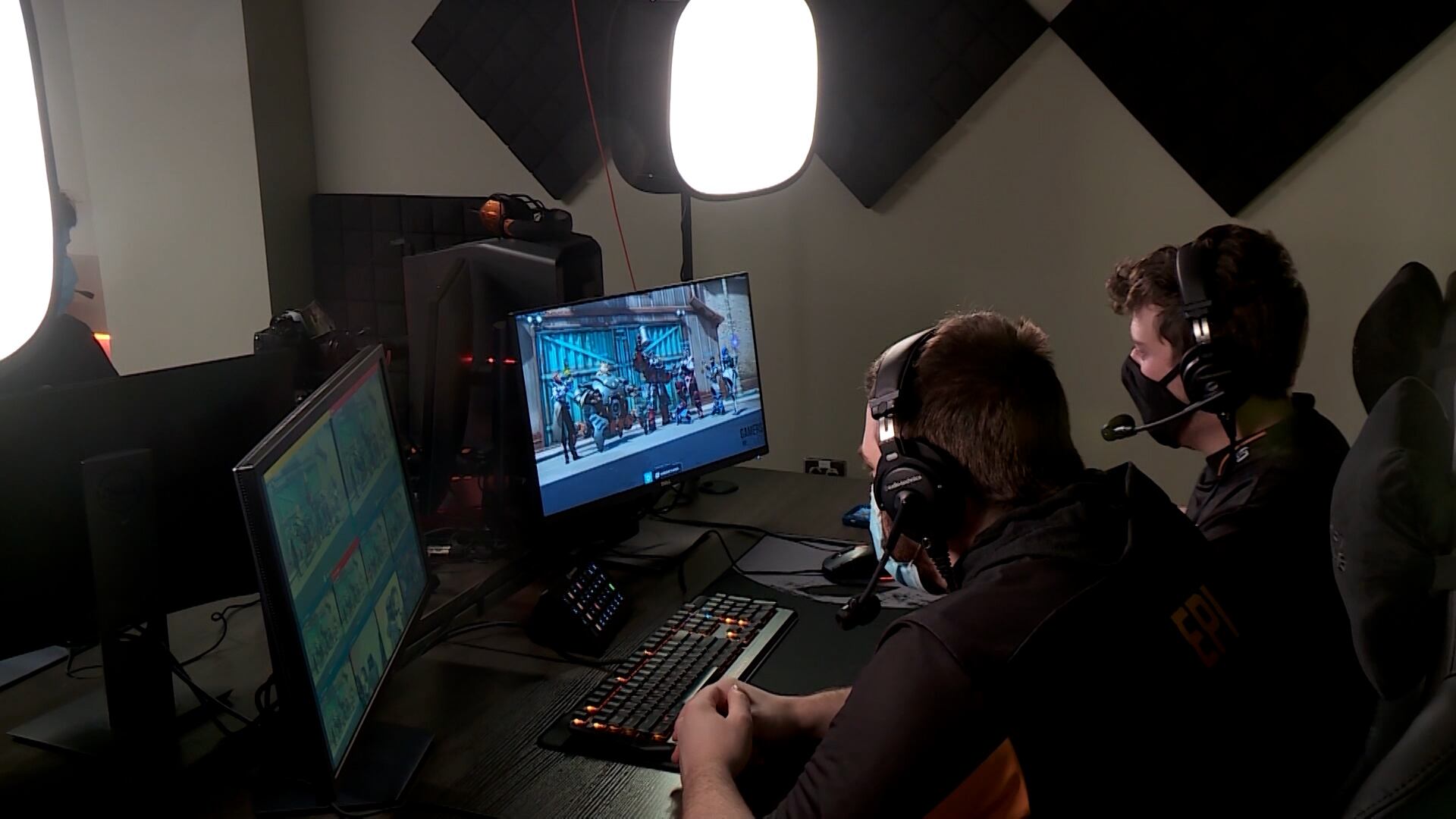
Deepwell Digital Therapeutics is a game development company looking to transform the way we look at video games — this time to improve health outcomes. Its goal is to create software to aid those who deal with conditions such as depression and ADHD. Company co-founder and co-CEO Ryan Douglas and co-founder Kate Edwards joined Cheddar News to talk about the technology is being used to help patients. "From a research perspective, the game industry itself has been well aware for many, many years of the kind of inherent, kind of anecdotal therapeutic value of playing games," said Edwards.
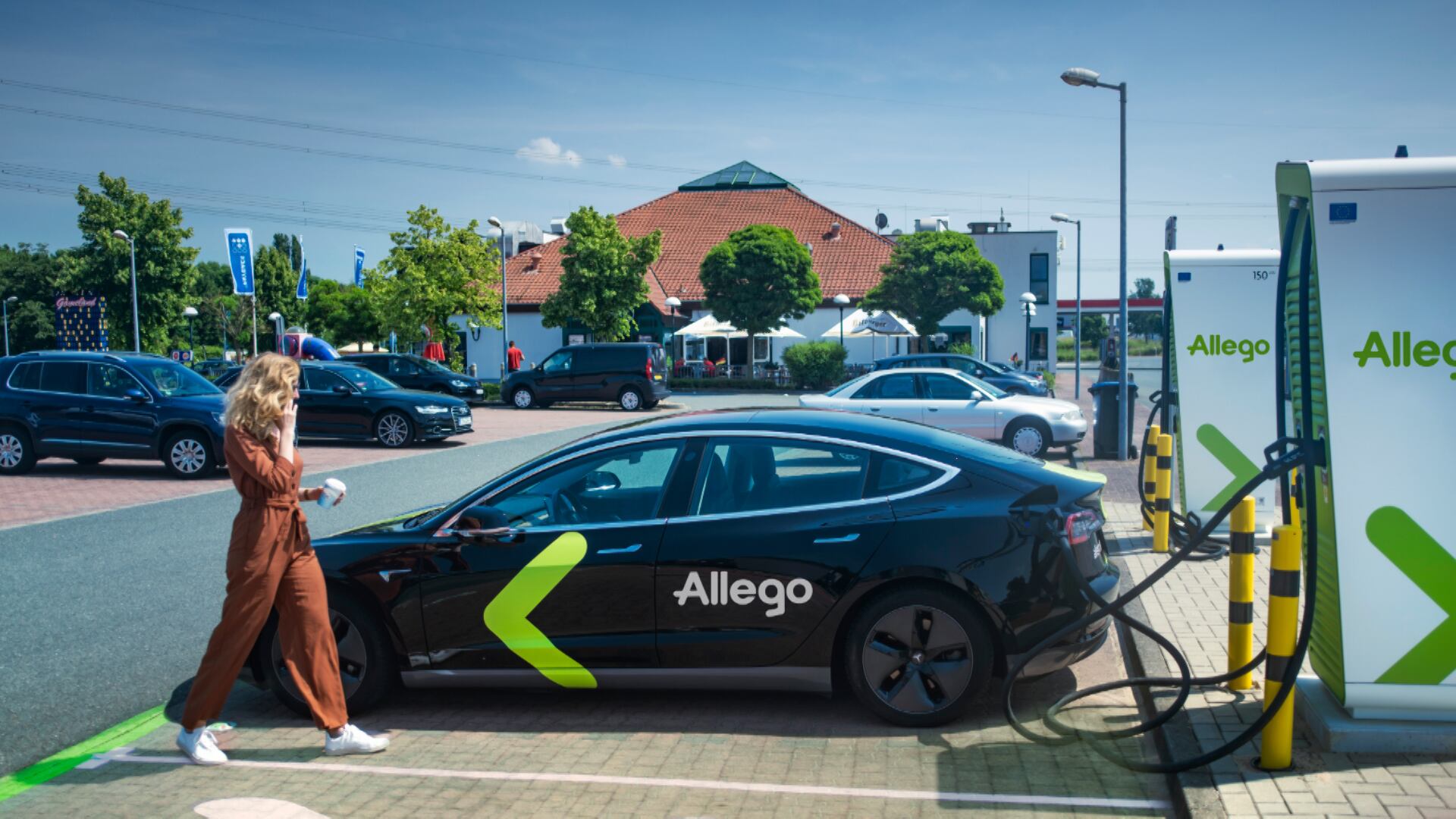
Allego, a European electric vehicle charging company, is officially public. With charging stations in 16 European countries and counting, Allego will play a strong supporting role in Europe's transition to clean energy, as its stations pull exclusively from renewable sources. Mathieu Bonnet, CEO of Allego, spoke with Cheddar's Opening Bell about its recent listing, the future of the EV industry, and what the Russia-Ukraine war means for the adoption of electric vehicles.
Neonvest is a platform connecting startups and entrepreneurs with experts in the VC space. The startup says it's in the process of raising a seed round of approximately $2.5 million from a mix of angel and institutional investors. Aakash Shah, co-founder of NeonVest, joins Cheddar News' Closing Bell to discuss.
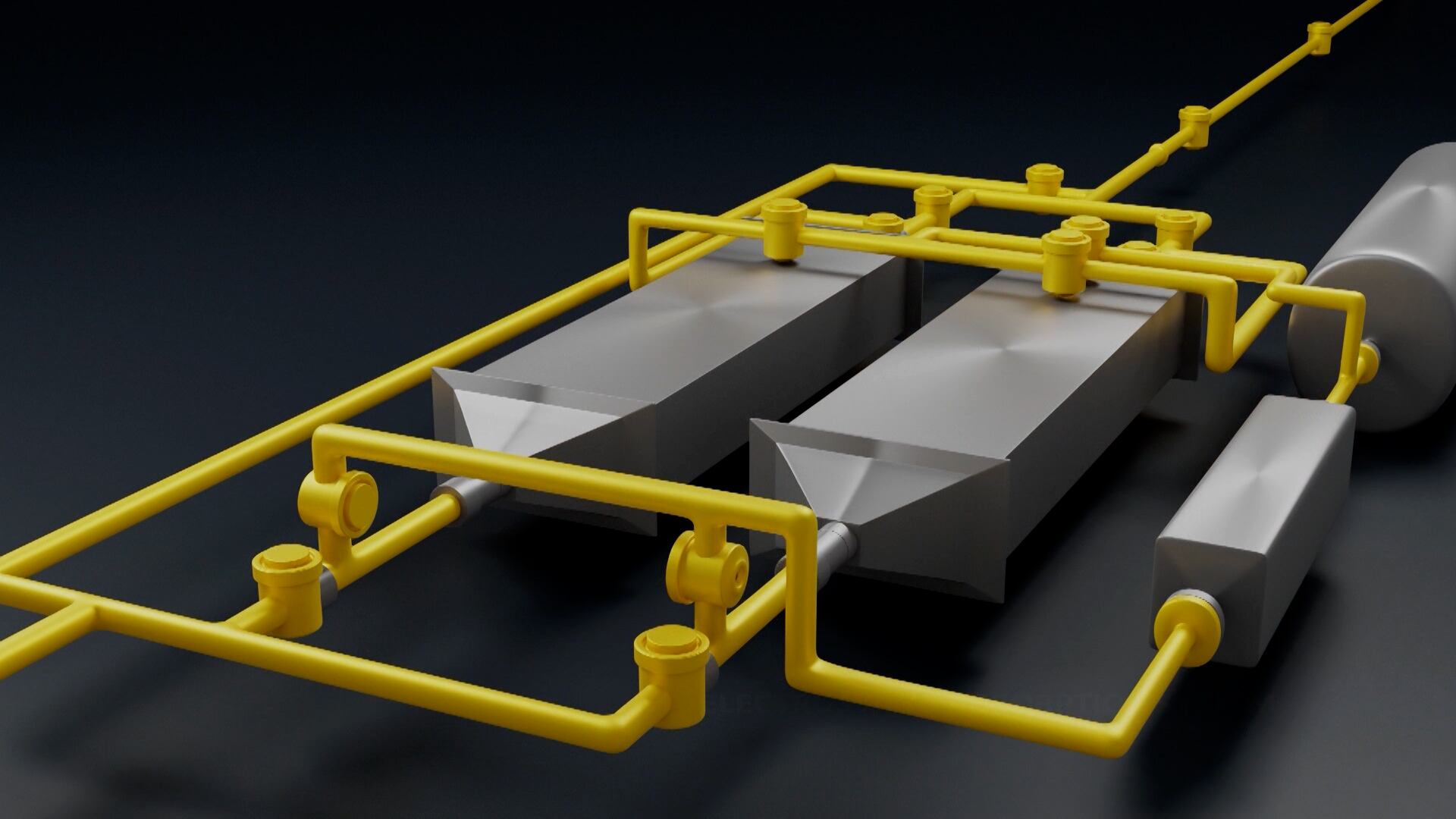
The Bill Gates-founded Breakthrough Energy company invested $80 million in Verdox Inc. to facilitate efficient, lower-cost technolog to remove carbon from the air and emission sources. CEO of Verdox, Brian Baynes, joined Cheddar News to discuss the investment, how the company's tech works, and where he sees it going. "We anticipate that with technologies like ours, we potentially can get to the scale of about a million tons per year within 5-10 years," he said. "And then ultimately we need to be doing this at the scales of billions of tons per year and ultimately about 10 billion tons per year in the year 2050."