*By Bridgette Webb*
With midterm elections fast approaching, many in [Washington](https://www.washingtonpost.com/news/powerpost/paloma/the-cybersecurity-202/2018/07/30/the-cybersecurity-202-the-fight-over-election-security-comes-to-the-senate-floor/5b5dd0ad1b326b0207955e1b/?noredirect=on&utm_term=.b1ac3187ea55) have cybersecurity on the brain.
Amit Yoran, CEO of cybersecurity firm Tenable, admits it's a dangerous moment.
"There are no shortage of threat actors out there, whether it's a nation-state or cybercriminal," Yoran said in an interview with Cheddar on Thursday.
But, Yoran added, the solution is clear.
"It doesn't matter who these actors are, the key to cybersecurity is making sure your systems are up to date. Cybersecurity is the greatest challenge of our time."
It's a sentiment that both those in the capital and on Wall Street seem to share. Tenable took to the public markets on July 26 and ended the day up 30 percent.
Tenable allows companies to quantify in dollars the damage that could be caused by various types of security breaches. In recent months, the company has amassed more than 24,000 customers in 160 countriesーincluding government agencies and 53 percent of Fortune 500 companies .
The company raised $240 million in its IPO, which Yoran said he plans on putting to good work.
"The company is going to continue investing in distribution and in our sales team to make sure we are bringing our technologies to the market."
For more on this story [click here](https://cheddar.com/videos/tenable-soars-on-market-debut).
Stocks gave up an early gain and turned lower Friday, remaining on track for weekly losses in this holiday-shortened week.
A bulk carrier vessel became wedged Thursday in Egypt’s Suez Canal, briefly blocking traffic in one lane of crucial global waterway, Egyptian authorities said.
While the notoriety of the Coyote Ugly Saloon chain has always ensured customers, it is facing a new issue: service industry worker shortages.
Stocks on Wall Street lost more ground Thursday after a small early gain faded, keeping the S&P 500 and the Nasdaq headed for their first weekly decline in three weeks.
The number of Americans seeking unemployment benefits fell last week to 310,000, a pandemic low and a sign that the surge in COVID-19 cases caused by the delta variant has yet to lead to widespread layoffs.
Stocks are closing lower on Wall Street Wednesday following a Federal Reserve report that shows U.S. economic activity slowed this summer amid rising worries over resurgent coronavirus cases and mounting supply chain problems and labor shortages.
Solar energy has the potential to supply up to 40% of the nation’s electricity within 15 years — a 10-fold increase over current solar output, but one that would require massive changes in U.S. policy and billions of dollars in federal investment to modernize the nation's electric grid, a new federal report says.
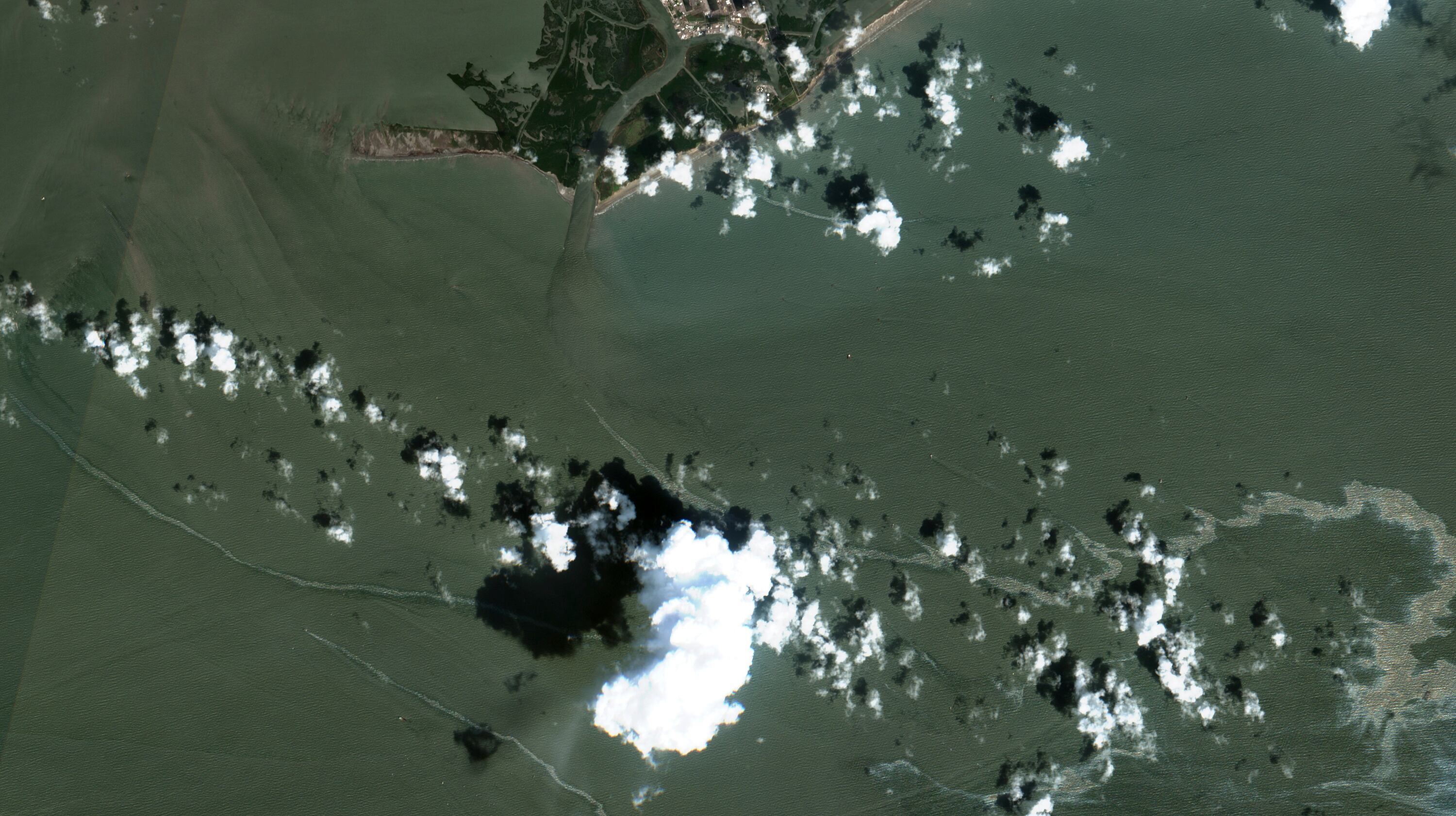
The company overseeing the response to a large oil spill spurred by Hurricane Ida said Tuesday that a containment dome has been placed over a broken undersea pipeline, stemming the flow into the Gulf of Mexico.
Amazon to Open 2 Cashier-less Whole Foods Stores Next Year
Tech stocks lead Wall Street indexes lower in early trading