Tax Filing Season Opens as IRS Comes Back to Massive Backlog
*By Carlo Versano*
Tax filing season is officially upon us, just as the IRS returns to full strength following the five-week government shutdown. But tax filers should expect some turbulence along the way, said Nicole Kaeding, director of federal projects at the Tax Foundation, a tax policy think tank.
Before the shutdown threw a wrench in things, the IRS was already anticipating some headaches, given that 2019 marks the first tax year since President Trump's Tax Cuts and Jobs Act went into full effect ー the first overhaul of the tax system in three decades. That law affects every taxpaying household, and while 80 percent of Americans have a lower tax liability as a result, Kaeding said, many refunds will smaller than in past years because more taxpayers had less taken out of their paychecks through the year.
Last year, the average refund was $3,000. This year, "they might not be as big," according to Kaeding.
But because of the shutdown, furloughed IRS employees are coming back to face an estimated 5 million pieces of unopened mail, which could take them 12 to 18 months to sort, Kaeding said, though the administration still [says](https://www.politico.com/newsletters/morning-tax/2019/01/28/welcome-filing-season-492445) it expects a fairly smooth tax season.
By Feb. 15 last year, tax agents had already processed $100 billion in refunds, as mostly low- and middle-income taxpayers tend to file quickly to take advantage of tax credits. This year on Feb. 15, the government could conceivably shut down again. Even if it doesn't, taxpayers should plan for some slowness in receiving their refunds as the IRS works through the backlog from the last five weeks.
For full interview [click here](https://cheddar.com/videos/why-a-bigger-tax-refund-is-no-sure-thing).
Retailers face tariffs and cost challenges this holiday season. Wells Fargo's Lauren Murphy shares insights on pricing, promotions, and shopping trends.
Dateability, founded by sisters Jacqueline and Alexa Child, is the only dating app for disabled and chronically ill communities, fostering love without limits.
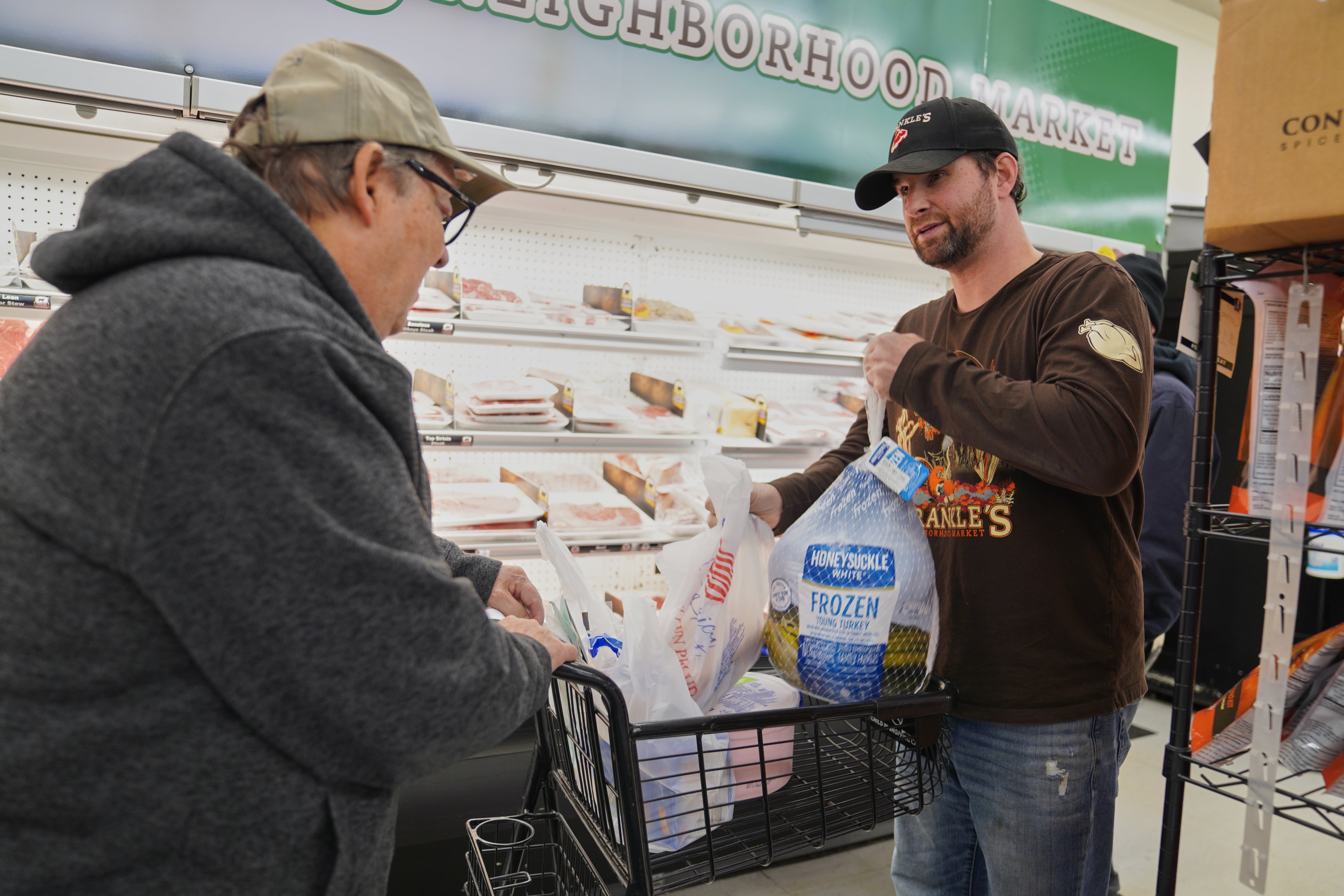
Some small grocery stores and neighborhood convenience stores are eager for the U.S. government shutdown to end and for their customers to start receiving federal food aid again. Late last month, the Trump administration froze funding for the SNAP benefits that about 42 million Americans use to buy groceries. The U.S. Department of Agriculture says about 74% of the assistance was spent last year at superstores like Walmart and supermarkets like Kroger. Around 14% went to smaller stores that are more accessible to SNAP beneficiaries. A former director of the United Nations World Food Program says SNAP is not only a social safety net for families but a local economic engine that supports neighborhood businesses.
Andy Baehr, Head of Product at CoinDesk Indices, breaks down crypto’s Black Friday crash, Bitcoin dipping under $100K, and what’s driving the market rout.
Billionaire Warren Buffett warned shareholders Monday that many companies will fare better than his Berkshire Hathaway in the decades ahead as Father Time catches up
Chris Marquette of POLITICO breaks down how the FAA is cutting flights and facing a critical shortage of air‑traffic controllers amid the government shutdown.