As Americans continue to get vaccinated every day, they're rushing to get back to pre-pandemic activities, from eating out at restaurants to going back to movie theaters.
Many are also rushing out to get a new tattoo.
The pandemic proved nearly fatal for many businesses across different sectors. Anything that brought a worker and a customer into close proximity was especially challenging to reopen.
Tattoo shops checked all of those shutdown boxes, and getting a tattoo is one of the most pandemic un-friendly activities out there. The close contact, the collaboration with the artist, and of course the needles going in and out of your skin for hours on end.
The pandemic itself has been unfriendly to the tattoo industry. Lockdowns forced artists to cancel months of appointments and created industry-wide chaos.
Hannah Everhart, a Maryland tattoo artist, is among those professionals rocked by the pandemic. Once the shop she worked in reopened, she was limited in the number of people she could see each week. And since many of the 30,000 tattoo artists in the U.S. are essentially independent contractors and don't own their own shop, they need regular business to get by.
Everhart knew the pandemic would forever change the industry, so she started thinking seriously about opening her own studio.
"A shop was always the long term goal with tattooing," Everhart said. "It's something that I was really thinking for the five-year plan. But during the pandemic, everything was shut down. It gave me time to sit down and evaluate my situation as far as, like, money, and would this be something I could make work?"
It turns out opening her own shop in a year when small businesses faced a major downturn wasn't as hard as she might have expected. She opened Raven and Rose Studios in Savage, Md., in January.
"When I started running the numbers, it kind of made sense," she said. "It was like, oh, I could actually make this work. I could make this happen."
Everhart's move has proven to be an opportune one as the tattoo industry is seeing incredibly high demand. She has seen so much interest that she's booked until October.
(Note: I got to jump the line for my new ink, as you can see above.)
"Everyone's getting tattooed. This is honestly the furthest I've been booked out ever in my eight year career," Everhart said. "I have never been booked out this far so, and a lot of other artists are also experiencing the same thing."
The surge in interest has kept up even as Everhart and other tattoo artists across the industry shifted to digital consultations and appointment-only tattooing.
While she says the increased demand will eventually plateau, some things from the pandemic will stick around. Everhart plans to continue wearing masks while tattooing so she and her customers don't get even a little bit sick.
"I just don't have time to get sick," she said. "People are scheduling appointments three months in advance. And if it gets to be the week of their appointment, and I have to call and reschedule 'cause I have the sniffles, that's not a good look. So, I'm definitely going to keep wearing masks."
Post-pandemic realities aside, Everhart's work isn't stopping any time soon.
"You have people who have been wanting to get tattooed for a really long time. And now they're just like, I'm going to pull the trigger on this. Life is too short. I've survived this pandemic. I can't stay at my house anymore. I need to get out. I want to do this thing," she said.
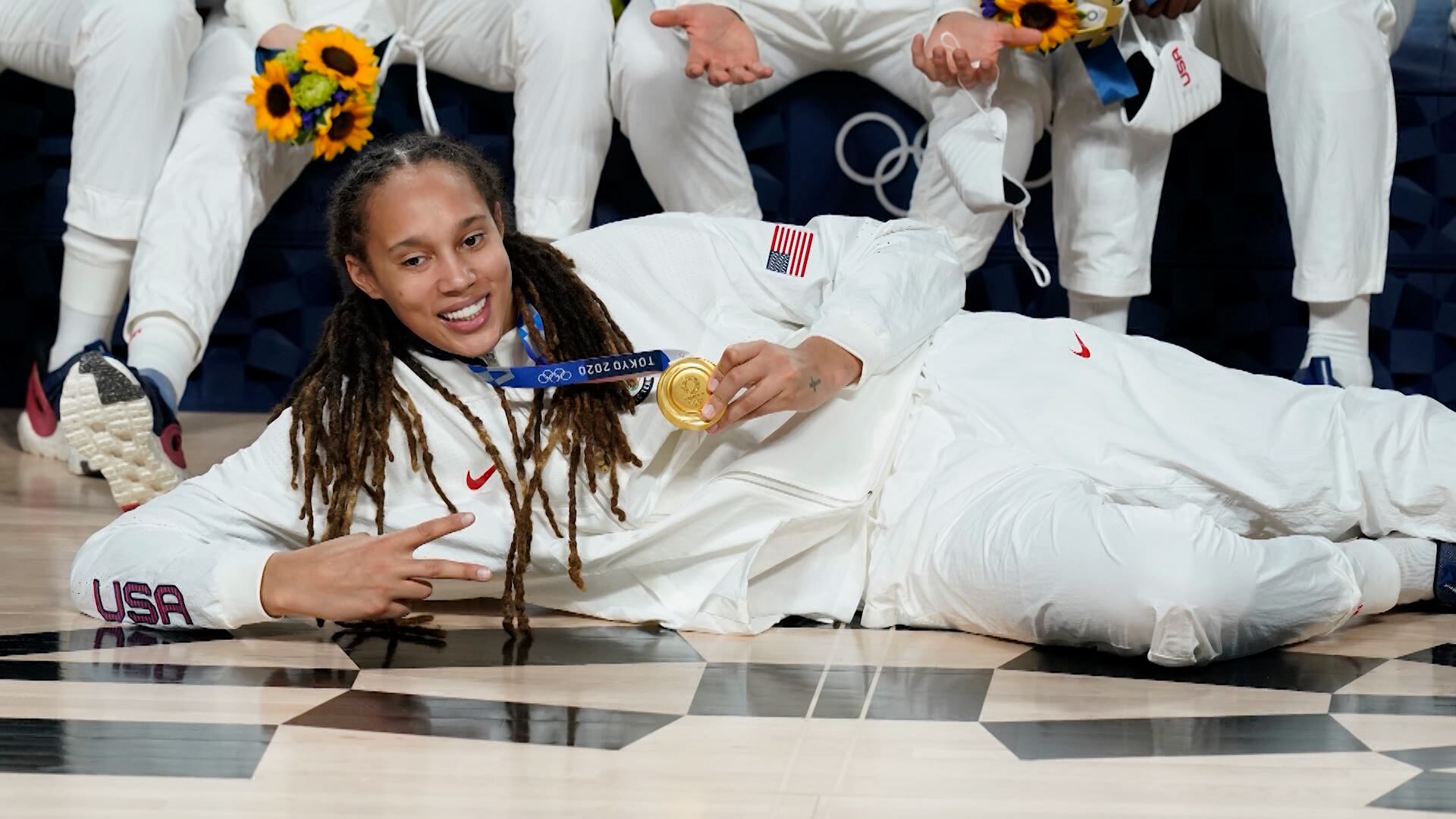
It's been an eventful past few weeks for the WNBA. One of the league's top players, Brittney Griner, remains in Russian custody after being detained at an airport last month. The league is also dealing with a scandal after fining a team for providing charter flights to their players. Emily Caron, sports business reporter for Sportico, joined Cheddar News' Closing Bell to discuss.
Most employed women believe they deserve a pay increase, and they believe the Great Resignation can help give them leverage and room to bargain with management. Stephanie Heath, Founder of SoulWork, says they're right, and should use today's unique labor market as just one of their many talking points when discussing compensation with management. Heath joins Closing Bell to discuss best practices for negotiating a bigger paycheck, how to use the tight labor market to your advantage during a job hunt, and more.
Jarrod Loadholt, Partner at Ice Miller, joins Cheddar News' Closing Bell, where he calls President Biden's executive order on digital assets a 'home run' and explains the ways it benefits the greater cryptocurrency market.
Auction-based advertising infrastructure startup Topsort
raised $8 million in a seed funding round. Topsort says companies like Google and Amazon have been making huge profits from auction-based advertising for decades, but that the technology is complicated, exclusive, and hard to build. The company is trying to be a solution, by offering an auction-based advertising API to smaller retailers and marketplaces. Regina Ye, CEO and co-founder of Topsort, joins Cheddar News' Closing Bell to discuss.
Lance Ippolito, Head Trader at Future of Wealth, joins Cheddar News' Closing Bell, where he says the President's executive order on crypto is a step in the right direction even though investor sentiment cooled off on Thursday.
After a week of headlines that ranged from a potential criminal investigation by the Justice Department to a 20 for 1 stock split, Michael Pachter, the managing director of equity research at Wedbush Securities, joined Cheddar News to shake out what wild week means for the tech giant and what he thinks is behind possible government antipathy towards the company. "If you look at Amazon, Capitol Hill hates them," he said. "And maybe it's just because Bezos looks like Dr. Evil, but I think part of it is that a lot of constituents of these legislators just don't whine at Congress, 'leave my company alone,' the way they do with Disney or Microsoft."
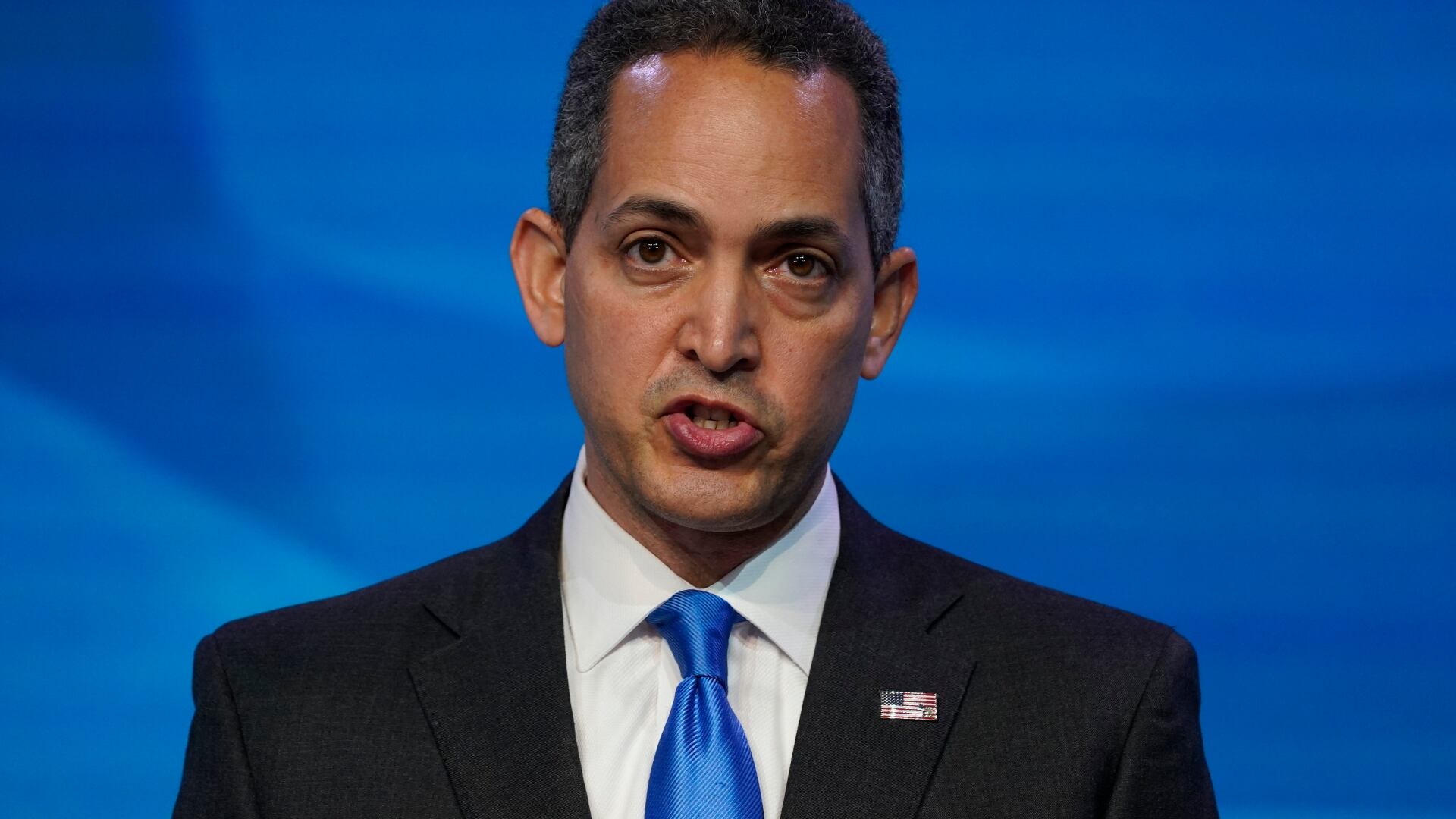
The ongoing semiconductor chip shortage has been impacting everything from the purchase of cars to smartphones. Deputy Commerce Secretary Don Graves spoke with Cheddar about the Biden administration's efforts to combat the issue and if the current crisis in Ukraine will have any impact on the global supply chain problems for semiconductors. "We're working very closely with all of our partners and allies around the globe, just as we have on the export controls and sanctions that we've applied to Russia to deal with that needless aggression," he said. "We're also working with them on the challenges of raw materials for a range of industries, including the semiconductor industry. We believe that we are going to be able to meet the demand for the for the near term."
From Wall Street to Silicon Valley, these are the top stories that moved markets and had investors, business leaders, and entrepreneurs talking this week on Cheddar.
Deputy Commerce Secretary Don Graves spoke to Cheddar's Alex Vuocolo about the ongoing semiconductor shortages and the push from the Biden administration to cover the supply chain problem as well as look ahead to future-proofing it.