As Americans continue to get vaccinated every day, they're rushing to get back to pre-pandemic activities, from eating out at restaurants to going back to movie theaters.
Many are also rushing out to get a new tattoo.
The pandemic proved nearly fatal for many businesses across different sectors. Anything that brought a worker and a customer into close proximity was especially challenging to reopen.
Tattoo shops checked all of those shutdown boxes, and getting a tattoo is one of the most pandemic un-friendly activities out there. The close contact, the collaboration with the artist, and of course the needles going in and out of your skin for hours on end.
The pandemic itself has been unfriendly to the tattoo industry. Lockdowns forced artists to cancel months of appointments and created industry-wide chaos.
Hannah Everhart, a Maryland tattoo artist, is among those professionals rocked by the pandemic. Once the shop she worked in reopened, she was limited in the number of people she could see each week. And since many of the 30,000 tattoo artists in the U.S. are essentially independent contractors and don't own their own shop, they need regular business to get by.
Everhart knew the pandemic would forever change the industry, so she started thinking seriously about opening her own studio.
"A shop was always the long term goal with tattooing," Everhart said. "It's something that I was really thinking for the five-year plan. But during the pandemic, everything was shut down. It gave me time to sit down and evaluate my situation as far as, like, money, and would this be something I could make work?"
It turns out opening her own shop in a year when small businesses faced a major downturn wasn't as hard as she might have expected. She opened Raven and Rose Studios in Savage, Md., in January.
"When I started running the numbers, it kind of made sense," she said. "It was like, oh, I could actually make this work. I could make this happen."
Everhart's move has proven to be an opportune one as the tattoo industry is seeing incredibly high demand. She has seen so much interest that she's booked until October.
(Note: I got to jump the line for my new ink, as you can see above.)
"Everyone's getting tattooed. This is honestly the furthest I've been booked out ever in my eight year career," Everhart said. "I have never been booked out this far so, and a lot of other artists are also experiencing the same thing."
The surge in interest has kept up even as Everhart and other tattoo artists across the industry shifted to digital consultations and appointment-only tattooing.
While she says the increased demand will eventually plateau, some things from the pandemic will stick around. Everhart plans to continue wearing masks while tattooing so she and her customers don't get even a little bit sick.
"I just don't have time to get sick," she said. "People are scheduling appointments three months in advance. And if it gets to be the week of their appointment, and I have to call and reschedule 'cause I have the sniffles, that's not a good look. So, I'm definitely going to keep wearing masks."
Post-pandemic realities aside, Everhart's work isn't stopping any time soon.
"You have people who have been wanting to get tattooed for a really long time. And now they're just like, I'm going to pull the trigger on this. Life is too short. I've survived this pandemic. I can't stay at my house anymore. I need to get out. I want to do this thing," she said.
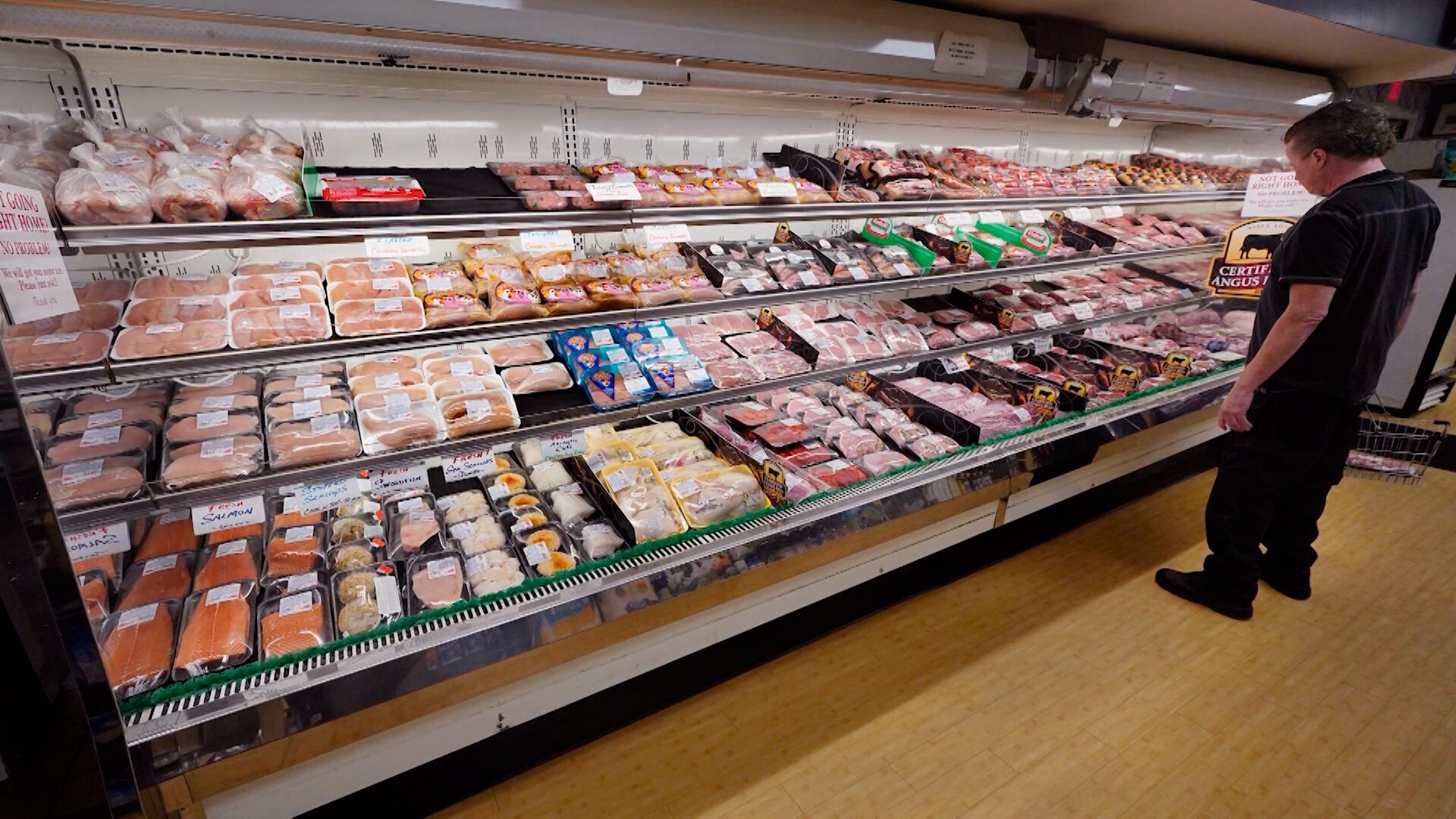
The White House is earmarking $2.1 billion to help secure the nation's food supply, amid widespread shortages due to the pandemic, Russia's war in Ukraine, and rising inflation. The Biden administration's plans are expected to shore up food infrastructure and distribution while also aiding farmers. Bread for the World Senior International Policy Advisor Abiola Afolayan joined Cheddar News' Closing Bell to discuss.
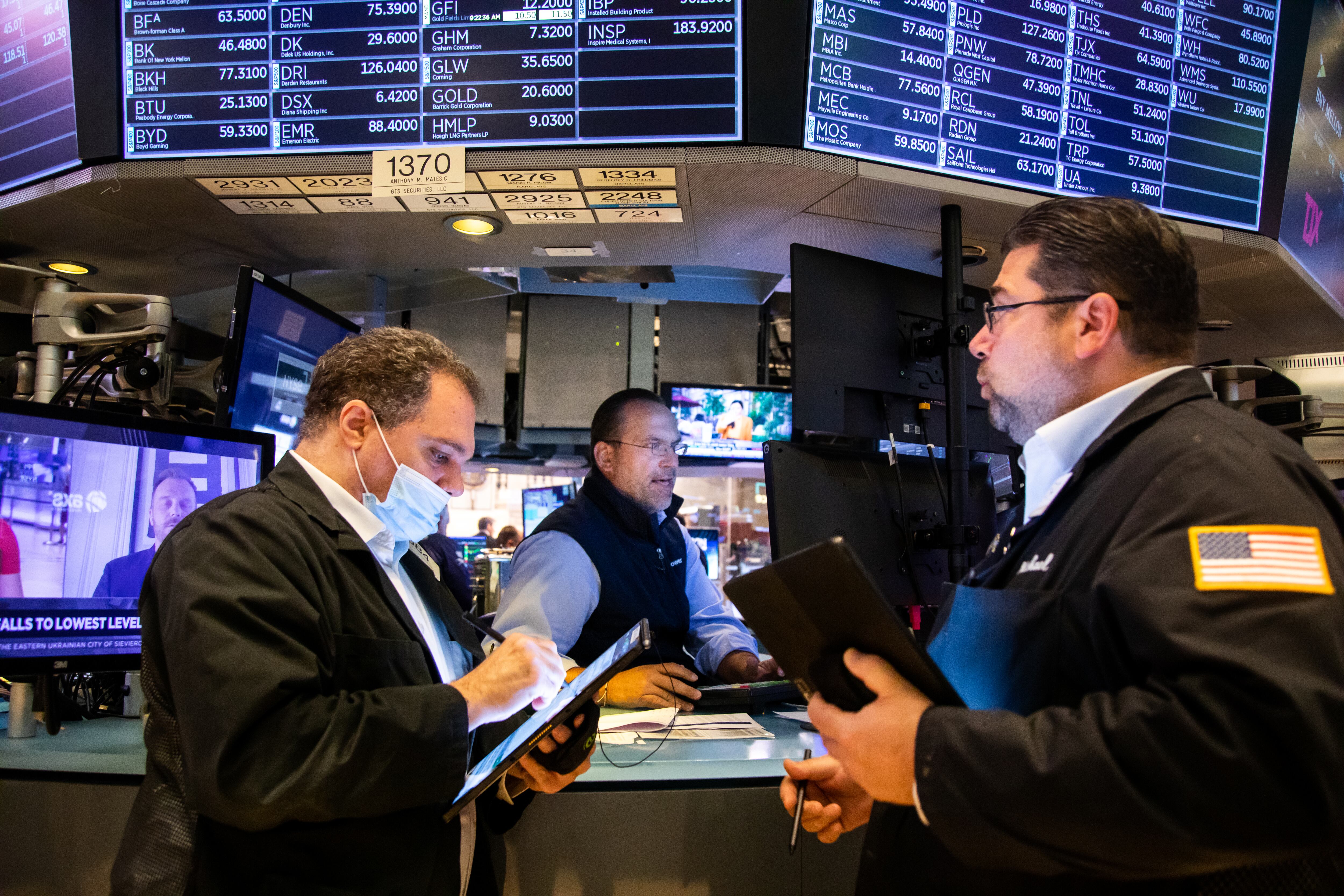
Concerns about economic growth are weighing down sentiment on Wall Street, as investors also monitor the uncertain impact of the Federal Reserve's quantitative tightening - the process of reducing its $9 trillion balance sheet it built up over the course of the pandemic. The Fed's QT is meant to normalize monetary policy while bringing down inflation, something the White House calls a 'top economic priority.' As Americans cope with higher prices for everyday essentials, Treasury Secretary Janet Yellen admitted that she was wrong about inflation being 'transitory,' as extenuating factors have caused inflation from the pandemic to worsen. JPMorgan CEO Jamie Dimon also weighed in on inflation and the state of the economy, warning investors to brace for a so-called economic 'hurricane' due to impacts from inflation and Russia's war in Ukraine. The still-tight job market is putting pressure on the economy as well, as the latest JOLTS report shows job openings in the U.S. are down from record highs but remain high.
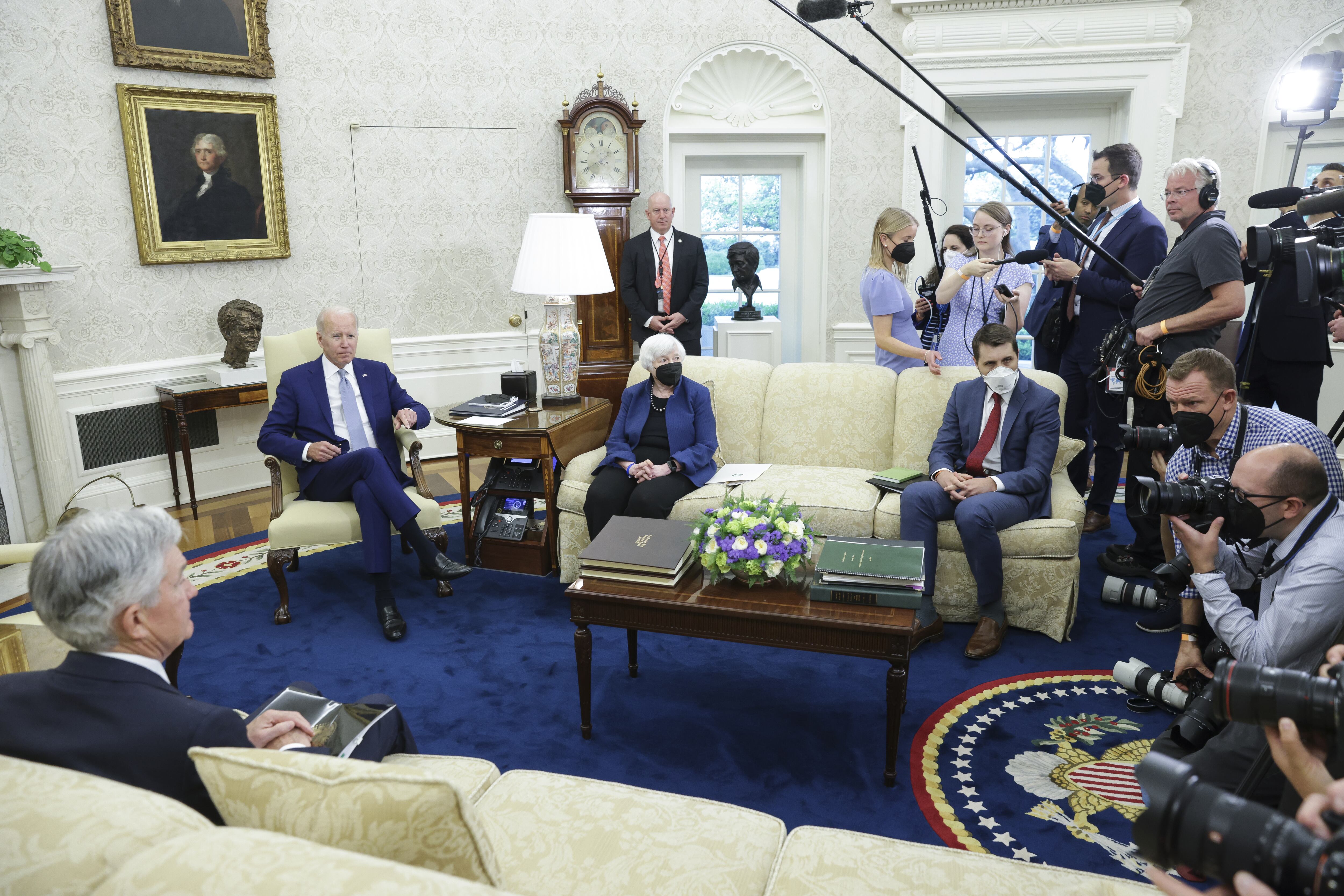
President Biden and Federal Reserve chair Jerome Powell meet at the White House today for the first time since Powell's renomination to the position. The President and the Fed Chair discussed the economy and historically high inflation, as new data shows inflation may be cooling slightly. Morning Consult economic analyst Jesse Wheeler joins Cheddar News' Closing Bell to discuss how the Biden administration at the U.S. central bank can work together to combat soaring prices for American consumers.
Gene Goldman, Chief Investment Officer at Cetera, joins Cheddar News' Closing Bell, where he breaks down the reasons behind Thursday's bounce-back performance on Wall Street. Goldman also provides a dose of investing advice, highlighting the sectors he's favoring right now.
David Scranton, CEO and Founder of Sound Income Strategies, joins Cheddar News' Closing Bell, where he provides his insight into why markets ended Wednesday's session lower and hones in on what he's looking for when it comes to the Fed combating inflation.
ADP's Chief Economist Nela Richardson joins Cheddar News' Closing Bell for a look at the job market in the United States. She breaks down the numbers behind her firm's latest findings and says her biggest concern lies in the continuing loss of jobs at small businesses, which shed 91,000 jobs during the month of May.
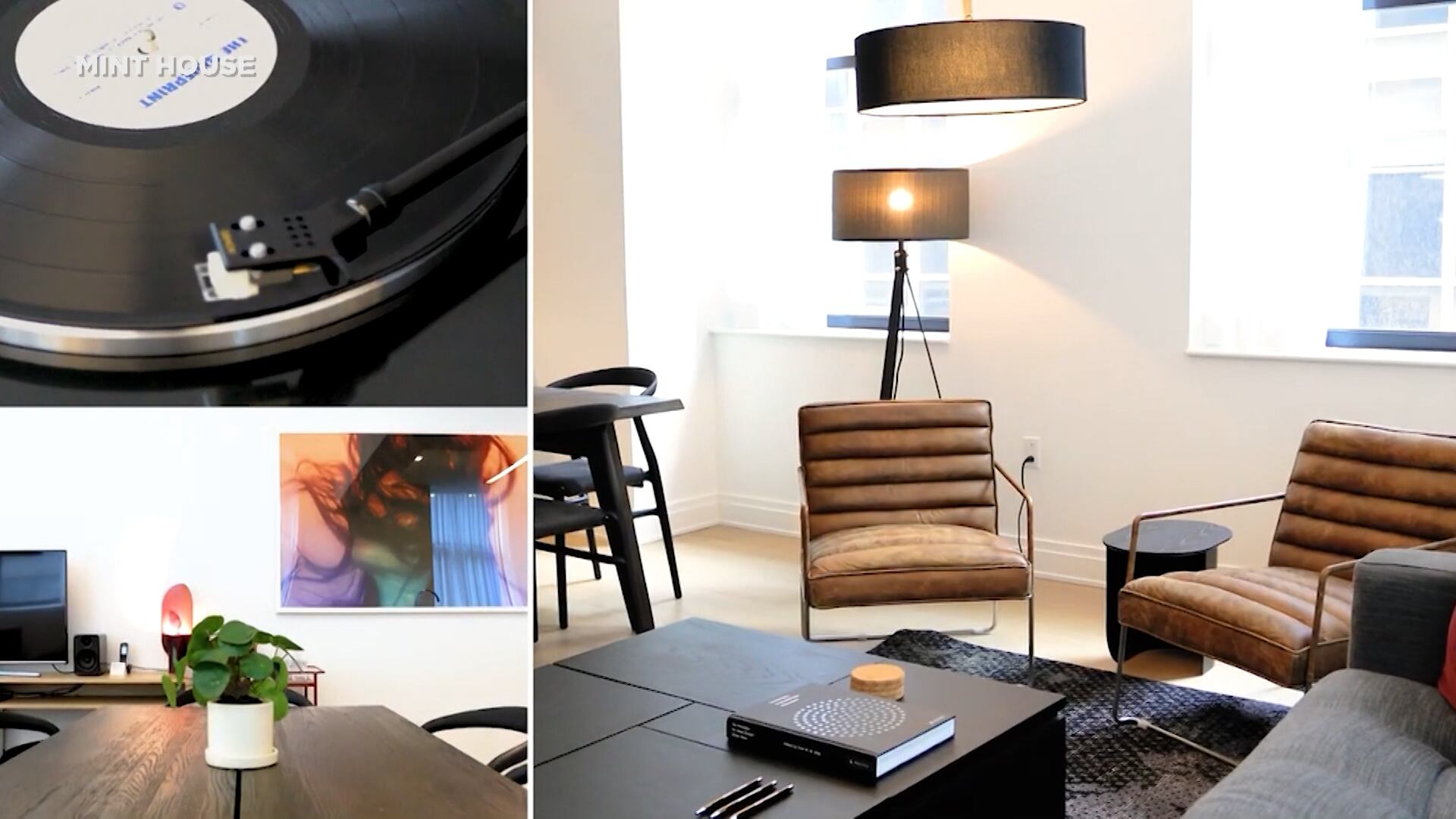
Tech-enabled residential hospitality company Mint House recently raised $35 million in a Series B round led by Mohari Hospitality. Mint House was described by one of its backers as 'the best of a hotel without the worst of a hotel, and the best of an Airbnb without the worst of an Airbnb.' Mint House offers apartment-style lodging across the country. The company claims its spaces combine the comfort of a home with the luxury of a hotel in order to give guests all of the perks and none of the tradeoffs. Will Lucas, Founder and CEO of Mint House, joins Cheddar News' Closing Bell to discuss.
As the broader tech sector faces continued headwinds, Microsoft in particular is slashing its fourth quarter outlook for another reason: the strength of the dollar. Why is it that a strong dollar is negatively impacting tech giants? And what should investors keep in mind? Tim Lesko, director and senior wealth advisor at Mariner Wealth Advisors, joins Closing Bell to discuss.