As Americans continue to get vaccinated every day, they're rushing to get back to pre-pandemic activities, from eating out at restaurants to going back to movie theaters.
Many are also rushing out to get a new tattoo.
The pandemic proved nearly fatal for many businesses across different sectors. Anything that brought a worker and a customer into close proximity was especially challenging to reopen.
Tattoo shops checked all of those shutdown boxes, and getting a tattoo is one of the most pandemic un-friendly activities out there. The close contact, the collaboration with the artist, and of course the needles going in and out of your skin for hours on end.
The pandemic itself has been unfriendly to the tattoo industry. Lockdowns forced artists to cancel months of appointments and created industry-wide chaos.
Hannah Everhart, a Maryland tattoo artist, is among those professionals rocked by the pandemic. Once the shop she worked in reopened, she was limited in the number of people she could see each week. And since many of the 30,000 tattoo artists in the U.S. are essentially independent contractors and don't own their own shop, they need regular business to get by.
Everhart knew the pandemic would forever change the industry, so she started thinking seriously about opening her own studio.
"A shop was always the long term goal with tattooing," Everhart said. "It's something that I was really thinking for the five-year plan. But during the pandemic, everything was shut down. It gave me time to sit down and evaluate my situation as far as, like, money, and would this be something I could make work?"
It turns out opening her own shop in a year when small businesses faced a major downturn wasn't as hard as she might have expected. She opened Raven and Rose Studios in Savage, Md., in January.
"When I started running the numbers, it kind of made sense," she said. "It was like, oh, I could actually make this work. I could make this happen."
Everhart's move has proven to be an opportune one as the tattoo industry is seeing incredibly high demand. She has seen so much interest that she's booked until October.
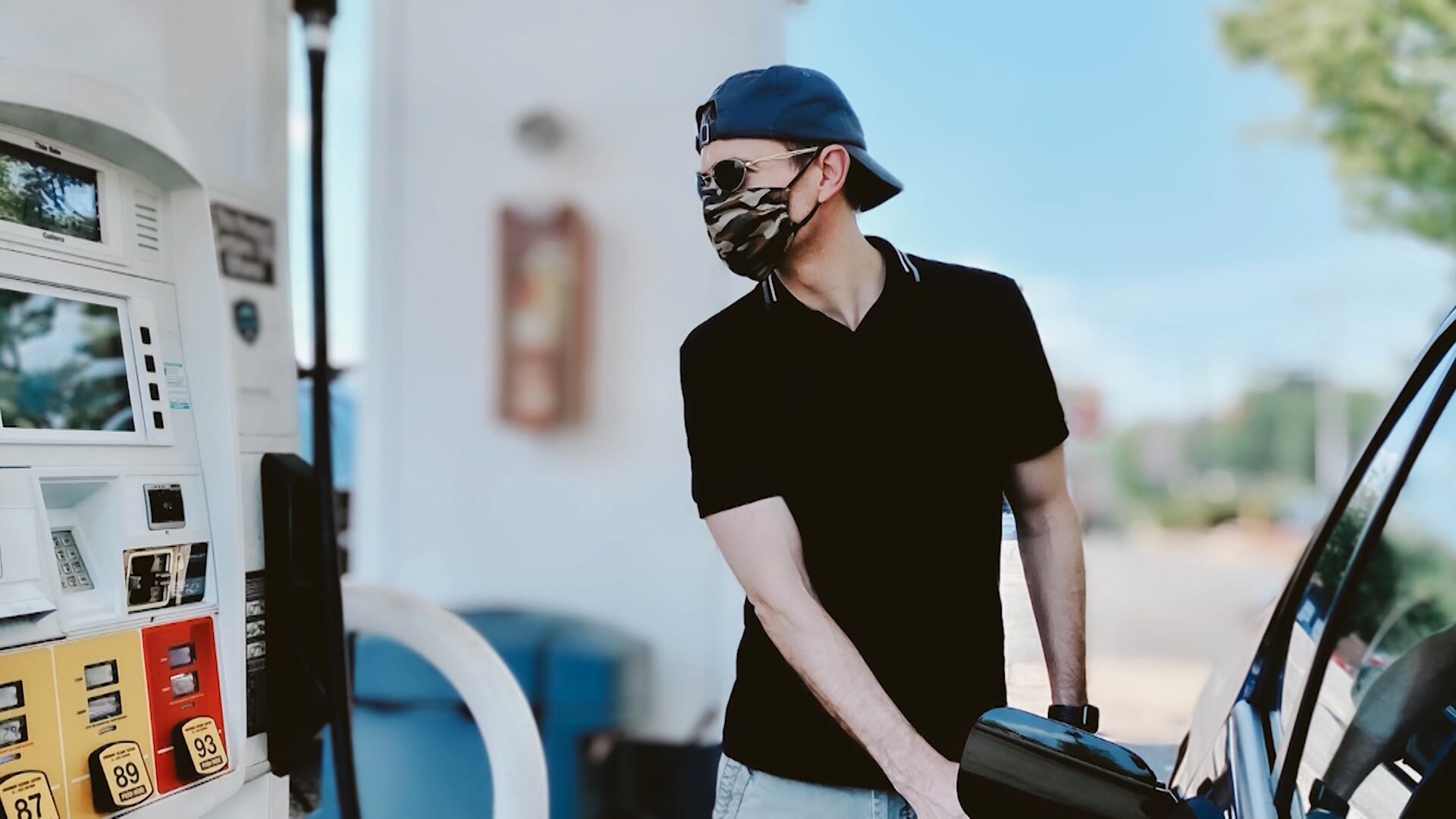
(Note: I got to jump the line for my new ink, as you can see above.)
"Everyone's getting tattooed. This is honestly the furthest I've been booked out ever in my eight year career," Everhart said. "I have never been booked out this far so, and a lot of other artists are also experiencing the same thing."
The surge in interest has kept up even as Everhart and other tattoo artists across the industry shifted to digital consultations and appointment-only tattooing.
While she says the increased demand will eventually plateau, some things from the pandemic will stick around. Everhart plans to continue wearing masks while tattooing so she and her customers don't get even a little bit sick.
"I just don't have time to get sick," she said. "People are scheduling appointments three months in advance. And if it gets to be the week of their appointment, and I have to call and reschedule 'cause I have the sniffles, that's not a good look. So, I'm definitely going to keep wearing masks."
Post-pandemic realities aside, Everhart's work isn't stopping any time soon.
"You have people who have been wanting to get tattooed for a really long time. And now they're just like, I'm going to pull the trigger on this. Life is too short. I've survived this pandemic. I can't stay at my house anymore. I need to get out. I want to do this thing," she said.
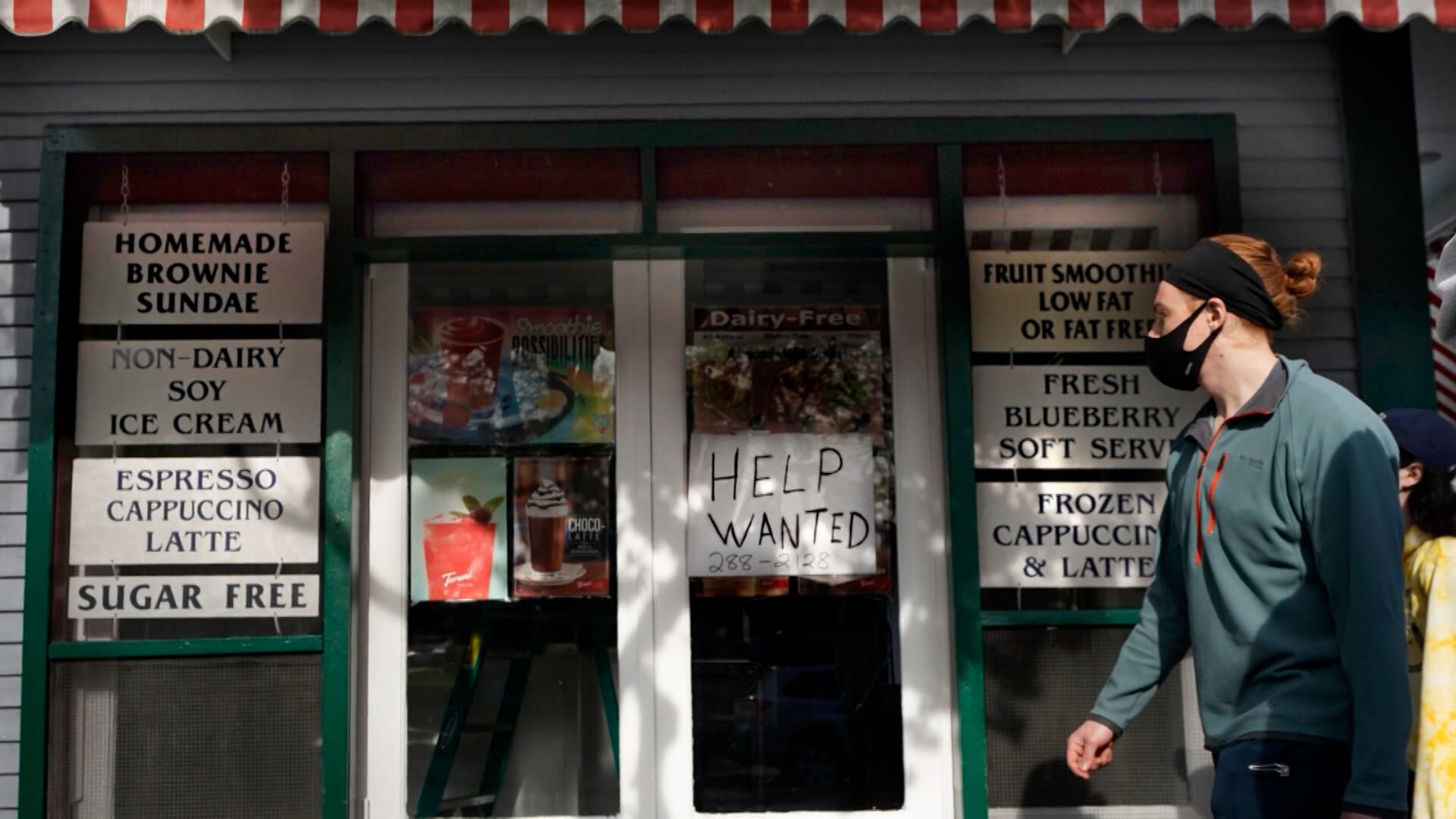
November's jobs report is tricky: nonfarm payrolls only increased by 210,000, following an October gain of 546,000. At the same time, the unemployment rate fell to 4.2% - and the labor force participation rate rose 61.8% to its highest level since March 2020. Also of note: the retail sector saw a decline of 20,000 jobs despite what was once a traditional late fall push to hire before the holiday sales rush. What's going on in the labor market, and can we expect more volatile numbers as the omicron variant spreads during the winter months? Adam Ozimek, Chief economist at Upwork, joins Cheddar News' Closing Bell to discuss the mixed jobs report, sector winners and losers, retail's flip-flop, and more.
Chinese regulators are reportedly behind China-based ride-hailing company DiDi exiting from the New York Stock Exchange, just days after listing earlier this year. The regulators stated prior that DiDi had not received the necessary clearances to list in the states. Gordon Chang, Asian affairs expert, joined Cheddar to break down what the delisting says about the relationship between nations. "This really strikes me as an attempt to really to force a decoupling of China and the U.S. in the financial markets," Chang said.
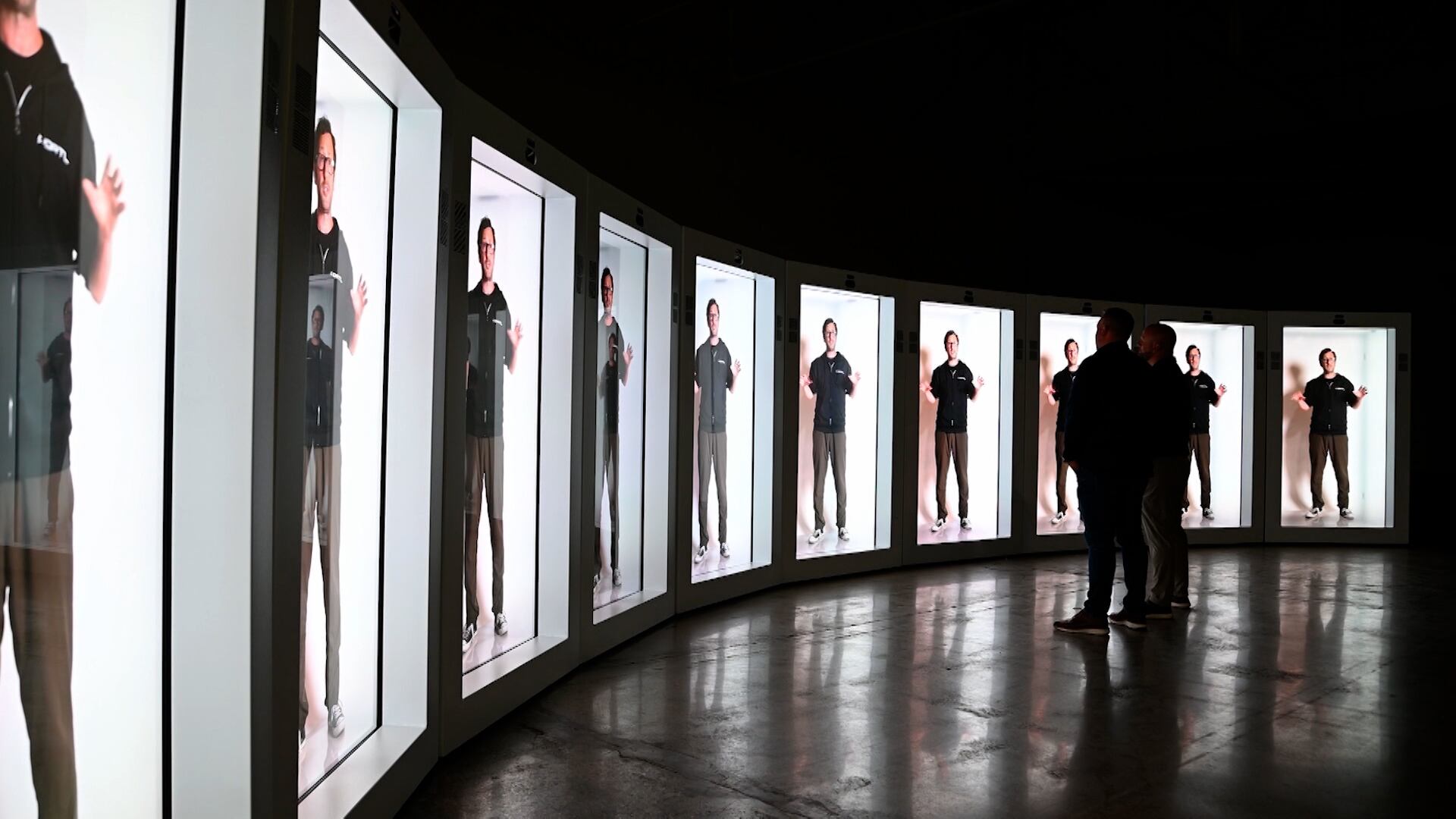
Hologram communication platform maker PORTL is looking to take communication to the next level. Founder and CEO David Nussbaum joined Cheddar to talk about the company's recent $12 million Series A funding round that will be used to bring the concept of holoportation to market. Nussbaum noted his hologram technology is just not comparable to augmented reality or virtual metaverses because the image projection is happening in real-time and in actual reality. "Well, unlike VR or AR, we're 'R.' We're real. You don't need a headset. You don't need wearables. You don't need to download anything. It's incredible," he said.
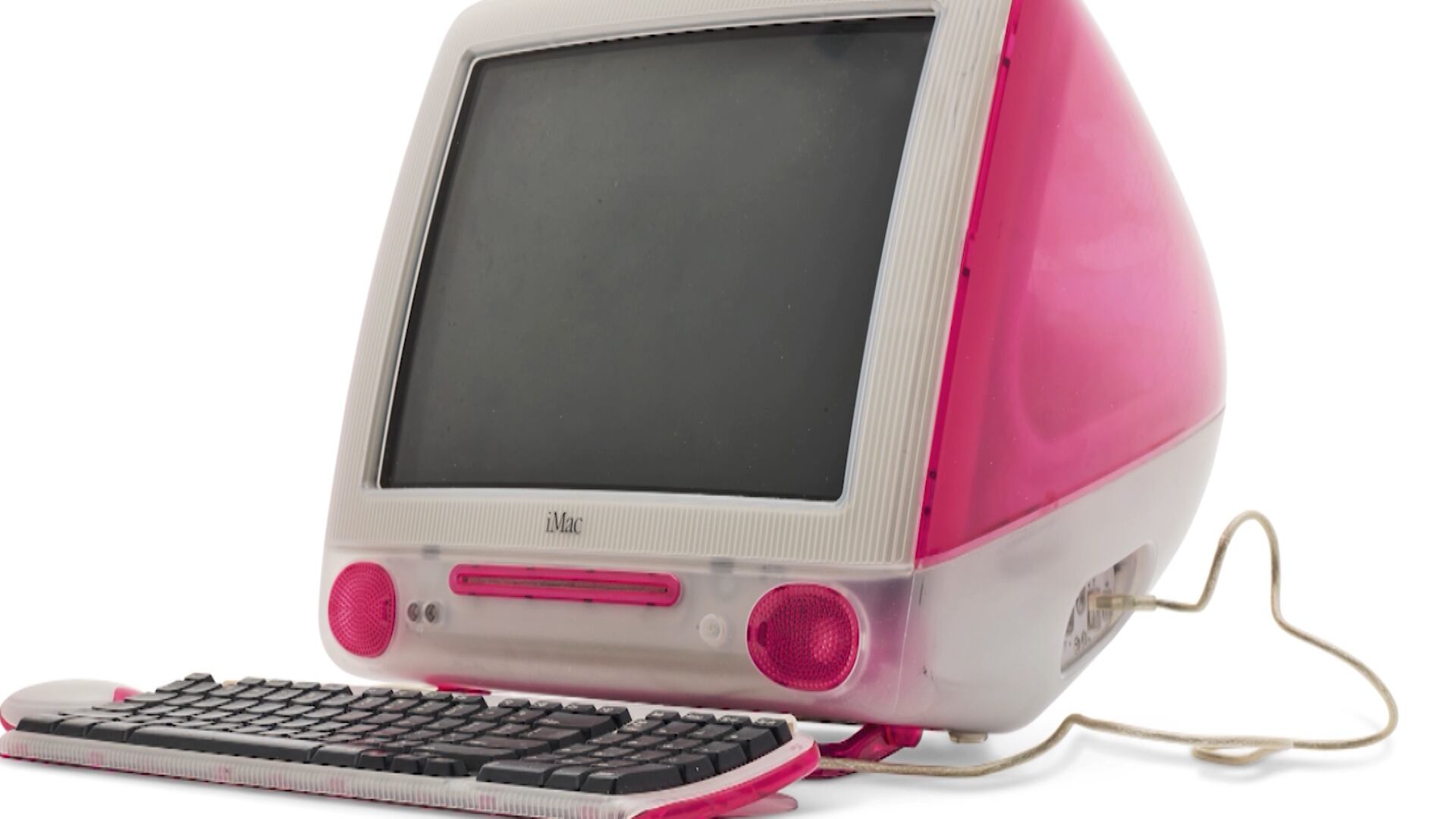
Wikipedia founder Jimmy Wales stopped by Cheddar's "Between Bells" to talk about his Birth of Wikipedia auction at Christie's putting two items linked to the origins of Wikipedia up for sale. On the auction block are his original strawberry iMac that was used to create the long-running online encyclopedia and what Wales described as an interactive NFT of his first Wikipedia edit rather than a static image. "Once it's been sold, the owner can turn it on, and anyone can edit the page and it will be reflected in the NFT," he said.
On this episode of Your Future Home, Carmine Satabella, Interior Designer & Television Host, joins to break down how to get the most out of your winter decor this year and basic kitchen fundamentals that go a long way; Max Child, CEO and co-founder of Volley, discusses the rise of voice games and how tech is continuing to change smart homes; Cheddar breaks down everything you need to know about how to start flipping homes.
China-based DiDi is delisting from the New York Stock Exchange after Chinese officials reportedly asked the ride-hailing company to do so. It will instead list on the Stock Exchange of Hong Kong.
U.S. Futures were pointing to a higher open to round out the week despite a miss on the November Jobs Report, which showed slower job growth than expected-- and as the omicron variant continues to spread across the country. Patrick Healey, Founder & President at Caliber Financial Partners joined Cheddar's Opening Bell to discuss.
It's a mixed bag for the November jobs report. Hiring slowed last month as employers only added 210,000 jobs, massively missing the estimate of 550,000. But there was one bright spot: the unemployment rate fell to 4.2%, with the number of unemployed people dropping to 6.9 million. Both of those numbers are considerably down from their highs at the end of the 2020 recession. Heather Boushey, a member of President Biden's Council of Economic Advisers, joined Cheddar to discuss the report and the state of the country's ongoing economic recovery.