As Americans continue to get vaccinated every day, they're rushing to get back to pre-pandemic activities, from eating out at restaurants to going back to movie theaters.
Many are also rushing out to get a new tattoo.
The pandemic proved nearly fatal for many businesses across different sectors. Anything that brought a worker and a customer into close proximity was especially challenging to reopen.
Tattoo shops checked all of those shutdown boxes, and getting a tattoo is one of the most pandemic un-friendly activities out there. The close contact, the collaboration with the artist, and of course the needles going in and out of your skin for hours on end.
The pandemic itself has been unfriendly to the tattoo industry. Lockdowns forced artists to cancel months of appointments and created industry-wide chaos.
Hannah Everhart, a Maryland tattoo artist, is among those professionals rocked by the pandemic. Once the shop she worked in reopened, she was limited in the number of people she could see each week. And since many of the 30,000 tattoo artists in the U.S. are essentially independent contractors and don't own their own shop, they need regular business to get by.
Everhart knew the pandemic would forever change the industry, so she started thinking seriously about opening her own studio.
"A shop was always the long term goal with tattooing," Everhart said. "It's something that I was really thinking for the five-year plan. But during the pandemic, everything was shut down. It gave me time to sit down and evaluate my situation as far as, like, money, and would this be something I could make work?"
It turns out opening her own shop in a year when small businesses faced a major downturn wasn't as hard as she might have expected. She opened Raven and Rose Studios in Savage, Md., in January.
"When I started running the numbers, it kind of made sense," she said. "It was like, oh, I could actually make this work. I could make this happen."
Everhart's move has proven to be an opportune one as the tattoo industry is seeing incredibly high demand. She has seen so much interest that she's booked until October.
(Note: I got to jump the line for my new ink, as you can see above.)
"Everyone's getting tattooed. This is honestly the furthest I've been booked out ever in my eight year career," Everhart said. "I have never been booked out this far so, and a lot of other artists are also experiencing the same thing."
The surge in interest has kept up even as Everhart and other tattoo artists across the industry shifted to digital consultations and appointment-only tattooing.
While she says the increased demand will eventually plateau, some things from the pandemic will stick around. Everhart plans to continue wearing masks while tattooing so she and her customers don't get even a little bit sick.
"I just don't have time to get sick," she said. "People are scheduling appointments three months in advance. And if it gets to be the week of their appointment, and I have to call and reschedule 'cause I have the sniffles, that's not a good look. So, I'm definitely going to keep wearing masks."
Post-pandemic realities aside, Everhart's work isn't stopping any time soon.
"You have people who have been wanting to get tattooed for a really long time. And now they're just like, I'm going to pull the trigger on this. Life is too short. I've survived this pandemic. I can't stay at my house anymore. I need to get out. I want to do this thing," she said.
Next-gen social sports platform Break the Love recently raised $2.5 million in seed funding. Break the Love's platform and iOS app allows users to discover and book group-based tennis activities, to either learn, train, or compete. The new company has already gotten support from a few big names in the world of tennis, including the coach of Naomi Osaka, as well as the United States Tennis Association and the brand Wilson. Break the Love founder and CEO Trisha Goyal joins Cheddar News' Closing Bell to discuss.
The world of NFTs and cannabis are colliding as luxury cannabis company Peakz gears up to launch a digital dispensary in the metaverse. CEO Jessie Grundy and Tiffany McBride, managing director of social equity ventures at The Parent Company, an investor in Peakz, joined Cheddar to break down exactly how a digital dispensary would work. Grundy also talked about offering low-cost NFT courses in an effort to help Oakland, California, residents not miss out on new investing opportunities, and McBride discussed why the tech-forward vision of Grundy was worth investing in for The Parent Company. "He comes with really fresh ideas that he's vetted, that he's experienced in, and I really believe the thinking along Jessie's lines is the future of cannabis," she said. "He's more than just flower and a story. He comes with concepts that are new that are innovative, and that is easy for us to get behind."
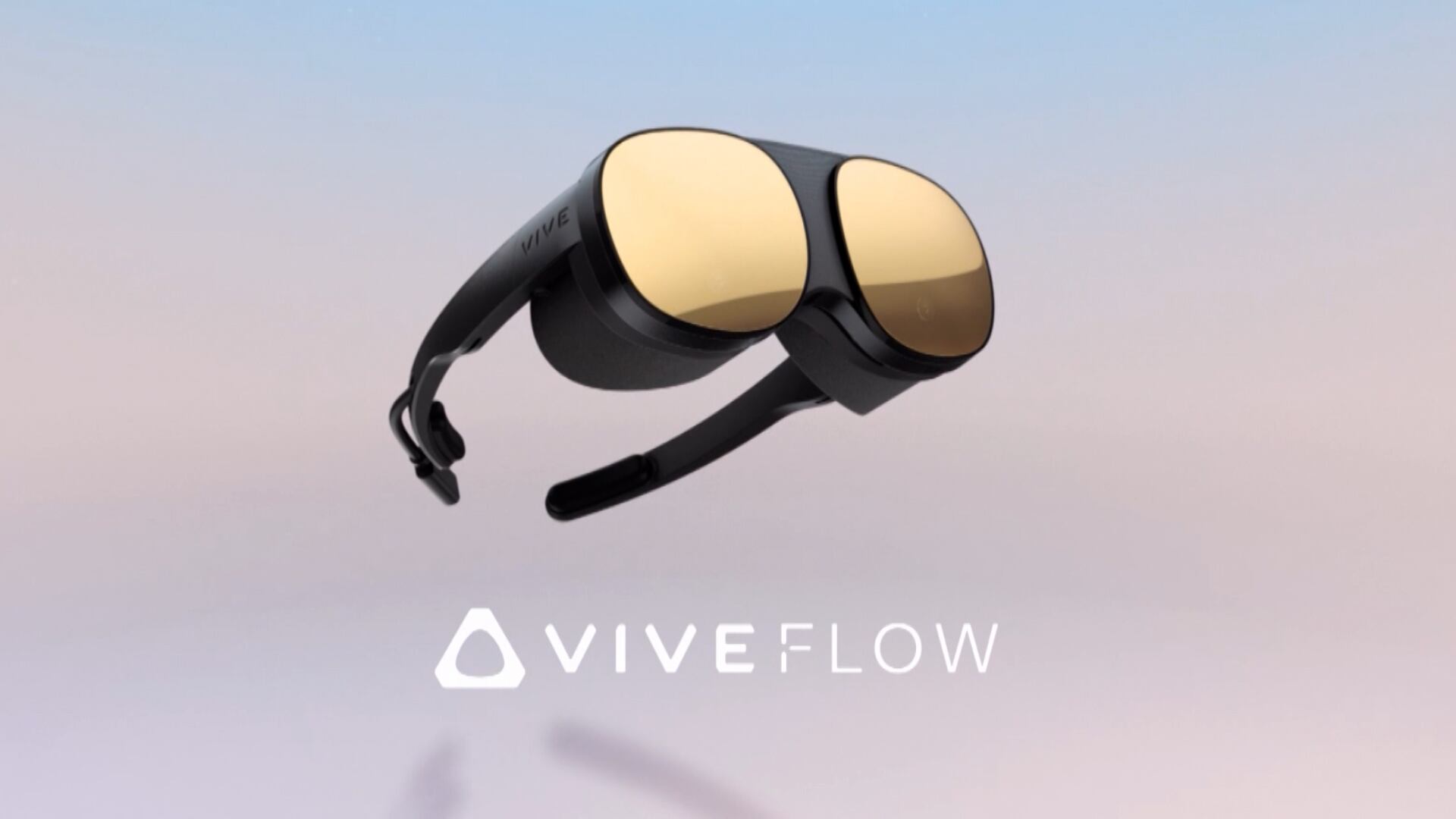
Daniel O'Brien, president and global head of enterprise at HTC America, joined Cheddar's "Closing Bell" to discuss new products and services the virtual reality brand showed off at CES 2022, including a wrist tracker — in lieu of controllers — for more accurate interactions connected to its all-in-one headset, the VIVE Focus 3. O'Brien also described a cloud-based, 5G content delivery system. "We partnered up with Lumen Technologies and from six miles away we delivered high bandwidth VR to a headset directly in the Wynn Hotel during CES," he said. "And people were able to walk around in their virtual experience through a wireless signal."
Samsung unveiled a slew of new electronics and upgraded designs at CES 2022. With a heavy focus on gaming and the future of work, the company showed off its all new Odyssey Ark, which boasts a massive 55 in. curved display designed to give users a more immersive and captivating experience. Sang Kim, SVP, Samsung Electronics joined Cheddar's Michelle Castillo to discuss the company's biggest launches as well as major trends to watch in 2022.
Tesla's Austin, Texas-based gigafactory could be days away from opening its doors and beginning production. Dan Ives, managing director of equity research at WedBush Securities, joined Cheddar to talk about his estimate that the EV company will be running its factory within a week and noted that Tesla has been in a good position despite ongoing semiconductor shortages. "They're really almost Teflon-like relative to other automakers," he said, calling its production delays "containable." Amid another shortage — labor —, he said he thinks Tesla positioned itself well for access to talent months ago with expanded hiring amid the move to Texas from California.
The UK's Information Commissioner's office is scrutinizing Facebook's parent company Meta over child safety practices linked to the Oculus headset, according to a report. The agency is looking to question the tech giant about how it's protecting children from harmful experiences in virtual reality.
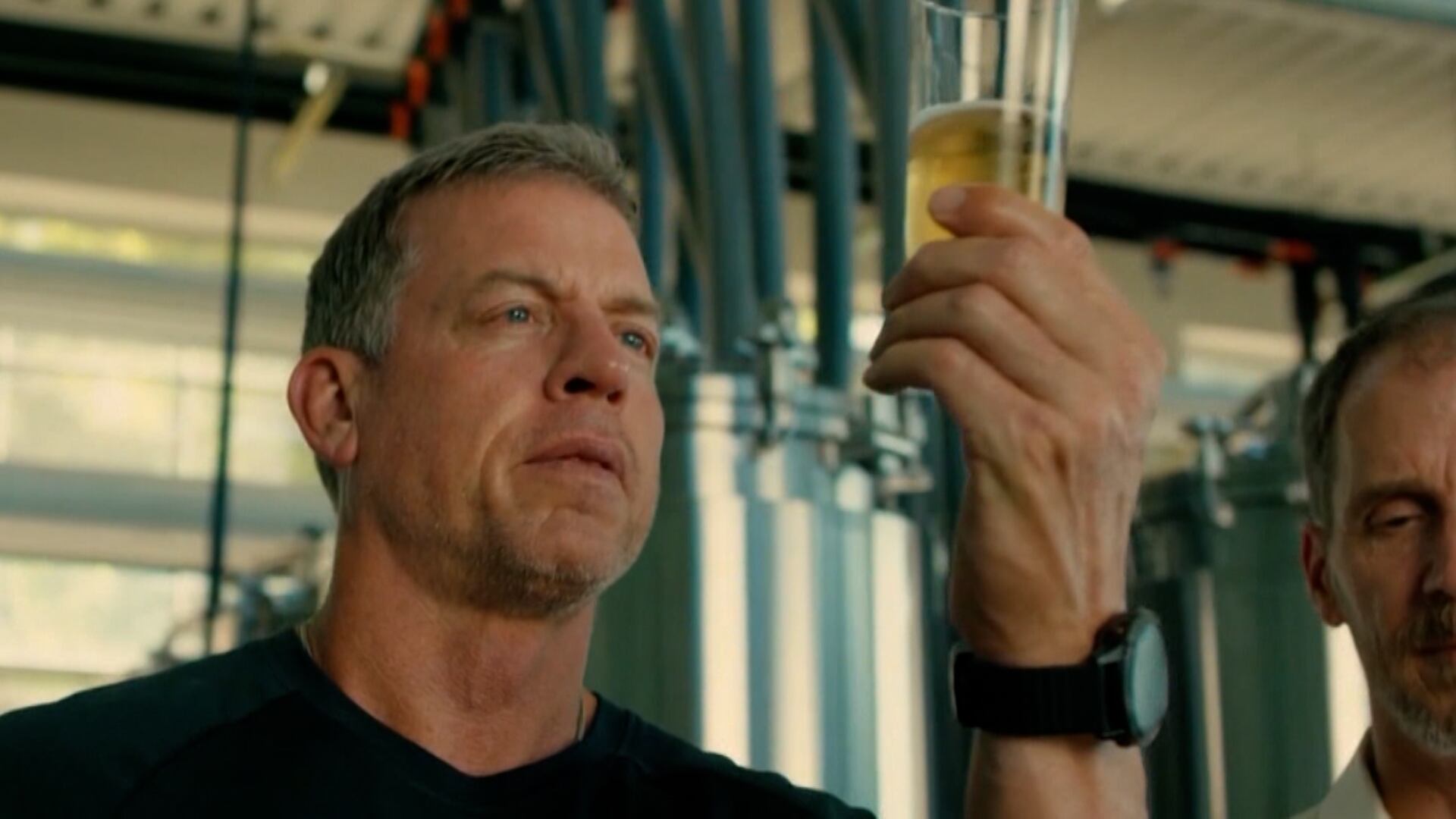
Hall of Fame quarterback Troy Aikman joined Cheddar's "Between Bells" to talk about his own brand of organic light beer called Eight (his jersey number with the Dallas Cowboys) and explained that he's had an interest in the industry since his days working for a distributor during college. "These brands that are on the market have been there for a long time and [I] felt that it was time for something fresh, something new, and I thought that we could do it in a way that was a better-for-you beer' and that's what we've done," he said. Aikman also provided some insight into the upcoming NFL playoffs and noted that he doesn't see a clear frontrunner for this year's Vince Lombardi trophy.
Disney has secured a patent for a digital world simulator for headset-free augmented reality expected to be accessible in parks by tracking smartphones and projecting personalized 3D displays, an indication that the entertainment giant is gearing up for its entry into the metaverse.
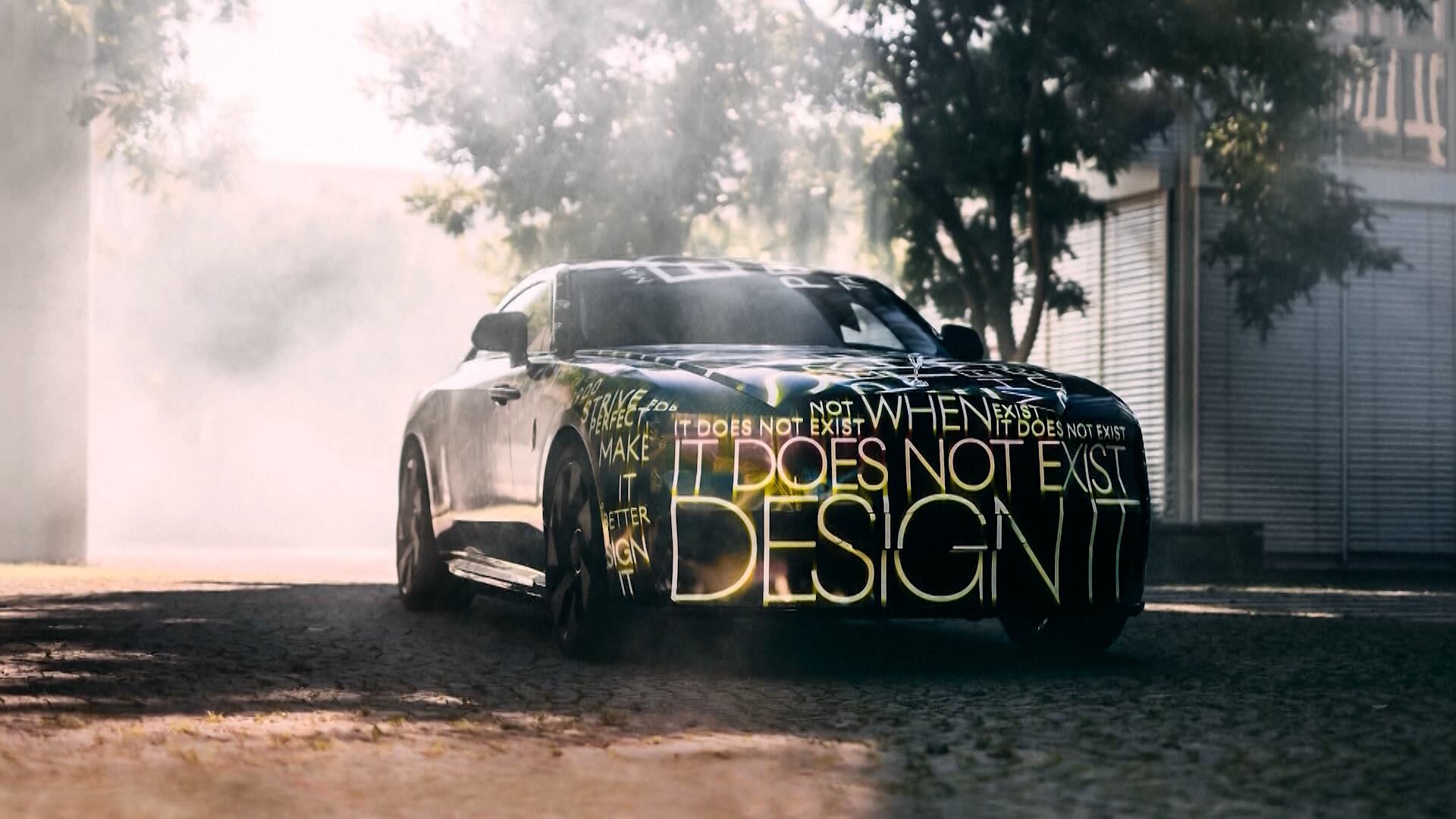
It has been a record year for luxury automaker Rolls-Royce despite the industry struggling to meet demand overall due to the ongoing semiconductor chip shortage. CEO Torsten Müller-Ötvös joined Cheddar to discuss the driving factors behind the company's 2021 success. He said after the pandemic forced the closure of factories in 2020 and people stopped making large purchases, they were open to spending more in 2021. "The entire luxury sector was fueled by there's money available, and people are prepared to spend money," he said.