Flying in the age of coronavirus comes packed with uncertainty about the health status of fellow travelers. Now, Florida's Tampa International Airport is running a pilot program that offers on-the-spot COVID-19 tests for travelers.
With more than 120 people participating in the optional testing per day, Joe Lopano, Tampa International Airport CEO, said the program is showing promising results.
"We've had some customers who have tested positive and Baycare, the healthcare professionals, have a discussion with that passenger and tell them that they should not continue on their way and passengers have accepted it," Lopano told Cheddar.
The airport offers two tests, the $125 PCR nasal swab, which usually takes 3 to 4 days to yield results, and the $50 rapid Antigen test. The cost of both tests, Lopano said, can be covered by insurance companies if travelers provide a receipt from the airport.
Testing at the airport, according to Lopano, will not have much impact on overall travel time. In fact, those not checking a bag only need to account for an additional 30 minutes as a cushion, he added.
"It's immediate testing. Sometimes you have to wait in a short line. You'll get your results in 15 minutes, so it really is not a very time-consuming function and it's very convenient," Lopano said.
While other airports have implemented testing for specific destinations, Lopano said Tampa is the first to offer widespread testing for passengers on all flights arriving and departing. The pilot program is likely to continue running through the holiday season as the number of participants and customer satisfaction is assessed.
For Lopano, offering a testing site at the airport is not only maintaining passenger safety but can also help revitalize a struggling travel industry that is fighting to get customers off the ground.
"It's a high priority because we need to do whatever we can to create confidence in the travel experience and now that widespread testing is available, the technology is available, what better way to do that than right at the airport," he said.
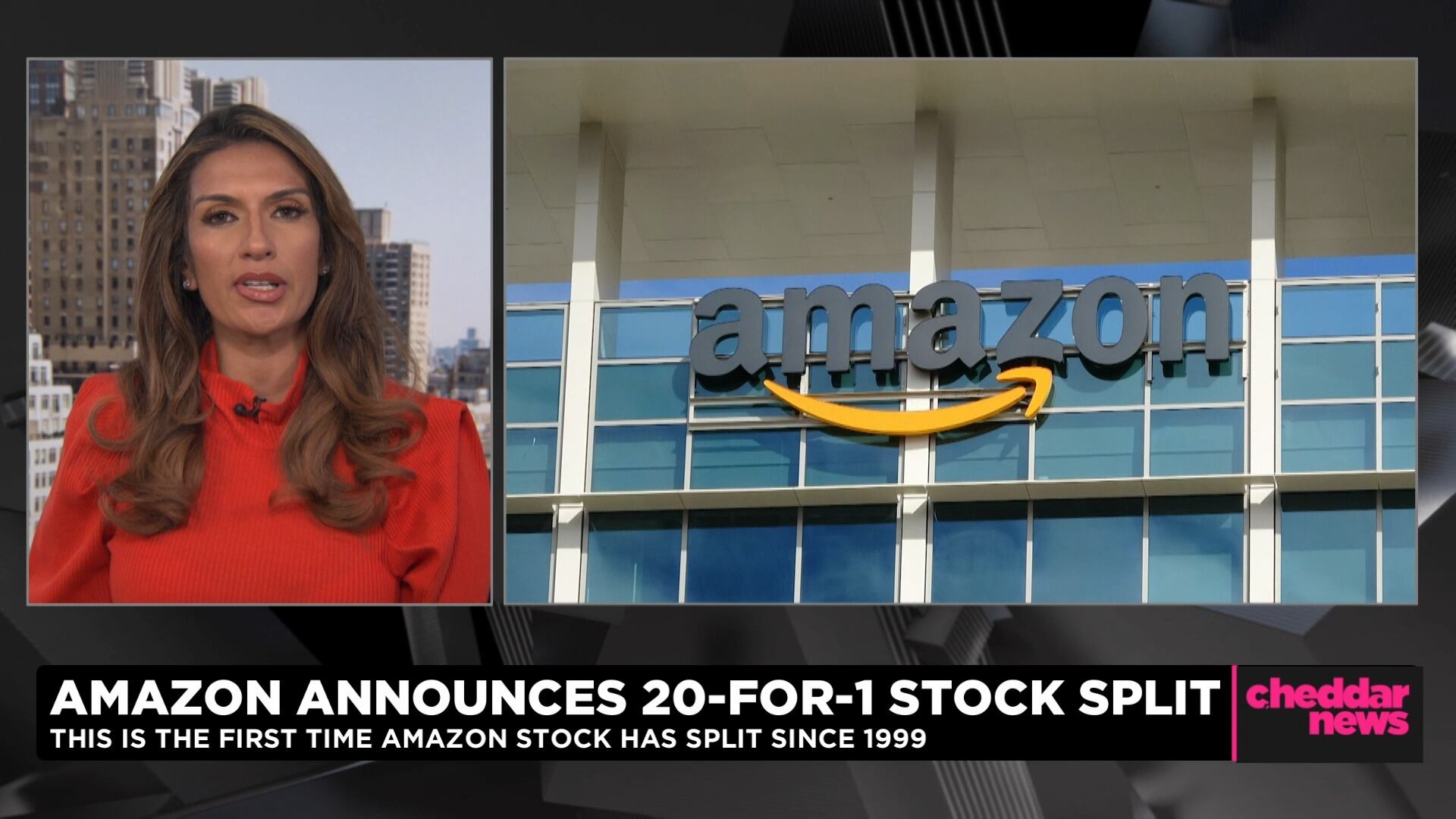
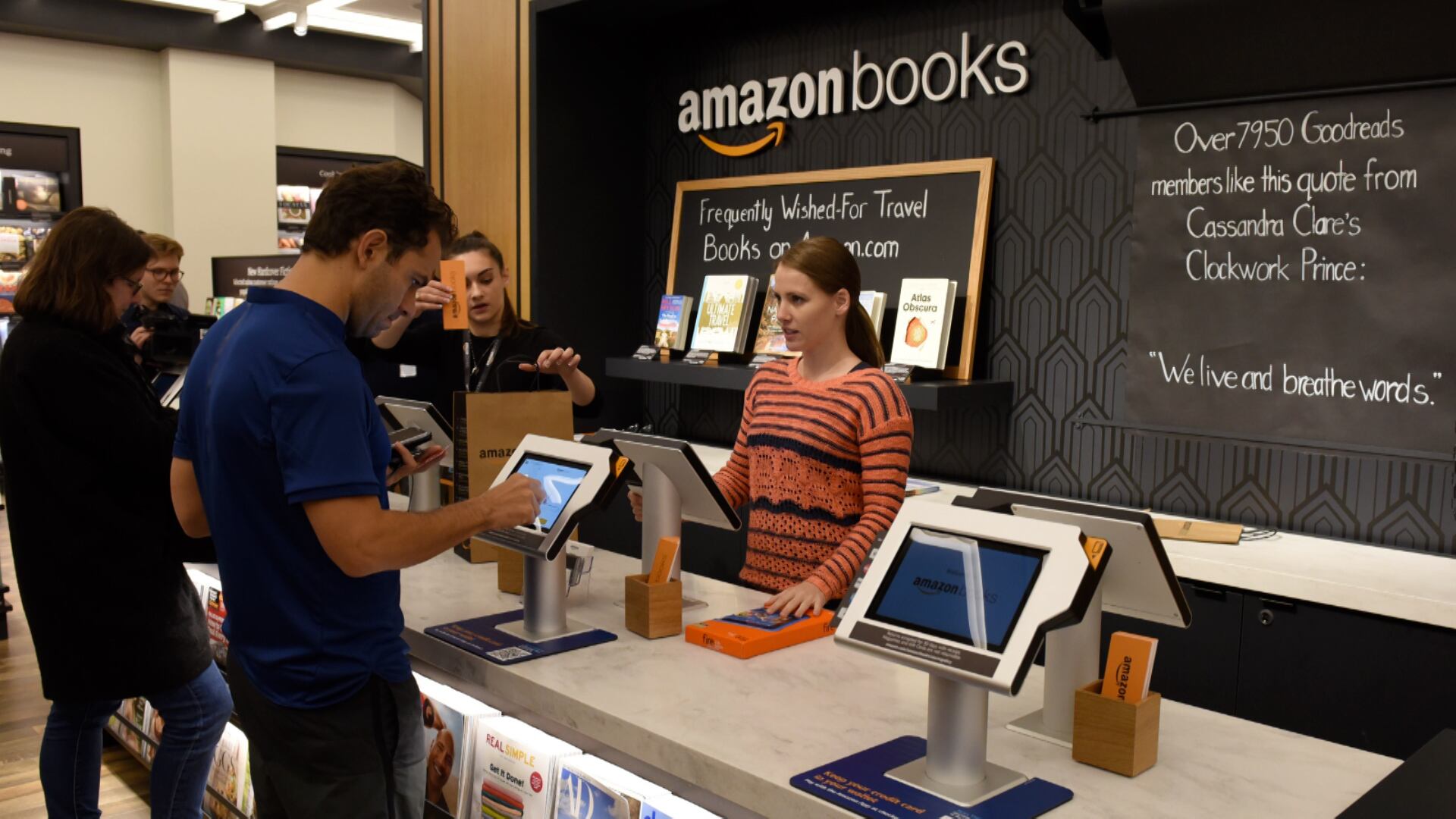
Amazon says it will be closing down all 68 of its pop-up shops throughout the U.S. and United Kingdom. The e-commerce giant makes the move as it looks to evolve its other brick and mortar chains like Whole Foods and eventually grow into a physical retail powerhouse. Cheddar News was joined by Deren Baker, CEO of Edge by Ascential, to talk more about Amazon's plans to become a retail powerhouse.
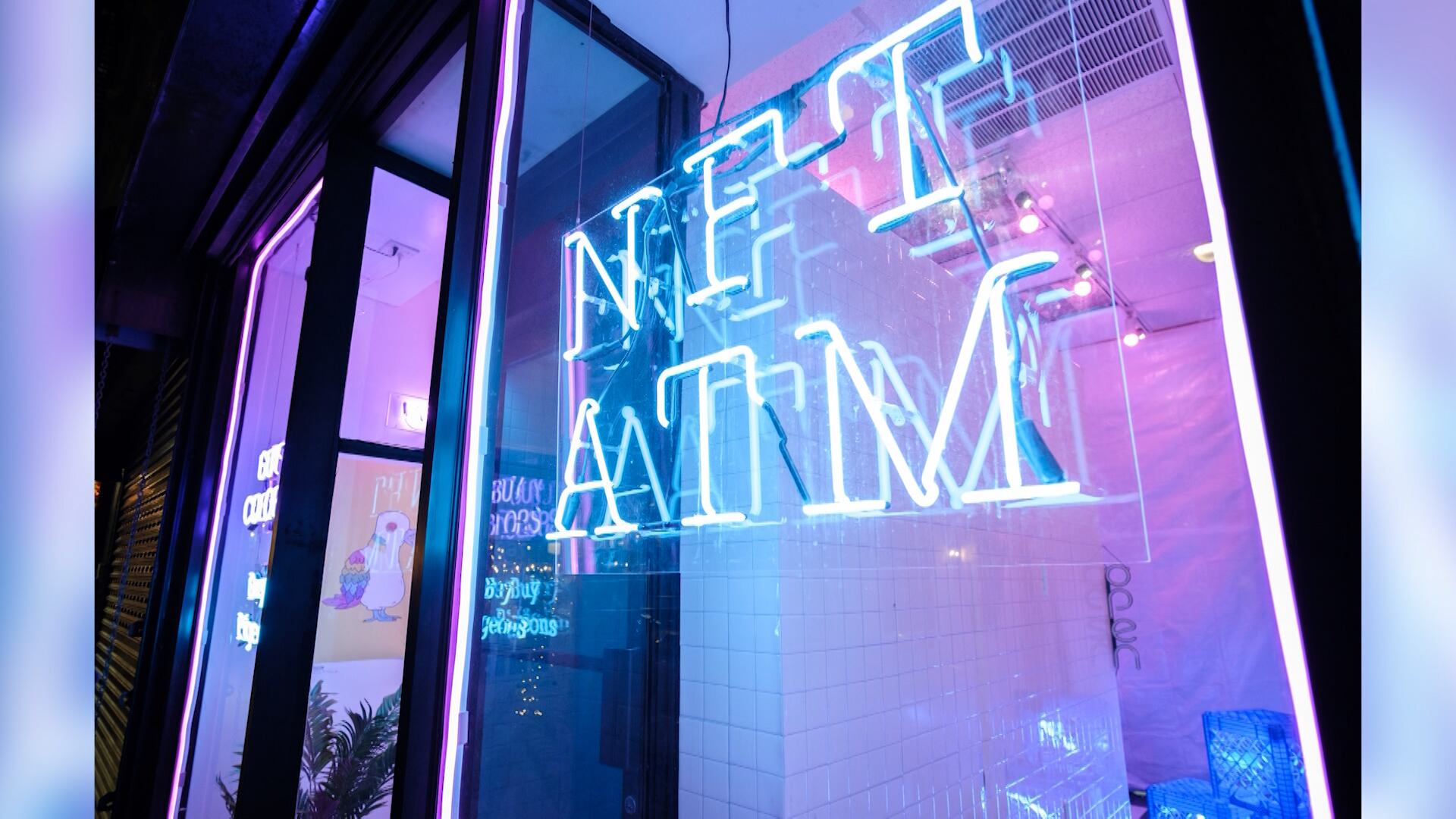
NFT and digital collecting platform Neon recently raised $3 million in seed funding. The startup also launched the world's first NFT vending machine, located in New York City's Financial District. Neon says it aims to be the simplest and most accessible way to buy, sell, and trade NFTs, both online and in the real world. Kyle Zappitell, CEO of Neon, joined Cheddar News' Closing Bell to discuss.
President Biden has banned imports of Russian oil to the U.S. in retaliation for its invasion of Ukraine. The president warned of higher prices at the gas pump, leading some analysts to think it could propel the transition to clean, renewable energy. Michael Jones, chairman and CEO of investment solutions company Caravel Concepts, discussed how the ban is hitting green energy stocks as gas prices continue to surge. "I think the 10-year prospects for renewables just got a whole lot better because ultimately this is going to force a transition into renewables," he said.
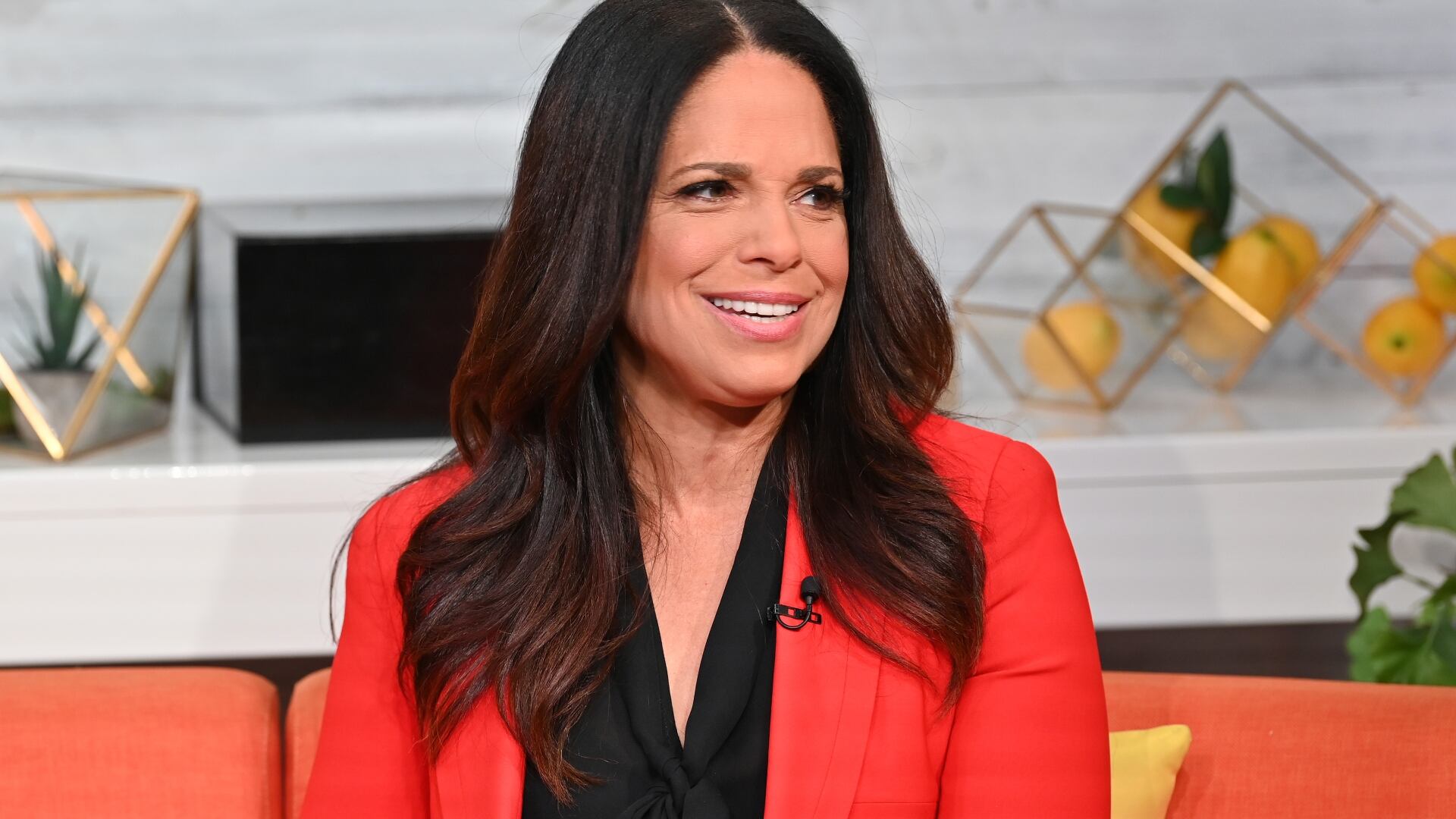
Award winning journalist Soledad O'Brien teamed up with Edelman Financial to launch her all-new podcast 'Everyday Wealth' aimed at helping women and men alike in all stages of their wealth planning journey. O'Brien joined Cheddar to discuss female entrepreneurship and the importance of financial literacy, especially among women who were disproportionally affected by the pandemic.
A Russian airstrike on a Mariupol maternity hospital that killed three people drew outrage, with Ukrainian and Western officials branding it a war crime.
Stocks slipped on Wall Street Thursday as markets remain choppy amid uncertainty about where inflation, interest rates and the global economy are heading.
Inflation hit another four-decade high in February, according to the latest Consumer Price Index, priming the U.S. economy for persistent price gains through 2022.