Flying in the age of coronavirus comes packed with uncertainty about the health status of fellow travelers. Now, Florida's Tampa International Airport is running a pilot program that offers on-the-spot COVID-19 tests for travelers.
With more than 120 people participating in the optional testing per day, Joe Lopano, Tampa International Airport CEO, said the program is showing promising results.
"We've had some customers who have tested positive and Baycare, the healthcare professionals, have a discussion with that passenger and tell them that they should not continue on their way and passengers have accepted it," Lopano told Cheddar.
The airport offers two tests, the $125 PCR nasal swab, which usually takes 3 to 4 days to yield results, and the $50 rapid Antigen test. The cost of both tests, Lopano said, can be covered by insurance companies if travelers provide a receipt from the airport.
Testing at the airport, according to Lopano, will not have much impact on overall travel time. In fact, those not checking a bag only need to account for an additional 30 minutes as a cushion, he added.
"It's immediate testing. Sometimes you have to wait in a short line. You'll get your results in 15 minutes, so it really is not a very time-consuming function and it's very convenient," Lopano said.
While other airports have implemented testing for specific destinations, Lopano said Tampa is the first to offer widespread testing for passengers on all flights arriving and departing. The pilot program is likely to continue running through the holiday season as the number of participants and customer satisfaction is assessed.
For Lopano, offering a testing site at the airport is not only maintaining passenger safety but can also help revitalize a struggling travel industry that is fighting to get customers off the ground.
"It's a high priority because we need to do whatever we can to create confidence in the travel experience and now that widespread testing is available, the technology is available, what better way to do that than right at the airport," he said.
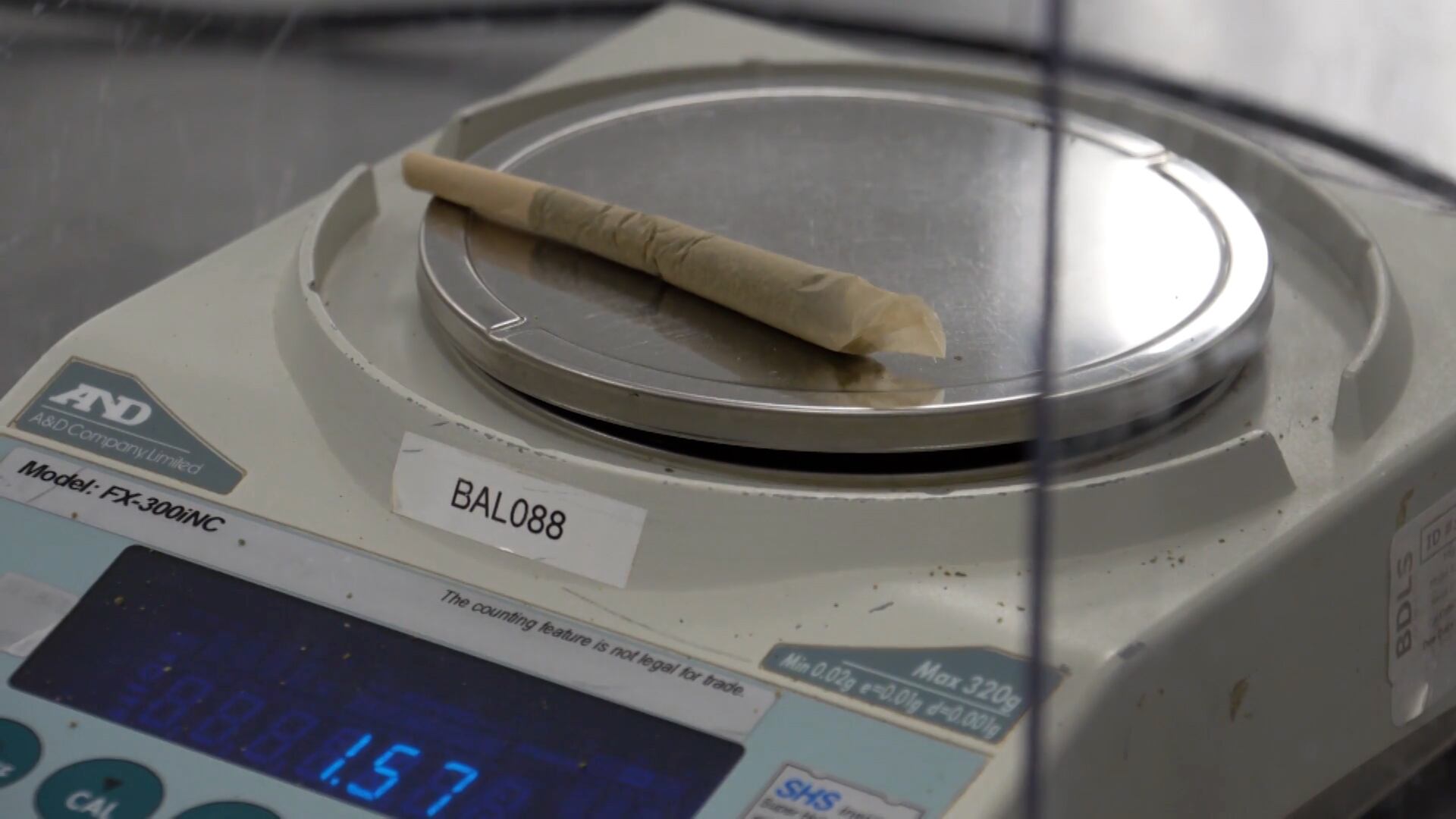
Canopy Growth reported a wider-than-expected loss in its fourth quarter and fiscal year results. However, the cannabis company plans to expand its portfolio and make new investments to achieve profitability and drive growth. CEO David Klein provides insight into the earnings report and how the company plans to reach profitability. “The premium strategy coupled with our mainstream brands in Canada is the key to achieving profitability here," he said.
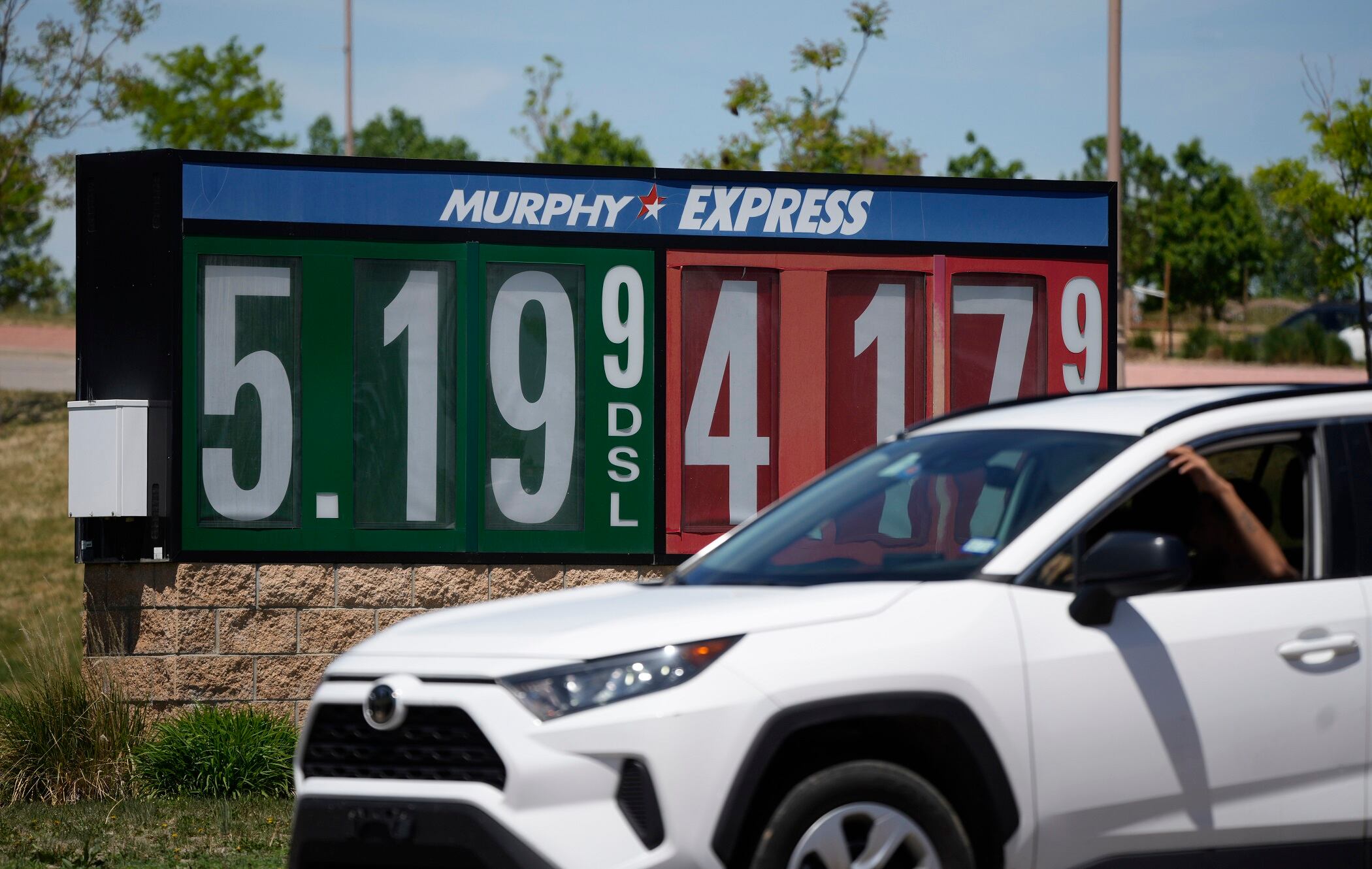
An inflation gauge closely tracked by the Federal Reserve rose 6.3% in April from a year earlier, just below a four-decade high set in March and the first slowdown since November 2020.
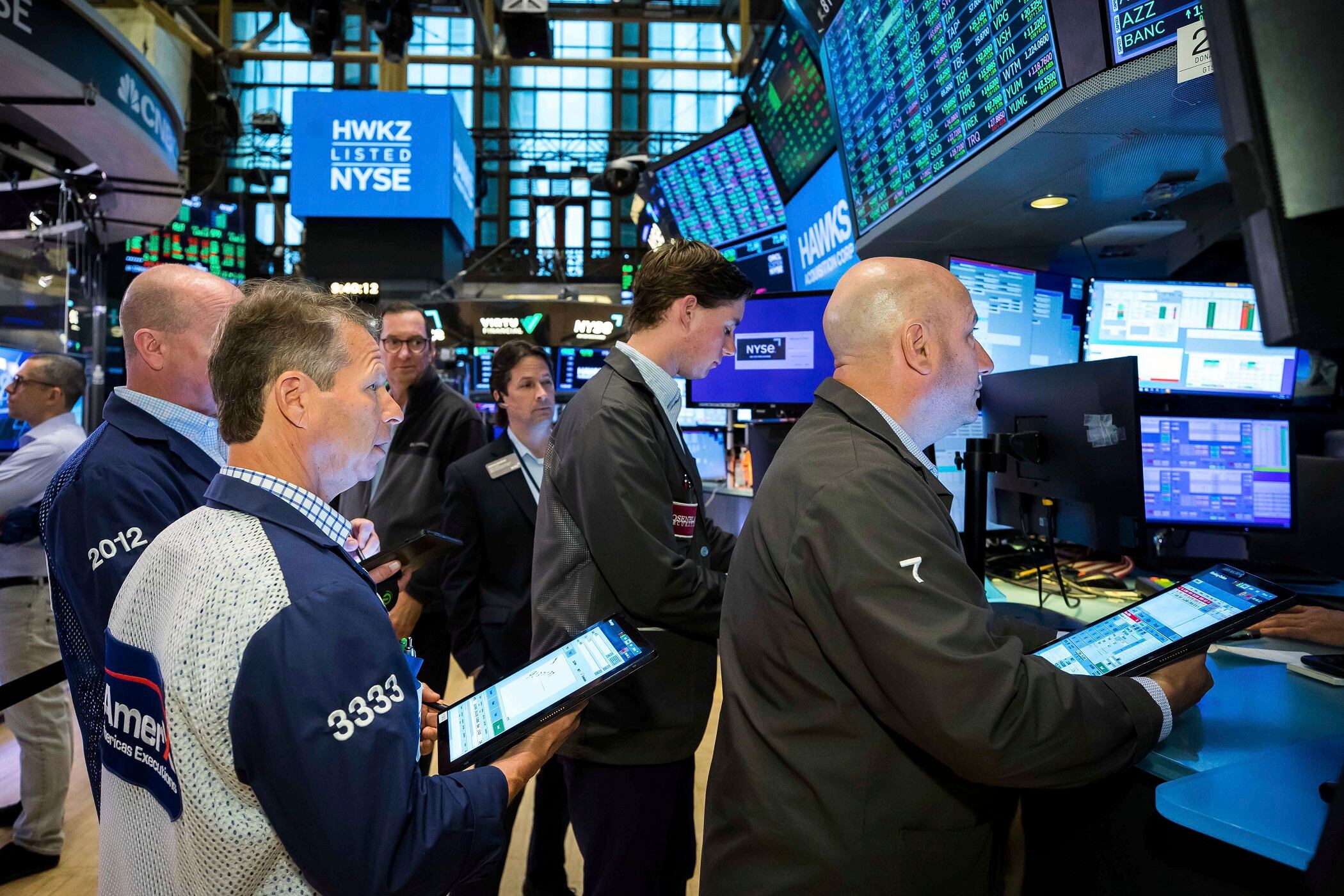
U.S. stocks ended near session highs to close Thursday's session after retailers released positive earnings results. Investors also continued to weigh the federal reserve's recent indication that the central will raise rates in an effort to curb inflation. Adam Johnson, Portfolio Manager for Adviser Investments, joins Cheddar News' Closing Bell to discuss.
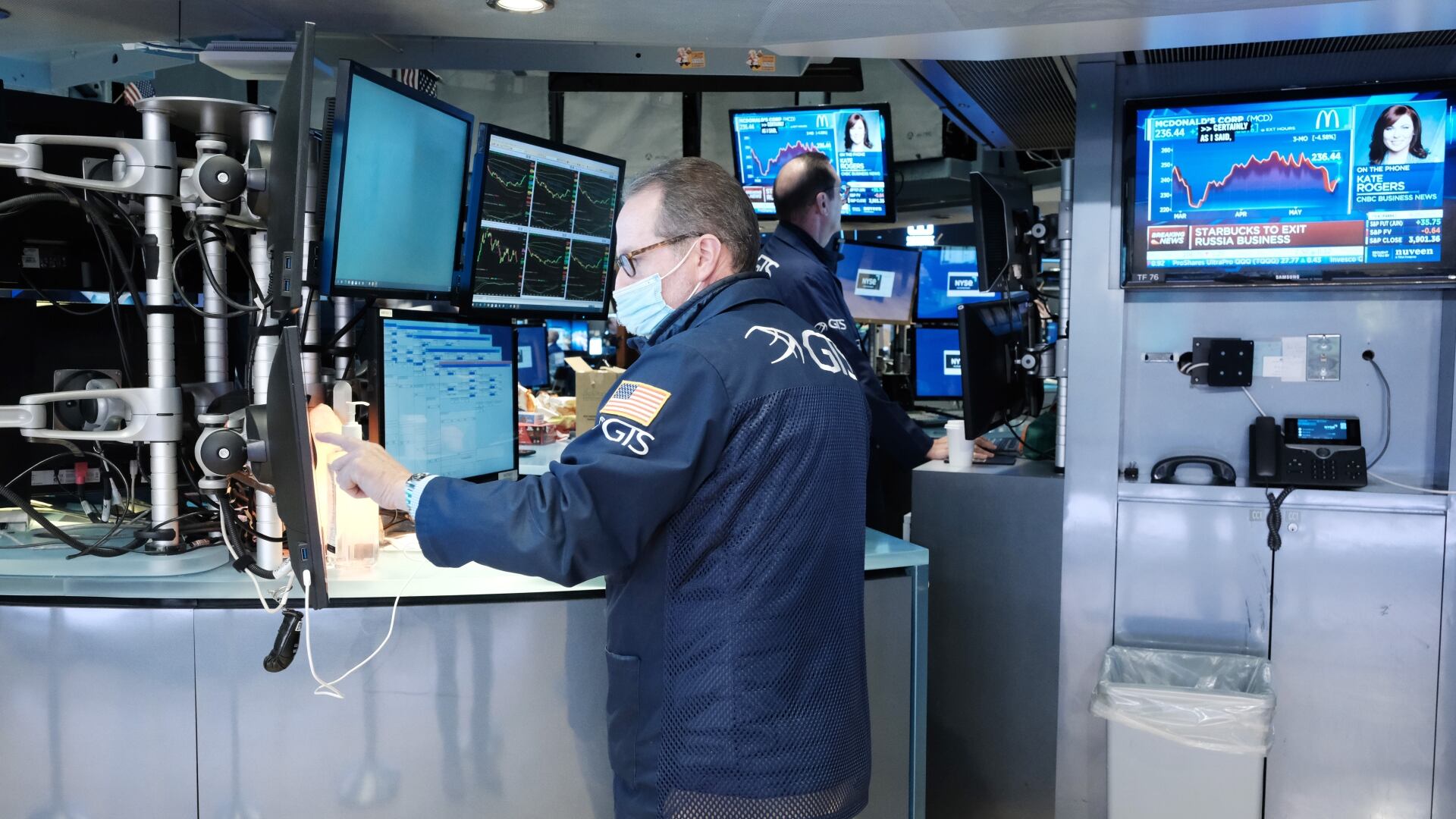
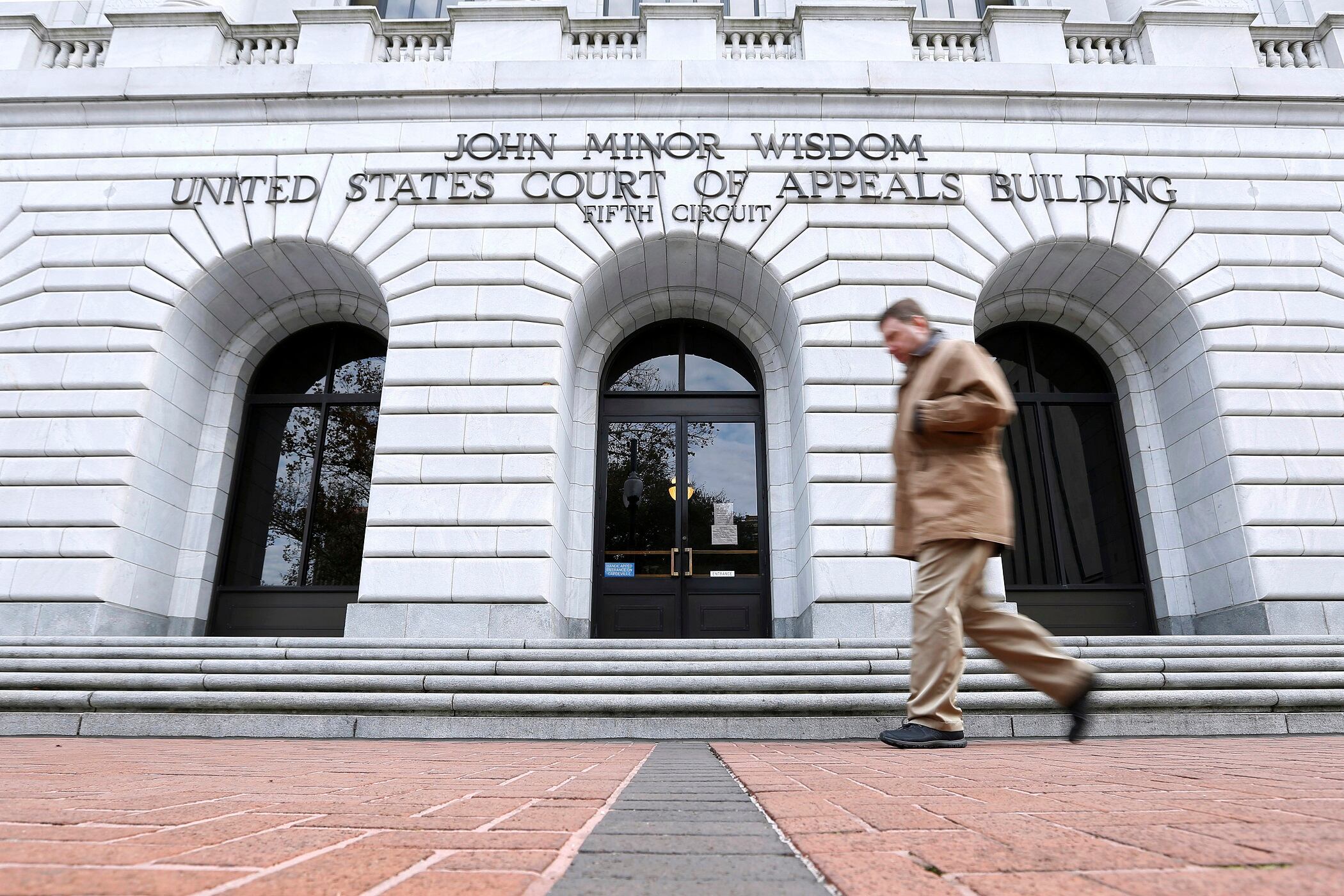
In Jarkesy v. Securities and Exchange Commission, the 5th U.S. Circuit Court of Appeals ruled that the SEC violated the U.S. Constitution. Cheddar's Alex Vuocolo dives into how the ruling could potentially change everything for regulators.
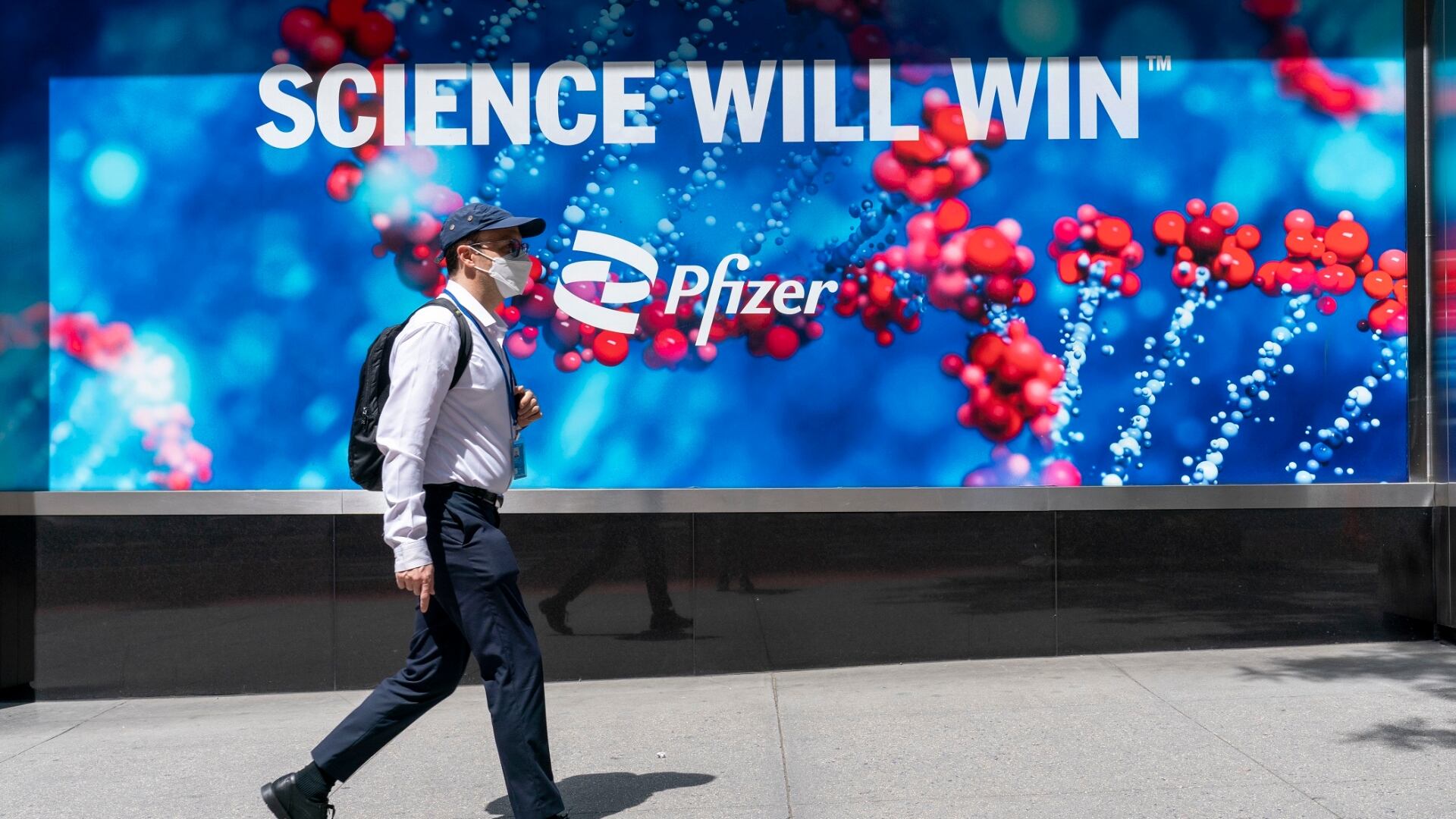
Pfizer said it will be shipping its vaccines at not-for-profit prices to 45 low-income countries. The pharmaceutical giant will be exporting 23 drugs, including those that treat cancer, heart conditions, autoimmune diseases, as well as COVID-19.
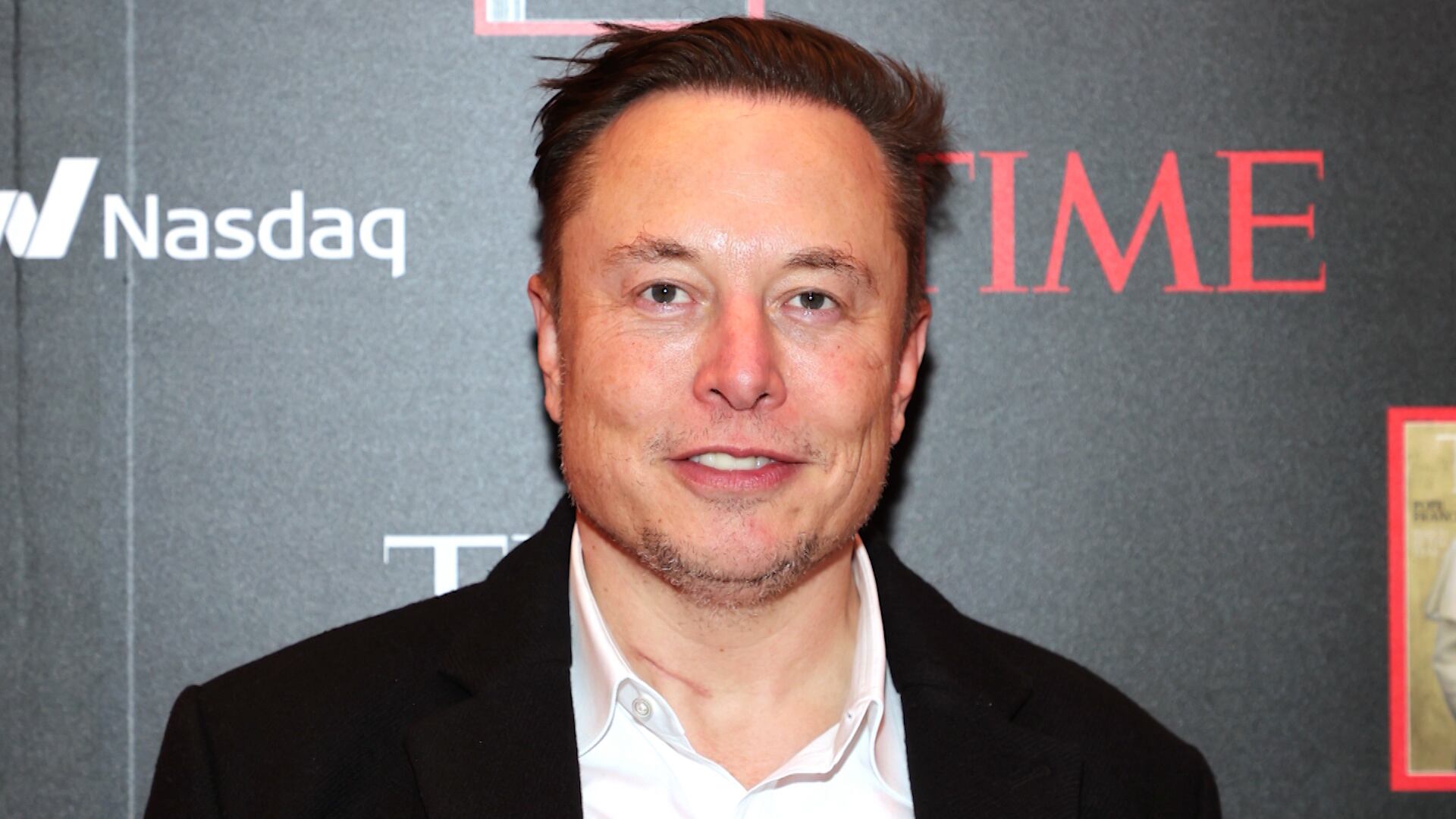
Elon Musk officially dropped out of the $200 billion club.
The move comes as Tesla's stock continues to plummet as a number of banks and analysts reconsider their lofty valuation of the automaker. Greg Martin, Co-Founder, Rainmaker Securities joined Cheddar's Opening Bell to discuss.
On today's Biz Breakdown: Elon Musk ups his offer to buy Twitter, Pfizer drops vaccine cost for some lower income countries, and Oreo & Ritz team up to create a cracker-cookie Sandwich
Catching you up on today's top stories with Elon Musk raising his own commitment to purchasing Twitter with $33.5 billion, Apple plans to produce 220 million iPhones this year, and the company also is raising its hourly retail wage to $22 per hour amid ongoing unionization efforts at its stores.