Flying in the age of coronavirus comes packed with uncertainty about the health status of fellow travelers. Now, Florida's Tampa International Airport is running a pilot program that offers on-the-spot COVID-19 tests for travelers.
With more than 120 people participating in the optional testing per day, Joe Lopano, Tampa International Airport CEO, said the program is showing promising results.
"We've had some customers who have tested positive and Baycare, the healthcare professionals, have a discussion with that passenger and tell them that they should not continue on their way and passengers have accepted it," Lopano told Cheddar.
The airport offers two tests, the $125 PCR nasal swab, which usually takes 3 to 4 days to yield results, and the $50 rapid Antigen test. The cost of both tests, Lopano said, can be covered by insurance companies if travelers provide a receipt from the airport.
Testing at the airport, according to Lopano, will not have much impact on overall travel time. In fact, those not checking a bag only need to account for an additional 30 minutes as a cushion, he added.
"It's immediate testing. Sometimes you have to wait in a short line. You'll get your results in 15 minutes, so it really is not a very time-consuming function and it's very convenient," Lopano said.
While other airports have implemented testing for specific destinations, Lopano said Tampa is the first to offer widespread testing for passengers on all flights arriving and departing. The pilot program is likely to continue running through the holiday season as the number of participants and customer satisfaction is assessed.
For Lopano, offering a testing site at the airport is not only maintaining passenger safety but can also help revitalize a struggling travel industry that is fighting to get customers off the ground.
"It's a high priority because we need to do whatever we can to create confidence in the travel experience and now that widespread testing is available, the technology is available, what better way to do that than right at the airport," he said.
The largest car search platform in India, Cardekho, recently raised $250 million in what the company calls a pre-IPO round led by leapfrog investments. The funding bumps CarDekho above unicorn status with a $1.2 billion valuation. The company currently has a catalogue of more than 3,000 pre-owned cars for online purchases and hopes to expand with the new funding. Partner and co-head of South Asian investment for LeapFrog Stewart Langdon joins Cheddar News' Closing Bell to discuss.
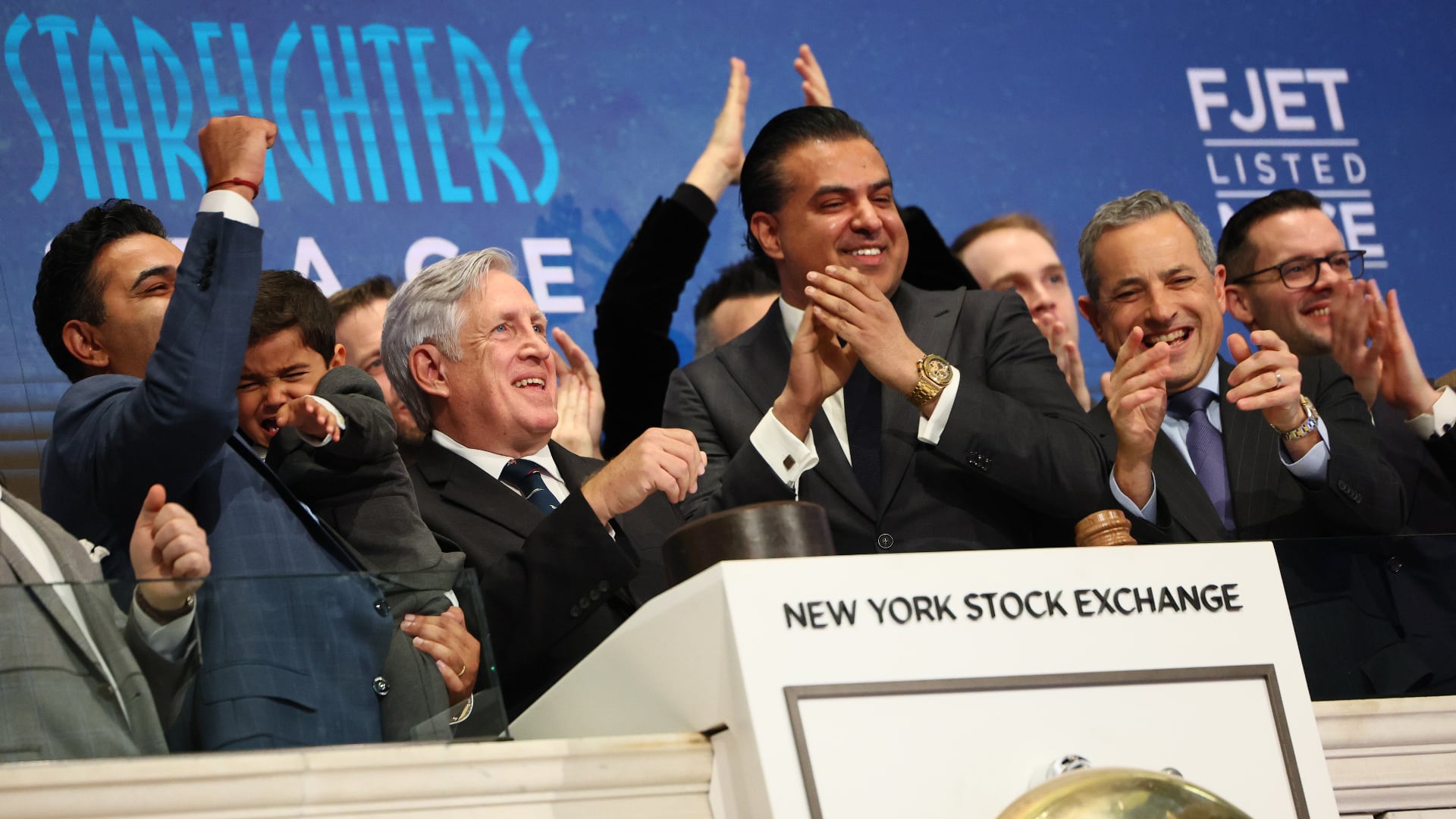
E-scooter company Bird made its public debut on the New York Stock Exchange on Thursday. CFO Yibo Ling joined Cheddar to discuss what made the company launch a SPAC IPO now. Ling noted one of the deciding factors was the need to scale the business to help take "gas-guzzling cars off the road" by growing into more locations. "A large portion of our proceeds will go to fund expansion into these new geographies," he said.
Booking Holdings CEO Glenn Fogel joined Cheddar's "Closing Bell" to discuss the online travel company's Q3 earnings beat and the state of the travel industry. The earnings win was a sign that a sense of normalcy is slowly returning, according to Fogel, though he expressed disappointment in the Biden administration's delay allowing international vaccinated travelers into the country. He also predicted that elevated prices in areas like room bookings will remain high as travelers continue to pay more even as occupancy rates remain low.
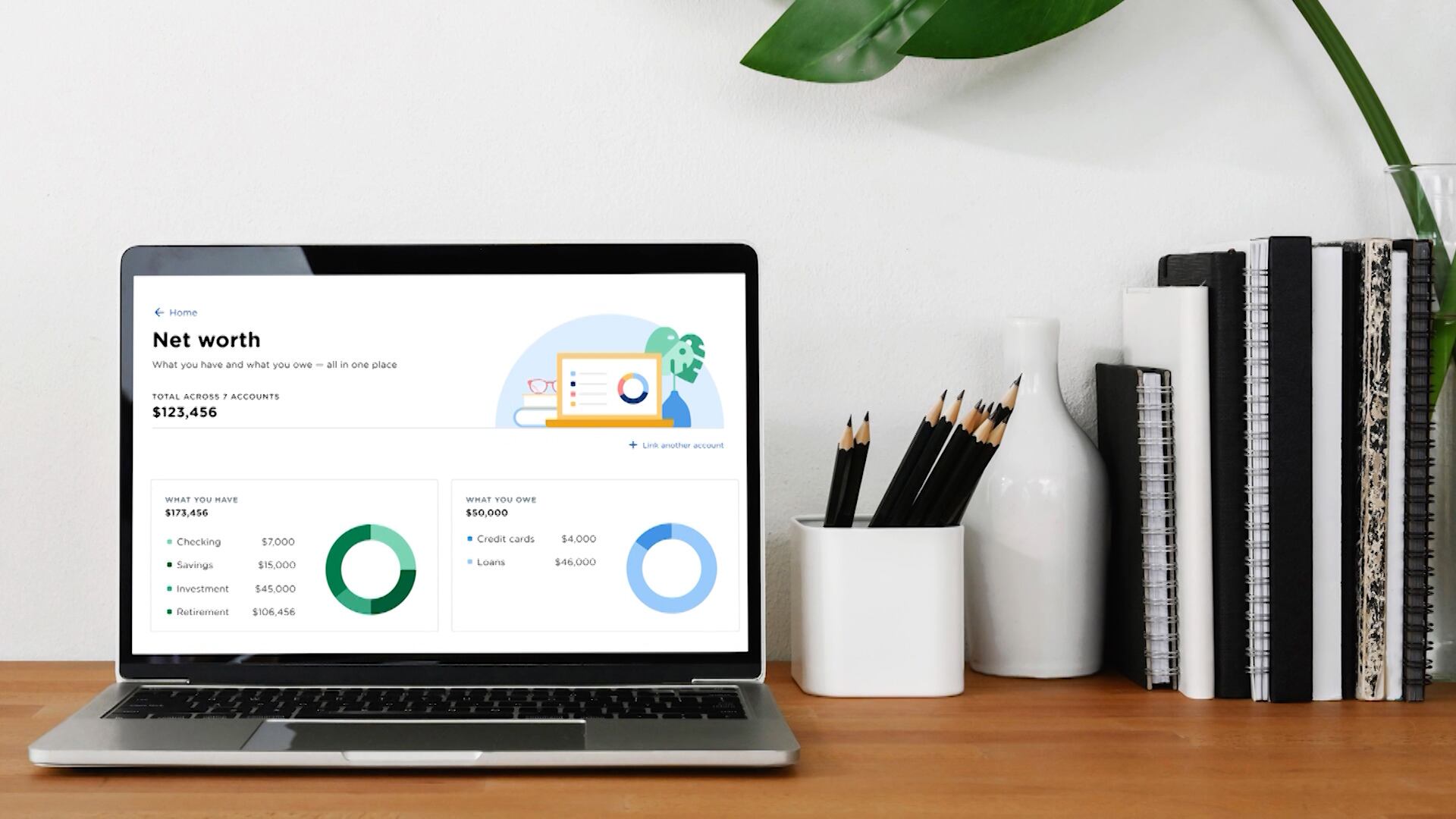
Fintech firm NerdWallet made its IPO debut on the Nasdaq on Thursday. CEO Tim Chen joined Cheddar to talk about the decision to tap the capital markets now and explained the company's revenue model by taking a cut from financial products like credit cards and loans sold through the site. Chen also talked about the firm's stance on cryptocurrencies, noting it advises people to only invest what they can afford to lose. (Updated November 5, 2021 to reflect that NerdWallet went public on Nasdaq, not NYSE.)
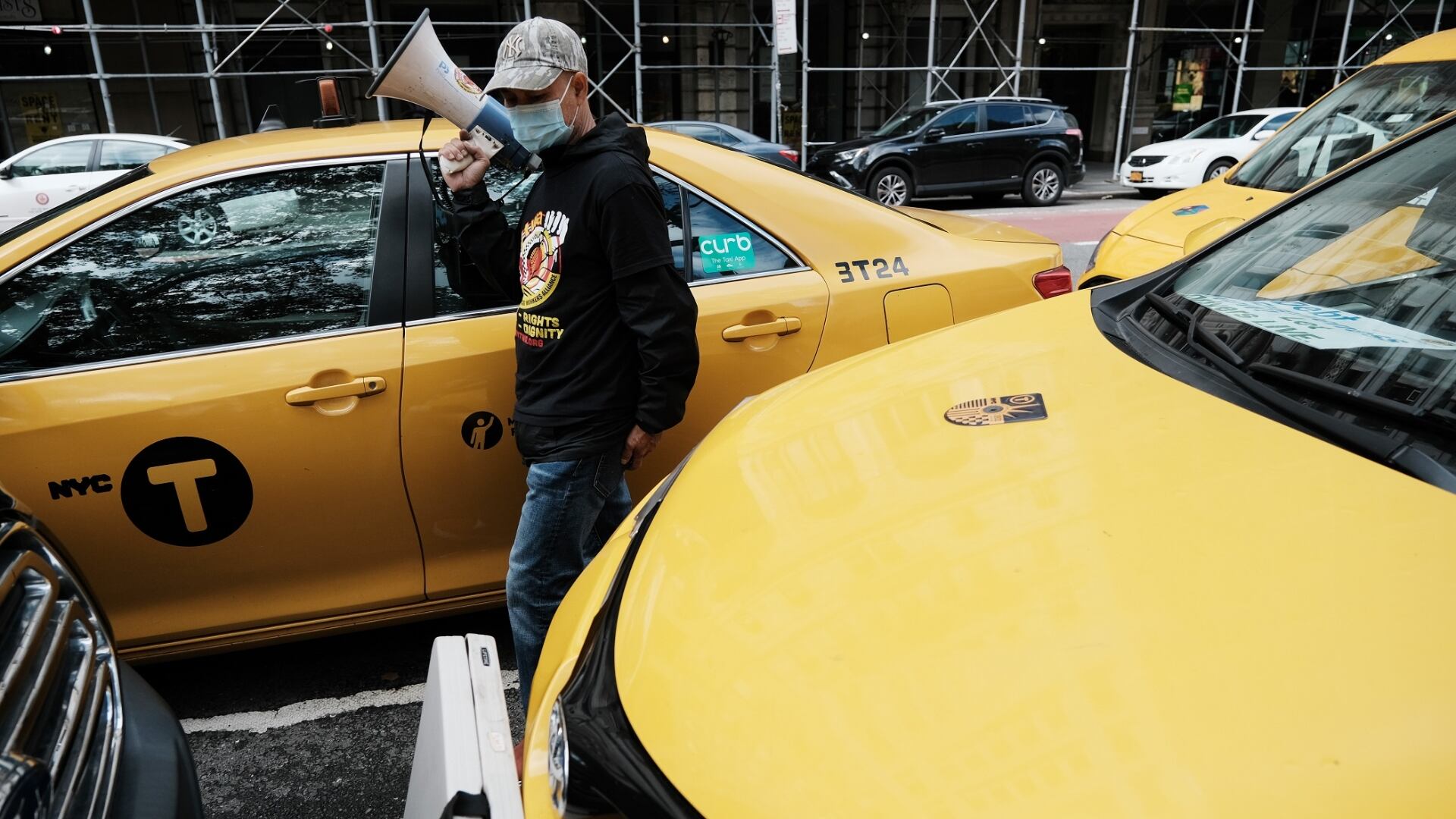
New York City taxi drivers won a major victory to slash the cost of money owed for taxi medallions. The announcement follows a two-week long hunger strike at City Hall by some drivers to demand debt relief.
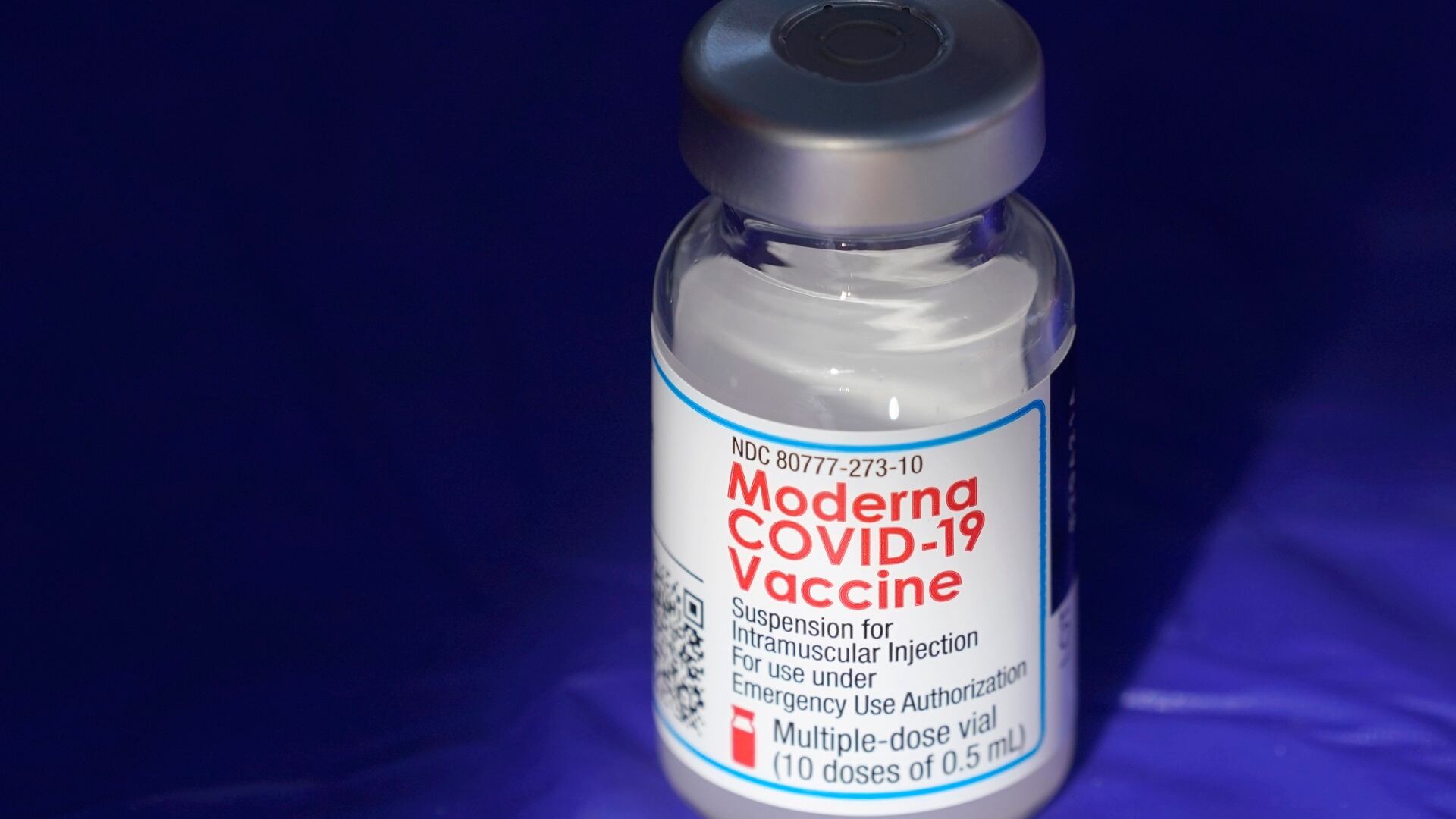
Moderna reported a massive miss on revenue in its Q3 earnings, taking in $5 billion versus the expected $6.21 billion despite sales of the COVID-19 vaccine. The pharmaceutical giant's stock dropped sharply on the news.
Joan E. Solsman, a senior reporter at CNET, joined Cheddar's "Opening Bell" to talk about Netflix moving to offer mobile video games for Android users as part of their subscription. She said this is likely one "baby step" for the streaming giant as it moves into the space. "You can see what Netflix wants to do eventually down the line is have these great ambitions to make their service be more than just passive TV, movies," she said. "They're moving more into merchandising, that they're moving more into in-person experiences. They're trying to broaden a way, which is a great thing to do when everyone keeps talking about metaverses."
CVS is working to become a major health care provider as the pharmacy chain adds doctors to its payroll, following a trend among pharmacies like Walgreens integrating more primary health care services.
Insurance tech company Lemonade is now offering automobile coverage, and CEO Daniel Schreiber joined Cheddar to talk about the company's commitment to not investing in "coal or other pollutant industries." He noted that the new product was incentivizing car insurance in "an environmentally responsible way." Schreiber also discussed expanding coverage beyond pet, life, and home insurance, and how it has impacted business since going public.