Flying in the age of coronavirus comes packed with uncertainty about the health status of fellow travelers. Now, Florida's Tampa International Airport is running a pilot program that offers on-the-spot COVID-19 tests for travelers.
With more than 120 people participating in the optional testing per day, Joe Lopano, Tampa International Airport CEO, said the program is showing promising results.
"We've had some customers who have tested positive and Baycare, the healthcare professionals, have a discussion with that passenger and tell them that they should not continue on their way and passengers have accepted it," Lopano told Cheddar.
The airport offers two tests, the $125 PCR nasal swab, which usually takes 3 to 4 days to yield results, and the $50 rapid Antigen test. The cost of both tests, Lopano said, can be covered by insurance companies if travelers provide a receipt from the airport.
Testing at the airport, according to Lopano, will not have much impact on overall travel time. In fact, those not checking a bag only need to account for an additional 30 minutes as a cushion, he added.
"It's immediate testing. Sometimes you have to wait in a short line. You'll get your results in 15 minutes, so it really is not a very time-consuming function and it's very convenient," Lopano said.
While other airports have implemented testing for specific destinations, Lopano said Tampa is the first to offer widespread testing for passengers on all flights arriving and departing. The pilot program is likely to continue running through the holiday season as the number of participants and customer satisfaction is assessed.
For Lopano, offering a testing site at the airport is not only maintaining passenger safety but can also help revitalize a struggling travel industry that is fighting to get customers off the ground.
"It's a high priority because we need to do whatever we can to create confidence in the travel experience and now that widespread testing is available, the technology is available, what better way to do that than right at the airport," he said.
2021 has been the year of many things, and one of them is the NFT or non-fungible token. We've seen NFTs come about for so many different things.
Digital artists have used them to sell their artwork in a more traditional art transaction than the internet had previously allowed. We've seen specific NFT campaigns like the pudgy penguins amass large followings. And now we're seeing them expand into horror films just in time for spooky season.
The iconic horror movie franchise "Texas Chainsaw Massacre" has launched its debut NFT line entitled "Leatherfaces." the illustrations are designed by Skinner in partnership with Ultra Rare to reveal a total of over 10,000 Leatherface avatars. The collection gives fans, NFT fiends and blockchain fanatics access to a new Texas Chainsaw Massacre metaverse unlike any that has been seen before.
Richie Hobson, co-founder of Ultra Rare, joins None of the Above to discuss.
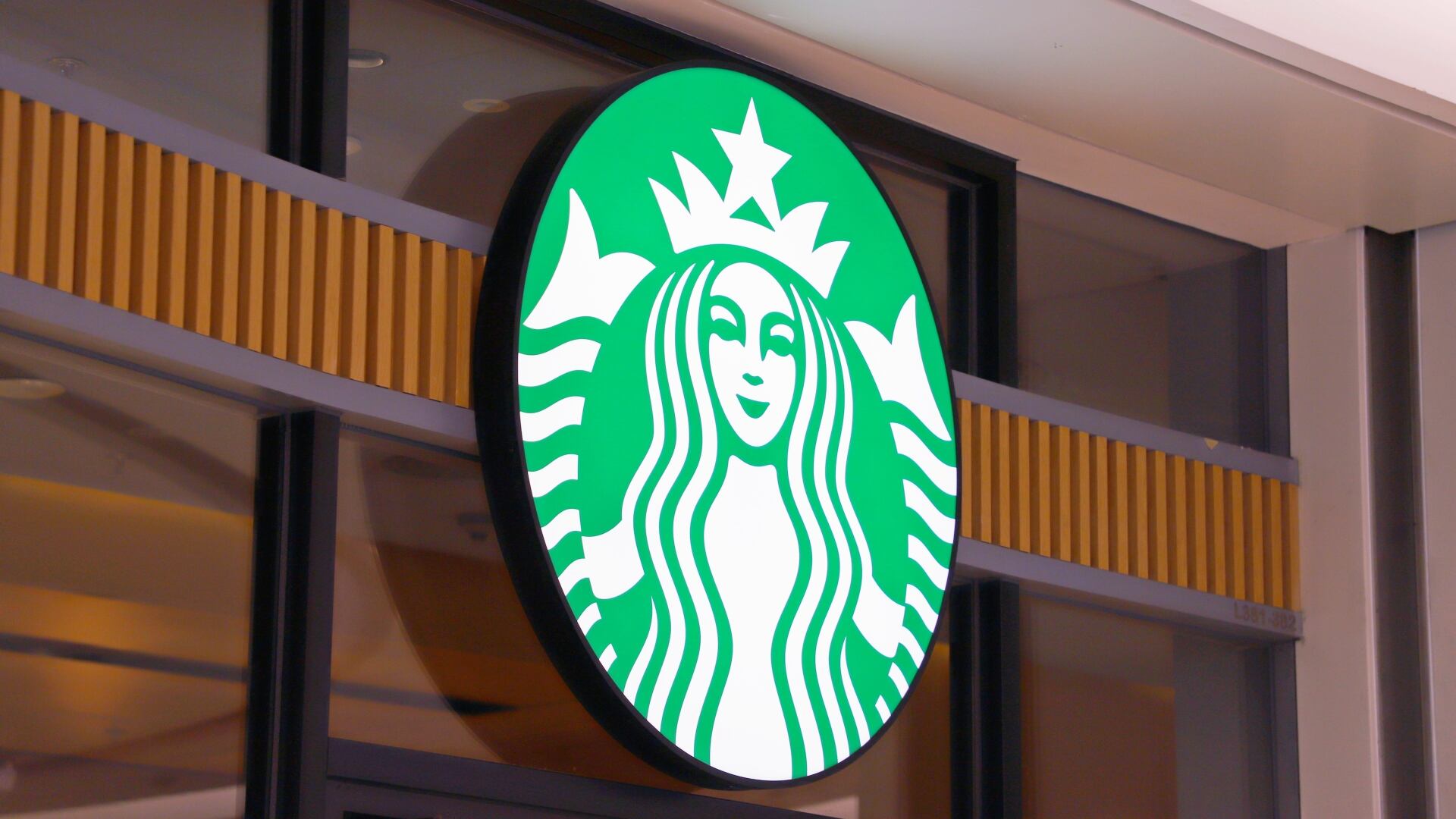
As labor unrest continues to sweep the U.S. with strikes still underway in various industries and millions of workers quitting in September, Starbucks workers in Buffalo, N.Y., are close to voting on potentially unionizing their own workplaces. President of Northern Virginia AFL-CIO Virginia Diamond spoke to Cheddar's News Wrap about what the organizing workers are looking for from the coffee chain in terms of benefits and protections.
Ballots have been sent to workers at three different Starbucks locations in Buffalo, NY to decide whether they will unionize for the first time ever. Wilma Liebman, former Chair of the National Labor Relations Board and Michelle Eisen from the Starbucks Workers United Organization, which is behind this vote, joined Cheddar to discuss.
With transportation-based companies generating plenty of buzz recently, Cheddar News spoke with Hertz interim CEO Mark Fields about his company relisting on the Nasdaq, WheelsUp CEO Kenny Dichter about his company's historic Q3 earnings report, and Lime CEO Wayne Ting about his company's plans to go public.
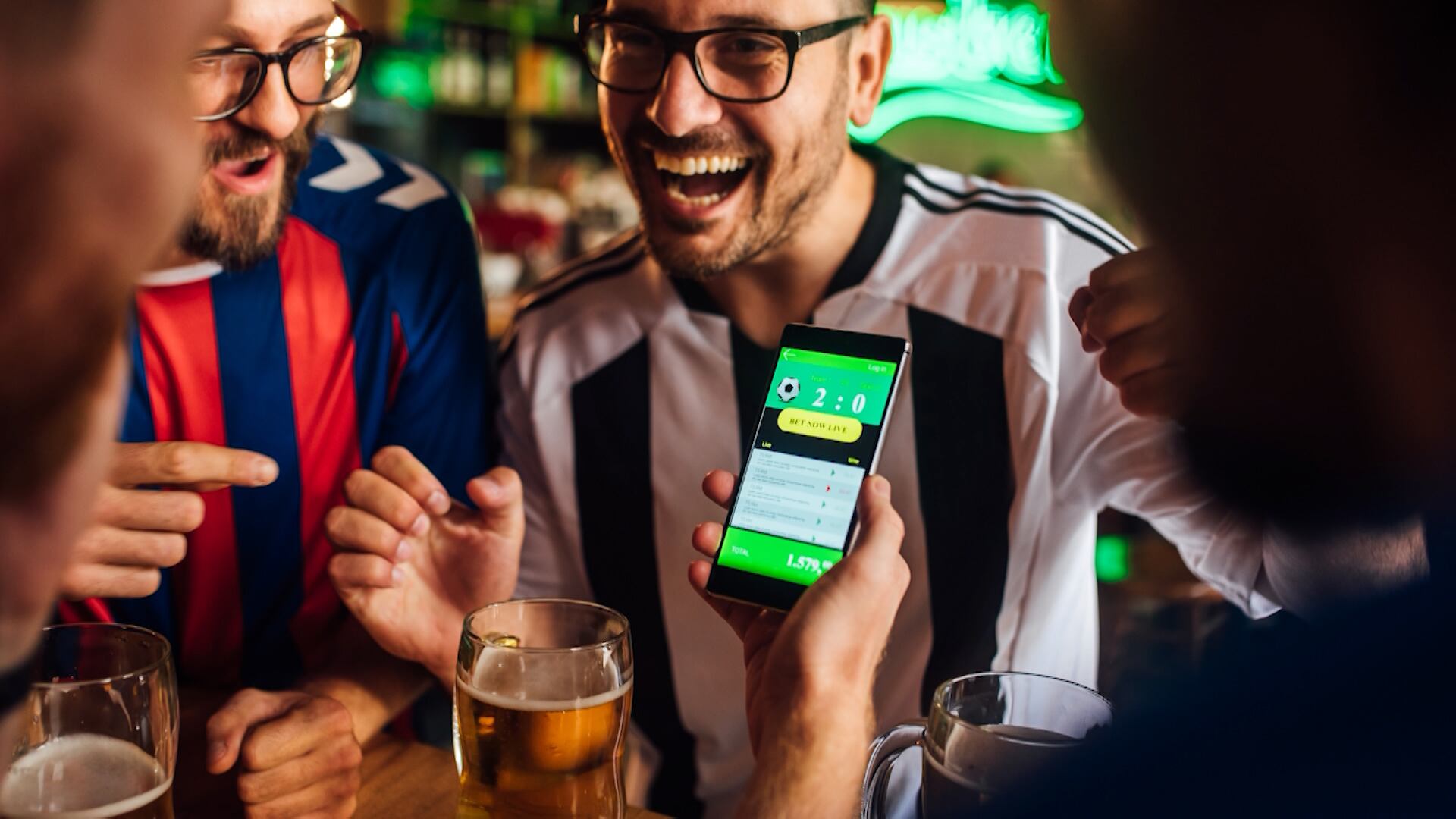
Earlier this week, New York's gaming commission approved nine mobile sports platforms to operate in the market, but each respective sportsbooks' revenue will be taxed at 51%, tied for the steepest rate in the country. Eben Novy-Williams, sports business reporter for Sportico, joins Cheddar News' Closing Bell where he breaks down the challenge sportsbooks face to be profitable in the region.
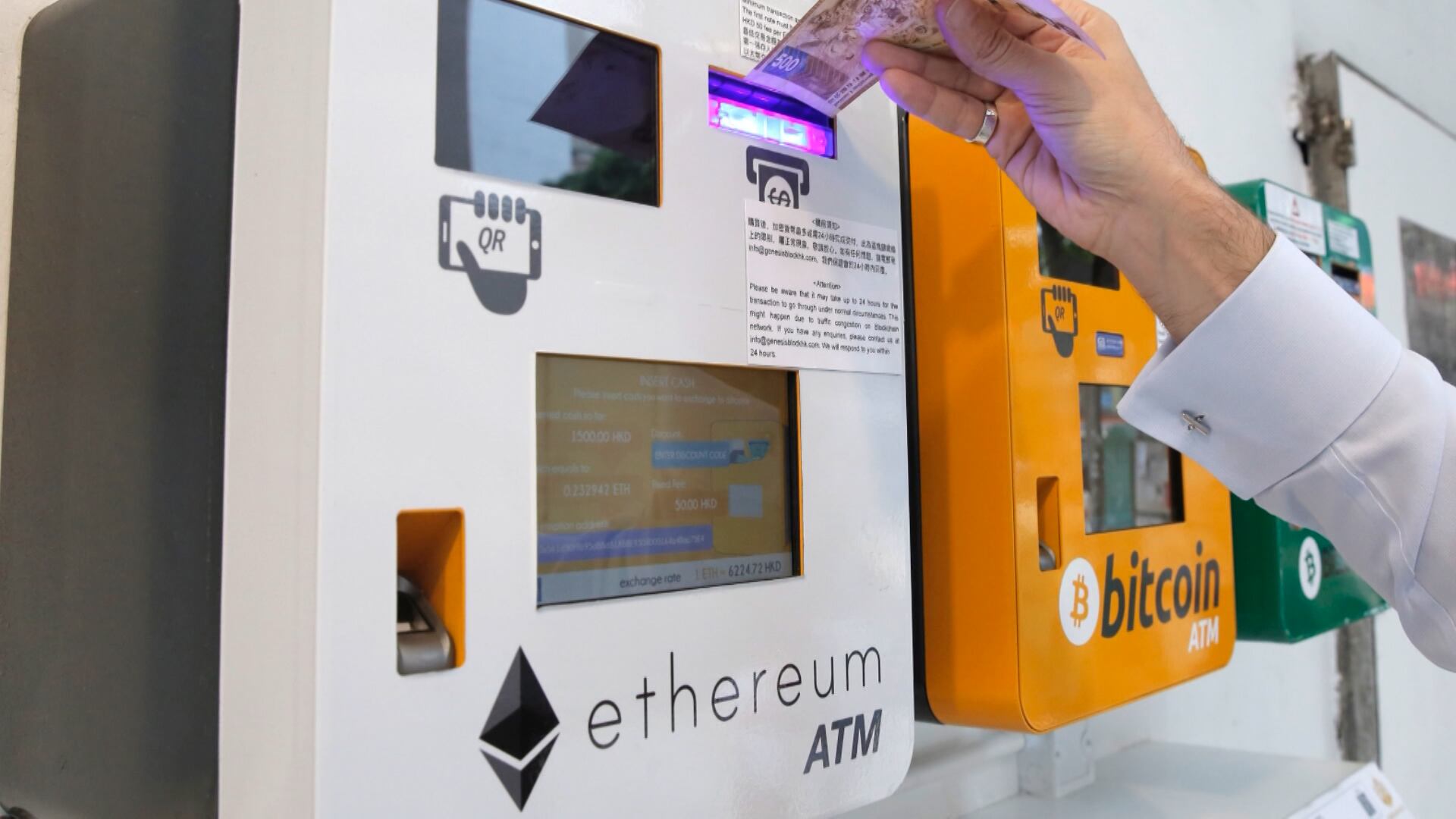
Rich Rosenblum, Co-Founder and President of crypto trading firm GSR, joins Cheddar News' Closing Bell, where he explains why investors are rushing to Ethereum and breaks down the advantages it holds over other digital assets.