Flying in the age of coronavirus comes packed with uncertainty about the health status of fellow travelers. Now, Florida's Tampa International Airport is running a pilot program that offers on-the-spot COVID-19 tests for travelers.
With more than 120 people participating in the optional testing per day, Joe Lopano, Tampa International Airport CEO, said the program is showing promising results.
"We've had some customers who have tested positive and Baycare, the healthcare professionals, have a discussion with that passenger and tell them that they should not continue on their way and passengers have accepted it," Lopano told Cheddar.
The airport offers two tests, the $125 PCR nasal swab, which usually takes 3 to 4 days to yield results, and the $50 rapid Antigen test. The cost of both tests, Lopano said, can be covered by insurance companies if travelers provide a receipt from the airport.
Testing at the airport, according to Lopano, will not have much impact on overall travel time. In fact, those not checking a bag only need to account for an additional 30 minutes as a cushion, he added.
"It's immediate testing. Sometimes you have to wait in a short line. You'll get your results in 15 minutes, so it really is not a very time-consuming function and it's very convenient," Lopano said.
While other airports have implemented testing for specific destinations, Lopano said Tampa is the first to offer widespread testing for passengers on all flights arriving and departing. The pilot program is likely to continue running through the holiday season as the number of participants and customer satisfaction is assessed.
For Lopano, offering a testing site at the airport is not only maintaining passenger safety but can also help revitalize a struggling travel industry that is fighting to get customers off the ground.
"It's a high priority because we need to do whatever we can to create confidence in the travel experience and now that widespread testing is available, the technology is available, what better way to do that than right at the airport," he said.
2021 saw markets continue to be impacted by the onslaught of the coronavirus pandemic -most recently in the form of the Omicron variant- in addition to the global supply chain shortage, and increased inflation. But it wasn't all bad news, as crypto soared throughout the year, and meme stocks continued to have a moment. With the year coming to a close, investors are keeping an eye out to see if they should expect more of the same in the new year. Chris Vecchio, Senior Analyst, at DailyFX tells us what market trends to be on the watch for in 2022.
2021 proved to be yet another formidable year for Tesla. In a year that saw electric vehicles carve out their own space in the transportation world, the company made further strides, keeping its spot on top even as new companies threatened competition. Tesla was able to hit the trillion dollar valuation mark, increase vehicle deliveries even as the world grappled with supply chain and delivery issues and sign a major deal with Hertz this year. And of course, you can't talk about Tesla without talking about Elon Musk, CEO and founder of the company, richest man in the world and Time Magazine Person of the Year, who saw plenty of successes in 2021 as well. Al Root, Senior Writer at Barron’s, explains just how good a year it was for Tesla.
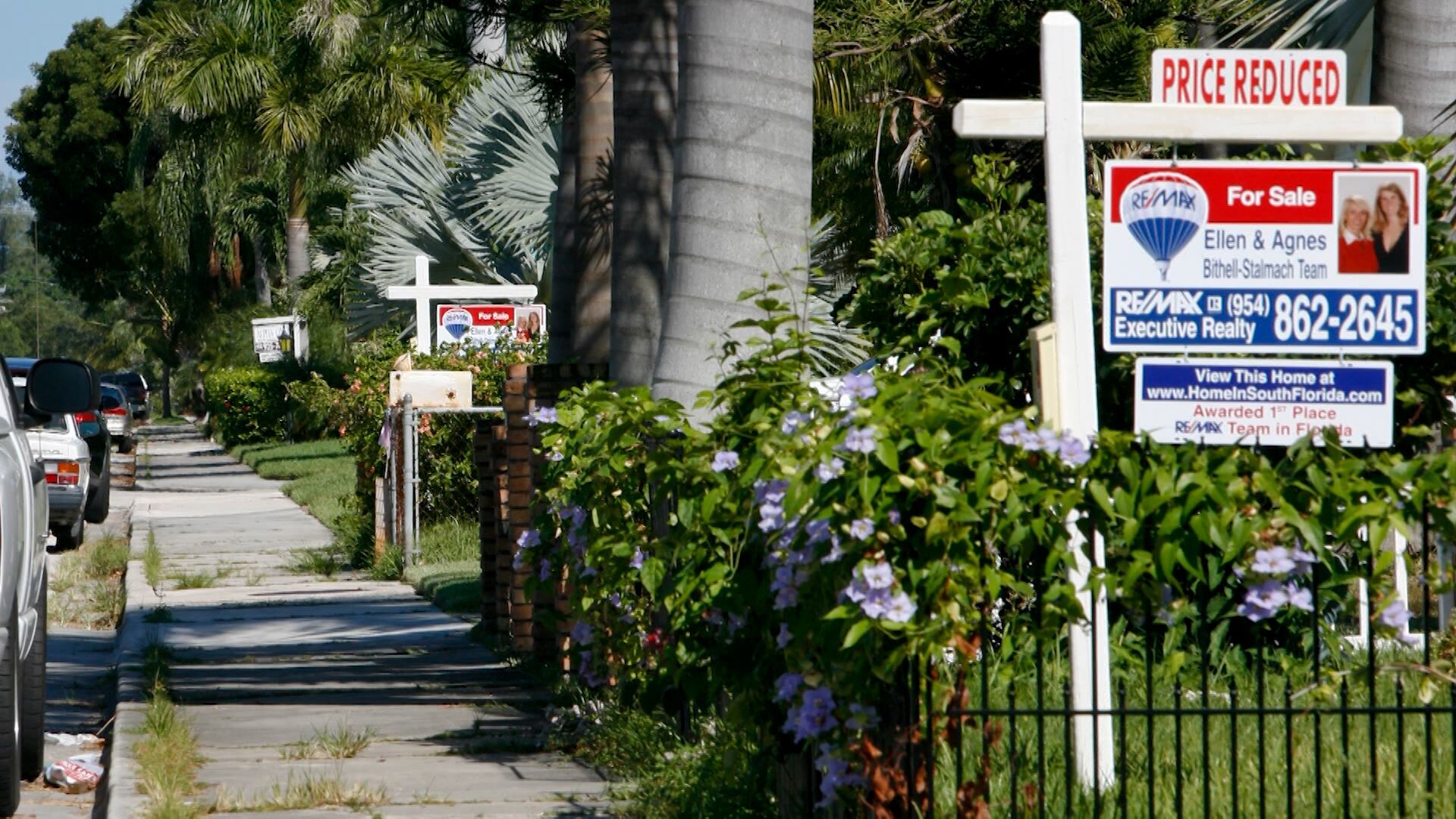
The S&P CoreLogic Case-Shiller 20-city home price index showed an 18.4 percent surge in October as the housing market continues to boom. October's levels are a slight downturn from the roughly 19 percent increase the index saw in September, but come roughly in line with economist expectations. Michael J. Romer, Managing Partner, Romer Debbas joined Wake Up with Cheddar to discuss.
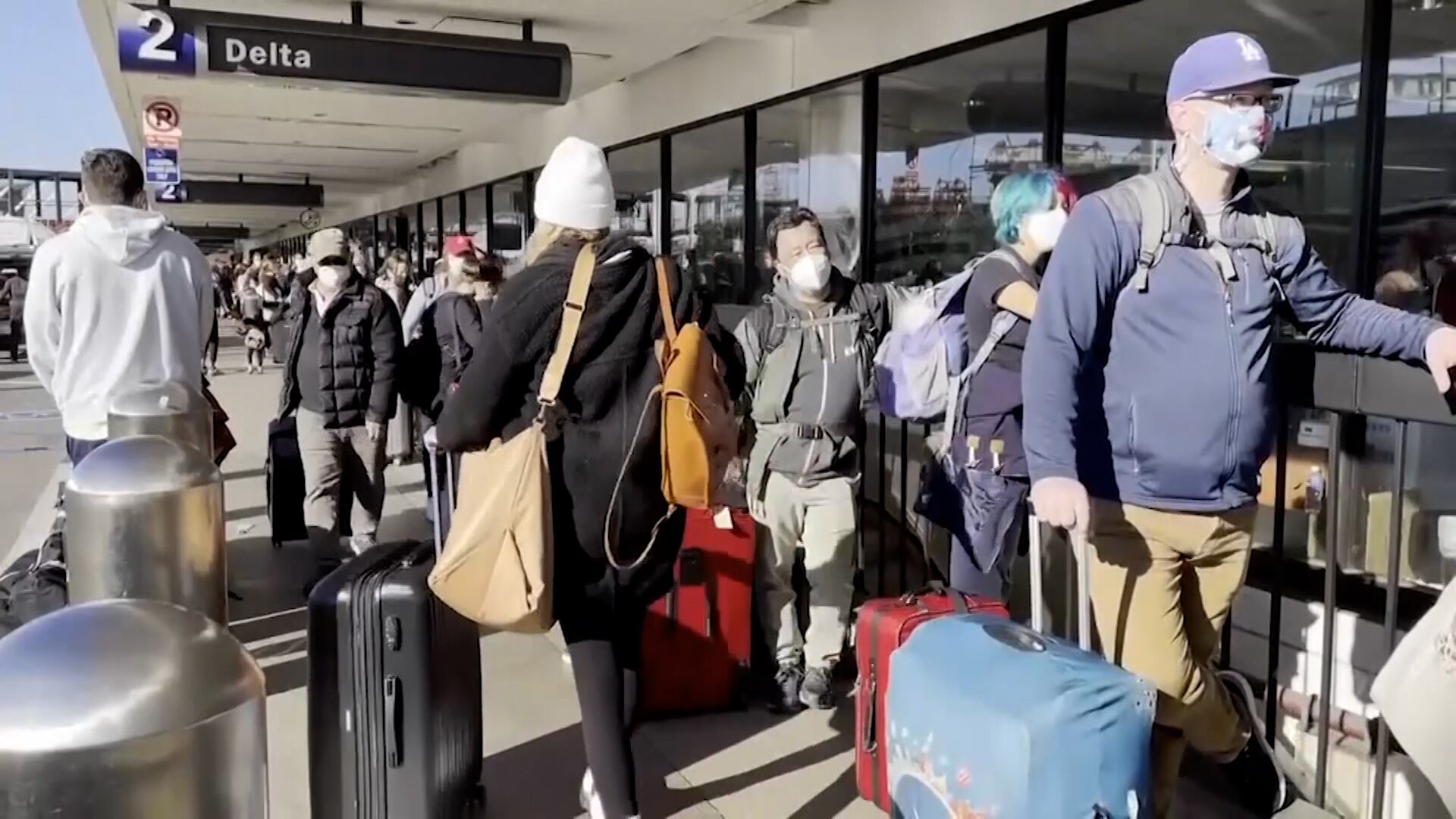
U.S. airlines have canceled more than 6,000 flights since Christmas eve, causing headaches for travelers.
Airlines cited staffing shortages amid the omicron outbreak as the primary reason for the interruptions to service. The cancellations come at the busiest time of year for air travel. Steve Shur, President, The Travel Technology Association joined Wake Up with Cheddar to discuss.
Dr. Soumi Eachempati, co-founder and CEO of Cleared4 and former professor of surgery and public health at Weill Cornell Medical College, joined Cheddar to breakdown what people should know about the recently FDA-approved emergency use of Merck and Pfizer's COVID-19 treatment pills. He noted that not only do people need to be aware of other medications they are taking that could cause adverse effects if coupled with COVID-19 pill treatments, he also talked about the intense in-take regiment. "The Merck pills are actually about 40 pills over five days. The Pfizer ones are three pills over five days, so people have to be prepared for that because it is a lot of pills you'll have to take to get full value from these drugs," Eachempati told Cheddar.
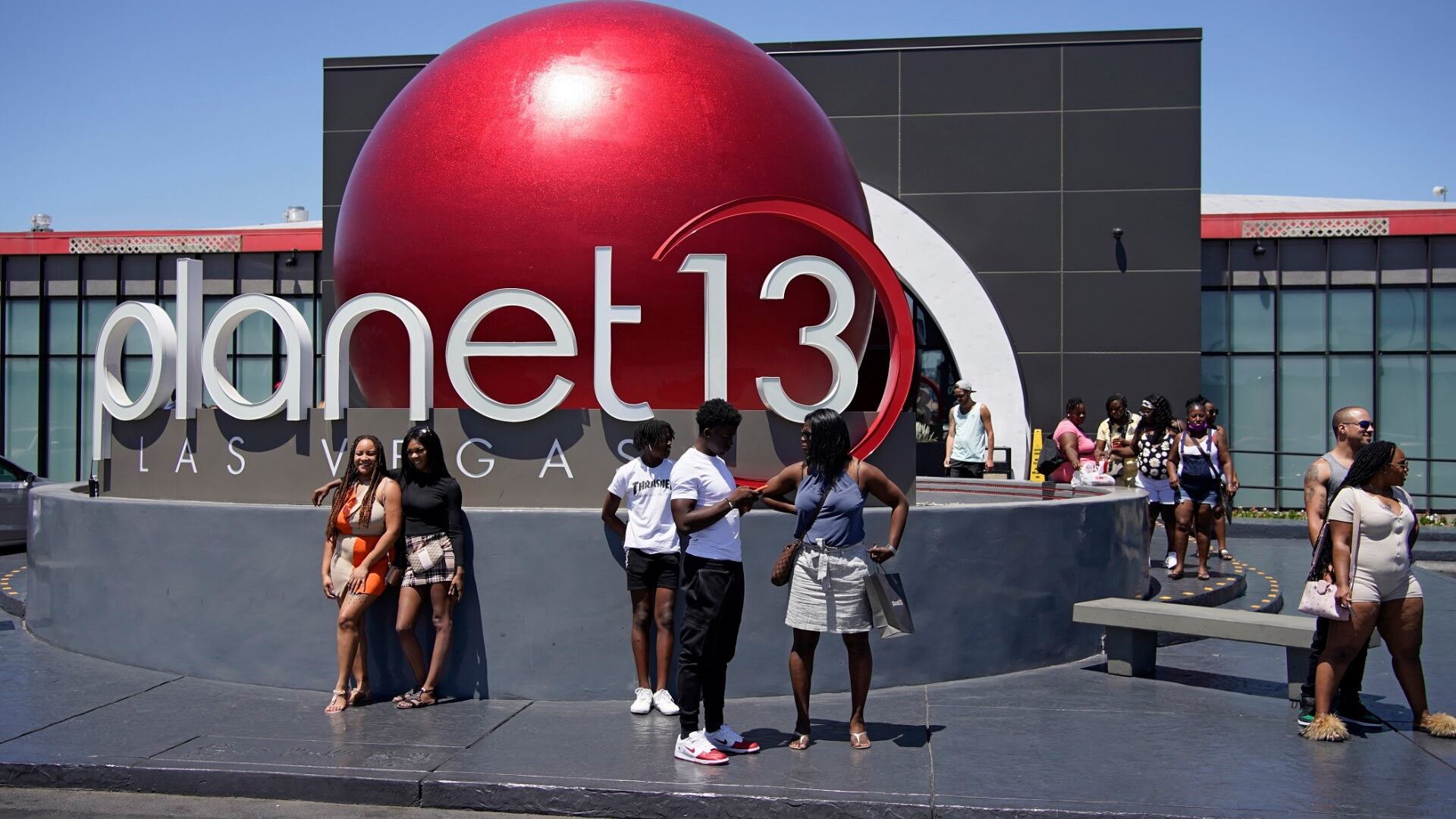
Adult-use cannabis sales kicked off in Nevada in 2017, but four years later, there isn’t a legal way for the 40 million tourists who visit the state annually to consume. That’s all about to change. Following the passage in June of a bill to legalize consumption lounges, the world’s largest dispensary, Planet 13, is planning a cannabis club as extravagant as Las Vegas. Cheddar’s Chloe Aiello visited the cannabis entertainment complex to find out more.