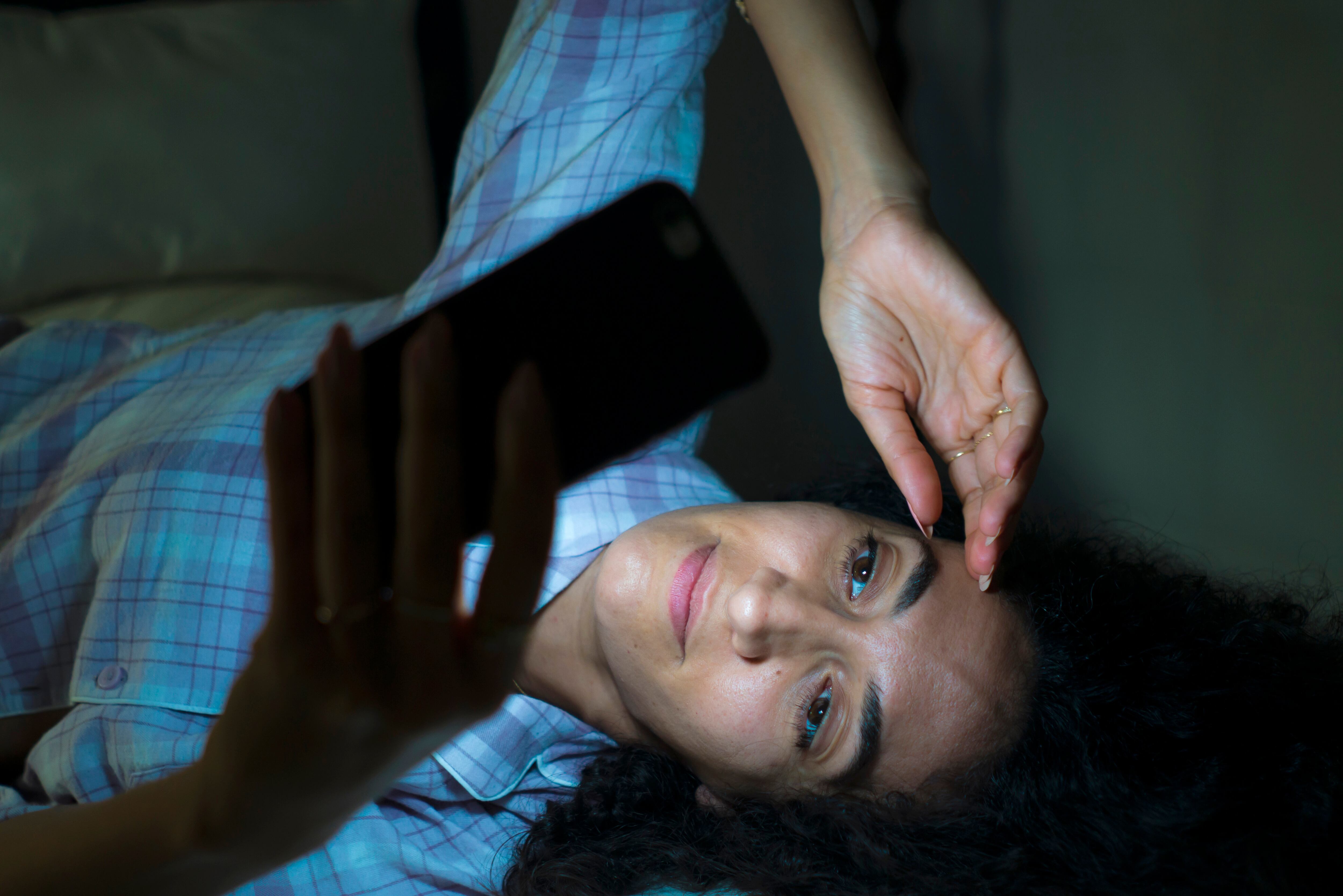
Online dating is on the rise, but many users still feel more frustrated than hopeful about the experience of using apps such as Tinder, Bumble, and OkCupid.
Three-in-ten U.S. adults have used an online dating service at some point in their lives, according to a new report from the Pew Research Center, which conducted the study in October. Out of those, 12 percent have married or entered into a committed relationship with someone they met through an online dating app or website.
Compare that to 2013, when 11 percent of adults had used an online dating service at one point in their life, and just 3 percent had married or entered into a committed relationship that way.
The study surveyed 4,860 U.S.adults with a range of questions to get a better understanding of how people use dating apps and what they expect from their experience.
Although the number of people jumping into the digital dating pool has increased, it doesn’t mean that the complications of online dating have fallen away. Indeed, 45 percent of those who have used a service in the past year report that it left them frustrated, compared with 28 percent who said they remained hopeful about their dating prospects.
One metric for how people measure success online is how many messages they receive, though it’s not always a simple case of more is better. The study found that 43 percent said they did not receive enough messages, while 17 percent said they received too many messages, and 40 percent were happy with how many communications ended up in their inboxes.
But when broken down by gender, men were more likely to feel that they did not receive enough messages, while women were more likely to feel they got too many.
More than half of women also felt online dating was not a safe way to meet people, compared with 39 percent of men.
The vast majority (71 percent) said that other users lie about themselves to appear more desirable, 50 percent believe other users set up fake accounts to scam them, and 48 percent said they received sexually explicit images without their consent.
Other complaints common among younger women include getting called an offensive name, receiving a physical threat, or getting contacted after telling someone they were not interested.
Despite these issues, half of the respondents expressed ambivalence about dating apps, reporting that their experience was neither positive or negative.
“I think it’s a reflection of how people view digital life overall,” said Monica Anderson, one of the report’s authors for Pew. “For example, when we look at the share of people that use social media, that’s risen. At the same, there are low levels of people who say they trust the information they get on social media.”
She added that a user’s relative success on a platform also reflects whether they view it positively or negatively.
Younger people ages 18-29 were much more likely to use dating apps than older people.
When broken down by race, the number of white, black, and Hispanic users were roughly equal, but those with at least some college education or a college degree made up 70 percent of users, compared with 22 percent who held a high school degree or less.
The latest study doesn’t include teen use of dating apps, given that most services are restricted to adults. However, a 2015 report from Pew found that 8 percent of 13-to-17-year-olds had met a partner online, though largely through social media platforms rather than teen-specific dating apps. Half of the teens reported that they showed romantic interest in someone by friending them on Facebook or through another social media outlet.
But texting is still the favorite among younger users, with nearly 75 percent of teens saying they use text messaging to communicate with their partner daily.
U.S. stocks closed Tuesday's session near session highs. The Dow Jones Industrial Average rose 350 points, after rising more than 400 points at its session high. Shares were also impacted positively by optimism around peace talks in Ukraine. Nancy Prial, Co-Chief Executive Officer & Senior Portfolio Manager of Essex Investment Management, joins Cheddar News' Closing Bell to discuss.
Food, paper, and plastic are known to be major factors when it comes to America's trash; but furniture is high on that list, as well. According to the EPA, furniture makes up twelve million tons of waste in landfills every year. It's a problem that one online furniture store is trying to solve. Alpay Koralturk, Founder & CEO of Kaiyo, joins Cheddar News' Closing Bell to discuss.
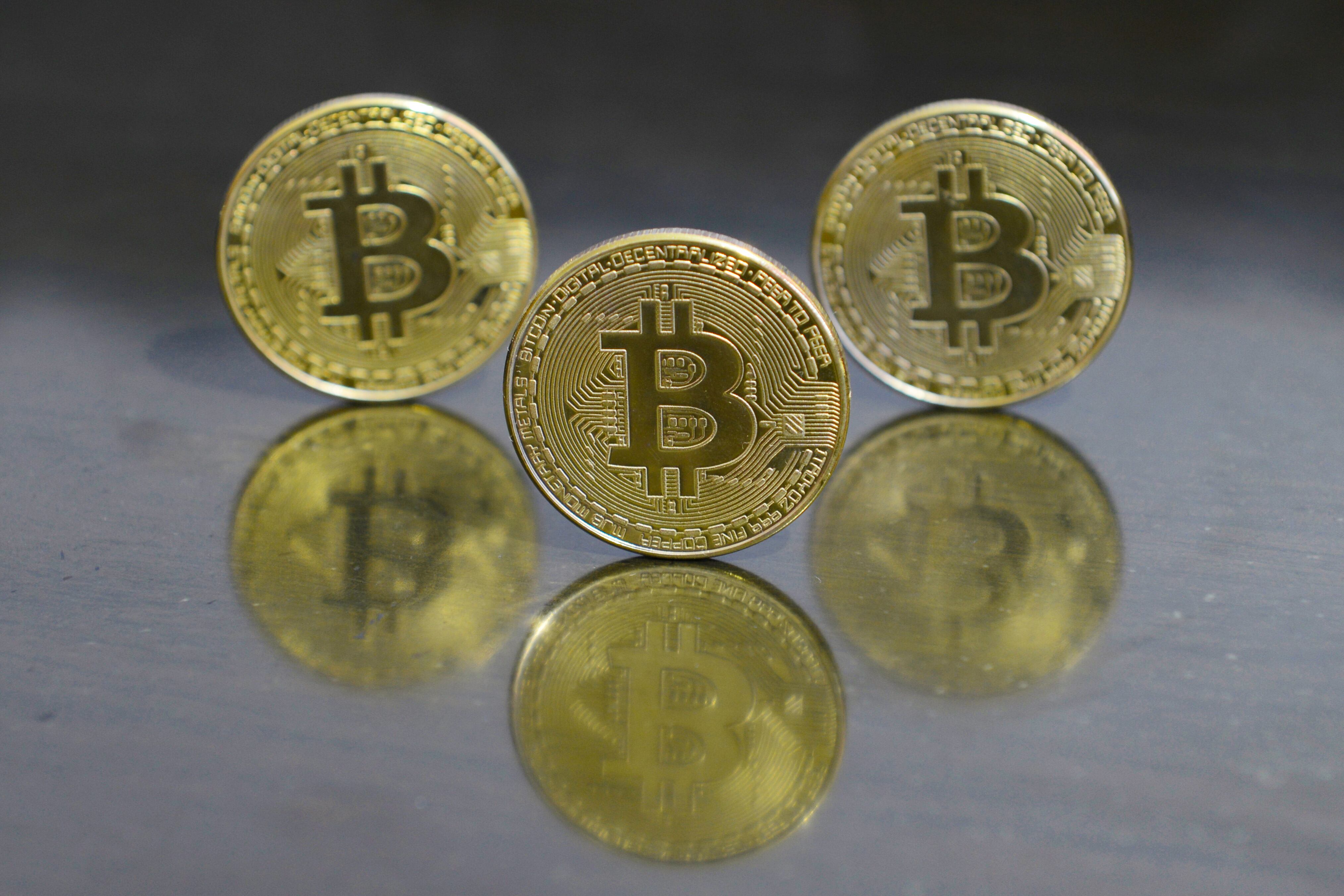
Bitcoin surged to its highest level on Monday since January 2nd. The gains also come after a late Sunday rally for the cryptocurrency, when it surpassed the key price of $45,000, and also turned positive for 2022. Matt Hougan, CIO of Bitwise Asset Fund, joins Cheddar News' Closing Bell to discuss what is behind the recent rallies for Bitcoin and other cryptocurrencies.
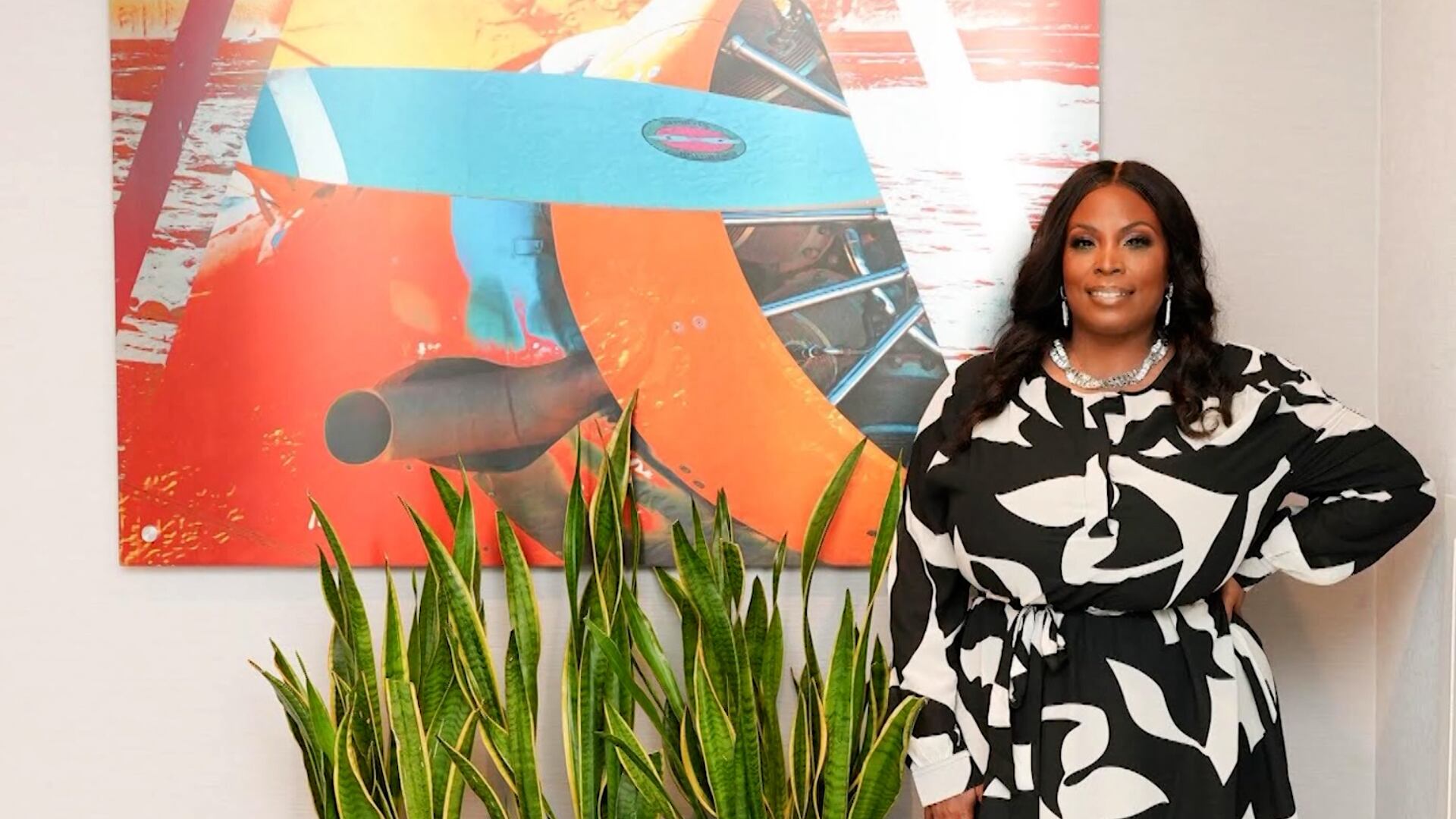
Founder and CEO of Capital Postal & Mail Box Service, Takisha Clark, joined Cheddar News to talk about being the first black woman to own a postal franchise, the obstacles she faced when launching her business, and how she overcame them. “I ran into just dealing with lack of resources, dealing with just being a black woman, just trying to become this entrepreneur and be inspiring to others, so it's been a journey," she said. "It's been hard, and I've just been maneuvering through the cracks."
Actress, model, author, and entrepreneur Brooke Shields has joined organic CBD company Prospect Farms as its chief brand officer. She joined CEO Brad Tipper to talk to Cheddar News about her coming aboard. Shield’s explained how her involvement with Prospect Farms stemmed from a discussion about her lack of sleep. “I started learning about the positive effects and the different ways that CBD can be introduced to a person's life, and I was just sort of fascinated because it all feels so new to me," she said.
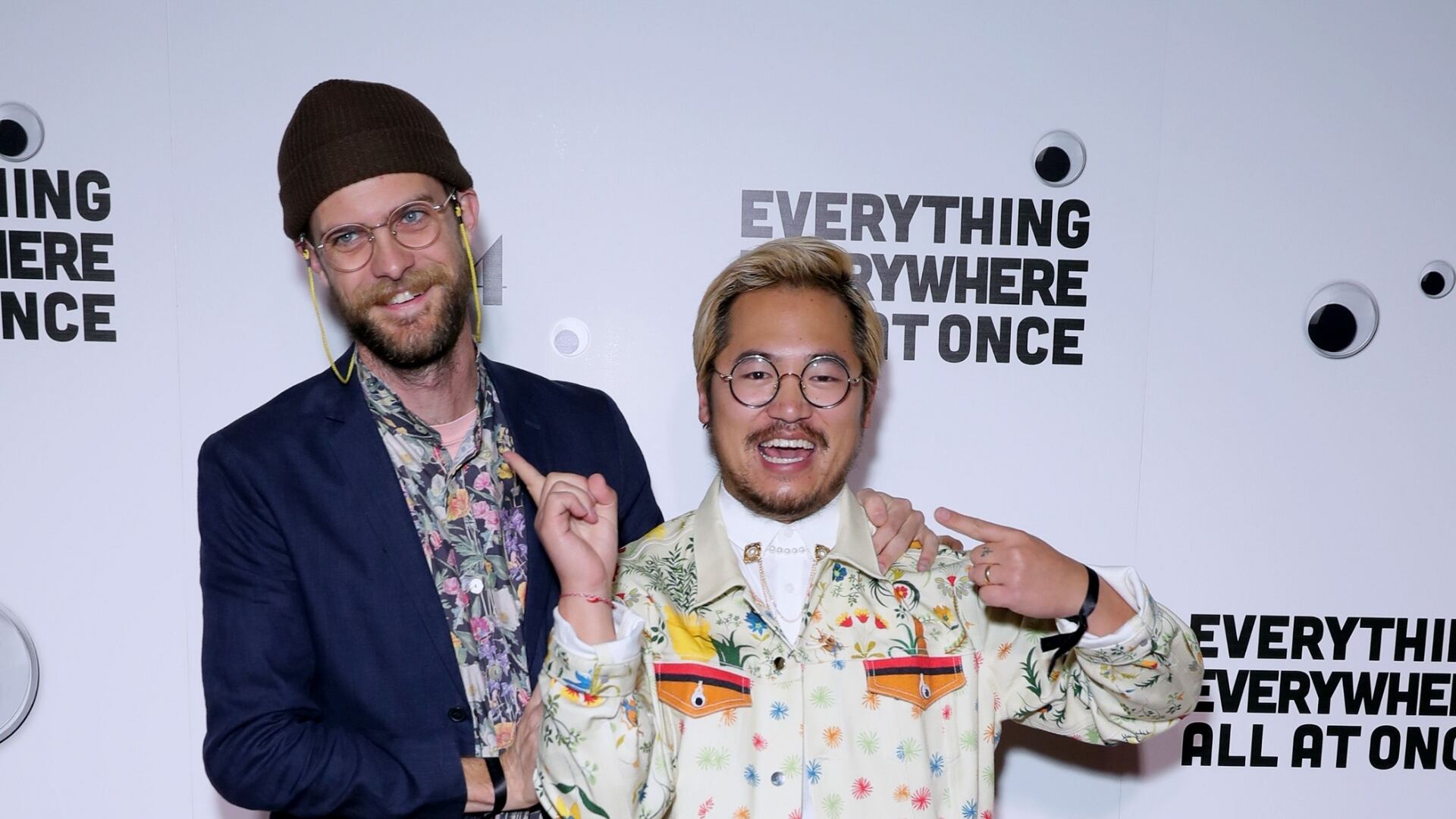
The co-writers and directors of the movie "Everything Everywhere All at Once" Daniel Kwan and Daniel Scheinert joined Cheddar News to discuss their new sci-fi action-comedy starring Michelle Yeoh now in select theaters. The filmmakers talked about bringing the multiverse-traversing plot to life, as well as getting the chance to tell an Asian American story following in the footsteps of successful films like "Crazy Rich Asians." "We like to make films that we want to see on the screen, and even if that means they don't exist or even that means that the world might not be ready for them," said Kwan. "That's what we're chasing. Luckily for us, the movie took so long to make that by the time it was finished or by the time now that it's done, so much has changed."
Paul Mundell, Executive Director of the American Service Dog Access Coalition, joins Cheddar Reveals to discuss why emotional support, therapy, and service dogs are important.
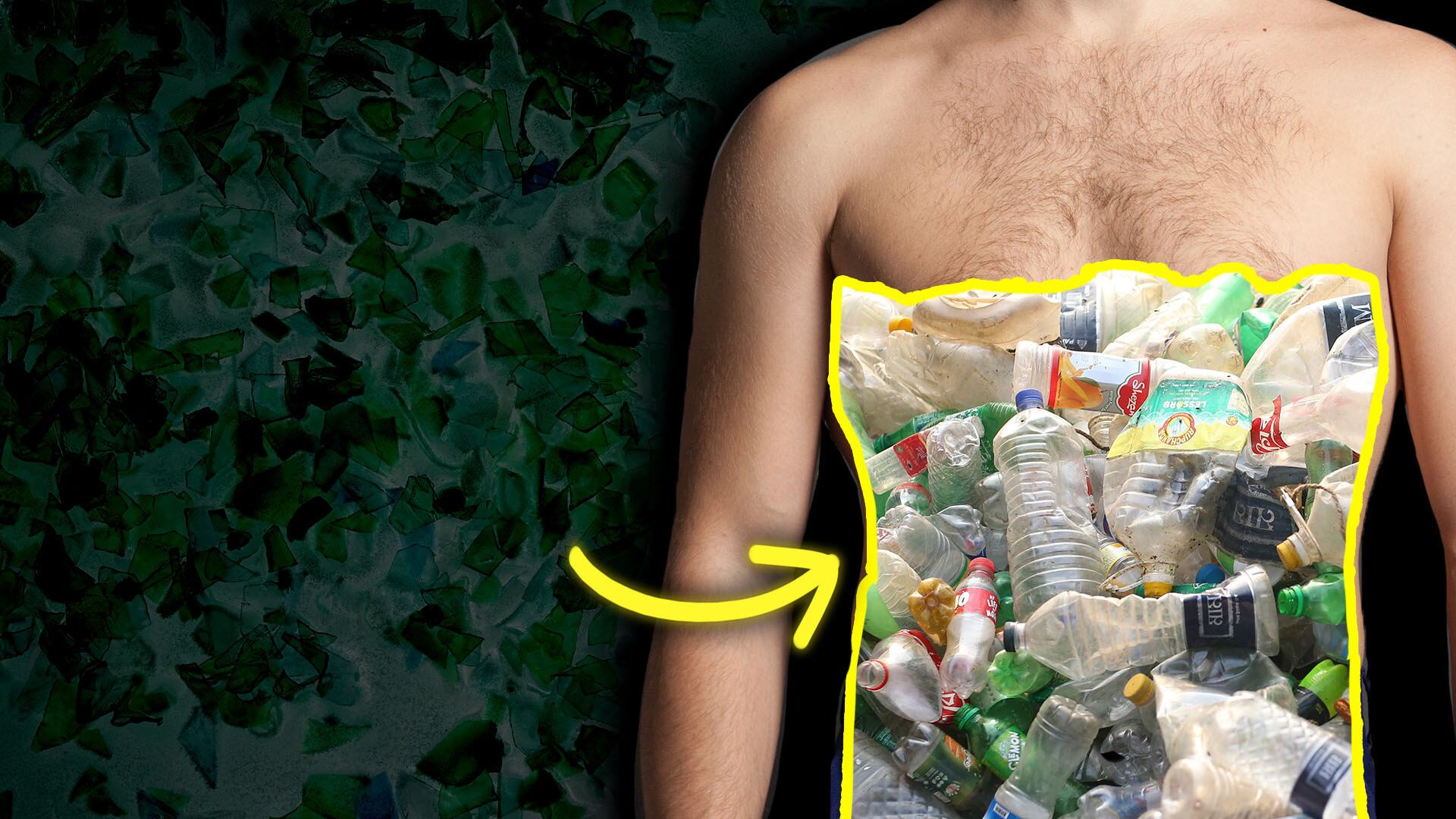
Plastic has become the face of global pollution. To date, humans have produced 8.3 billion metric tons of it. Once discarded, plastic doesn’t biodegrade. Instead, it fragments into microplastics smaller than the size of a sesame seed and further into nanoplastics.
These tiny particles of plastic end up everywhere, deep in the ice of Antarctic glaciers or even inside our bodies.
So how much plastic is inside of us? And what does it mean for our health? Let’s find out.
Catching you up on what you Need to Know on Mar 29, 2022, with updates on the snow squall in Pennsylvania that caused a pileup killing three, the teacher's strike in Sacramento heading into week two, Walmart no longer selling tobacco products in select stores, and what meme stocks are up to this week.