Online dating is on the rise, but many users still feel more frustrated than hopeful about the experience of using apps such as Tinder, Bumble, and OkCupid.
Three-in-ten U.S. adults have used an online dating service at some point in their lives, according to a new report from the Pew Research Center, which conducted the study in October. Out of those, 12 percent have married or entered into a committed relationship with someone they met through an online dating app or website.
Compare that to 2013, when 11 percent of adults had used an online dating service at one point in their life, and just 3 percent had married or entered into a committed relationship that way.
The study surveyed 4,860 U.S.adults with a range of questions to get a better understanding of how people use dating apps and what they expect from their experience.
Although the number of people jumping into the digital dating pool has increased, it doesn’t mean that the complications of online dating have fallen away. Indeed, 45 percent of those who have used a service in the past year report that it left them frustrated, compared with 28 percent who said they remained hopeful about their dating prospects.
One metric for how people measure success online is how many messages they receive, though it’s not always a simple case of more is better. The study found that 43 percent said they did not receive enough messages, while 17 percent said they received too many messages, and 40 percent were happy with how many communications ended up in their inboxes.
But when broken down by gender, men were more likely to feel that they did not receive enough messages, while women were more likely to feel they got too many.
More than half of women also felt online dating was not a safe way to meet people, compared with 39 percent of men.
The vast majority (71 percent) said that other users lie about themselves to appear more desirable, 50 percent believe other users set up fake accounts to scam them, and 48 percent said they received sexually explicit images without their consent.
Other complaints common among younger women include getting called an offensive name, receiving a physical threat, or getting contacted after telling someone they were not interested.
Despite these issues, half of the respondents expressed ambivalence about dating apps, reporting that their experience was neither positive or negative.
“I think it’s a reflection of how people view digital life overall,” said Monica Anderson, one of the report’s authors for Pew. “For example, when we look at the share of people that use social media, that’s risen. At the same, there are low levels of people who say they trust the information they get on social media.”
She added that a user’s relative success on a platform also reflects whether they view it positively or negatively.
Younger people ages 18-29 were much more likely to use dating apps than older people.
When broken down by race, the number of white, black, and Hispanic users were roughly equal, but those with at least some college education or a college degree made up 70 percent of users, compared with 22 percent who held a high school degree or less.
The latest study doesn’t include teen use of dating apps, given that most services are restricted to adults. However, a 2015 report from Pew found that 8 percent of 13-to-17-year-olds had met a partner online, though largely through social media platforms rather than teen-specific dating apps. Half of the teens reported that they showed romantic interest in someone by friending them on Facebook or through another social media outlet.
But texting is still the favorite among younger users, with nearly 75 percent of teens saying they use text messaging to communicate with their partner daily.
The video game industry has come a long way from the first commercialized 3D video game in 1980, but it still has a long way to go. Video game creators have recently been called out for not having realistic Black hairstyles in their games and graphic artists are now taking matters into their own hands by creating The Open Source Afro Hair Library. Jovan Wilson, 3D artist and resident for The Open Source Afro Hair Library, joined All Hands to discuss.
Neil Young has come up with an ultimatum for Spotify: his music or Joe Rogan’s podcast. This comes over concerns that the podcast is spreading COVID-19 vaccine misinformation to its listeners. "The Joe Rogan Experience," which is exclusive to Spotify, is currently the number one streamed podcast on the platform.
The American Federation Teachers Union has announced its latest partnership with NewsGuard in efforts to help educators play a greater role in deciphering facts from fiction that students see online. They say the goal is to help students build critical-thinking skills while also teaching them the importance of media literacy. Executive Vice President of Partnerships at NewsGuard, Sarah Bandt, joined Cheddar to talk more.
Doctor Caroline Leaf has created a 21-day program, consisting of five simple, but mindful, steps designed to rid our minds of toxic thoughts, anxiety, and depression. This brain detox is scientifically proven to impact one's happiness and success. Doctor Caroling Leaf, neuroscientist, author, and speaker at Switch Your Brain, joins Cheddar News to discuss.
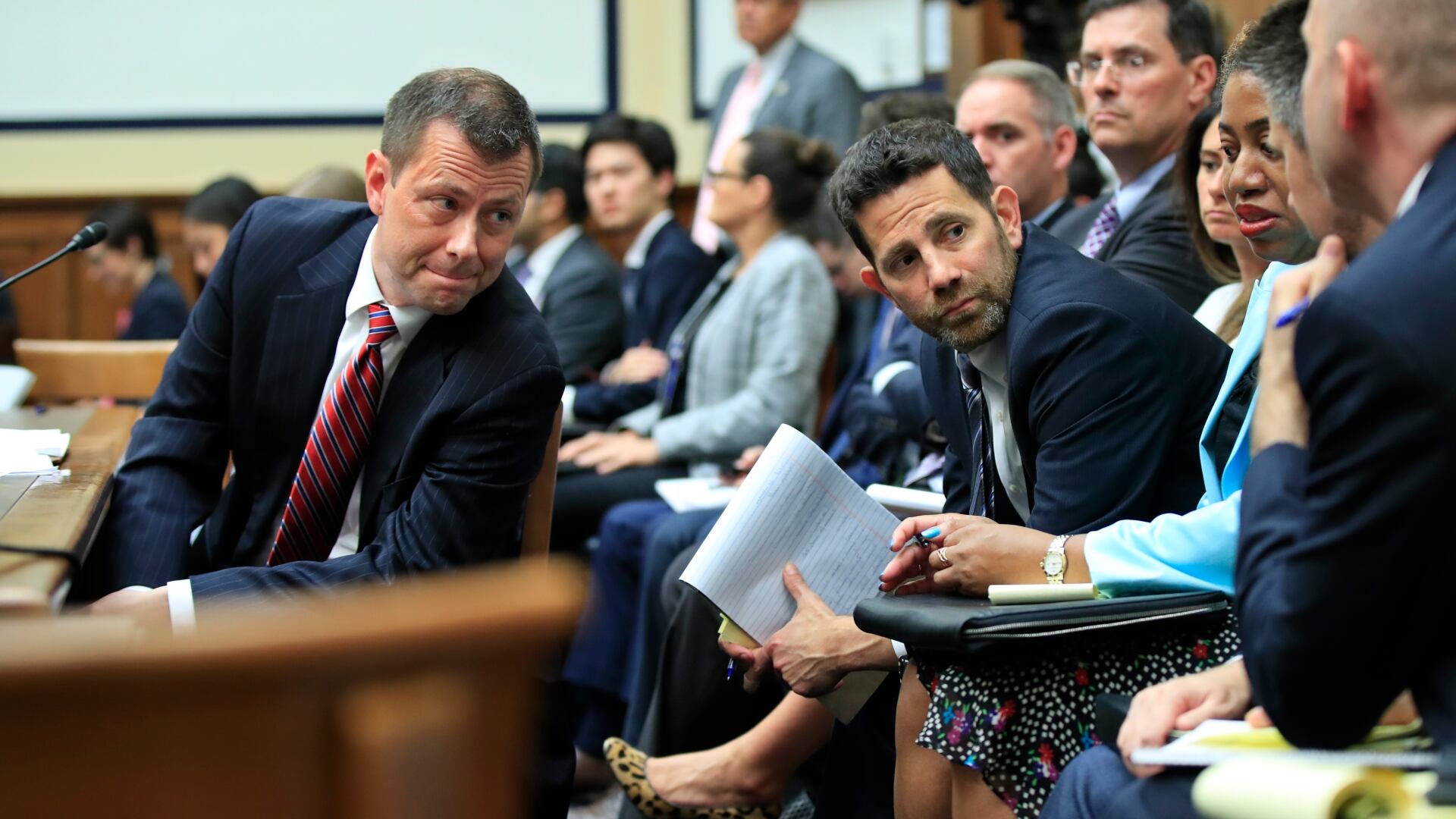
The memoir, "COMPROMISED: Counterintelligence and the Threat of Donald J. Trump", tells a familiar story from a bit of a different source: Peter Strzok himself, former FBI Counterintelligence Agents and Agency Veteran who spent most of his very long career investigating some of the most controversial inquiries, most notably in recent American history. Those inquiries were Hillary Clinton's email to even Trump Russia investigations. Former FBI Agent and Author of "Compromised" Peter Strzok, joined Cheddar to discuss more.
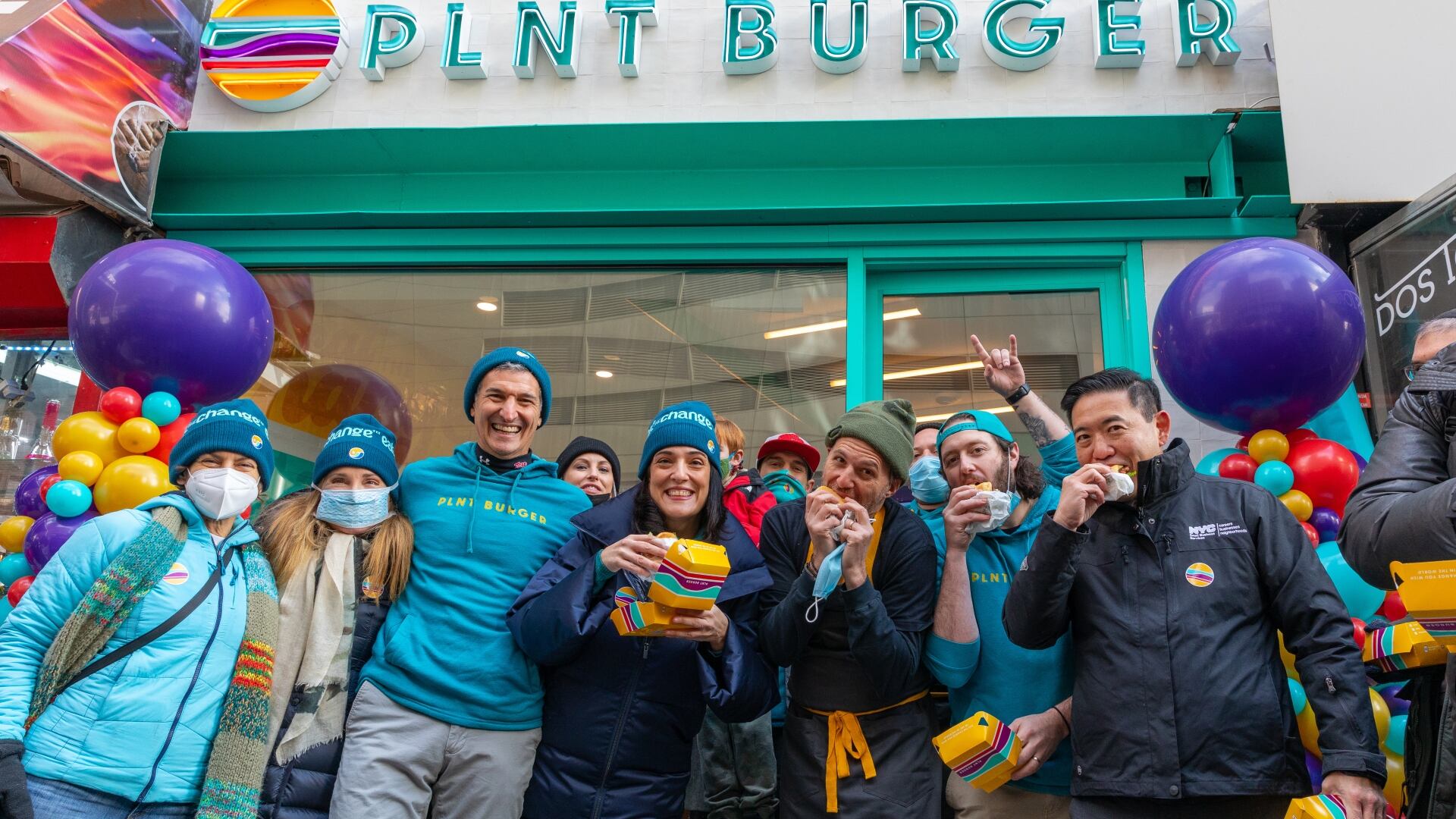
Foodable Labs data shows restaurants that started offering vegan options saw a 13% increase in traffic. According to this 2018 study, 51% of U.S. restaurants now offer vegan options, and we can expect that number to keep rising. This week, one plant-based, fast-casual restaurant celebrates the grand opening of their first brick-and-mortar store in New York City: PLNT Burger. Ben Kaplan, CEO of PLNT Burger, joins Cheddar News to discuss.
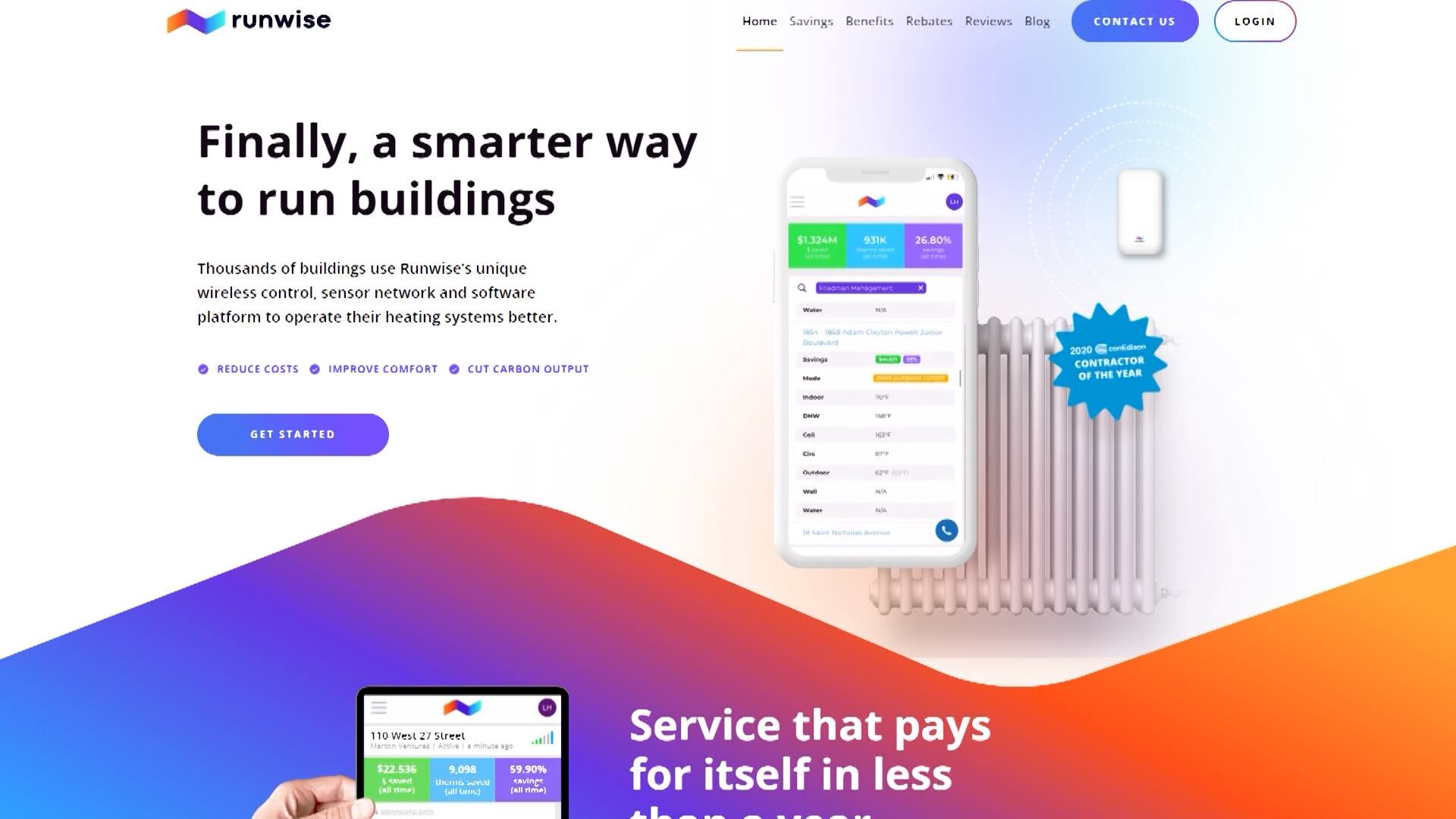
Commercial and residential buildings account for 13% of carbon emissions in the U.S., according to the EPA, and one company says it has a solution. Runwise says it has updated the boiler and heating systems of thousands of buildings, and that its technology not only lowers carbon output but also saves landlords money. Lee Hoffman, Co-Founder and COO of Runwise, joined Cheddar Climate to discuss.
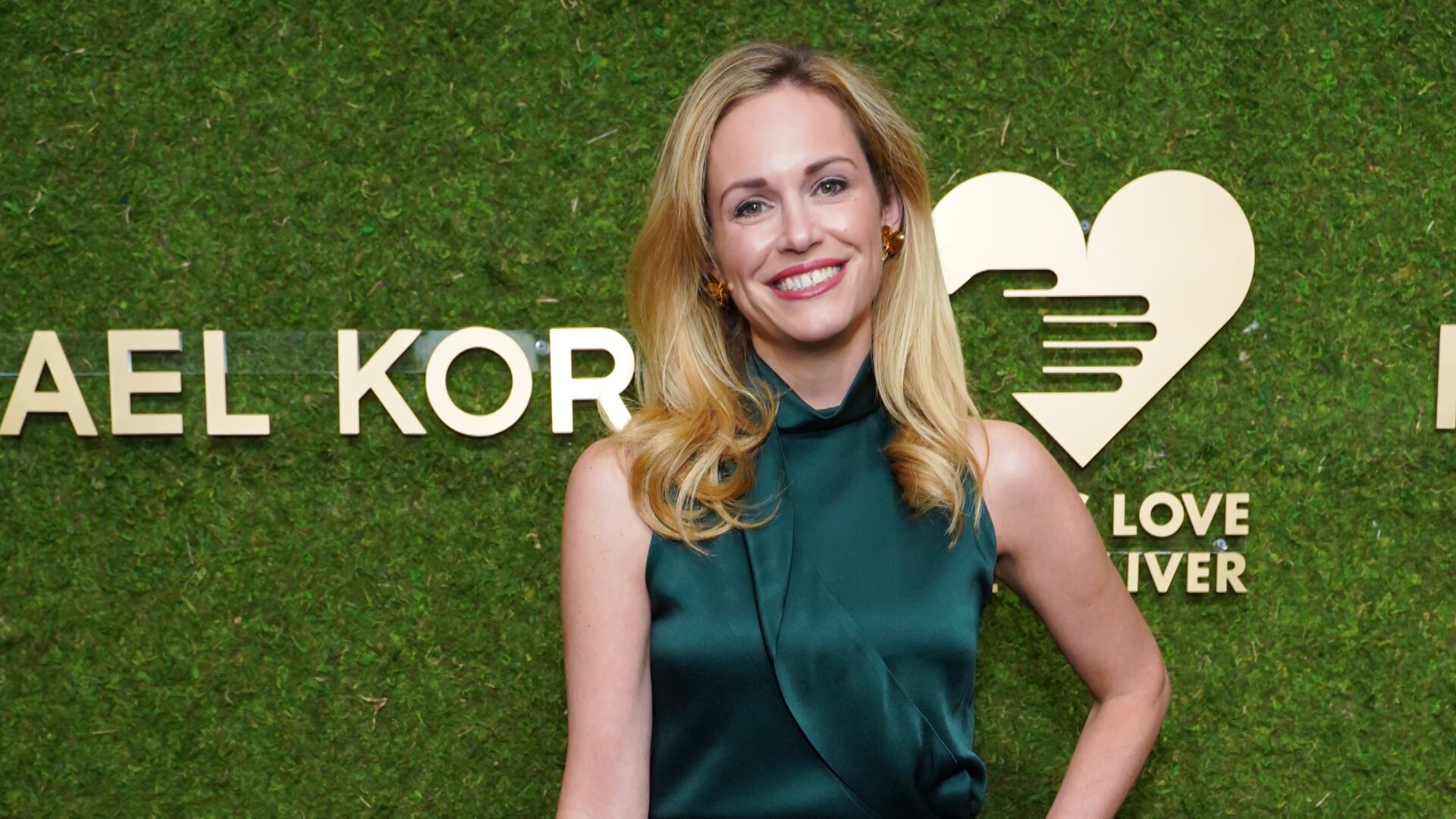
Kirsten Jordan, real estate broker and star of 'Million Dollar Listing New York,' joins Cheddar News to talk about the state of New York City real estate, tips for homebuyers, and season 9 of the Bravo show.
No. 2 pencils or Scantron bubble sheets are a thing of the past for the SATs. Priscilla Rodriguez, head of college readiness assessment for the College Board, joined Cheddar News Wrap to talk about the modern overhaul of the college entrance exam. On top of the change to an all-digital format and shorter time limit, the latest iteration will feature updates to help with flexibility and security. "As we've built our own digital testing platform, the app the students will do this on, we built this with security at the core," Rodriguez said. "And, in going digital we can do something we can't do today, which is, give every student who's taking the SAT, let's say in a given day, even in a given room in a school, a different version of the SAT."