Online dating is on the rise, but many users still feel more frustrated than hopeful about the experience of using apps such as Tinder, Bumble, and OkCupid.
Three-in-ten U.S. adults have used an online dating service at some point in their lives, according to a new report from the Pew Research Center, which conducted the study in October. Out of those, 12 percent have married or entered into a committed relationship with someone they met through an online dating app or website.
Compare that to 2013, when 11 percent of adults had used an online dating service at one point in their life, and just 3 percent had married or entered into a committed relationship that way.
The study surveyed 4,860 U.S.adults with a range of questions to get a better understanding of how people use dating apps and what they expect from their experience.
Although the number of people jumping into the digital dating pool has increased, it doesn’t mean that the complications of online dating have fallen away. Indeed, 45 percent of those who have used a service in the past year report that it left them frustrated, compared with 28 percent who said they remained hopeful about their dating prospects.
One metric for how people measure success online is how many messages they receive, though it’s not always a simple case of more is better. The study found that 43 percent said they did not receive enough messages, while 17 percent said they received too many messages, and 40 percent were happy with how many communications ended up in their inboxes.
But when broken down by gender, men were more likely to feel that they did not receive enough messages, while women were more likely to feel they got too many.
More than half of women also felt online dating was not a safe way to meet people, compared with 39 percent of men.
The vast majority (71 percent) said that other users lie about themselves to appear more desirable, 50 percent believe other users set up fake accounts to scam them, and 48 percent said they received sexually explicit images without their consent.
Other complaints common among younger women include getting called an offensive name, receiving a physical threat, or getting contacted after telling someone they were not interested.
Despite these issues, half of the respondents expressed ambivalence about dating apps, reporting that their experience was neither positive or negative.
“I think it’s a reflection of how people view digital life overall,” said Monica Anderson, one of the report’s authors for Pew. “For example, when we look at the share of people that use social media, that’s risen. At the same, there are low levels of people who say they trust the information they get on social media.”
She added that a user’s relative success on a platform also reflects whether they view it positively or negatively.
Younger people ages 18-29 were much more likely to use dating apps than older people.
When broken down by race, the number of white, black, and Hispanic users were roughly equal, but those with at least some college education or a college degree made up 70 percent of users, compared with 22 percent who held a high school degree or less.
The latest study doesn’t include teen use of dating apps, given that most services are restricted to adults. However, a 2015 report from Pew found that 8 percent of 13-to-17-year-olds had met a partner online, though largely through social media platforms rather than teen-specific dating apps. Half of the teens reported that they showed romantic interest in someone by friending them on Facebook or through another social media outlet.
But texting is still the favorite among younger users, with nearly 75 percent of teens saying they use text messaging to communicate with their partner daily.
If you're in China you may have noticed that the 1999 film "Fight Club" which features Brad Pitt has somehow got itself a new ending. In the new ending on the streaming service Tencent, the narrator is killed and the explosions are replaced with a black screen saying "the police arrested criminals".It's unclear as to exactly why the changes were made. However, it is the latest example of China playing by its own rules when it comes to entertainment and attempting to control everything its citizens watch. Media Reporter at Axios, Sarah Fisher, joined Cheddar to discuss more.
Some of Tiktok's biggest stars have a message for the platform: It is time to pay up! As the platform has skyrocketed in popularity, many content creators have been given the opportunity to garner millions of fans and even sometimes billions of views. In 2020, the company launched a creator fund in order to incentivize the platform's users. However, while the group of creators has grown larger, the pool of money has remained the same, and creators are fed up, they claim as Tiktok becomes more successful. Senior Editor at Engadget, Karissa Bell, joined Cheddar to discuss more.
In 2021, QAnon, the community which traffics in conspiracy theories saw a rapid growth in its numbers. As a result of vaccine rollouts, a number of conspiracies surrounding them also began to circulate which then led to the rise of "Anti-Vaxxers". As a result, the QAnon and anti-vax communities have become increasingly intertwined and the results could be costing lives. Senior Researcher at Media Matters Alex Kaplan, joined Cheddar to discuss more.
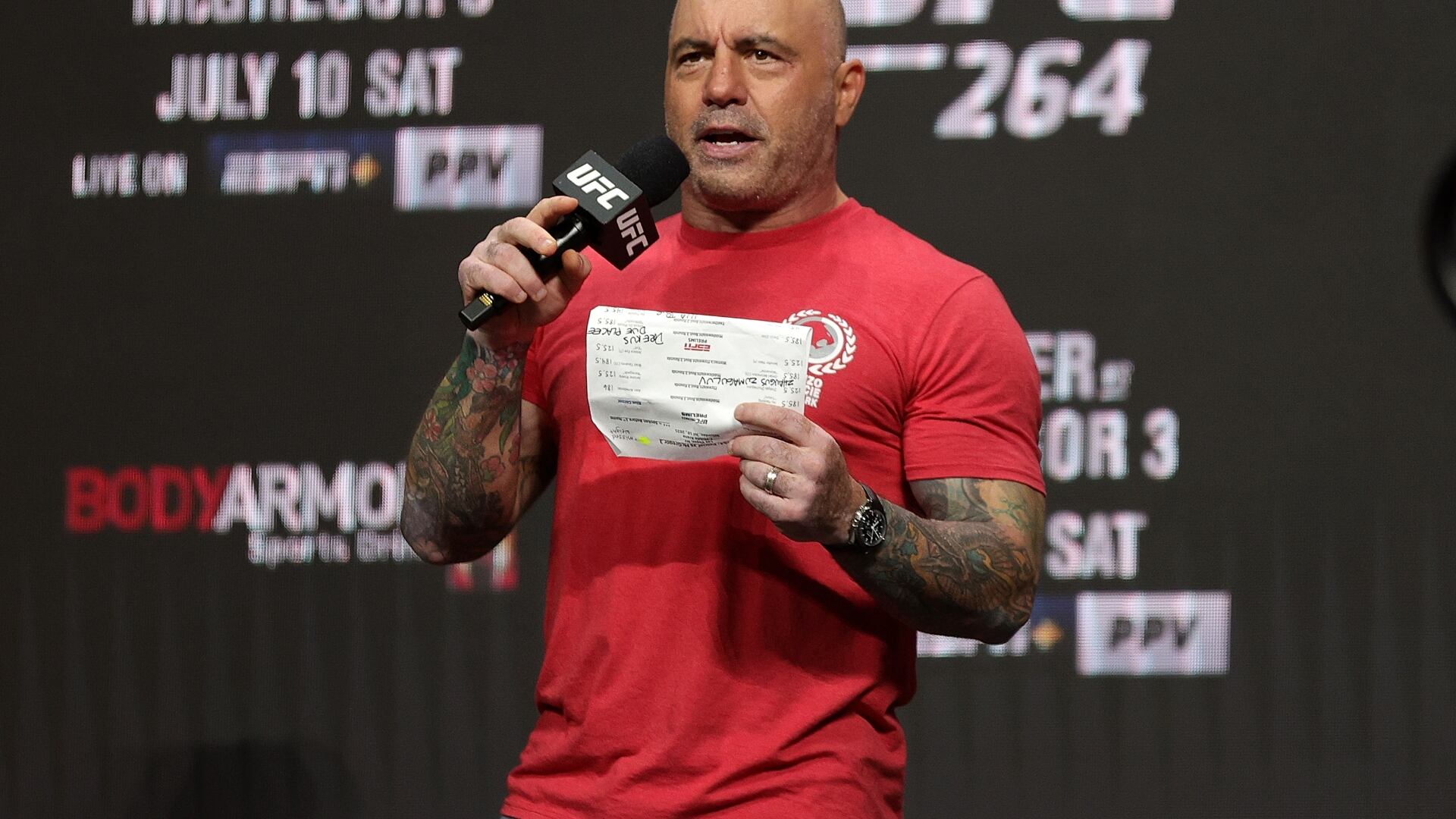
Neil Young gave the streaming service Spotify an ultimatum demanding that his music be removed if the Joe Rogan experience remained on the platform. Joe Rogan's platform has been questioned a number of times as a result of some of his takes on covid treatment strategies and at times downright misinformation. Ultimately, Spotify decided to stick with Joe Rogan's podcast. The Director for the Business and Entertainment Program at American University, John Simson, joined Cheddar to discuss more.
Nutritional supplement beverage company Athletic Greens has achieved unicorn status. The company announced a new $115 million funding round, bringing its valuation to $1.2 billion. The company's flagship product AG1 combines 75 different vitamins, minerals, and other nutrients into one daily serving. Athletic Greens says it is poised to reach the millions of consumers who are currently driving the health and wellness market's exponential growth. Athletic Greens founder and CEO Chris Ashenden joins Cheddar News' Closing Bell to discuss.
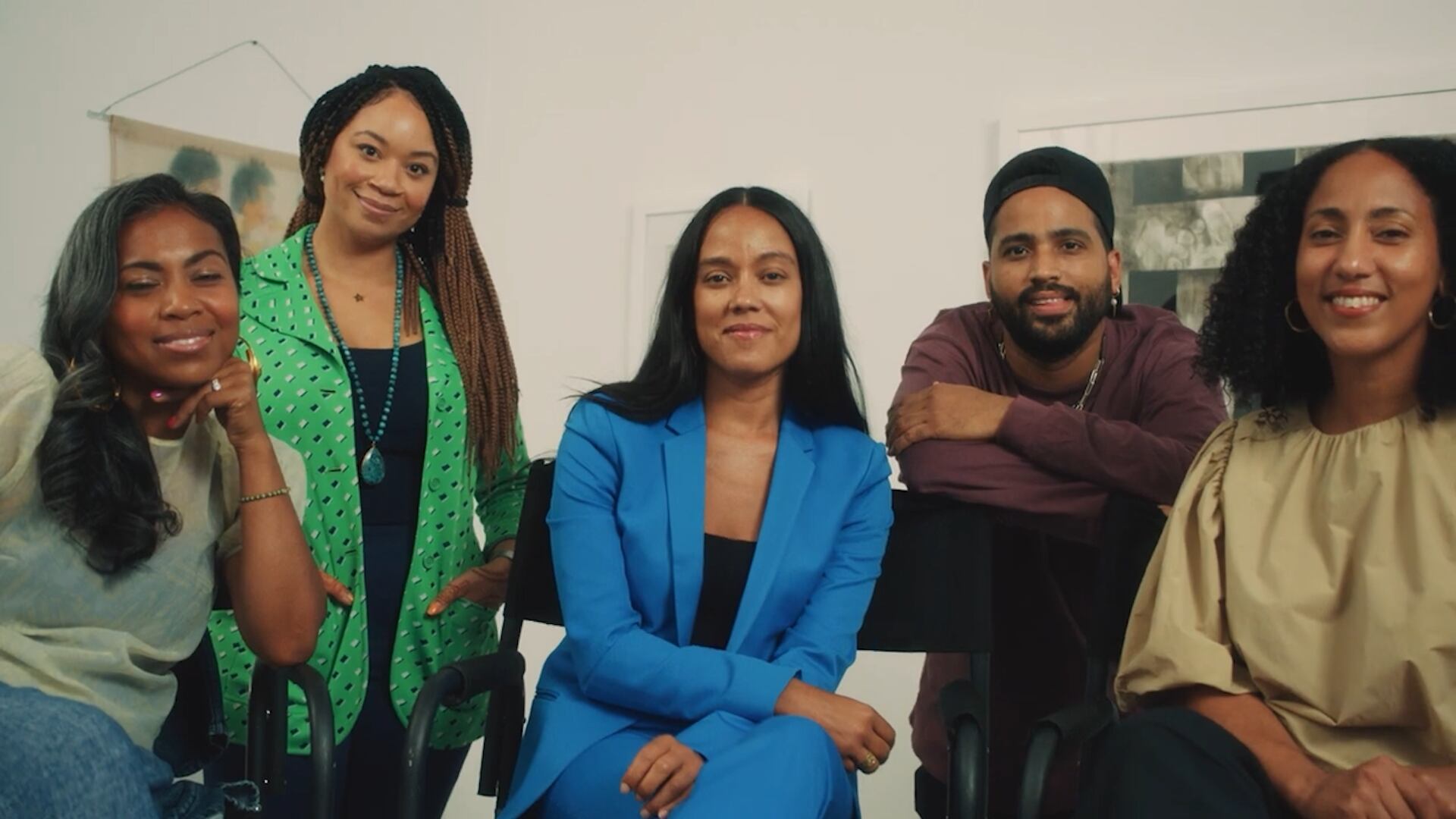
Michael Mitchell, senior director of brand at Mailchimp, joins Cheddar News to discuss the launch of Bloom Season and what every BIPOC entrepreneur needs to know to succeed.
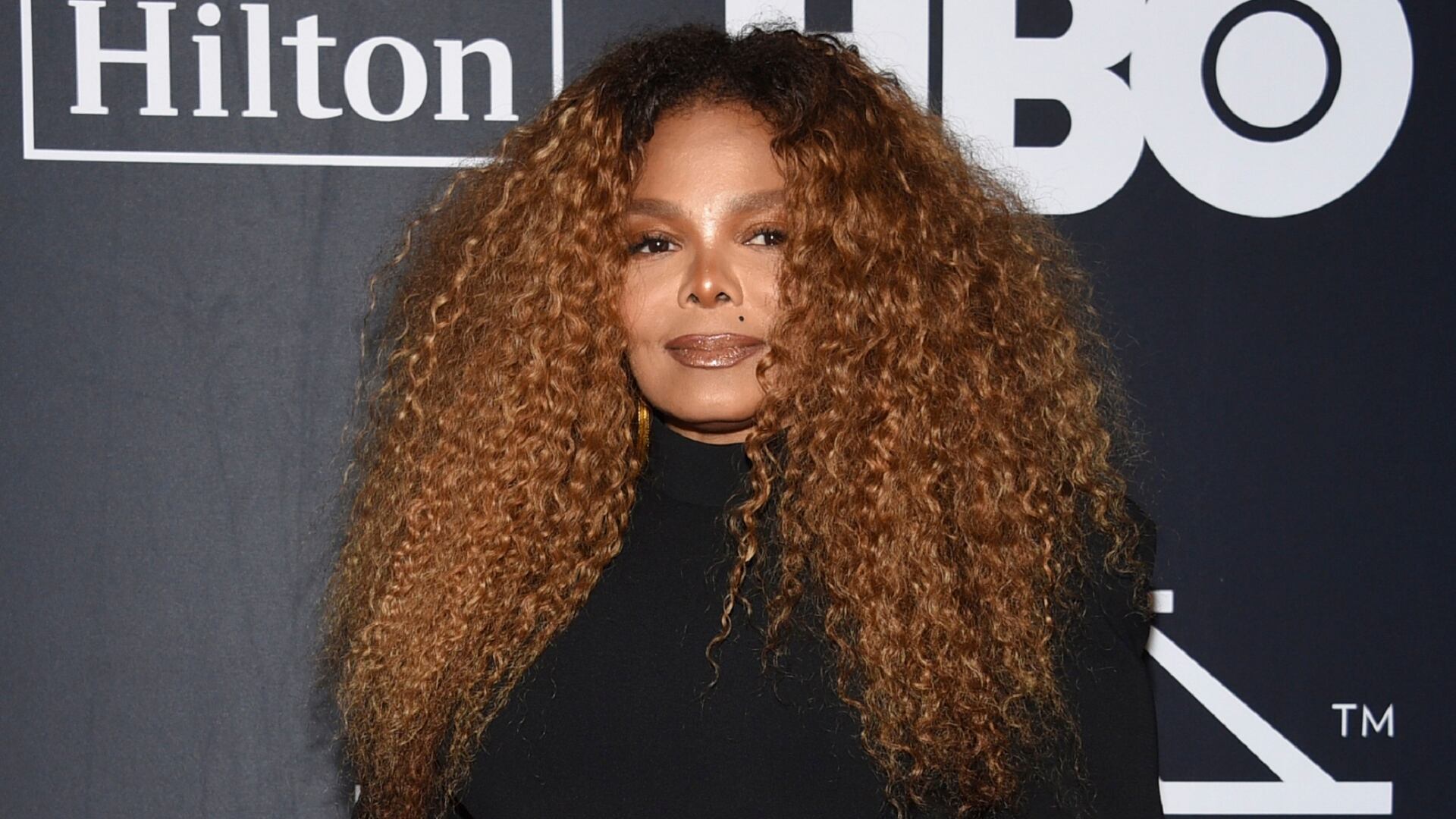
Janet Jackson shared that she had a conversation with Justin Timberlake who had asked her if he should make a statement during the scandal over her Super Bowl XXXVIII wardrobe malfunction, in her new self-titled Lifetime documentary. The musical icon said that she viewed the incident as an accident and remains "good friends" with Justin Timberlake.
The gaming industry has seen multiple large scales deals this month alone, including Microsoft's megadeal for Activision Blizzard. And, seemingly in response, rival Sony, picked up Bungie for $3.6 billion, a studio once owned by both Microsoft and Activision. The sector is reportedly on track to spend $150 billion on mergers and acquisitions just this year alone, a record-breaking total, according to investment firm Drake Star Partners. Michael Metzger, a partner at the firm specializing in technology, media, and communications, joined Cheddar to discuss the flurry of deals in the gaming space and what might be behind the hot M&A activity.