Earth Day comes around once a year, but investors can put their money to work to combat climate change year-round.
As more individuals come to terms with the existential threat of climate change, sustainable investing is no longer niche. It's gone mainstream, and it's a growing force in the capital markets.
An often cited 2019 survey from Morgan Stanley found that 85 percent of investors with at least $100,000 in investable assets were interested in sustainable investing.
Some 48 percent of investors with $10,000 or more invested said they were "very or somewhat" interested in sustainable investment funds, according to a 2022 Gallup poll. But only 25 percent said they'd heard "a lot or fair amount" about it, and only 10 percent said they were currently invested in sustainable funds.
Not only is familiarity with sustainable investing low, concepts like ESG can be confusing. ESG refers to "environmental, social, and governance." It's a set of standards used to evaluate companies through a social lens, but a study from Stanford University found ESG ratings can be unreliable because there isn't a standardized criteria for evaluation, information gathering is expensive, and data can be incomplete or unreliable.
Peter Krull, a partner and director of sustainable investing at Prime Capital Investment Advisors company Earth Equity Advisors, echoed those concerns.
"An ESG portfolio that reduces its exposure to ExxonMobil is less bad. One that eliminates it entirely is better. But one that replaces it with First Solar is actually sustainable," Krull told Cheddar News.
Krull recommended sustainable investors eliminate fossil fuel companies or funds that contain them from their portfolios altogether, but other sectors aren't so cut and dried. Mining operations, for example, can mine fossil fuels, but they can also mine minerals for electric vehicle batteries. As for what goes into a green portfolio, Krull recommended alternative energy companies that focus on solar, wind, and geothermal power, as well as less obvious choices like insurance companies that consider climate risk and biotech that improves health outcomes.
"I like to call traditional index investing rearview mirror investing because it's really about investing in where we've been or where the economy has been. Whereas sustainable investing is where the economy is going," Krull said.
Being a smart and sustainable investor can require a great deal of critical thinking and research, and Krull recommended tools like Fossil Free Funds and Invest Your Values to help sort through the noise.
Ultimately, investing is about generating a return. When it comes to sustainable investing, Krull also suggested that investors think long term.
"Because sustainable investing is about investing for the future, [investments are] not always going to be up, especially when value investing is in style," he said. "Over the long term, it should play out. But in short terms, just like we're dealing with right now over the last 12 to 18 months, that value has been in style, you probably will underperform a little bit."
Global delivery service FedEx just received the first five of an order of 500 light commercial electric vehicles from GM's BrightDrop brand. Mitch Jackson, chief sustainability officer for FedEx, joined Cheddar to discuss the deployment of the EV600 delivery vehicles, if the new fleet will get the company to carbon neutrality by 2040, and how cost-effective they might be. "We've been working with electric vehicles for 10 years, and what we've find over that time frame is that we save over half of our operational and maintenance costs with the use of EVs over internal combustion engines, "Jackson said. "So they're economically viable."
A group of shareholders is demanding Amazon run an independent audit to assess how the company treats its employees. Mary Beth Gallagher, the director of engagement at Domini Impact Investments, the group that filed the resolution, told Cheddar it wants to invest in companies that protect shareholders and specifically noted concerns about productivity quotas and employee surveillance. The company's worker safety initiatives have been questioned even before a tornado killed six people at an Amazon warehouse in Illinois this month. "What we want to see is Amazon centering workers' voices and having an independent review that hears directly from workers themselves who know the conditions that they're working under and the pressures they face," she said.
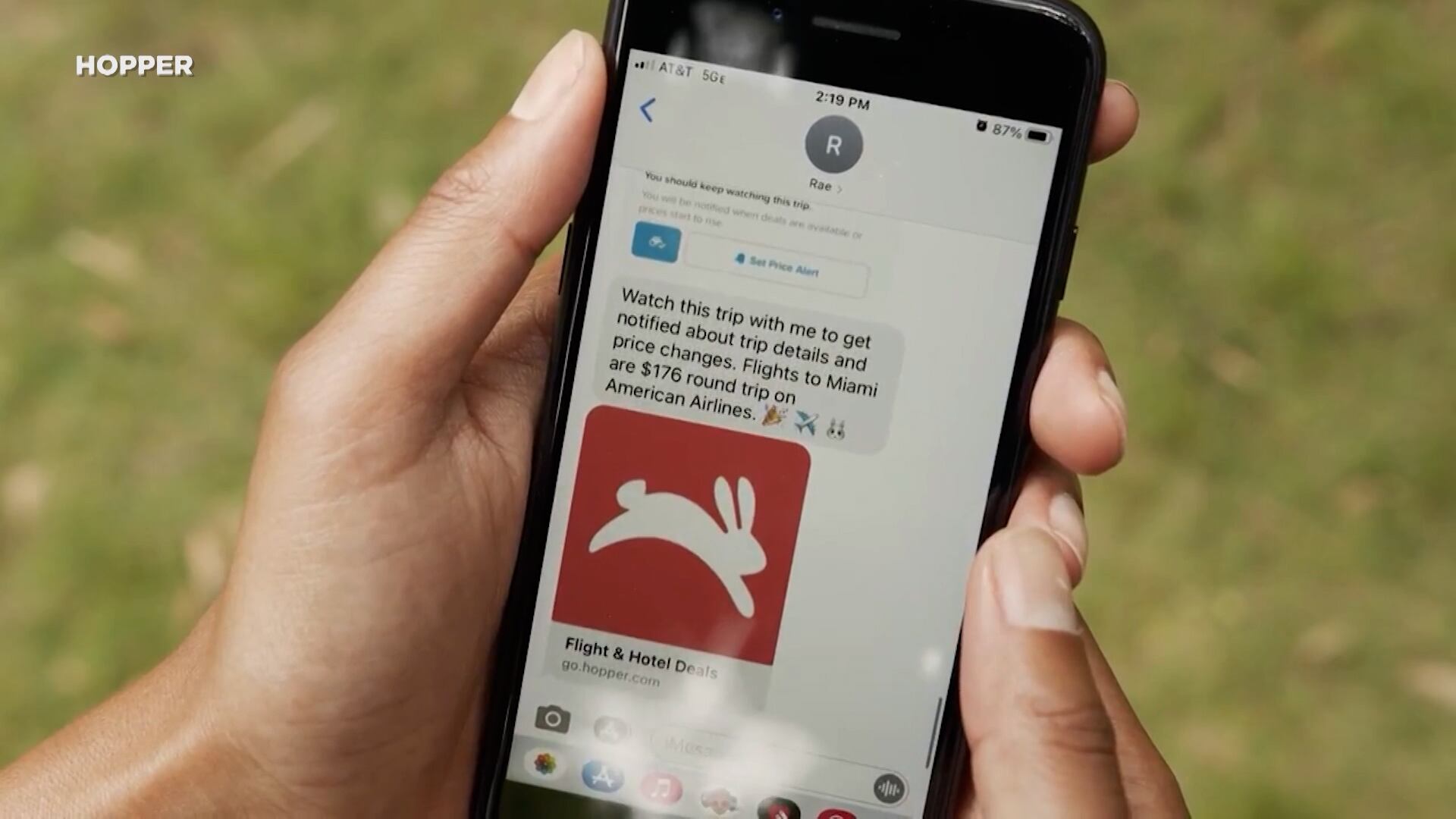
Trip.com is now adding Hopper's price freeze feature for its users. The feature will help travelers save money by protecting them from pricing volatility when booking their next trip. The company is the first online travel agency to partner with Hopper's B2B initiative, Hopper Cloud. Dakota Smith, chief strategy officer at Hopper, joins Cheddar News to walk us through the feature and how the company is addressing Omicorn concerns.
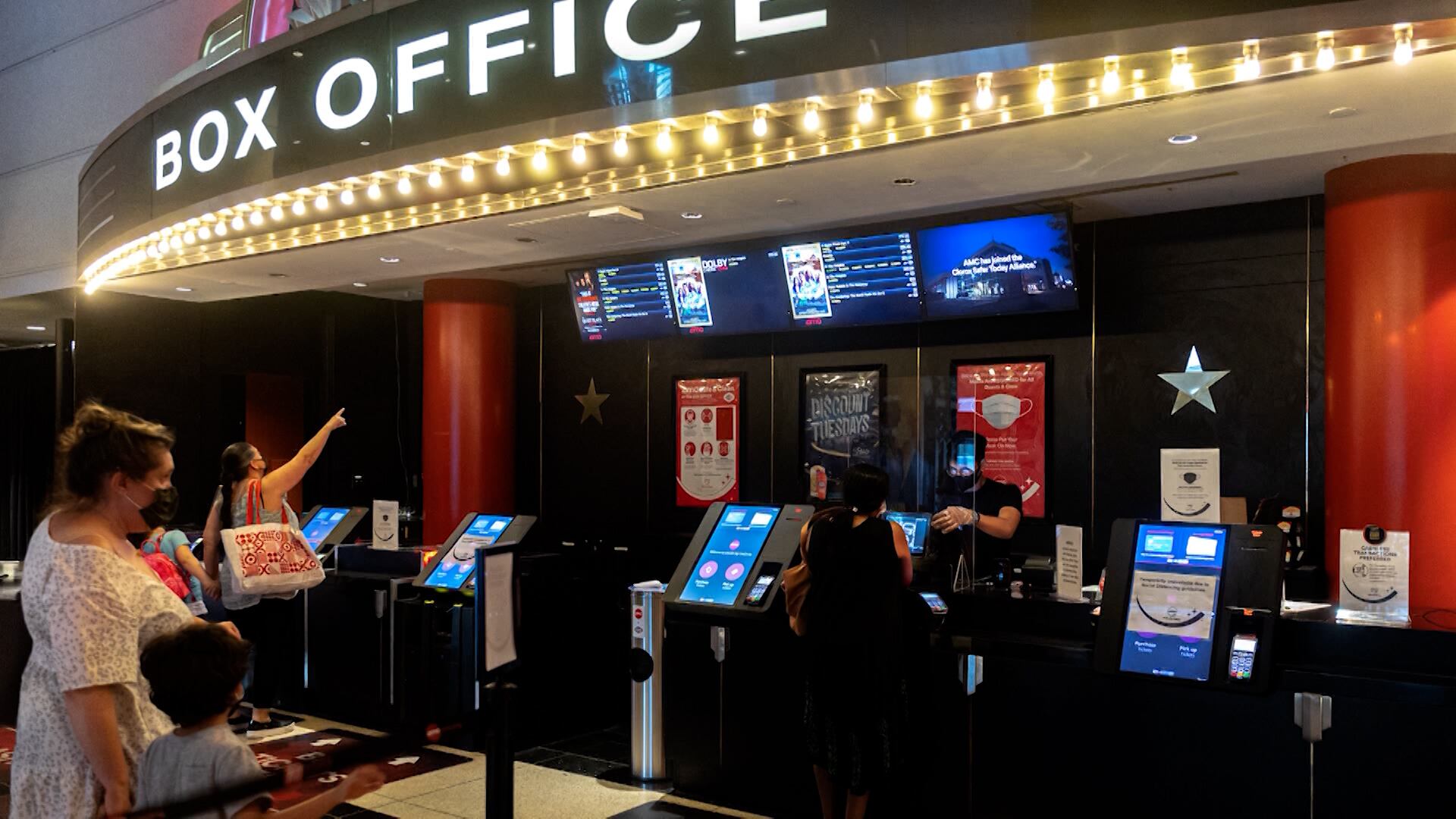
'Spider-Man: No Way Home' caught moviegoers in its web this weekend at the box office. The film premiered at $260 million in U.S. ticket sales, making it the second-best domestic debut of all time and the biggest opening since the pandemic began. Shawn Robbins, chief analyst at BoxofficePro.com, joins Cheddar News to discuss the film's success.
Ahead of the new year, award-winning journalist and TV anchor Soledad O'Brien and financial expert Jean Chatzky are teaming up to launch a brand-new podcast called "Everyday Wealth," aimed at helping listeners unlock their financial potential. O'Brien and Chatzky joined Cheddar's "Opening Bell" to discuss which topics to expect, as well as the importance of financial literacy. "I think what I'm good at is asking uncomfortable questions," said O'Brien, detailing how the podcast might stand out from others. "And sometimes when it comes to talking about money, a lot of those questions are uncomfortable."
Spider-Man is hoping to come to the rescue of movie theaters as they struggle to recover from the pandemic. "Spider-Man: No Way Home" starring Tom Holland is officially out in theaters and is expected to generate a whopping $150 million in its box office debut. Sean O'Connell, managing editor of CinemaBlend, joined Cheddar to discuss his expectations for the new Marvel movie, and what the entertainment industry is doing to prepare for a potential winter surge in COVID cases.
As companies figure out how to adapt to the ever-changing COVID world, mergers and acquisitions are on the rise. A new report from PwC reveals 2021 saw the most megadeals, transactions of at least $5 billion, in the U.S. Colin Wittmer, PwC's U.S. deals leader, tells Cheddar how companies can set themselves up for deals success.
The last year saw a massive uptick in CEO turnover, with over 1,200 chief executives leaving their posts in 2021. According to a recent report from Challenger, Gray & Christmas, the main reasons cited were talent management, retention, hiring, and reimagining the workplace post-covid. Andrew Challenger, Senior Vice President, Challenger, Gray & Christmas, Inc. joined Cheddar's Opening Bell to discuss.
With the resurgence in COVID cases and the uncertainty of the Omicron variant, many companies, like Apple, Ford, Google, and countless others, are delaying their return-to-office dates. This means employees will continue to work from home full time or continue a hybrid approach, which can cause some challenges. Executive coach Stefania Romeo joined Cheddar to discuss how companies can best manage the difficulties of hybrid work.