Earth Day comes around once a year, but investors can put their money to work to combat climate change year-round.
As more individuals come to terms with the existential threat of climate change, sustainable investing is no longer niche. It's gone mainstream, and it's a growing force in the capital markets.
An often cited 2019 survey from Morgan Stanley found that 85 percent of investors with at least $100,000 in investable assets were interested in sustainable investing.
Some 48 percent of investors with $10,000 or more invested said they were "very or somewhat" interested in sustainable investment funds, according to a 2022 Gallup poll. But only 25 percent said they'd heard "a lot or fair amount" about it, and only 10 percent said they were currently invested in sustainable funds.
Not only is familiarity with sustainable investing low, concepts like ESG can be confusing. ESG refers to "environmental, social, and governance." It's a set of standards used to evaluate companies through a social lens, but a study from Stanford University found ESG ratings can be unreliable because there isn't a standardized criteria for evaluation, information gathering is expensive, and data can be incomplete or unreliable.
Peter Krull, a partner and director of sustainable investing at Prime Capital Investment Advisors company Earth Equity Advisors, echoed those concerns.
"An ESG portfolio that reduces its exposure to ExxonMobil is less bad. One that eliminates it entirely is better. But one that replaces it with First Solar is actually sustainable," Krull told Cheddar News.
Krull recommended sustainable investors eliminate fossil fuel companies or funds that contain them from their portfolios altogether, but other sectors aren't so cut and dried. Mining operations, for example, can mine fossil fuels, but they can also mine minerals for electric vehicle batteries. As for what goes into a green portfolio, Krull recommended alternative energy companies that focus on solar, wind, and geothermal power, as well as less obvious choices like insurance companies that consider climate risk and biotech that improves health outcomes.
"I like to call traditional index investing rearview mirror investing because it's really about investing in where we've been or where the economy has been. Whereas sustainable investing is where the economy is going," Krull said.
Being a smart and sustainable investor can require a great deal of critical thinking and research, and Krull recommended tools like Fossil Free Funds and Invest Your Values to help sort through the noise.
Ultimately, investing is about generating a return. When it comes to sustainable investing, Krull also suggested that investors think long term.
"Because sustainable investing is about investing for the future, [investments are] not always going to be up, especially when value investing is in style," he said. "Over the long term, it should play out. But in short terms, just like we're dealing with right now over the last 12 to 18 months, that value has been in style, you probably will underperform a little bit."
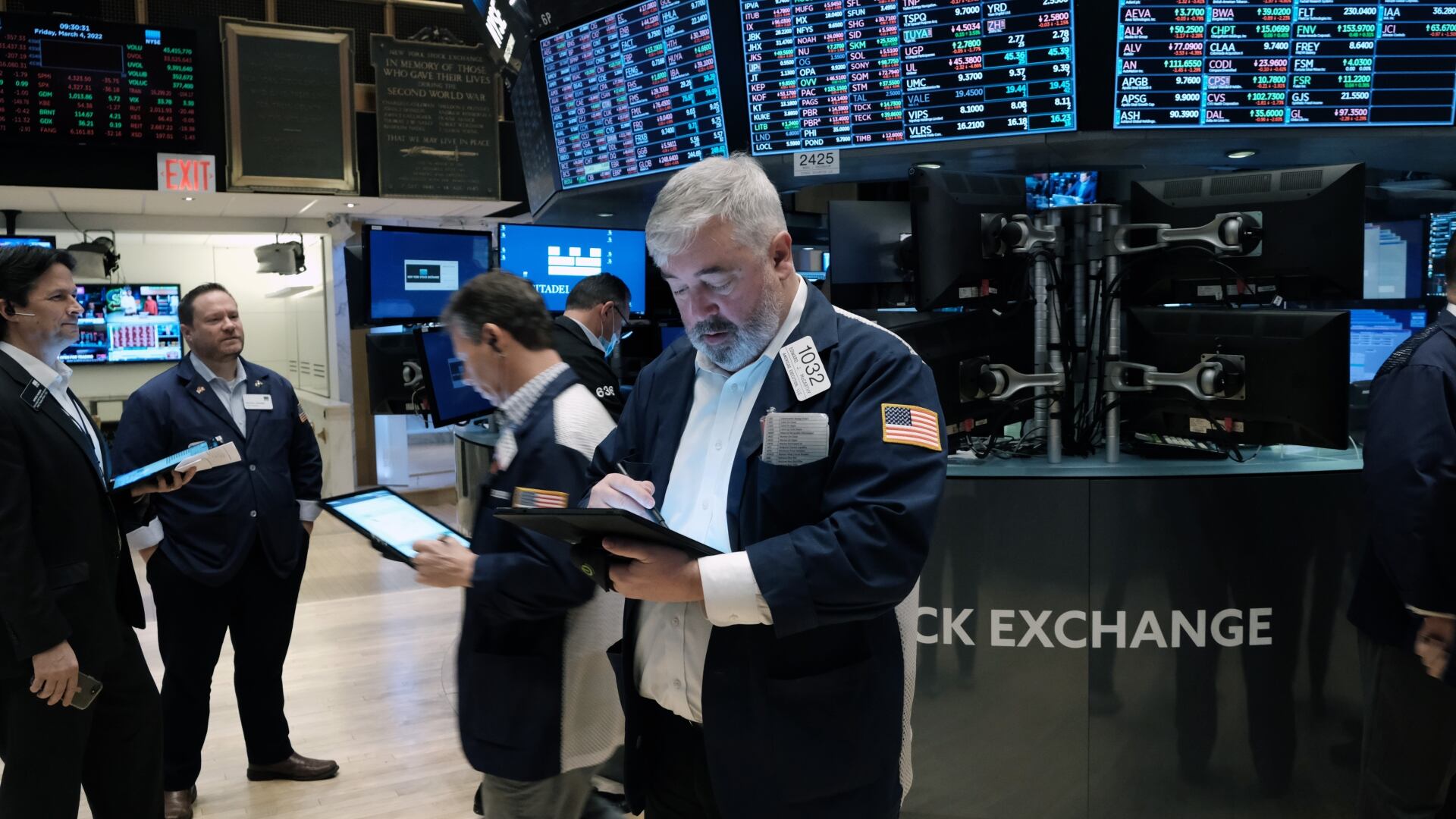
Jay Hatfield, Chief Investment Officer at ICAP, believes a lot of the bad news regarding the fighting in Ukraine and Fed is already priced into the market and looming uncertainty factored into Friday's movement. However, he also believes the upcoming Fed decision will be good news for Wall Street.
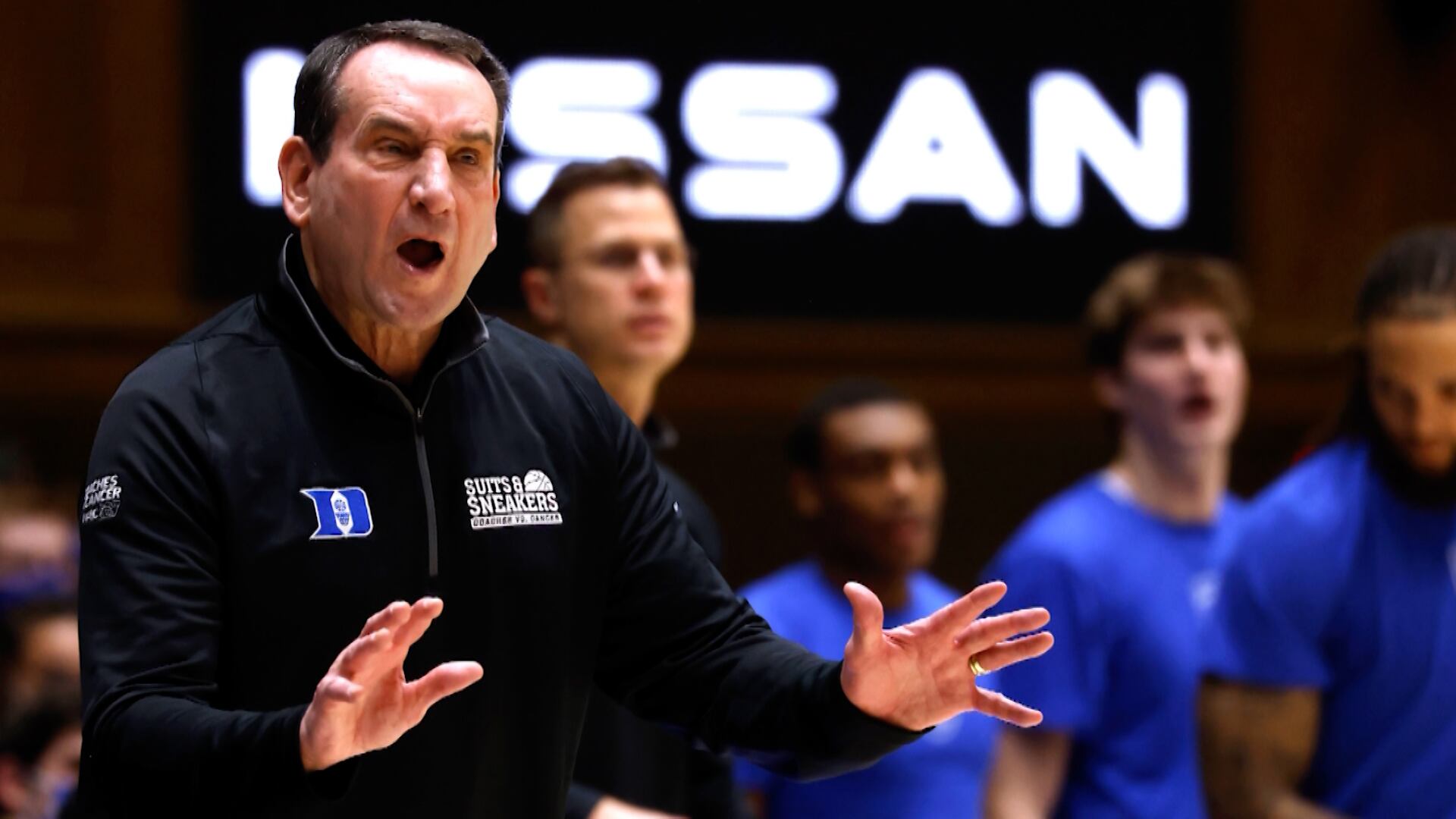
NFT platform OneOf has partnered with Duke University's athletic program to create a special men's basketball NFT collection ahead of Mike Krzyzewski's final home game as Duke head coach this Saturday. Matt Marino, VP of Sports & Lifestyle at OneOf, joins Cheddar News' Closing Bell, where he takes viewers through the offerings available for collectors and his company's other pursuits in the sports collectibles space.
The pandemic, chip shortages, and now war. Automakers around the world have been getting slammed, and it now seems like things could get worse. Several car manufacturers have announced they are halting sales or shutting down factories in Russia after nations around the world moved to tighten sanctions against the country. Lisa Whalen, Auto and Mobility Analyst for Morning Consult, joins Cheddar News' Closing Bell to discuss.
Matt Hougan, CIO at Bitwise Asset Management, joins Cheddar News' Closing Bell, where he explains what we're learning about cryptocurrencies during the Russian invasion of Ukraine and says that there's not a simple, clean narrative that can be reached.
Shared EV service Revel raised $126 million in a Series B round. Revel first came on the map in 2018 with its shared electric moped service in New York City, which has since expanded to other cities on the east coast. The company also operates an all-Tesla ride-hailing service in Manhattan.
Now, it is looking to expand its network of EV fast-charging stations, which the company calls super-hubs. Frank Reig, CEO of Revel, joins Cheddar News' Closing Bell to discuss.
Amid Russia's attack on Ukraine, major businesses from BP to Big Tech like Apple have been pausing their business dealings with the invading nation. Brian Walker, chief strategy officer at commerce software company Bloomreach, joined Cheddar News to discuss how some companies are showing support for Ukraine and what this could mean for consumers. "Whether it be impacts on energy or operational costs, shipping and logistics, or frankly impacts on the financial services industry, these will have long term implications on retail prices," he said.
About 678,000 jobs were created in February, hundreds of thousands more than predicted, according to the latest Labor Department report, showing a broad economic recovery despite inflation woes. Heather Boushey, member of the Council of Economic Advisers for President Biden, joined Cheddar News to talk about the employment figures. "This really shows that the economy is now more resilient because of the tools that we have in place," Boushey said. "So I'm optimistic that we'll be able to weather future storms."
There will soon be another, lower-cost subscription option for Disney+ — but with commercials. Disney will launch the new ad-supported tier for its streaming service in the U.S. later this year and internationally in 2023, but so far there is no word on an exact launch date or price for the new service option. Tal Chalozin, co-founder and CTO of online ad tech company Innovid, joined Cheddar News' Closing Bell to discuss what the news could mean for the next chapter of the streaming wars. "I wouldn't say that are worried about subscriber growth, but they have big goals to fill," he said. "They need to go to the mid-market or the longer tail. An ad model, always proven that that that's the way to go to mass market in television."