Earth Day comes around once a year, but investors can put their money to work to combat climate change year-round.
As more individuals come to terms with the existential threat of climate change, sustainable investing is no longer niche. It's gone mainstream, and it's a growing force in the capital markets.
An often cited 2019 survey from Morgan Stanley found that 85 percent of investors with at least $100,000 in investable assets were interested in sustainable investing.
Some 48 percent of investors with $10,000 or more invested said they were "very or somewhat" interested in sustainable investment funds, according to a 2022 Gallup poll. But only 25 percent said they'd heard "a lot or fair amount" about it, and only 10 percent said they were currently invested in sustainable funds.
Not only is familiarity with sustainable investing low, concepts like ESG can be confusing. ESG refers to "environmental, social, and governance." It's a set of standards used to evaluate companies through a social lens, but a study from Stanford University found ESG ratings can be unreliable because there isn't a standardized criteria for evaluation, information gathering is expensive, and data can be incomplete or unreliable.
Peter Krull, a partner and director of sustainable investing at Prime Capital Investment Advisors company Earth Equity Advisors, echoed those concerns.
"An ESG portfolio that reduces its exposure to ExxonMobil is less bad. One that eliminates it entirely is better. But one that replaces it with First Solar is actually sustainable," Krull told Cheddar News.
Krull recommended sustainable investors eliminate fossil fuel companies or funds that contain them from their portfolios altogether, but other sectors aren't so cut and dried. Mining operations, for example, can mine fossil fuels, but they can also mine minerals for electric vehicle batteries. As for what goes into a green portfolio, Krull recommended alternative energy companies that focus on solar, wind, and geothermal power, as well as less obvious choices like insurance companies that consider climate risk and biotech that improves health outcomes.
"I like to call traditional index investing rearview mirror investing because it's really about investing in where we've been or where the economy has been. Whereas sustainable investing is where the economy is going," Krull said.
Being a smart and sustainable investor can require a great deal of critical thinking and research, and Krull recommended tools like Fossil Free Funds and Invest Your Values to help sort through the noise.
Ultimately, investing is about generating a return. When it comes to sustainable investing, Krull also suggested that investors think long term.
"Because sustainable investing is about investing for the future, [investments are] not always going to be up, especially when value investing is in style," he said. "Over the long term, it should play out. But in short terms, just like we're dealing with right now over the last 12 to 18 months, that value has been in style, you probably will underperform a little bit."
Nancy Daoud, a private wealth adviser for Ameriprise Financial, joins Cheddar News' Closing Bell, where she discusses what led to a sharp spike on Wall Street during Tuesday's session and what she will be watching for most closely when the Fed announces it latest policy decision on Wednesday.
Dustyn Kim, Chief Revenue Officer at Artsy, joins Cheddar News' Closing Bell, where she says increasing demand helped push the online art marketplace to NFTs and outlines how her company is helping educate investors looking to learn more about digital assets.
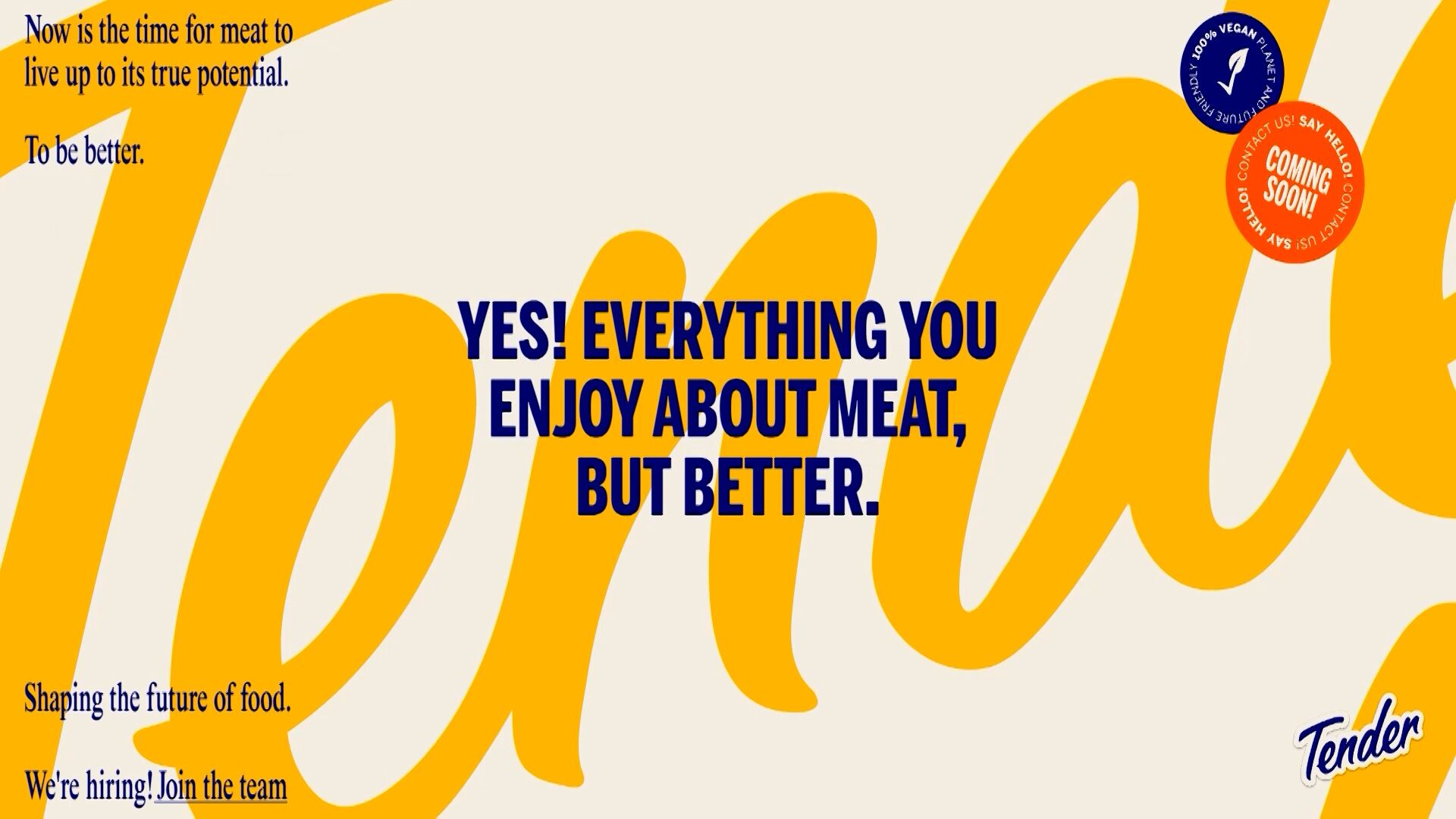
Food technology startup Tender Food raised $12 million in a seed round led by Chris Sacca's Lowercarbon Capital. Tender says it specializes in creating alternative meats with an authentic texture and is on a mission to make alternative meats so delicious, nutritious, and affordable, that eating meat from animals will no longer make sense. Christophe Chantre, co-founder & CEO of Tender Food, joins Cheddar News' Closing Bell to discuss.
Russia's economy is effectively at a standstill after it was slapped with extensive western sanctions, and now it has to make the first of four monthly interest payments on dollar bonds. It's likely the country will not be able to pay — so what happens next? Major credit ratings agencies have downgraded Russian sovereign debt, with Fitch issuing a 'C' rating and S&P Global Ratings issuing a 'CCC-' rating. Caleb Silver, Editor in Chief of Investopedia, joins Closing Bell to discuss what a Russian debt default could mean for Russia's economy, U.S. consumers who have pensions with exposure to Russian assets, and whether this could create a global financial crisis.
Image-sharing social media platform Pinterest is marking Women's History Month through its Pinterest Elevates program, designed to help grow 10 underrepresented businesses with monetary and strategic support. Alise Marshall, senior global lead for public affairs at Pinterest, joined Cheddar News to explain how the program is helping to uplift women and women of color with businesses of their own. “This was in response to issues that we saw happening in the community, and ways that we thought that we were uniquely positioned to respond," she said.
As the Federal Reserve kicks off a two-day meeting, analysts expect that a rate hike to help curb rising inflation will finally be announced. Greg McBride, the chief financial analyst at Bankrate, joined Cheddar News to explain what this could mean for your wallet. "This is the beginning. This is not a one-and-done. This is the start of a series of interest rate hikes that we're going to see over the course of the next year or two, and there's a cumulative effect here as it pertains to the pocketbook," he said.
A new report from the Motion Picture Association highlights how the popularity of streaming services has helped the film industry recover from the pandemic. Matthew Belloni, the host of "The Town" podcast and founding partner of Puck News, joined Cheddar News to discuss the impact of streaming on Hollywood. "For all but the largest tent-pole style blockbuster movies, the future probably is streaming," he said.