Earth Day comes around once a year, but investors can put their money to work to combat climate change year-round.
As more individuals come to terms with the existential threat of climate change, sustainable investing is no longer niche. It's gone mainstream, and it's a growing force in the capital markets.
An often cited 2019 survey from Morgan Stanley found that 85 percent of investors with at least $100,000 in investable assets were interested in sustainable investing.
Some 48 percent of investors with $10,000 or more invested said they were "very or somewhat" interested in sustainable investment funds, according to a 2022 Gallup poll. But only 25 percent said they'd heard "a lot or fair amount" about it, and only 10 percent said they were currently invested in sustainable funds.
Not only is familiarity with sustainable investing low, concepts like ESG can be confusing. ESG refers to "environmental, social, and governance." It's a set of standards used to evaluate companies through a social lens, but a study from Stanford University found ESG ratings can be unreliable because there isn't a standardized criteria for evaluation, information gathering is expensive, and data can be incomplete or unreliable.
Peter Krull, a partner and director of sustainable investing at Prime Capital Investment Advisors company Earth Equity Advisors, echoed those concerns.
"An ESG portfolio that reduces its exposure to ExxonMobil is less bad. One that eliminates it entirely is better. But one that replaces it with First Solar is actually sustainable," Krull told Cheddar News.
Krull recommended sustainable investors eliminate fossil fuel companies or funds that contain them from their portfolios altogether, but other sectors aren't so cut and dried. Mining operations, for example, can mine fossil fuels, but they can also mine minerals for electric vehicle batteries. As for what goes into a green portfolio, Krull recommended alternative energy companies that focus on solar, wind, and geothermal power, as well as less obvious choices like insurance companies that consider climate risk and biotech that improves health outcomes.
"I like to call traditional index investing rearview mirror investing because it's really about investing in where we've been or where the economy has been. Whereas sustainable investing is where the economy is going," Krull said.
Being a smart and sustainable investor can require a great deal of critical thinking and research, and Krull recommended tools like Fossil Free Funds and Invest Your Values to help sort through the noise.
Ultimately, investing is about generating a return. When it comes to sustainable investing, Krull also suggested that investors think long term.
"Because sustainable investing is about investing for the future, [investments are] not always going to be up, especially when value investing is in style," he said. "Over the long term, it should play out. But in short terms, just like we're dealing with right now over the last 12 to 18 months, that value has been in style, you probably will underperform a little bit."
March Nadness is officially underway, and betting on this year's tournament has the potential to reach record levels. About 45 million Americans are expected to wager a total of $3.1 billion on just the men's tournament alone, according to a new survey from the American Gaming Association. Prince Grimes, Senior Writer for USA Today's sports betting media property, BetFTW, joins Cheddar News' Closing Bell to discuss how betting could play into this year's tournament and other storylines surrounding March Madness.
Netflix is testing out a way to charge users who share their passwords with friends and family, and while it's not being introduced in the U.S. yet, it might one day. The streaming giant is under pressure to grow membership numbers after lackluster fourth-quarter guidance, and anticipated pressures as people return to work and face higher costs elsewhere, thanks to rising inflation. Will Netflix see increased customer cancellations if it implements a price hike for password sharing? Is the company only focusing on the investor, and not the subscriber? Seth Schachner, Managing Director at StratAmericas and Digital Business Executive, joins Closing Bell to discuss Netflix's plans to charge for password sharing, why the company is doing so, how it might hurt subscriber numbers and more.
Simeon Hyman, Chief Investment Strategist at ProShares, joins Cheddar News' Closing Bell, where he explains why his firm launched the Proshares Metaverse ETF today and how this portfolio offers the opportunity for success both now and in the future.
Medical cannabis company Akanda went public this week in what was the first traditional IPO of the month. Shares jumped about 163% in the stock's first day of trading. The London-based company says it hopes to supply medical cannabis products to wholesalers in international markets. Tej Virk, CEO of Akanda, joins Cheddar News' Closing Bell to discuss.
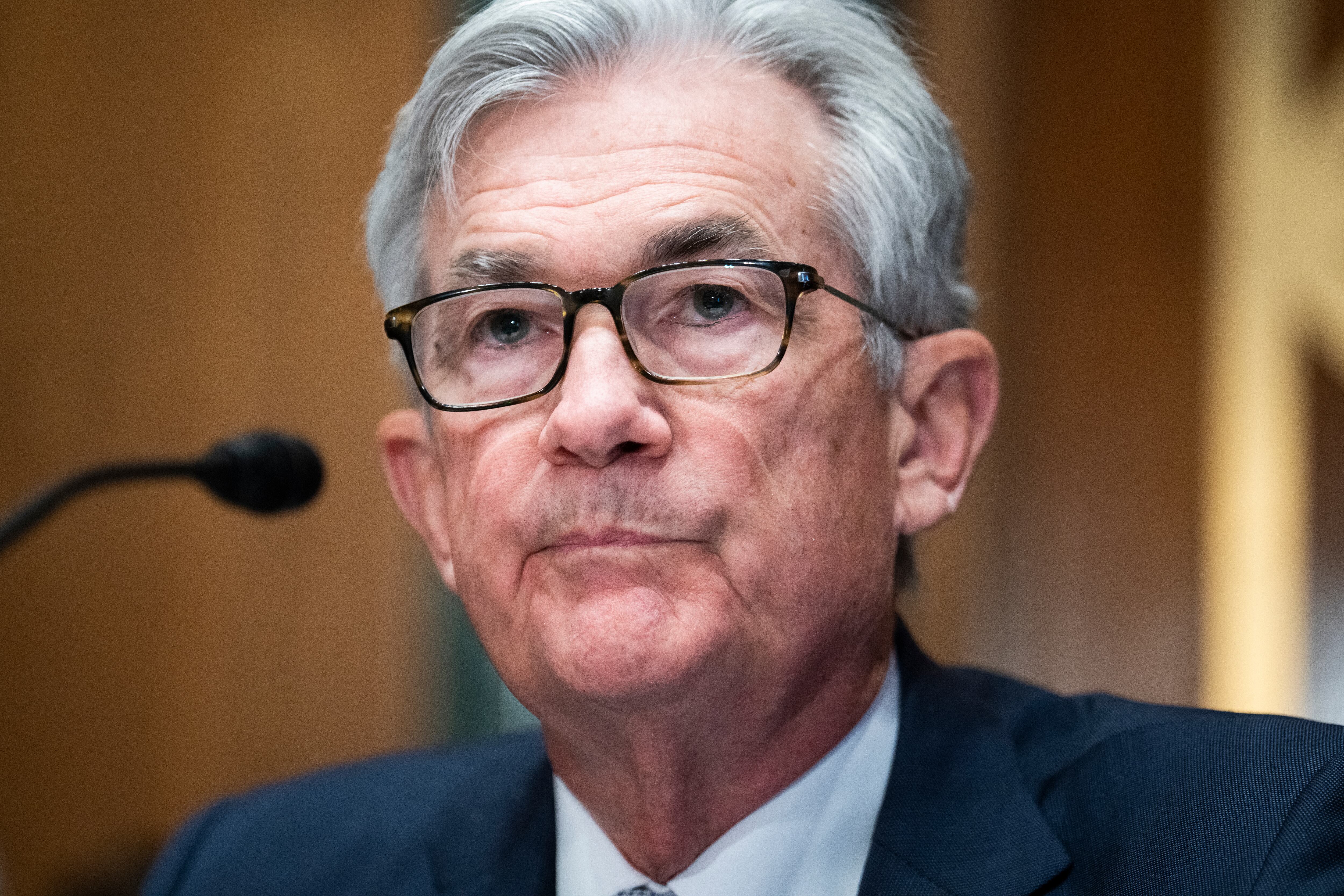
Art Hogan, Chief Market Strategist at National Securities, joins Cheddar News' Closing Bell, where he breaks down Fed Chair Jerome Powell's speech following the U.S. central bank's decision to raise rates and explains why Powell's comments move the markets more than the Fed decision itself.
Software company Akeneo CEO Fred De Gombert joined Closing Bell to discuss its recently closed Series D funding round raising $135 million in its quest to redefine product information management. De Gombert said the company is set out to improve the product information category by harnessing the power of data, which comes at a time where customer behavior has shifted in the pandemic era. "We are more and more demanding as consumers when we are shopping online or even offline. We are looking for more and more information," De Gombert said.
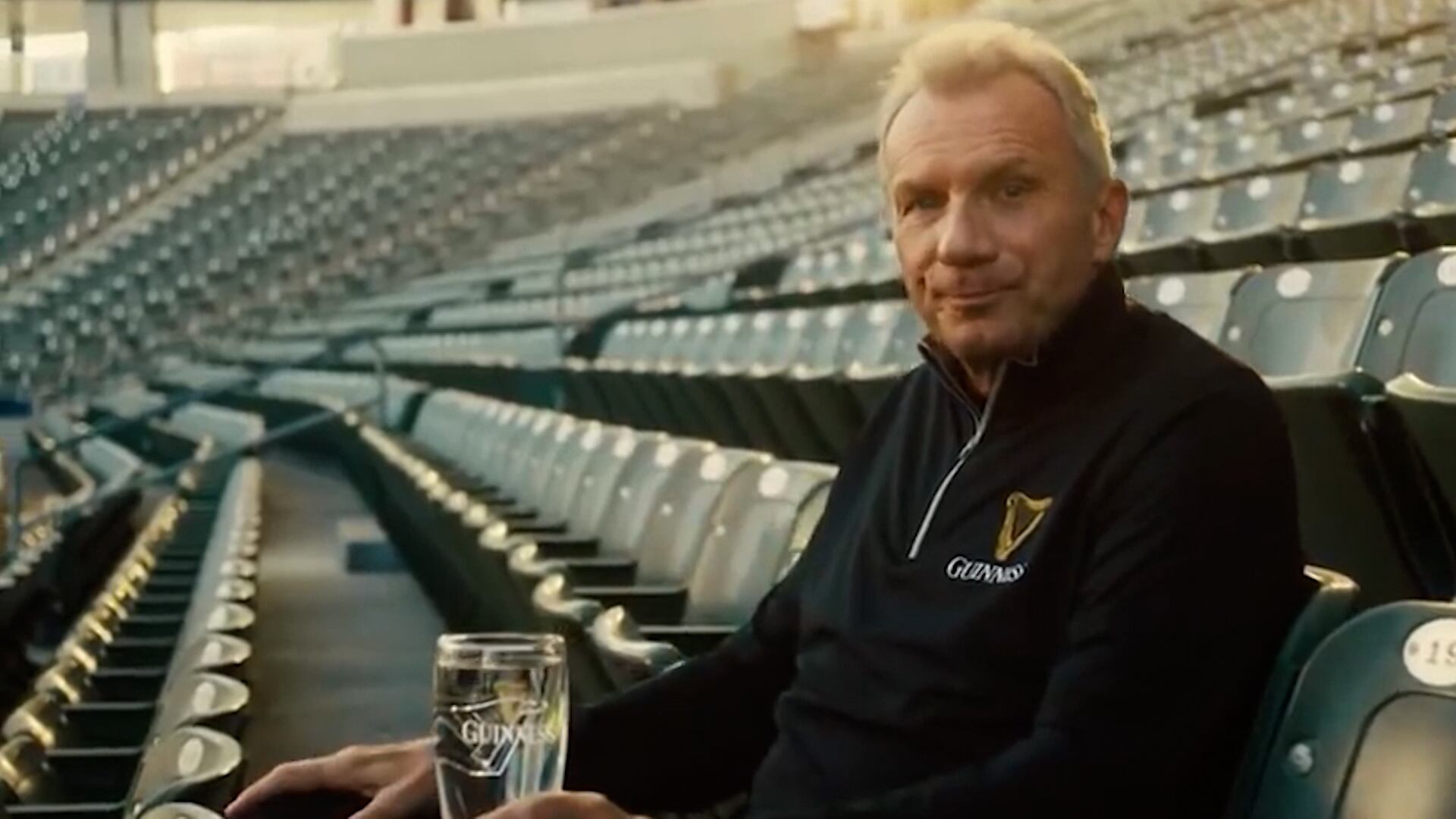
Guinness Ambassador and Pro Football Hall of Famer Joe Montana and Diageo CEO Nuno Teles got to ring the closing bell at the New York Stock Exchange to celebrate the St. Patrick’s Day holiday for the first time in two years. "We're just happy to be out here celebrating today. not only St. Patrick's Day, but the ability for all of us to get together again, right, and be able to celebrate St. Patrick's Day," said Montana. And with March 17th being the biggest day of the year for the Guinness brand, it comes amid supply chain woes. "Well, there's a high demand and with high demand, we need to really go and be more creative in the way we manage the supply," Teles said. "So we have been able to allocate product, making sure that everyone has what they need to go through this important period of the year, which is St. Patrick's."
Bioscience and genetic engineering company, Colossal, raised $60 million in a Series A funding round. Colossal is focused on developing new technologies and genetic tools to restore extinct species, and protect critically endangered species. One of the startup's long-term goals is to resurrect the woolly mammoth, and return it back to the arctic. Colossal also says it is developing technology that expands beyond animals, and has the potential to advance human health. Ben Lamm, co-founder and CEO of Colossal, joins Cheddar News' Closing Bell to discuss.
Analysts are puzzled by AMC Theaters' purchase of a 22 percent stake in a Nevada-based gold and silver mine this week. Cheddar's Alex Vuocolo investigates.