Earth Day comes around once a year, but investors can put their money to work to combat climate change year-round.
As more individuals come to terms with the existential threat of climate change, sustainable investing is no longer niche. It's gone mainstream, and it's a growing force in the capital markets.
An often cited 2019 survey from Morgan Stanley found that 85 percent of investors with at least $100,000 in investable assets were interested in sustainable investing.
Some 48 percent of investors with $10,000 or more invested said they were "very or somewhat" interested in sustainable investment funds, according to a 2022 Gallup poll. But only 25 percent said they'd heard "a lot or fair amount" about it, and only 10 percent said they were currently invested in sustainable funds.
Not only is familiarity with sustainable investing low, concepts like ESG can be confusing. ESG refers to "environmental, social, and governance." It's a set of standards used to evaluate companies through a social lens, but a study from Stanford University found ESG ratings can be unreliable because there isn't a standardized criteria for evaluation, information gathering is expensive, and data can be incomplete or unreliable.
Peter Krull, a partner and director of sustainable investing at Prime Capital Investment Advisors company Earth Equity Advisors, echoed those concerns.
"An ESG portfolio that reduces its exposure to ExxonMobil is less bad. One that eliminates it entirely is better. But one that replaces it with First Solar is actually sustainable," Krull told Cheddar News.
Krull recommended sustainable investors eliminate fossil fuel companies or funds that contain them from their portfolios altogether, but other sectors aren't so cut and dried. Mining operations, for example, can mine fossil fuels, but they can also mine minerals for electric vehicle batteries. As for what goes into a green portfolio, Krull recommended alternative energy companies that focus on solar, wind, and geothermal power, as well as less obvious choices like insurance companies that consider climate risk and biotech that improves health outcomes.
"I like to call traditional index investing rearview mirror investing because it's really about investing in where we've been or where the economy has been. Whereas sustainable investing is where the economy is going," Krull said.
Being a smart and sustainable investor can require a great deal of critical thinking and research, and Krull recommended tools like Fossil Free Funds and Invest Your Values to help sort through the noise.
Ultimately, investing is about generating a return. When it comes to sustainable investing, Krull also suggested that investors think long term.
"Because sustainable investing is about investing for the future, [investments are] not always going to be up, especially when value investing is in style," he said. "Over the long term, it should play out. But in short terms, just like we're dealing with right now over the last 12 to 18 months, that value has been in style, you probably will underperform a little bit."
Michelle Benvenuto, Executive Director of Winegrowers of Napa County, talks about the challenges winegrowers are having this season and discusses the battle over expanding vineyards in Napa County.
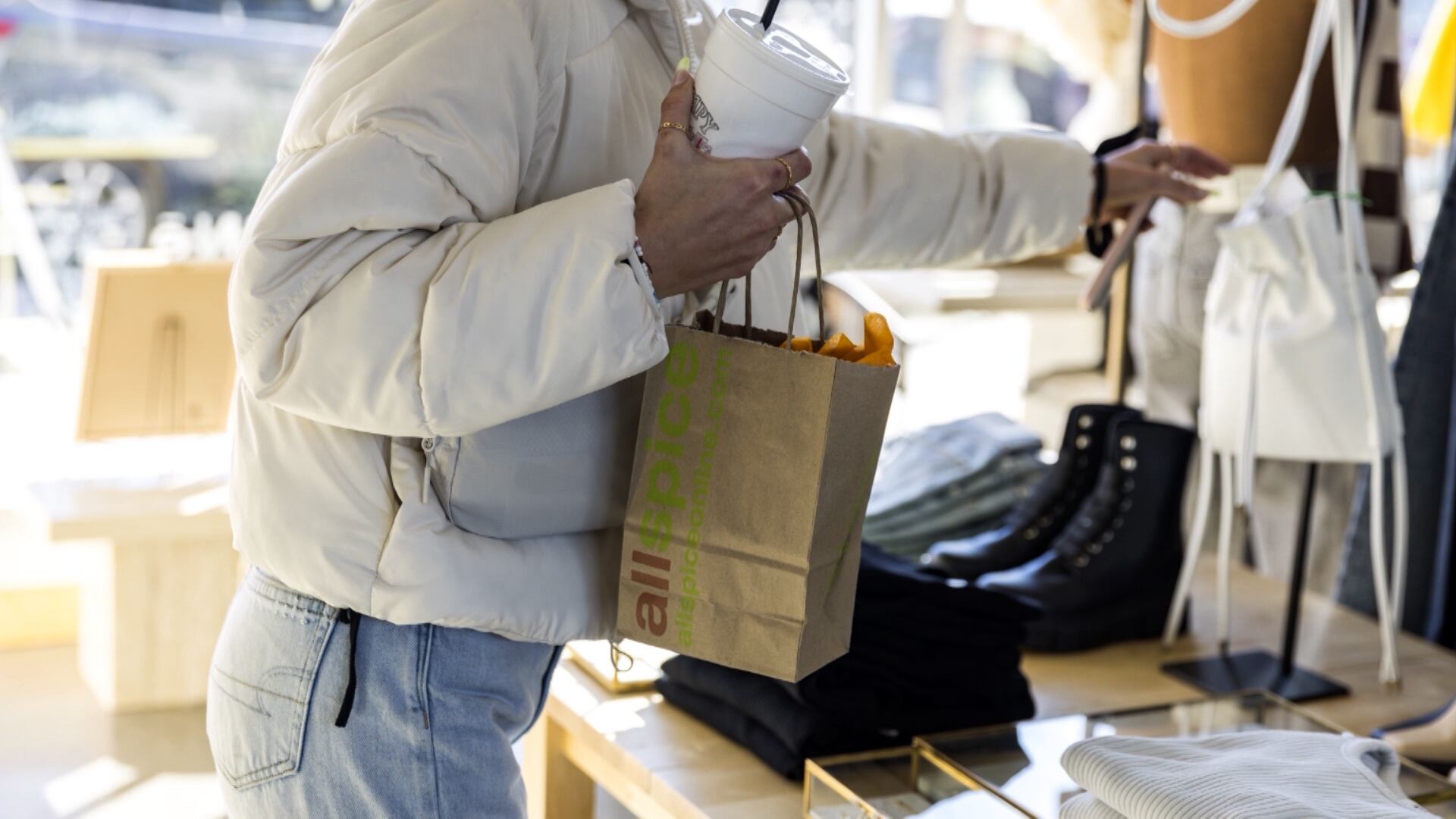
Digitally native stores like Allbirds and Everlane are beginning to target the suburbs as they look to expand their physical retail locations. It comes as reports show that a large portion of shoppers prefer to make their purchases in store. A new Deloitte report shows that 55 percent of shoppers who began their product search online, ended up making their purchase in store. Nikki Baird, VP of Strategy at Aptos, joined Cheddar's Opening Bell to discuss.
Russia has defaulted on some of its foreign debt as a tidal wave of western sanctions threatens its economy. The credit ratings agency S&P has placed Russia under "selective default" after it tried to pay its latest obligations in rubles. Russia now has a 30-day grace period to resolve the issue, but Moscow is threatening to take legal action. George Seay, Annandale Capital's CEO, joined Cheddar to break down what this means, and how Russia defaulting on its debt might impact the global economy.
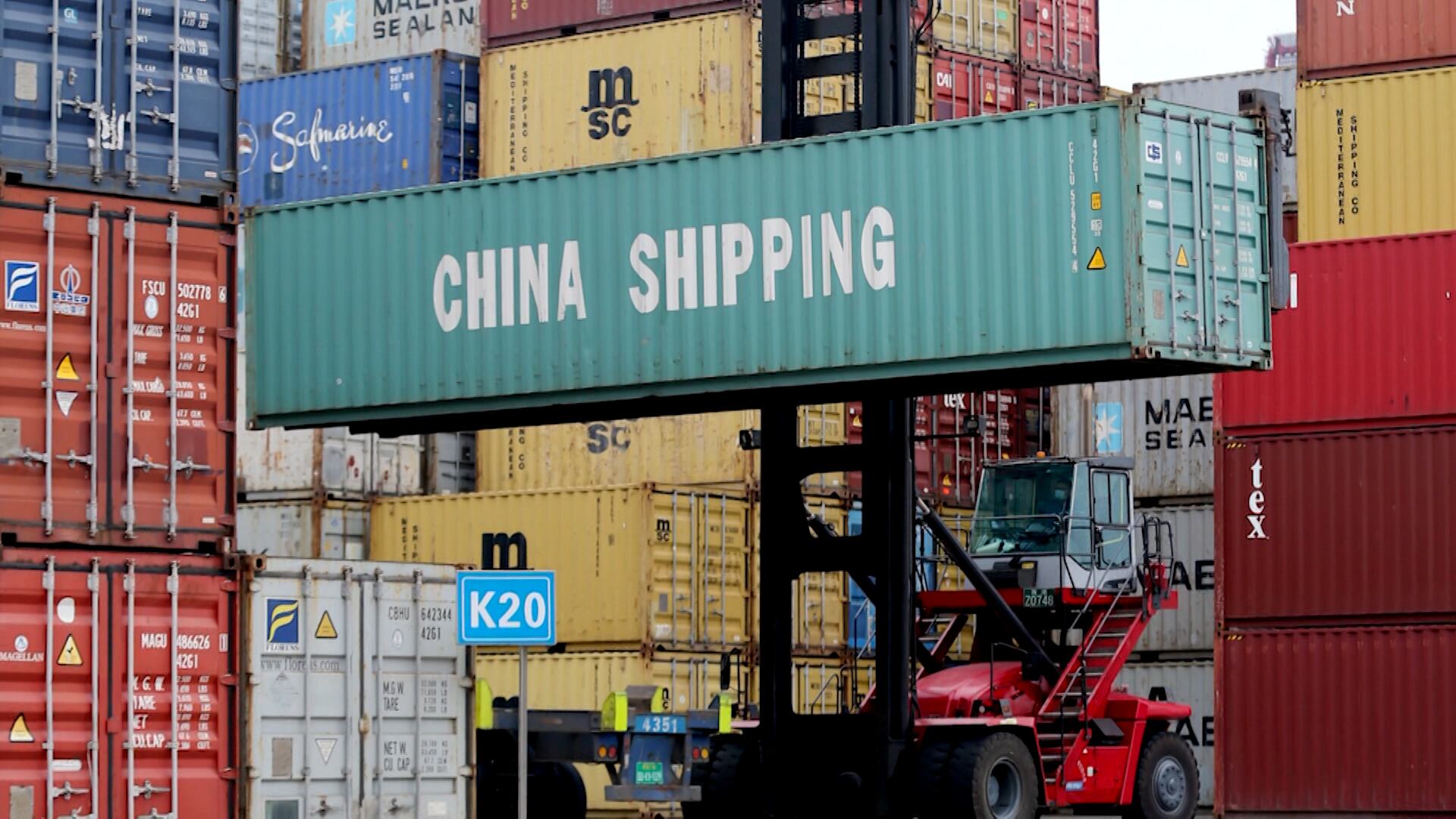
China's zero-covid policy may pose a wide-ranging threat to the local, and overseas economy. Analysts voicing concern on the strict lockdown in Shanghai as businesses and ports remain shuttered, potentially threatening the global supply chain. Shehzad H. Qazi, Managing Director, China Beige Book International joined Cheddar's Opening Bell to discuss.
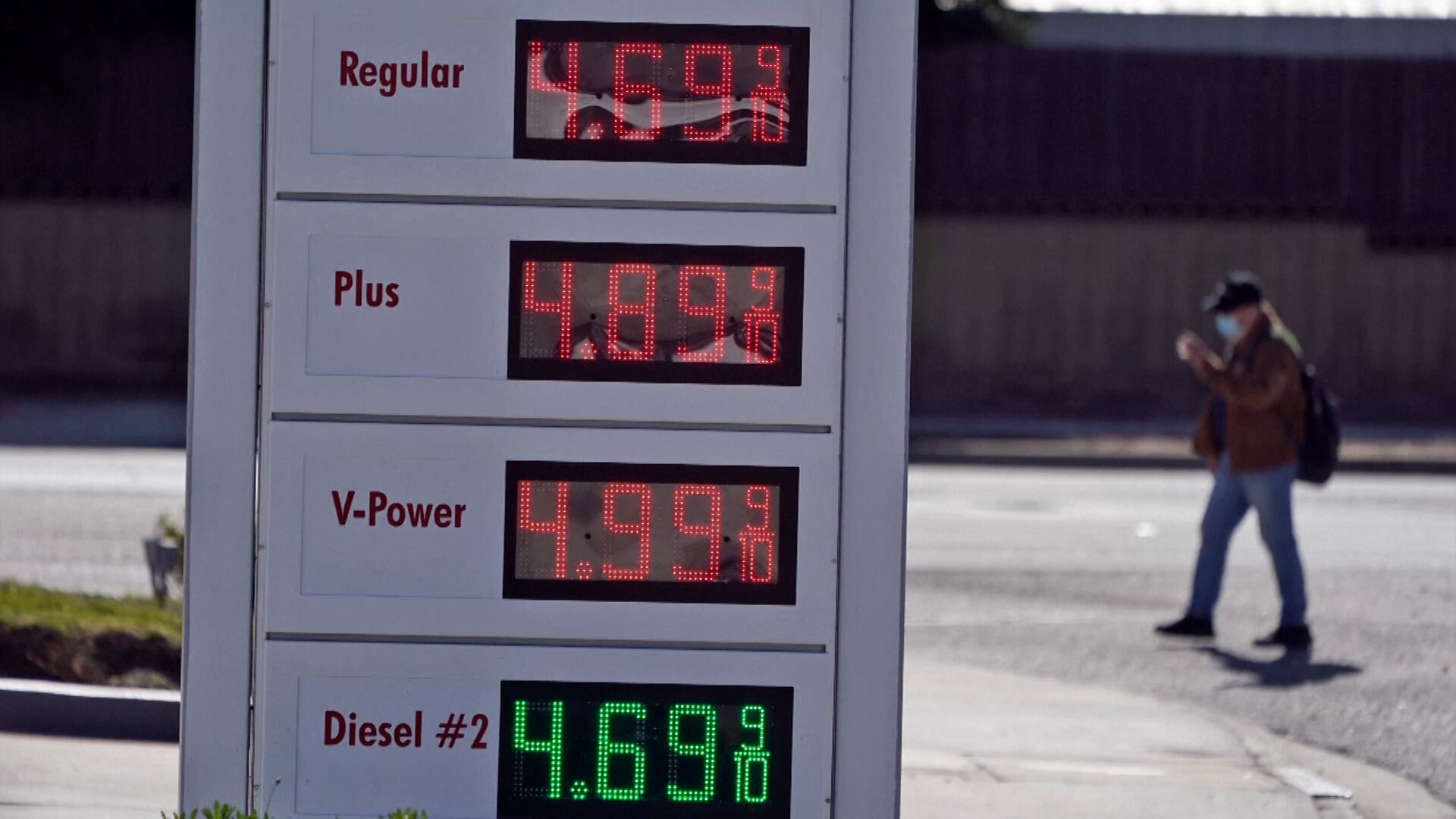
The consumer price index in March rose by 8.5% from a year ago, the fastest annual gain since December 1981 and one-tenth of a percentage point above the estimate. The rise in prices is driven by strong consumer demand, supply-chain disruptions and skyrocketing energy costs related to Russia's invasion of Ukraine. Heather Boushey, Council of Economic Advisers Member for President Biden, joined Cheddar's Opening Bell to give her reaction to the latest inflation numbers.
As China faces backlash from its response to Russia's invasion of Ukraine, the U.S. is strengthening its relationship with India. India is expected to become one of the top three economic powers in the world over the next 10 to 15 years, bolstered by technological advances and the manufacturing sector. Samir Kapadia, CEO and Principal of The Vogel Group, joined Cheddar to discuss the state of India's economy, and how it can only grow from here.
Americans racked up the most monthly consumer debt in over a decade in February. According to a report from the Fed, consumer debt rose by nearly $42 billion, an annual increase of roughly 11%, far outpacing expectations. Rebecca Walser, President of Walser Wealth Management. Rebecca, joined Cheddar's Opening Bell to break down this data, and discuss how this could impact the consumer moving forward.
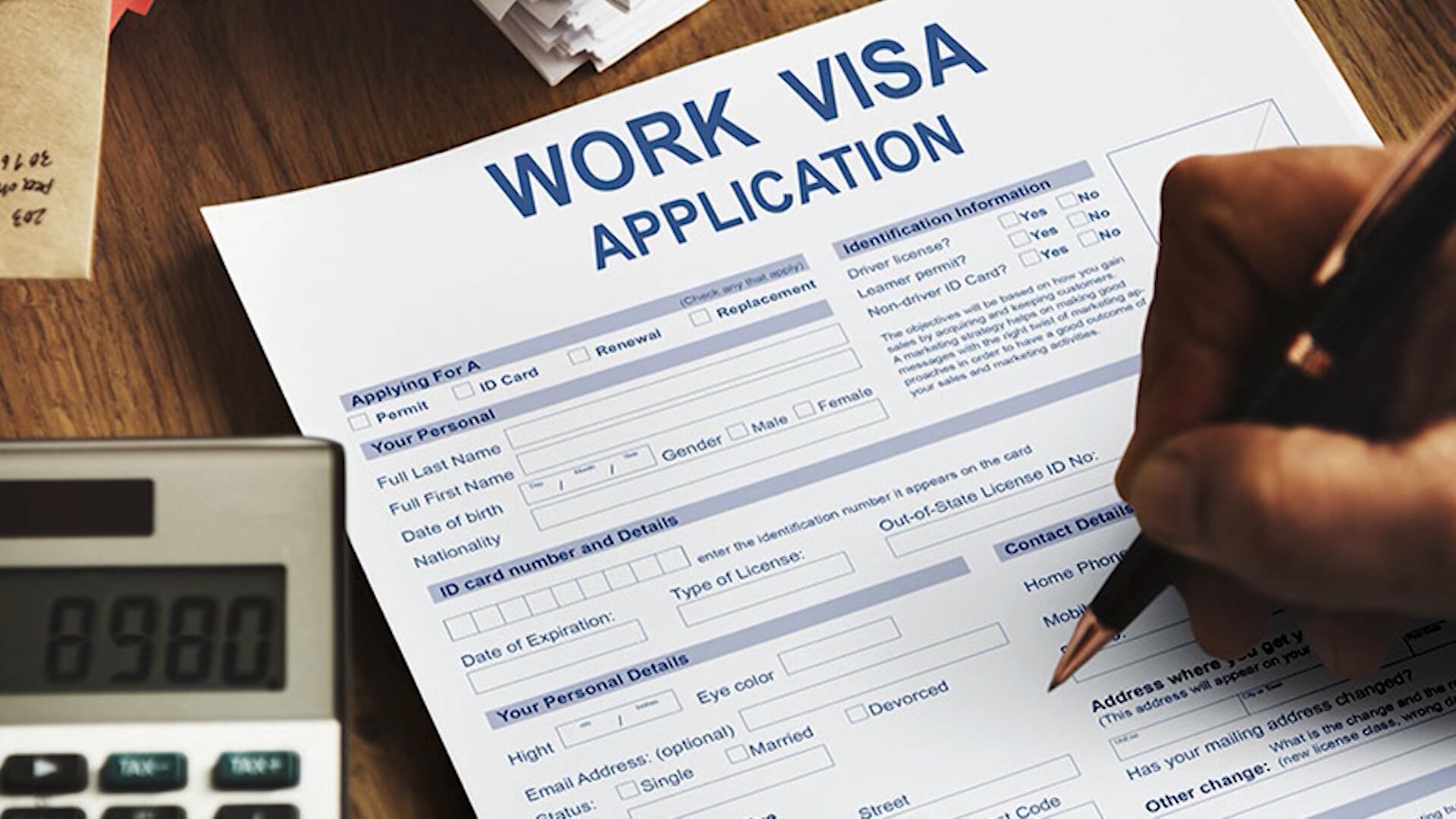
Ali Noorani, President & CEO of National Immigration Forum and Host of 'Only in America' Podcast, discusses the challenges in the labor market and the steps needed to streamline immigration in order to fill open positions.
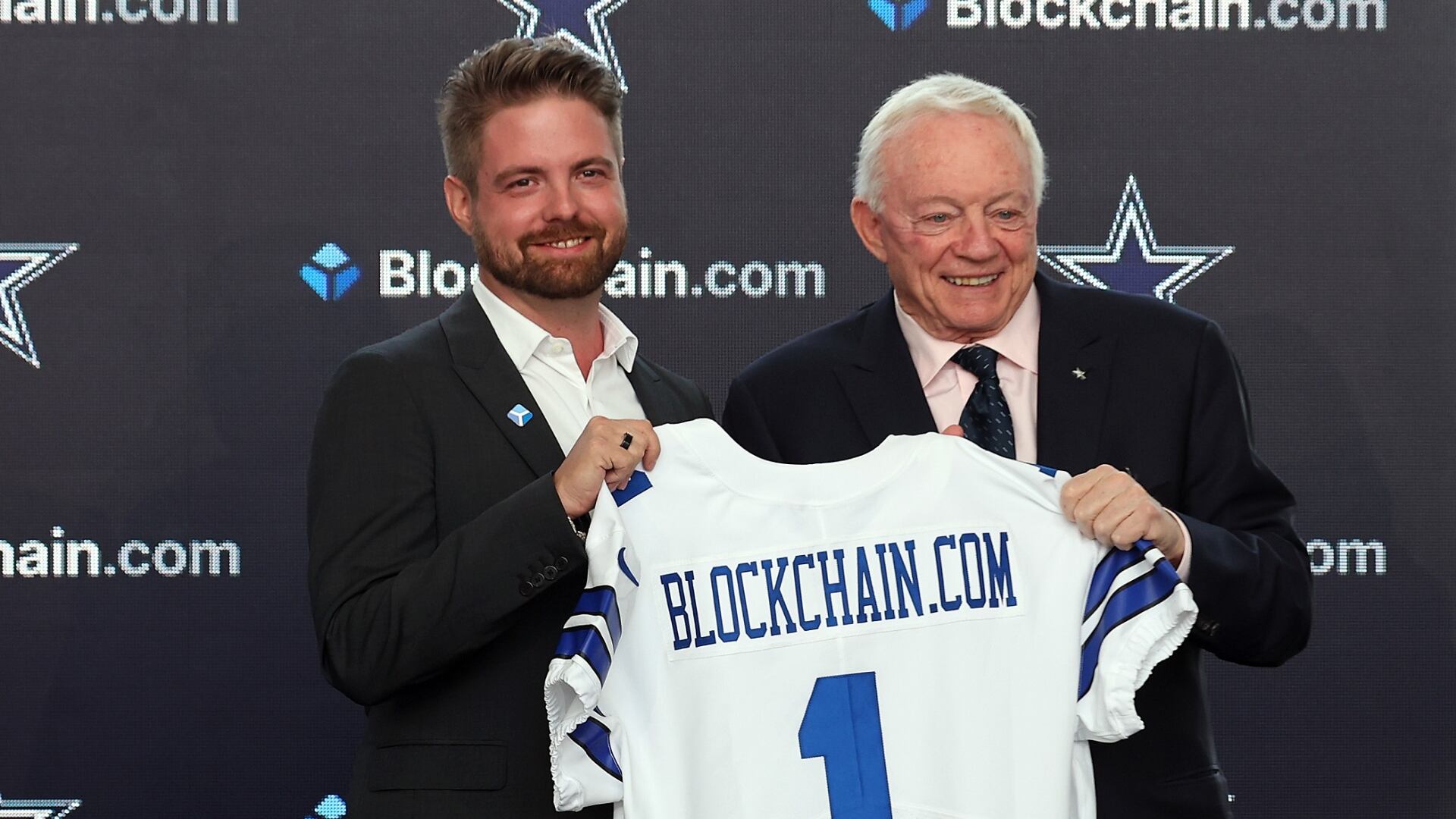
The Dallas Cowboys have joined forces with cryptocurrency platform Blockchain.com as the NFL loosens restrictions on teams making such deals. The partnership won't open the door for crypto use at AT&T stadium but will provide for some exclusive fan experiences.
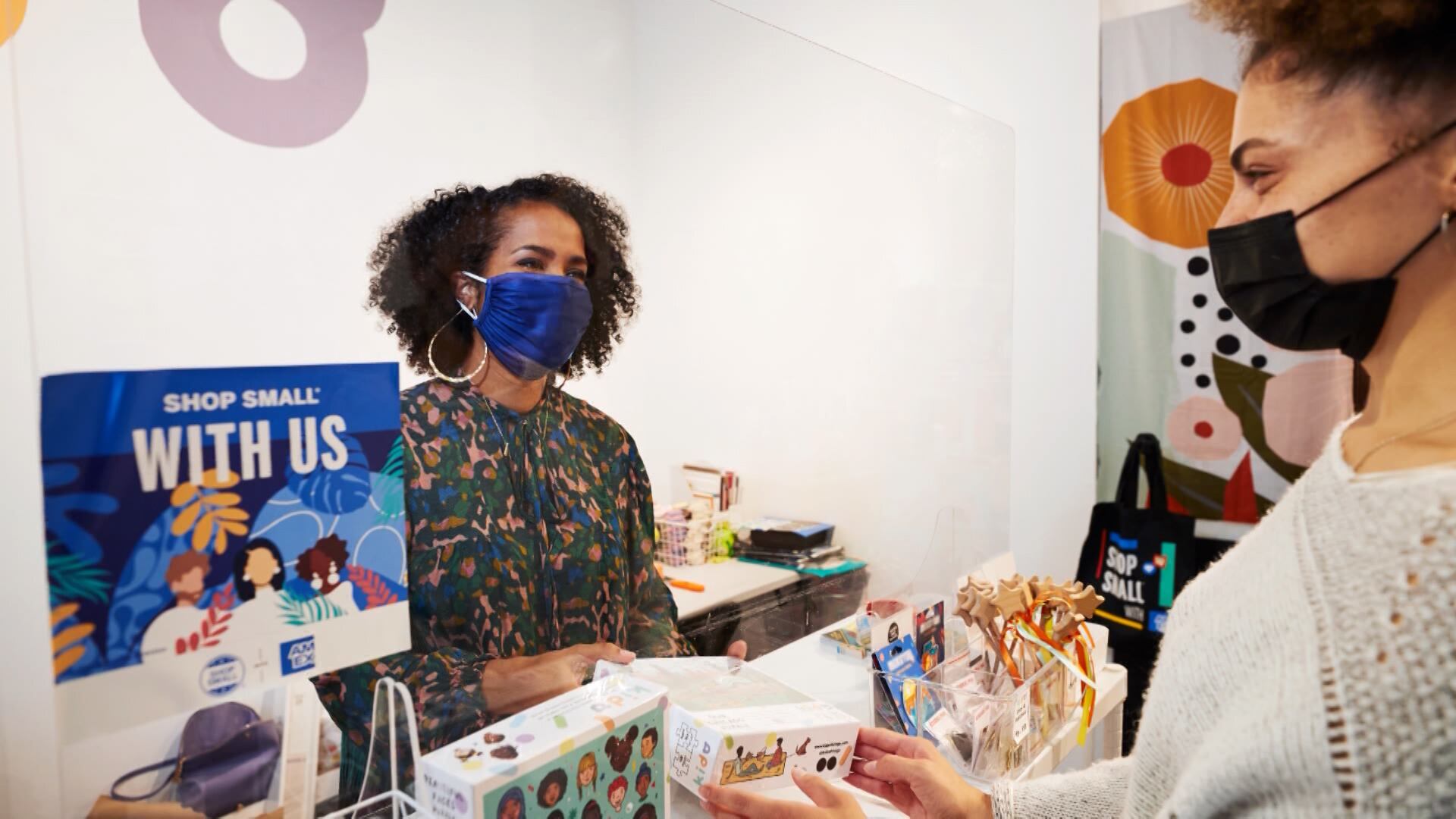
With the Federal Reserve looking to accelerate interest rate increases throughout the year, Andrew Gonzales, president, and co-founder of BusinessLoans.com, joined Cheddar News to talk about ways small businesses, already afflicted by high inflation and recovery from the pandemic, can get ahead of the curve and take action. Gonzalez stated that companies should invest in technology to manage daily tasks, in marketing with an emphasis on customer retention, and goods purchased in bulk. "So you'll know exactly what you'll be paying and you won't be caught off guard when, when rates do continue to rise," he explained.