Earth Day comes around once a year, but investors can put their money to work to combat climate change year-round.
As more individuals come to terms with the existential threat of climate change, sustainable investing is no longer niche. It's gone mainstream, and it's a growing force in the capital markets.
An often cited 2019 survey from Morgan Stanley found that 85 percent of investors with at least $100,000 in investable assets were interested in sustainable investing.
Some 48 percent of investors with $10,000 or more invested said they were "very or somewhat" interested in sustainable investment funds, according to a 2022 Gallup poll. But only 25 percent said they'd heard "a lot or fair amount" about it, and only 10 percent said they were currently invested in sustainable funds.
Not only is familiarity with sustainable investing low, concepts like ESG can be confusing. ESG refers to "environmental, social, and governance." It's a set of standards used to evaluate companies through a social lens, but a study from Stanford University found ESG ratings can be unreliable because there isn't a standardized criteria for evaluation, information gathering is expensive, and data can be incomplete or unreliable.
Peter Krull, a partner and director of sustainable investing at Prime Capital Investment Advisors company Earth Equity Advisors, echoed those concerns.
"An ESG portfolio that reduces its exposure to ExxonMobil is less bad. One that eliminates it entirely is better. But one that replaces it with First Solar is actually sustainable," Krull told Cheddar News.
Krull recommended sustainable investors eliminate fossil fuel companies or funds that contain them from their portfolios altogether, but other sectors aren't so cut and dried. Mining operations, for example, can mine fossil fuels, but they can also mine minerals for electric vehicle batteries. As for what goes into a green portfolio, Krull recommended alternative energy companies that focus on solar, wind, and geothermal power, as well as less obvious choices like insurance companies that consider climate risk and biotech that improves health outcomes.
"I like to call traditional index investing rearview mirror investing because it's really about investing in where we've been or where the economy has been. Whereas sustainable investing is where the economy is going," Krull said.
Being a smart and sustainable investor can require a great deal of critical thinking and research, and Krull recommended tools like Fossil Free Funds and Invest Your Values to help sort through the noise.
Ultimately, investing is about generating a return. When it comes to sustainable investing, Krull also suggested that investors think long term.
"Because sustainable investing is about investing for the future, [investments are] not always going to be up, especially when value investing is in style," he said. "Over the long term, it should play out. But in short terms, just like we're dealing with right now over the last 12 to 18 months, that value has been in style, you probably will underperform a little bit."
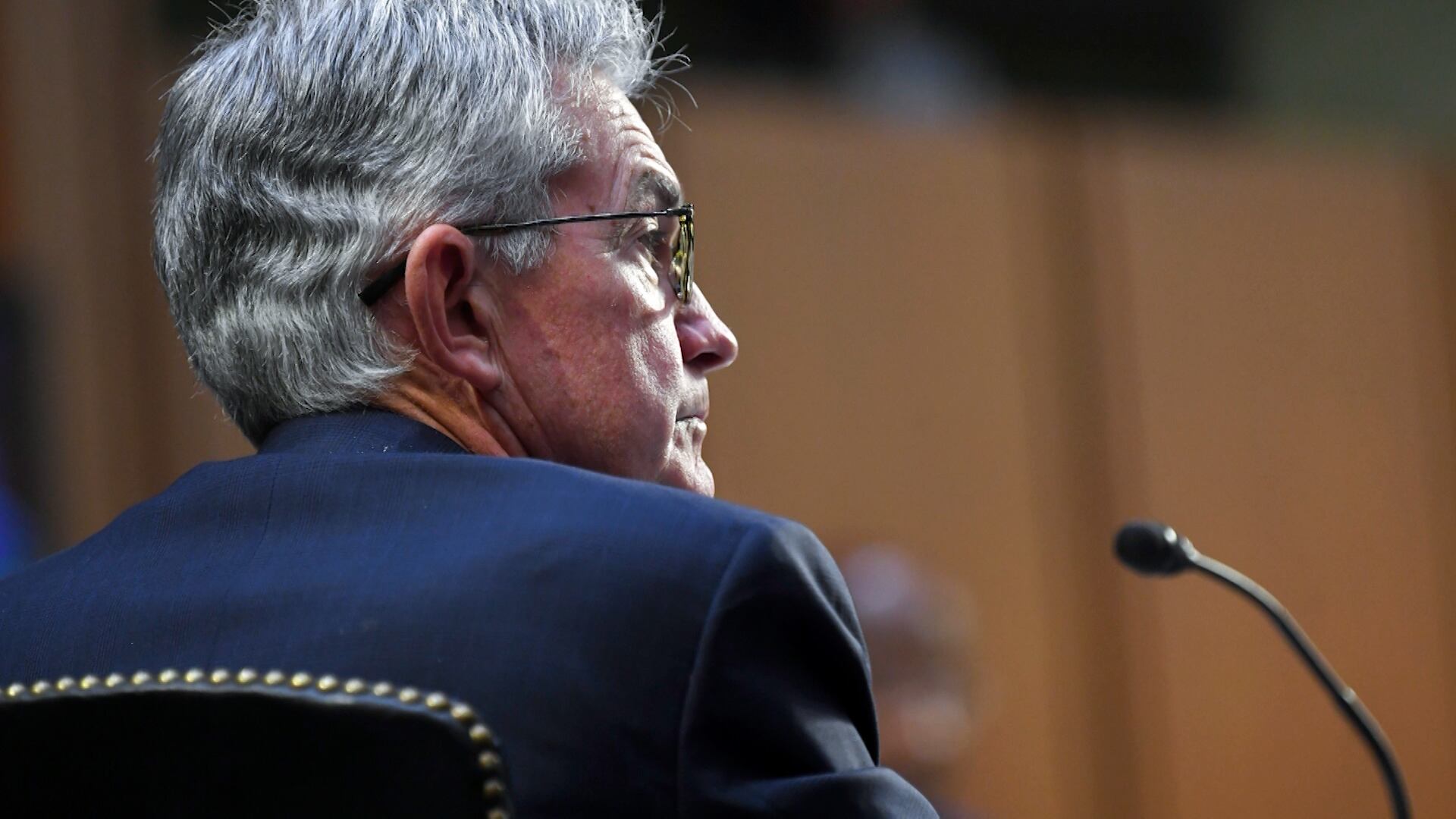
Stocks closed at session lows Thursday, with the major indexes falling slightly for the shortened trading week. The S&P 500 fell 2.1% for the week, the Dow Jones Industrial Average fell 0.8%, and the tech-heavy Nasdaq fell 2.6%. Investors continue to keep a close eye on inflation data, as well as earnings. Nancy Tengler, Chief investment Officer at Laffer Tengler Investments, joins Closing Bell to discuss today's close, inflation, how the Fed will handle rising prices, earnings, and more.
The major U.S. indexes closed Tuesday off of session lows as investors digest the latest read on inflation, showing it remains hot. Wall Street is also preparing for earnings from big banks and monitoring potential policy moves from the Federal Reserve. Peter Tuchman, a stock trader at TradeMas, joins Cheddar News' Closing Bell and highlighted tech stocks in particular. 'The tech sector, which led us to record highs before the 1st of this year, are now the ones that are leading us lower,' he said.
The competition between streaming platforms is heating up as Apple TV+, HBO Max, and others acquire the rights to air live sports, oftentimes behind an exclusive paywall. While this is likely to entice some viewers, it also presents a risk that viewership will become fractured. Customers might steer away from subscription overload as content streaming options become seemingly endless. Jeff Agrest, deputy sports editor and media columnist at the Chicago Sun-Times, joins Closing Bell to discuss what it means for the live sports industry when content is put behind a paywall on streaming platforms, how it could impact viewership, impact on sports betting, potential acquisition targets, and more.
The Coca-Cola Company is teaming up with science education personality Bill Nye as part of its World Without Waste Initiative to describe the bottle-to-bottle plastic recycling process through a vividly animated, stop-motion short film. Christine Yeager, director of sustainability at The Coca-Cola Company, North America, joined Cheddar News to talk about their initiative and the partnership. "We really wanted to partner with someone who can help us make recycling relatable, but also has a very um respected voice in the climate change space," she said.
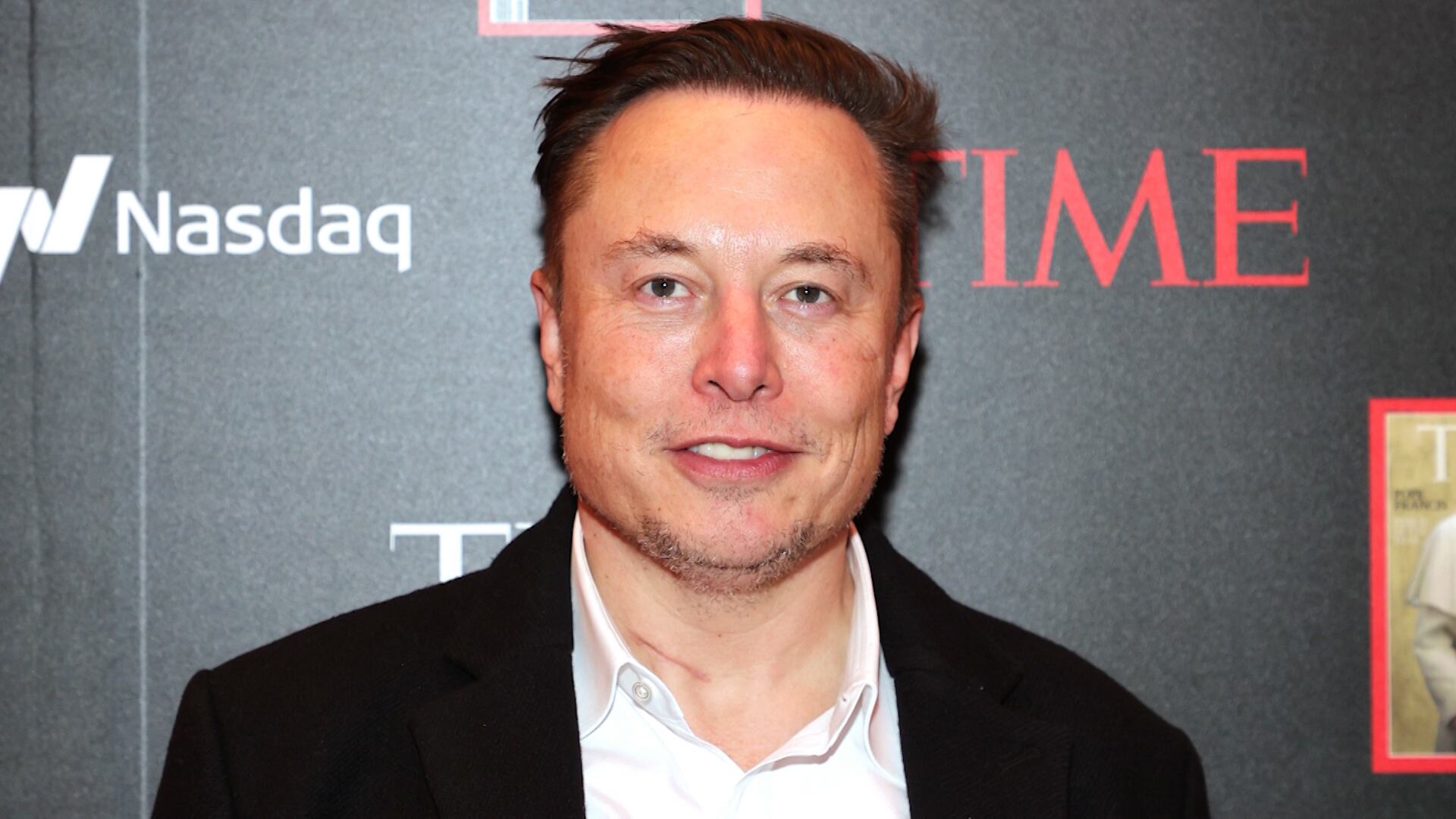
Billionaire Elon Musk made waves after revealing he's making an attempt at a hostile takeover of the social media platform Twitter. The Tesla CEO is offering $43 billion to buy the social media platform outright with "freedom of speech" allegedly at the forefront of his agenda. Dan Ives, managing director of equity research at Wedbush Securities, is taking the tech entrepreneur seriously. "I think through many twists and turns over the coming months, he ultimately ends up owning Twitter because Twitter's board, their back is going to be against the wall," he said.
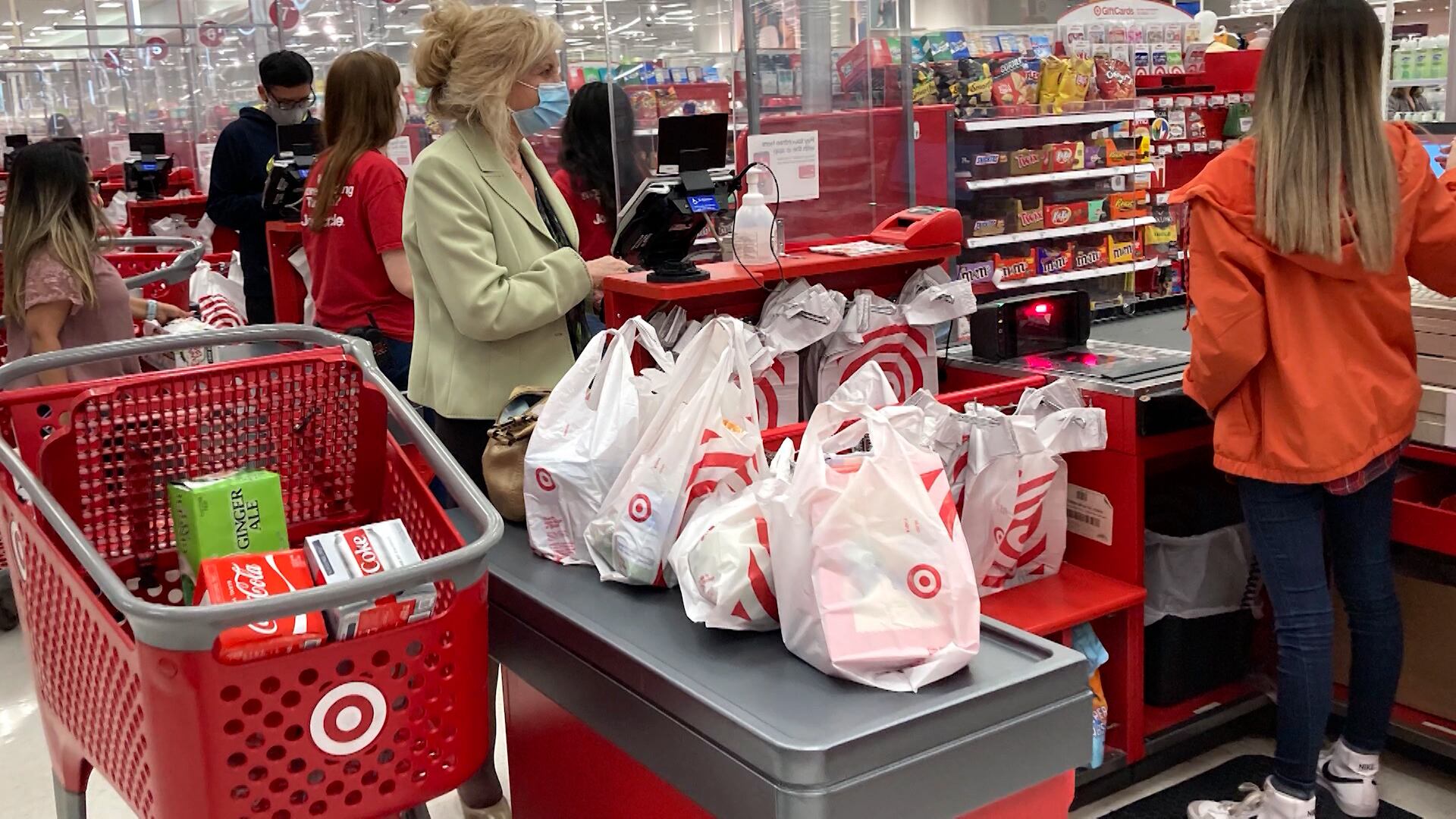
Retail sales grew 0.5 percent in March, largely being attributed to the rise in gas prices. Jharonne Martis, director of consumer research at Refinitiv, joined Cheddar News to discuss why consumer confidence has remained strong despite high prices. "What's holding on the consumer is the strong employment market that we have right now in the United States, which is one of the strongest we had in a very long time. If consumers feel that they are secure in their job, they're going to continue to spend," she said. However, Martis noted that signs that consumer spending is slowing down are already visible as well.
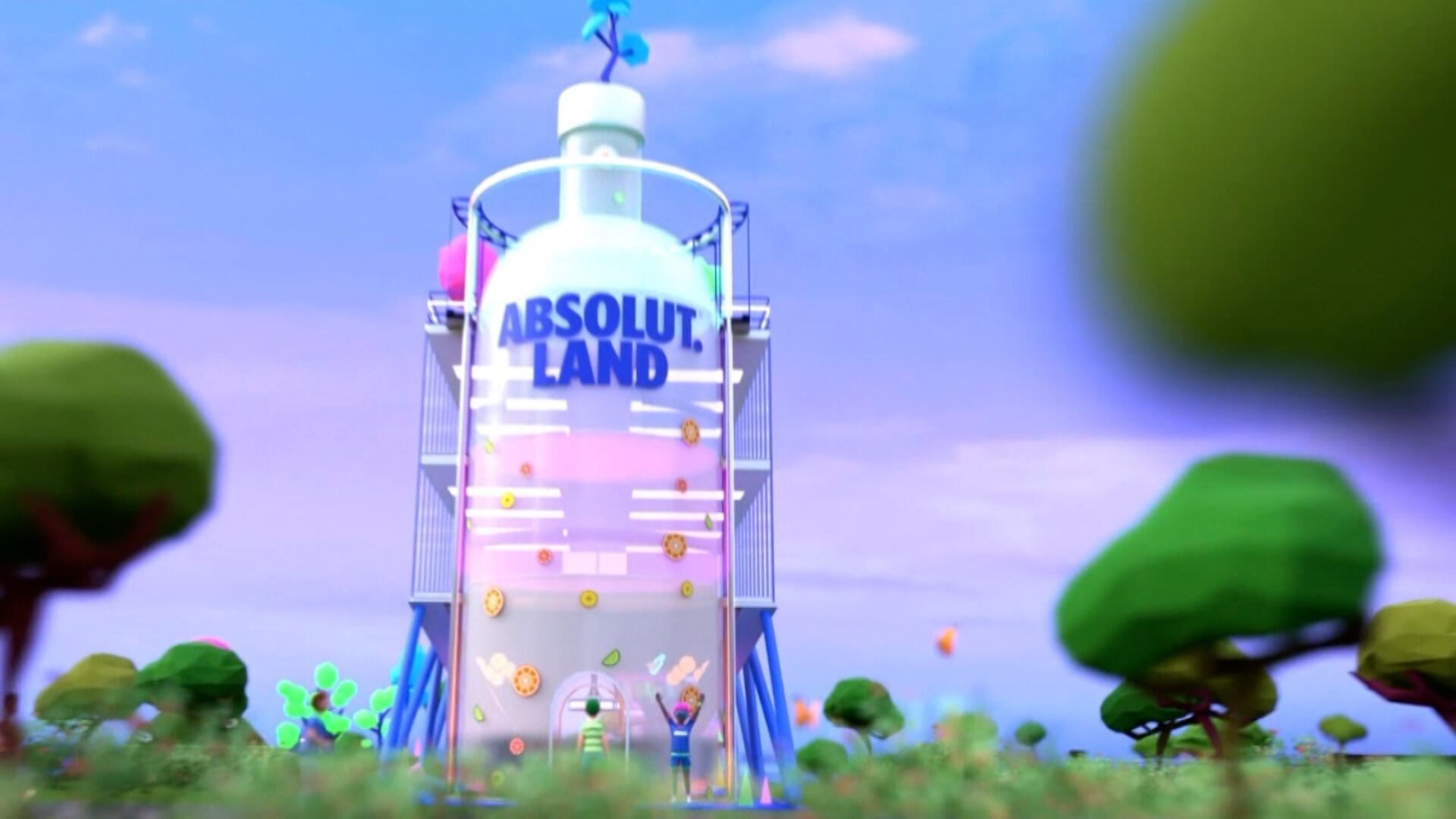
Ann Mukherjee, the chairman and CEO of Pernod Ricard North America, joined Cheddar News to talk about Absolut Vodka’s decade-long partnership with the music festival Coachella. Perno Ricard's vodka brand has built the virtual world Absolutland in the Decentraland metaverse for users to explore. "We actually have a vending machine where you can actually purchase the cocktails that will be delivered right to your home," she said. The brand will also be featuring festival headliner Swedish House Mafia.
The tax deadline in the U.S. is on April 18 this year, and some filers may still not be able to complete their return by then. Cheddar has partnered with Jackson Hewitt to let you know what you can do should you blow the deadline.
With tax day just five days away, David Ragland, Certified Financial Planner, Certified Divorce Financial Analyst and Chief Executive Officer of IRC Wealth joined Cheddar's Opening Bell to break down everything you need to know ahead of the upcoming tax deadline.