Earth Day comes around once a year, but investors can put their money to work to combat climate change year-round.
As more individuals come to terms with the existential threat of climate change, sustainable investing is no longer niche. It's gone mainstream, and it's a growing force in the capital markets.
An often cited 2019 survey from Morgan Stanley found that 85 percent of investors with at least $100,000 in investable assets were interested in sustainable investing.
Some 48 percent of investors with $10,000 or more invested said they were "very or somewhat" interested in sustainable investment funds, according to a 2022 Gallup poll. But only 25 percent said they'd heard "a lot or fair amount" about it, and only 10 percent said they were currently invested in sustainable funds.
Not only is familiarity with sustainable investing low, concepts like ESG can be confusing. ESG refers to "environmental, social, and governance." It's a set of standards used to evaluate companies through a social lens, but a study from Stanford University found ESG ratings can be unreliable because there isn't a standardized criteria for evaluation, information gathering is expensive, and data can be incomplete or unreliable.
Peter Krull, a partner and director of sustainable investing at Prime Capital Investment Advisors company Earth Equity Advisors, echoed those concerns.
"An ESG portfolio that reduces its exposure to ExxonMobil is less bad. One that eliminates it entirely is better. But one that replaces it with First Solar is actually sustainable," Krull told Cheddar News.
Krull recommended sustainable investors eliminate fossil fuel companies or funds that contain them from their portfolios altogether, but other sectors aren't so cut and dried. Mining operations, for example, can mine fossil fuels, but they can also mine minerals for electric vehicle batteries. As for what goes into a green portfolio, Krull recommended alternative energy companies that focus on solar, wind, and geothermal power, as well as less obvious choices like insurance companies that consider climate risk and biotech that improves health outcomes.
"I like to call traditional index investing rearview mirror investing because it's really about investing in where we've been or where the economy has been. Whereas sustainable investing is where the economy is going," Krull said.
Being a smart and sustainable investor can require a great deal of critical thinking and research, and Krull recommended tools like Fossil Free Funds and Invest Your Values to help sort through the noise.
Ultimately, investing is about generating a return. When it comes to sustainable investing, Krull also suggested that investors think long term.
"Because sustainable investing is about investing for the future, [investments are] not always going to be up, especially when value investing is in style," he said. "Over the long term, it should play out. But in short terms, just like we're dealing with right now over the last 12 to 18 months, that value has been in style, you probably will underperform a little bit."
Amalgamated Bank is the first U.S. bank to publish science-based targets to reach net-zero greenhouse gas emissions by 2045. The bank says it will reach this goal through how it engages with customers and how it finances projects. Amalgamated Bank Chief Sustainability Officer Ivan Frishberg joined Cheddar Climate to provide more details about the bank's ambitious climate goals.
After years of dodging Congressional hearings about accusations that they have lied to the public about climate change and spread disinformation, executives from big oil companies are set to testify Thursday before a House committee. Maxine Joselow, anchor of the Washington Post's Climate 202 newsletter, joins Cheddar Climate to preview what we might hear from big oil executives, who will be testifying, and whether or not big oil companies will continue to commit to their small, climate-focused initiatives.
COP26 been dealt a blow as Chinese President Xi Jinping and Russian President Vladimir Putin, whose countries are responsible for a third of the world's annual greenhouse gas emissions, will not be in attendance. Bertrand Piccard, Chairman and Founder of the Solar Impulse Foundation, joins Cheddar Climate, where he discusses what he expects to see when the summit commences in Glasgow.
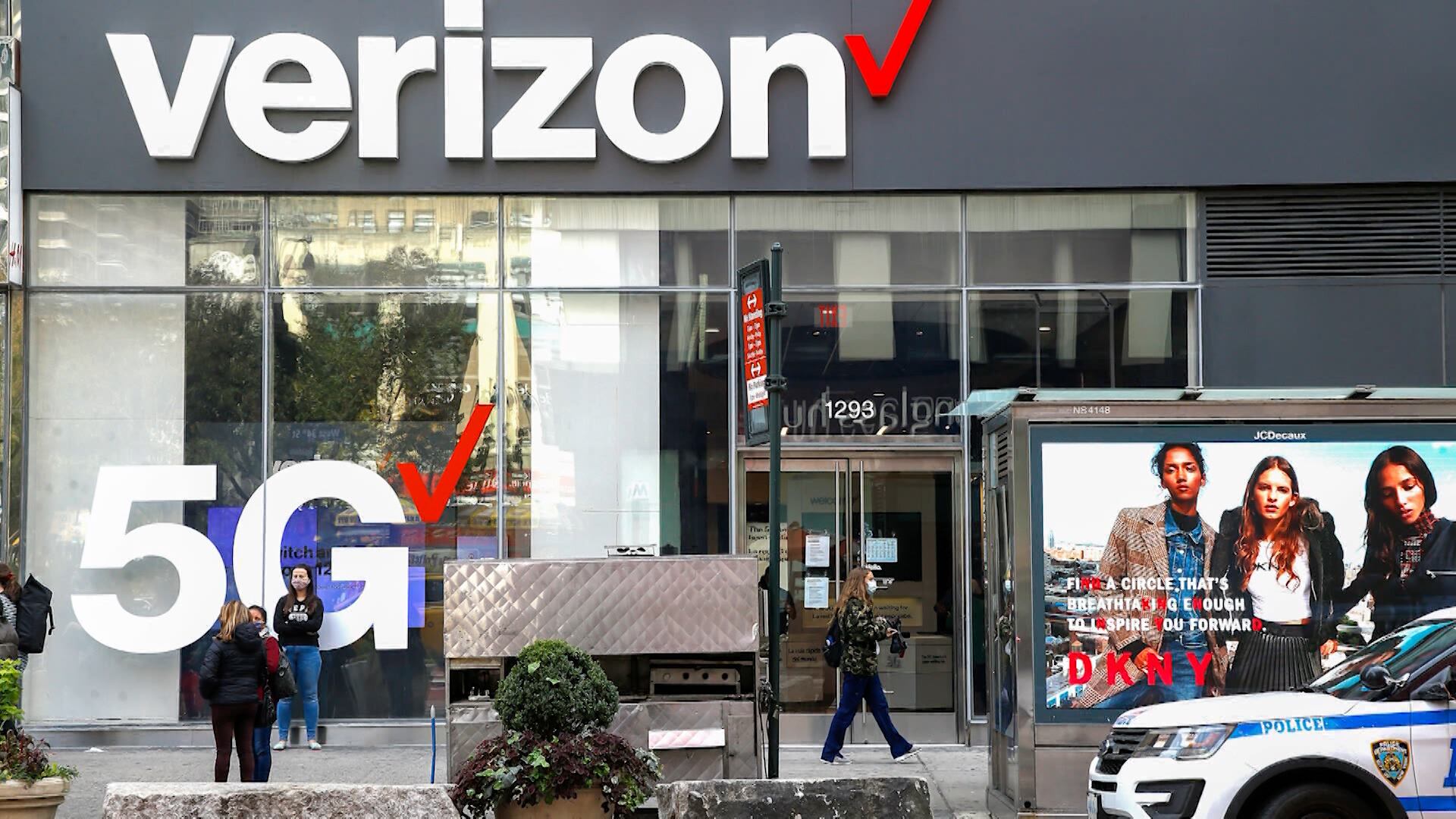
Verizon is teaming with Amazon's Project Kuiper low-orbit satellites to help improve communications and internet connectivity. Sampath Sowmyanarayan, chief revenue officer for Verizon Business, joined Cheddar to talk about the relationship with Amazon and what customers can expect from the strategic partnership. He noted that the 5G expansion via the satellite network will benefit rural communities where internet and wireless access remains difficult.
Norm Champ, Former Director of the Division of Investment Management at the SEC & Author of 'Mastering Money: How to Beat Debt, Build Wealth, and Be Prepared for Any Financial Crisis', joins Cheddar News to help break down what you need to know to find the right online brokerage.
Social media platforms TikTok, Snapchat, and YouTube are facing questions in DC about consumer protections, data security, and product safety for young users. Emily Birnbaum, tech lobbying and influence reporter at Politico, joined Cheddar to provide some background into what led to the congressional hearing and the potential outcome. Birnbaum noted that social media platforms have been attempting to distance themselves from Facebook and the ongoing bad press it garnered in recent months.
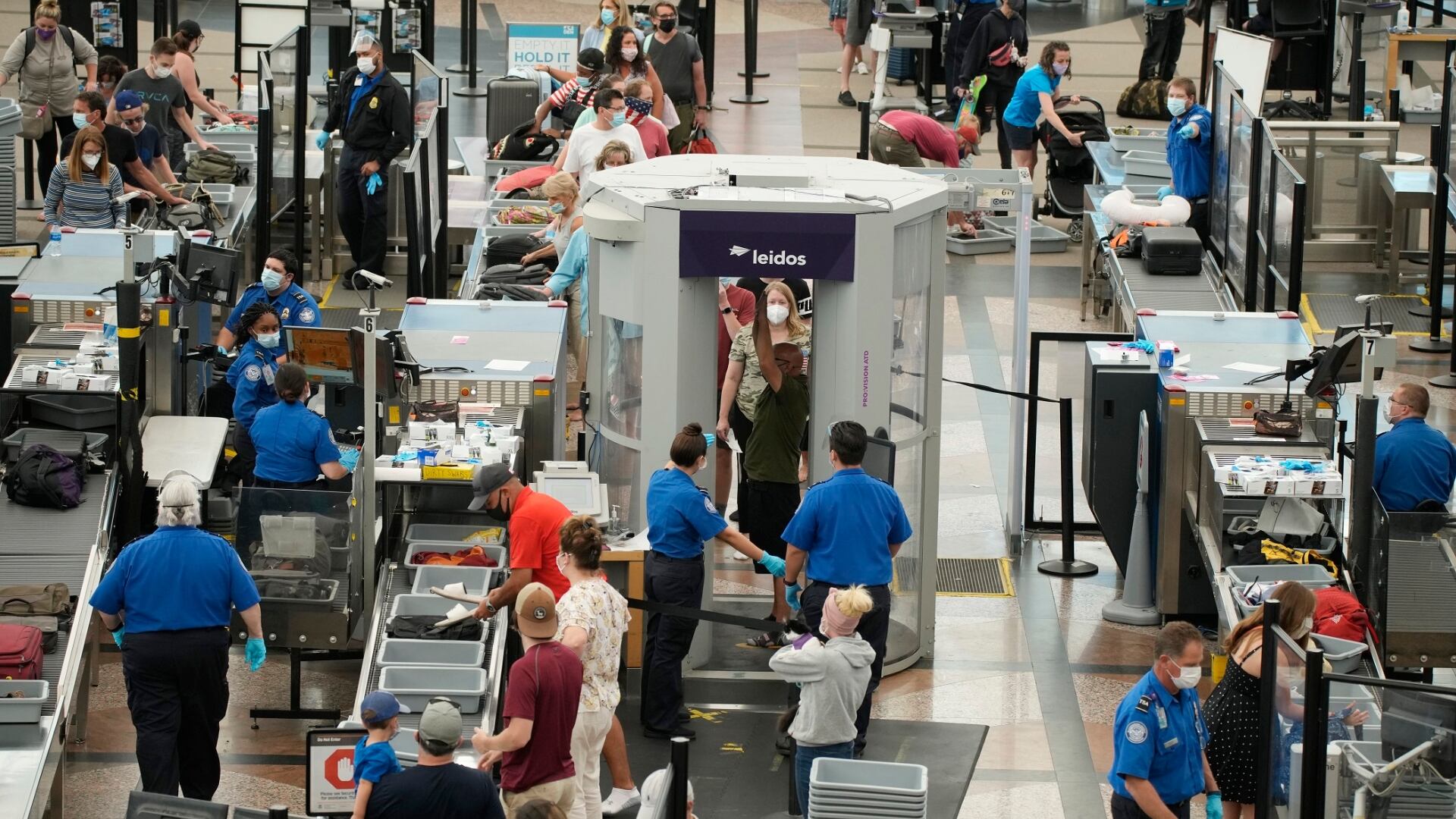
Beginning in November, fully vaccinated international travelers will be able to enter the United States after months of travel restrictions. People under the age of 18 and those from countries without easy access to vaccines will not be required to be vaccinated but all travelers will need to show negative COVID test results before entering.
On this episode of Cheddar Reveals, Tim LeBel, President of Sales and Chief Halloween Officer at Mars Wrigley, discusses the M&M's 80th birthday, what goes into maintaining an iconic brand, and how Mars Wrigley plans for future Halloweens.; Deacon Hayes, founder of Well Kept Wallet, joins to break down how 2021 Halloween spending compares to previous years and how to best prepare for the influx of holiday spending.; Cheddar gets a look at Curiosity Stream's 'Witches: A Century of Murders.'
Cisco's Webex Hologram is looking to transform workspaces with augmented reality technology. Jeetu Patel, EVP and general manager of security and collaboration at Cisco, joined Cheddar to provide some details about the virtual workspace and discuss the industries that might benefit most from it. "We're in the era of flexibility and choice and inclusivity, where people want to make sure that they can work on their terms so that they've got complete flexibility in how they structure the day," Patel said.