Earth Day comes around once a year, but investors can put their money to work to combat climate change year-round.
As more individuals come to terms with the existential threat of climate change, sustainable investing is no longer niche. It's gone mainstream, and it's a growing force in the capital markets.
An often cited 2019 survey from Morgan Stanley found that 85 percent of investors with at least $100,000 in investable assets were interested in sustainable investing.
Some 48 percent of investors with $10,000 or more invested said they were "very or somewhat" interested in sustainable investment funds, according to a 2022 Gallup poll. But only 25 percent said they'd heard "a lot or fair amount" about it, and only 10 percent said they were currently invested in sustainable funds.
Not only is familiarity with sustainable investing low, concepts like ESG can be confusing. ESG refers to "environmental, social, and governance." It's a set of standards used to evaluate companies through a social lens, but a study from Stanford University found ESG ratings can be unreliable because there isn't a standardized criteria for evaluation, information gathering is expensive, and data can be incomplete or unreliable.
Peter Krull, a partner and director of sustainable investing at Prime Capital Investment Advisors company Earth Equity Advisors, echoed those concerns.
"An ESG portfolio that reduces its exposure to ExxonMobil is less bad. One that eliminates it entirely is better. But one that replaces it with First Solar is actually sustainable," Krull told Cheddar News.
Krull recommended sustainable investors eliminate fossil fuel companies or funds that contain them from their portfolios altogether, but other sectors aren't so cut and dried. Mining operations, for example, can mine fossil fuels, but they can also mine minerals for electric vehicle batteries. As for what goes into a green portfolio, Krull recommended alternative energy companies that focus on solar, wind, and geothermal power, as well as less obvious choices like insurance companies that consider climate risk and biotech that improves health outcomes.
"I like to call traditional index investing rearview mirror investing because it's really about investing in where we've been or where the economy has been. Whereas sustainable investing is where the economy is going," Krull said.
Being a smart and sustainable investor can require a great deal of critical thinking and research, and Krull recommended tools like Fossil Free Funds and Invest Your Values to help sort through the noise.
Ultimately, investing is about generating a return. When it comes to sustainable investing, Krull also suggested that investors think long term.
"Because sustainable investing is about investing for the future, [investments are] not always going to be up, especially when value investing is in style," he said. "Over the long term, it should play out. But in short terms, just like we're dealing with right now over the last 12 to 18 months, that value has been in style, you probably will underperform a little bit."
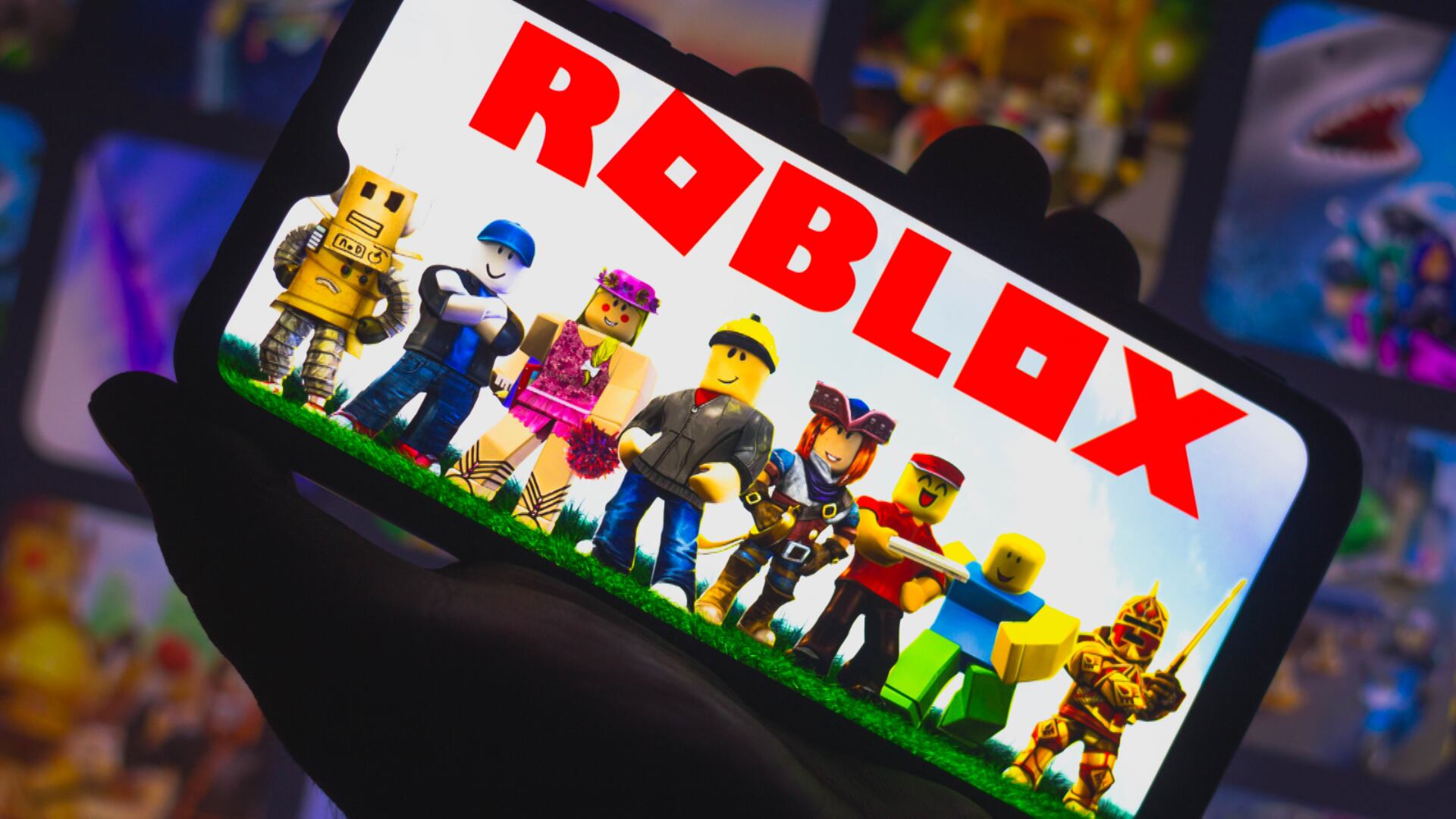
The popular online gaming platform for kids, Roblox, is reportedly expanding its offerings into the educational space. Ayal Shmilovich, managing partner at Gerber Kawasaki Wealth Investment Management, joined Cheddar to provide some insight into the report from the Wall Street Journal and how Roblox plans to incorporate the metaverse concept into schools. "I definitely think it helps them expand their market to a much broader audience," Shmilovich added. He also noted that Minecraft has 35 million users on its educational platform and was even more optimistic about Roblox's prospects.
Stocks closed higher as the retail sector showed continued strength - including higher retail sales data in October and strong earnings for big-box retailers Walmart and Home Depot, which lifted the Dow. Lance Ippolito, head trader at the Future Of Wealth, joins Cheddar News' Closing Bell to discuss today's close, where investors should look for growth, and how the electric vehicle space will drive markets.
Bitcoin hit a new high last week, rising above $68,000. But the coin has tumbled since, and it's not the only coin under pressure. Crypto is down today across the board. Bobby Zagotta, CEO of Bitstamp USA, joins Cheddar News' Closing Bell to discuss the possible reasons why Bitcoin has slumped, how President Joe Biden's new crypto tax clause will impact investors, and more.
The Green Bay Packers are selling shares of their stock for just the sixth time in its 102-year history. The Packers are the only major professional sports team in the U.S. that is publicly owned and not-for-profit. Now, it is offering 300,000 shares at $300 apiece; however, fans who become shareholders will not have much power, as the Packers' stock is not technically a stock. Washington Post sports reporter Des Bieler joins Cheddar News' Closing Bell to discuss.
Katie Thomas, lead at Kearney Consumer Institute, joined Cheddar to talk about Walmart's Q3 earnings beat and what it means for the larger retail industry ahead of the gift-giving season. "Getting strong numbers from Walmart and from the retail sector overall is good news going into the holiday season. It shows that even though despite some of the news around supply constraints, consumers are still getting out there and shopping," she said. With the holiday rush nearly setting in, Thomas said a clearer view of the economy will be found after Q4 results are posted, giving some time to account for how well businesses were able to maintain amid supply constraints.
Inflation has risen to its highest level in 31 years, sending consumer prices on everything from groceries to gas to rent surging. For many businesses, that's good news as inflation typically means better profit margins. According to data from FactSet, nearly two out of three of the biggest U.S. publicly traded companies have reported fatter profit margins so far this year compared to the same stretch of 2019, before the pandemic. Gregory Daco, chief U.S. economist for Oxford Economics, breaks down how the top businesses are reaping the benefits of inflation, and when consumers can expect inflation to ease.
As the U.S. opens its borders to vaccinated international travelers after months of restrictions, the hospitality industry is preparing for a comeback. Radha Arora, President and Co-Chief Development Officer, Rosewood Hotel Group joined Cheddar's Opening Bell to discuss his outlook for the broader travel industry.
Dominick Reuter, Senior Reporter at Insider, breaks down the challenges within the labor market, and how unionization and inflation are impacting the future of work.
Roblox is getting into education. The gaming platform is investing $10 million into developing educational video games for middle schools, high schools, and colleges across the country. This marks the first time Roblox is putting money into developing games for the platform, and it comes as Roblox also plans to build a stake in the metaverse. Sarah Needleman, technology reporter for The Wall Street Journal, breaks it all down for Cheddar.