Earth Day comes around once a year, but investors can put their money to work to combat climate change year-round.
As more individuals come to terms with the existential threat of climate change, sustainable investing is no longer niche. It's gone mainstream, and it's a growing force in the capital markets.
An often cited 2019 survey from Morgan Stanley found that 85 percent of investors with at least $100,000 in investable assets were interested in sustainable investing.
Some 48 percent of investors with $10,000 or more invested said they were "very or somewhat" interested in sustainable investment funds, according to a 2022 Gallup poll. But only 25 percent said they'd heard "a lot or fair amount" about it, and only 10 percent said they were currently invested in sustainable funds.
Not only is familiarity with sustainable investing low, concepts like ESG can be confusing. ESG refers to "environmental, social, and governance." It's a set of standards used to evaluate companies through a social lens, but a study from Stanford University found ESG ratings can be unreliable because there isn't a standardized criteria for evaluation, information gathering is expensive, and data can be incomplete or unreliable.
Peter Krull, a partner and director of sustainable investing at Prime Capital Investment Advisors company Earth Equity Advisors, echoed those concerns.
"An ESG portfolio that reduces its exposure to ExxonMobil is less bad. One that eliminates it entirely is better. But one that replaces it with First Solar is actually sustainable," Krull told Cheddar News.
Krull recommended sustainable investors eliminate fossil fuel companies or funds that contain them from their portfolios altogether, but other sectors aren't so cut and dried. Mining operations, for example, can mine fossil fuels, but they can also mine minerals for electric vehicle batteries. As for what goes into a green portfolio, Krull recommended alternative energy companies that focus on solar, wind, and geothermal power, as well as less obvious choices like insurance companies that consider climate risk and biotech that improves health outcomes.
"I like to call traditional index investing rearview mirror investing because it's really about investing in where we've been or where the economy has been. Whereas sustainable investing is where the economy is going," Krull said.
Being a smart and sustainable investor can require a great deal of critical thinking and research, and Krull recommended tools like Fossil Free Funds and Invest Your Values to help sort through the noise.
Ultimately, investing is about generating a return. When it comes to sustainable investing, Krull also suggested that investors think long term.
"Because sustainable investing is about investing for the future, [investments are] not always going to be up, especially when value investing is in style," he said. "Over the long term, it should play out. But in short terms, just like we're dealing with right now over the last 12 to 18 months, that value has been in style, you probably will underperform a little bit."
Cheddar Innovates gets a look at the satellite that's searching for the earliest light from the big bang, plus a former Nike executive breaks down what the new era of sportswear looks like.
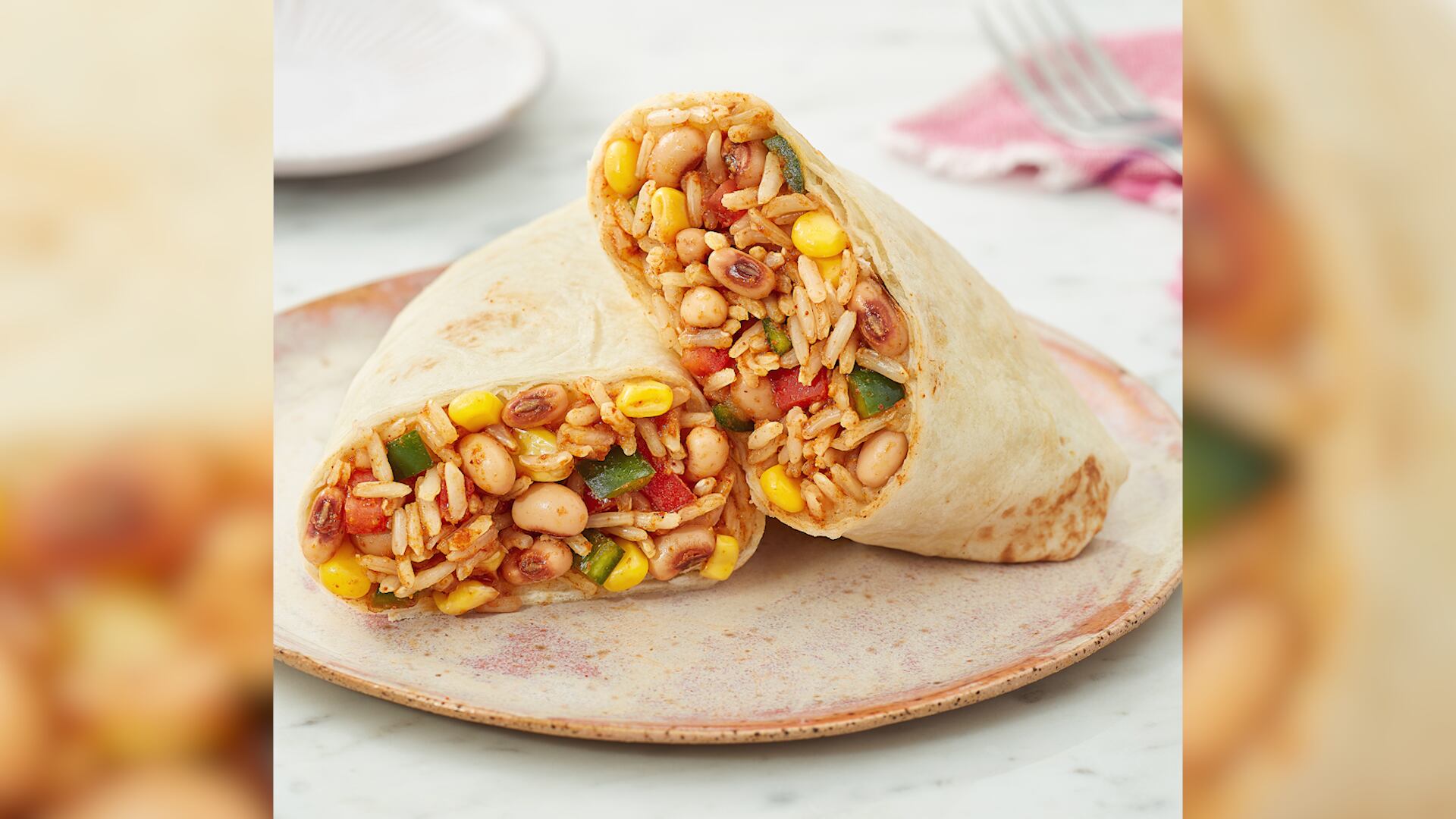
Research finds that the market for plant-based foods is worth $7 billion, but a lot of the plant-based and vegan options on our shelves aren't as healthy as they seem. Enter 'Cool Beans.' Tyler Mayoras joins Cheddar Innovates to talk about his whole-food, plant-based burrito brand.
Dominique Broadway, CEO and founder of Finances Demystified, joined Cheddar to talk about the rising number of buy now, pay later (BNPL) services that are available to online shoppers. She noted that the desire for instant gratification among younger shoppers is at least one driver behind these services but said that without restraint it can be easy to fall into a mountain of debt. However, Broadway said this reverse layaway concept could be a huge opportunity for small and medium-sized businesses to increase their sales.
Ford Pro has teamed up with Salesforce to launch 'VIIZR.' a new software service designed to help small businesses and tradespeople succeed. The newly launched tool will help small businesses simplify commercial activities including invoicing, scheduling and managing requests, from one integrated, cloud-based platform. Ted Cannis, CEO, Ford Pro, joined Cheddar to discuss.
The Great Resignation has shown some signs of slowing in October with the number of those who quit their jobs falling by 4.7 percent to 4.16 million. This comes as worker strikes and calls for unionization ramp up. Jane Oates, president at WorkingNation joined Cheddar's "Opening Bell" to discuss the implications.
Cresco, a publicly traded, vertically integrated cannabis and medical marijuana company, recently reported its third quarter earnings. The company met expectations for EDITDA, but slightly missed on revenue, and reported a pretty significant widening of losses this year compared to the same time last year. Charlie Bachtell, CEO of Cresco Labs, joined Cheddar to explain what happened and his hopes for the future of the company.
a new study by The Buy Safe America Coalition shows retail theft has ballooned to over $68 billion per year. Most of these thefts are the result of something called organized retail crime. Those stolen goods are resold to unsuspecting consumers, often on popular online marketplaces like Facebook marketplace, eBay, OfferUp, and letgo. Mike Combs, Director of Organized Retail Crime Investigations at The Home Depot, joined Cheddar to discuss organized retail crime, how to identify it, and what can be done to stop it.
MARLOWE., the men's skincare and grooming brand, has announced 23-year-old professional boxer Ryan Garcia as "Chief Marlowe Officer" and co-owner of the brand. In this role, Ryan will help boost brand awareness, oversee product design, and strategize digital marketing content for his signature products. Ryan joined Cheddar to discuss the partnership and his boxing career.
Online broker TradeStation Group has landed on Wall Street. The company went public via SPAC deal, valuing the combined venture at $1.4 billion. John Bartleman , President & CEO TradeStation Group, Inc. joined Cheddar's Opening Bell to discuss.
Samsung is getting a major shake-up. In its biggest reshuffle since 2017, the South Korean company is merging its mobile and consumer electronics divisions and replacing its three CEOs with two new leaders. The move is seen as an effort to simplify its structure and focus more on the semiconductor business. Paulina Likos, investing reporter for U.S. News & World Report, explains why Samsung is merging these two units now, and its potential priorities moving forward.