Earth Day comes around once a year, but investors can put their money to work to combat climate change year-round.
As more individuals come to terms with the existential threat of climate change, sustainable investing is no longer niche. It's gone mainstream, and it's a growing force in the capital markets.
An often cited 2019 survey from Morgan Stanley found that 85 percent of investors with at least $100,000 in investable assets were interested in sustainable investing.
Some 48 percent of investors with $10,000 or more invested said they were "very or somewhat" interested in sustainable investment funds, according to a 2022 Gallup poll. But only 25 percent said they'd heard "a lot or fair amount" about it, and only 10 percent said they were currently invested in sustainable funds.
Not only is familiarity with sustainable investing low, concepts like ESG can be confusing. ESG refers to "environmental, social, and governance." It's a set of standards used to evaluate companies through a social lens, but a study from Stanford University found ESG ratings can be unreliable because there isn't a standardized criteria for evaluation, information gathering is expensive, and data can be incomplete or unreliable.
Peter Krull, a partner and director of sustainable investing at Prime Capital Investment Advisors company Earth Equity Advisors, echoed those concerns.
"An ESG portfolio that reduces its exposure to ExxonMobil is less bad. One that eliminates it entirely is better. But one that replaces it with First Solar is actually sustainable," Krull told Cheddar News.
Krull recommended sustainable investors eliminate fossil fuel companies or funds that contain them from their portfolios altogether, but other sectors aren't so cut and dried. Mining operations, for example, can mine fossil fuels, but they can also mine minerals for electric vehicle batteries. As for what goes into a green portfolio, Krull recommended alternative energy companies that focus on solar, wind, and geothermal power, as well as less obvious choices like insurance companies that consider climate risk and biotech that improves health outcomes.
"I like to call traditional index investing rearview mirror investing because it's really about investing in where we've been or where the economy has been. Whereas sustainable investing is where the economy is going," Krull said.
Being a smart and sustainable investor can require a great deal of critical thinking and research, and Krull recommended tools like Fossil Free Funds and Invest Your Values to help sort through the noise.
Ultimately, investing is about generating a return. When it comes to sustainable investing, Krull also suggested that investors think long term.
"Because sustainable investing is about investing for the future, [investments are] not always going to be up, especially when value investing is in style," he said. "Over the long term, it should play out. But in short terms, just like we're dealing with right now over the last 12 to 18 months, that value has been in style, you probably will underperform a little bit."
Andrew Hawkins, transportation editor at The Verge, joins Cheddar News' closing Bell, where he breaks down FedEx's EV truck delivery from GM's BrightDrop Company while also discussing the shipping giant's strategy following its latest earnings report.
Alinda Mashiku, Conjunction Analysis and Risk Assessment Deputy Manager at the NASA Goddard Space Flight Center, joins Future of Space: Humankind's Leap Forward to explain how space debris is threatening operations in space at a time when more satellites are being deployed.
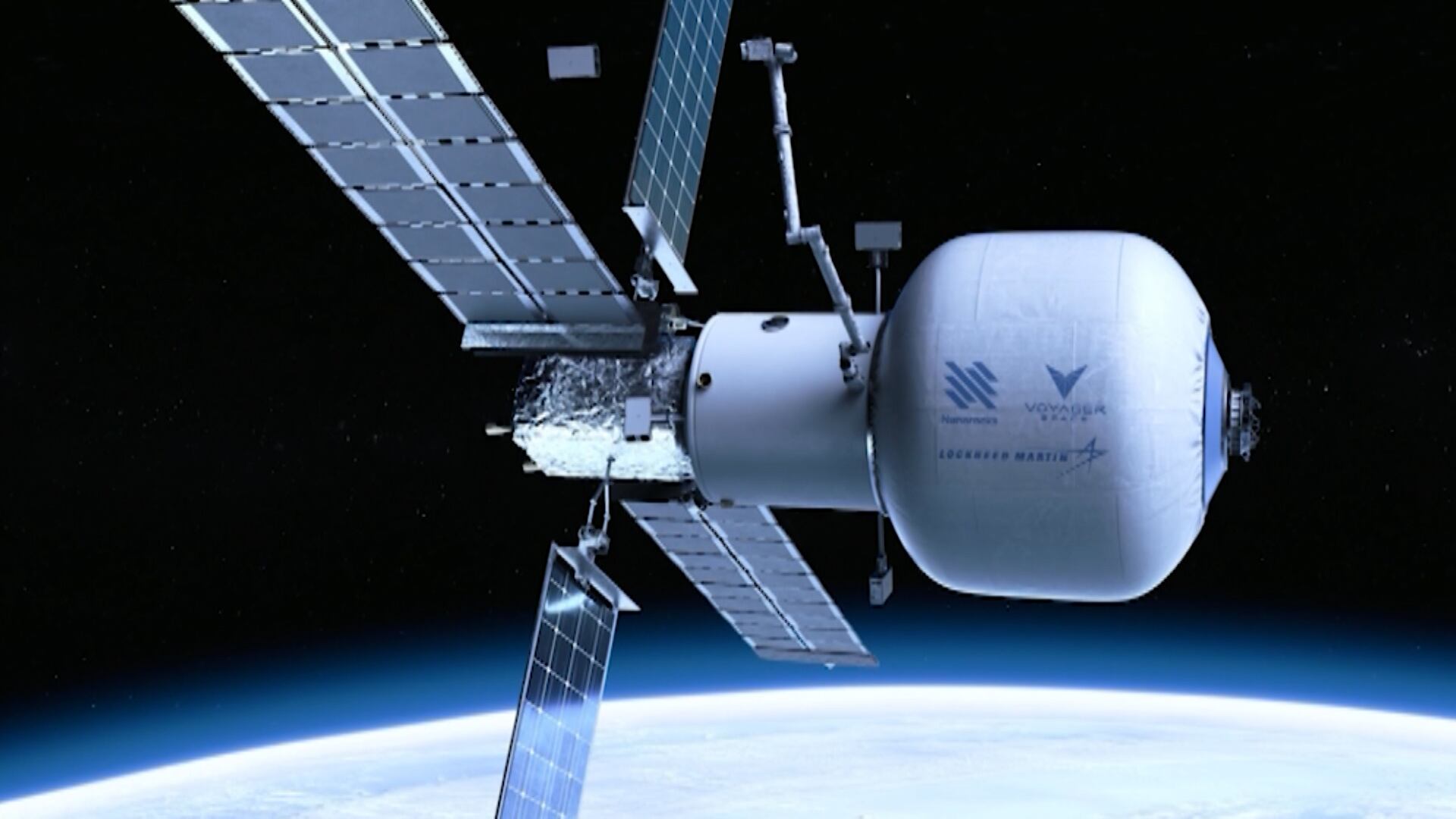
Marshall Smith, Senior Vice President of Space Systems at Nanoracks and Kirk Shireman, Vice President of the Lunar Exploration Campaign at Lockheed Martin join Future of Space: Humankind's Leap Forward to discuss upcoming plans for developing their Starlab commercial space station after being awarded a $160 million contract by NASA.
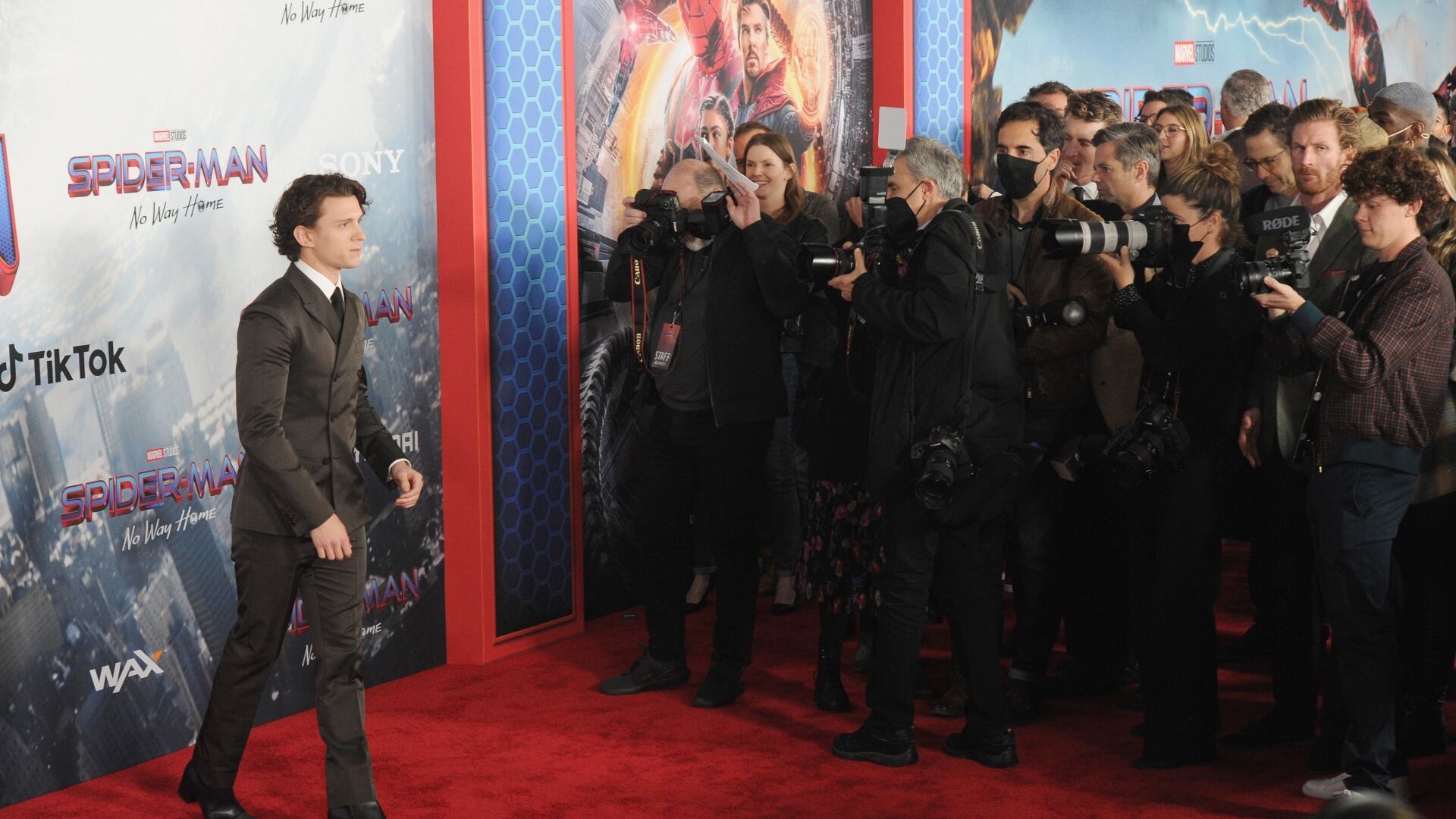
Both AMC and Cinemark shares rose Friday after a pandemic-era record number of moviegoers attended the 'Spider-Man: No Way Home' opening night. The movie is expected to pull at least $150 million in box office sales opening weekend. But is this momentum enough for theater chains as the COVID-19 omicron variant poses new threats? Daniel Loria, Editorial Director at Boxoffice PRO, joins Cheddar News' Closing Bell to discuss.
The billionaire space race took off in 2021, making major strides in space tourism. That growth is only expected to skyrocket in the next year, as the government and private institutions and companies look to shape the final frontier's exploration. Cheddar News dives into the biggest moments of the year in space, and what comes next for space travel and tourism.
While other CEOs of Southwest and American Airlines questioned current mask mandates in front of Congress, Delta CFO Dan Janki in his exclusive interview with Cheddar, was more cautious about doing away with the safety measure. "We're right now at the beginning of another wave," he said. "This is probably not the time to change mask policy." Janki also discussed his airline's future in loyalty program pricing, international travel, meal services, and stock pricing.
E-commerce data platform Rokt is prepping for an IPO as it comes off of a $325 million Series E fundraise, and CEO Bruce Buchanan joined Cheddar to discuss the future of his company. He explained how Rokt uses data science to optimize the consumer experience with their clients and discussed the goal to go public in 2023. "We're at a size and scale now where it's important we can give liquidity to investors, we can use the public markets to attract more talent, and we can use the public markets also to go on and acquire more businesses," he said. "We think it's about time that we do list."
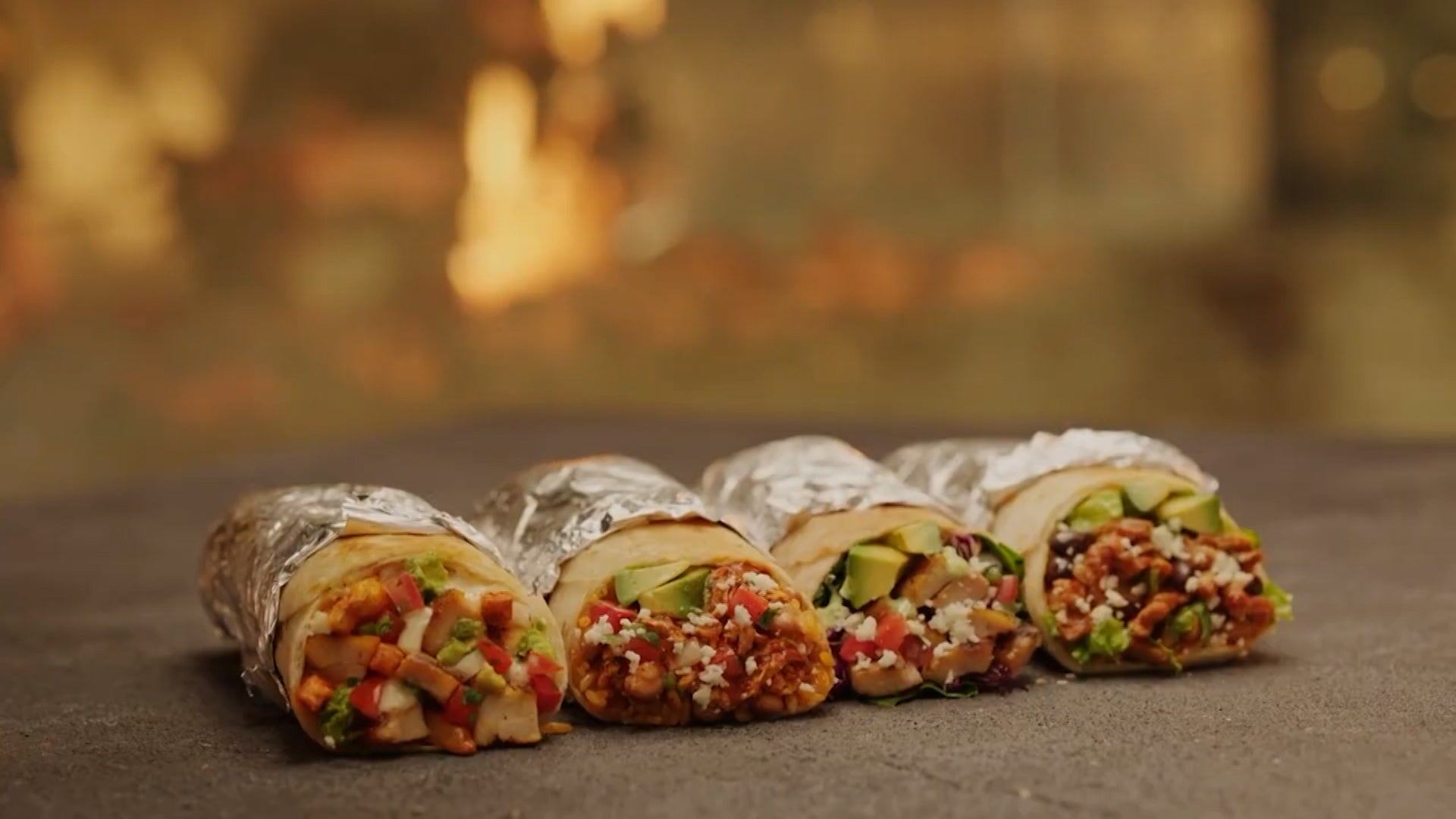
Rideshare company Lyft is following its competitor Uber into the food delivery market by partnering with Olo, the on-demand commerce platform, and its dispatch network. Joining Cheddar to discuss the team-up, Olo founder and CEO Noah Glass. "Consumers will be able to place orders through the same apps and websites they go to … and see delivery as an option," he said. "And Lyft is now one of the providers who may be picking up the order on behalf of the consumer and taking it from the restaurant to the consumer." Glass also stated that Olo optimizes deliveries without adding the burden of additional fees on the restaurant side.
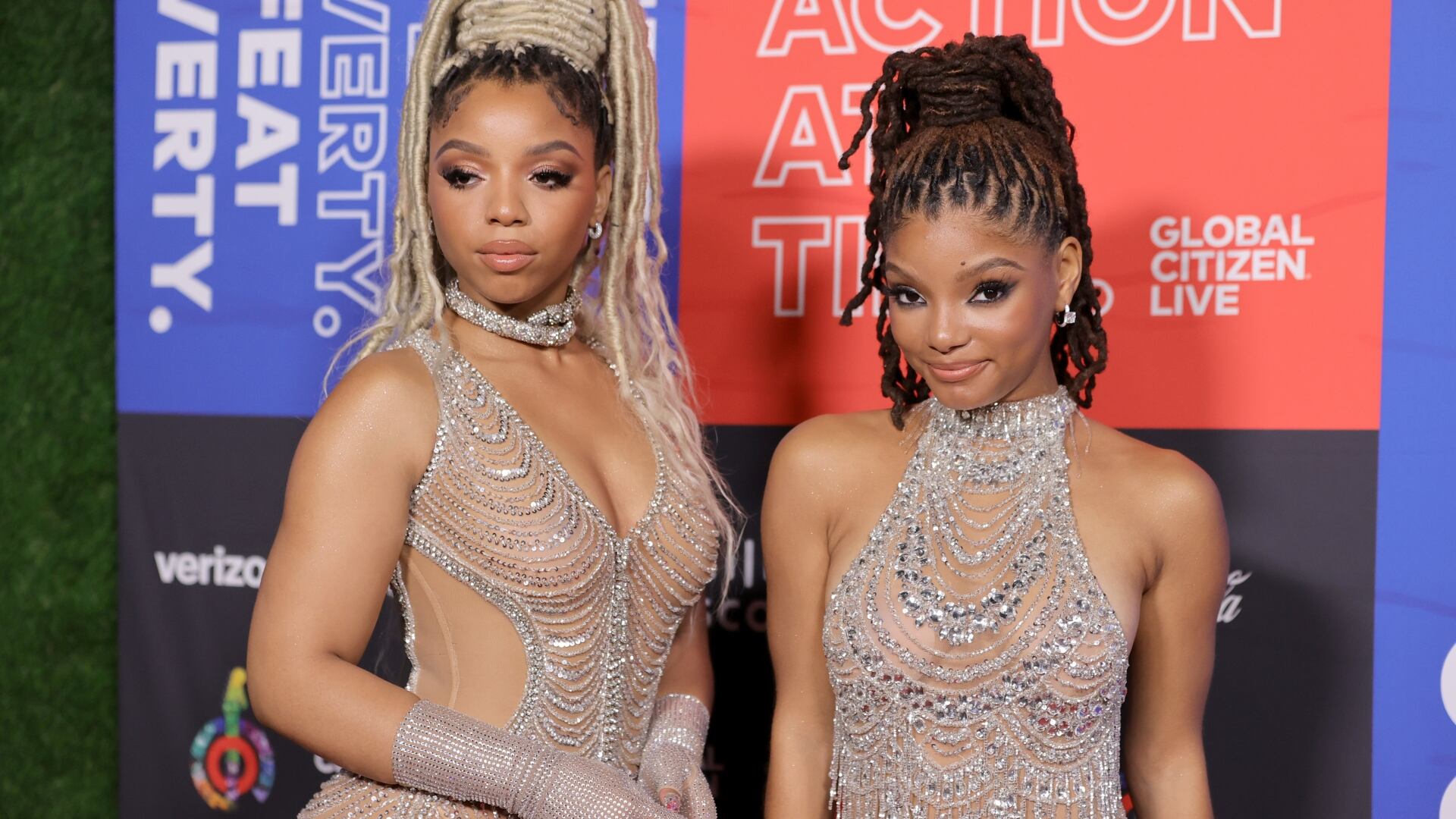
Chloe and Halle Bailey are no strangers to hard work. The sisters got their start performing covers on YouTube and have become a force in the music industry. Since then, the two have spread their wings beyond their duo group to individual projects. Now they're coming together to face off in the LG OLED Ultimate Gaming Showdown. Chloe and Halle join Cheddar News to discuss.