Earth Day comes around once a year, but investors can put their money to work to combat climate change year-round. 

As more individuals come to terms with the existential threat of climate change, sustainable investing is no longer niche. It's gone mainstream, and it's a growing force in the capital markets. 

An often cited 2019 survey from Morgan Stanley found that 85 percent of investors with at least $100,000 in investable assets were interested in sustainable investing.

Some 48 percent of investors with $10,000 or more invested said they were "very or somewhat" interested in sustainable investment funds, according to a 2022 Gallup poll. But only 25 percent said they'd heard "a lot or fair amount" about it, and only 10 percent said they were currently invested in sustainable funds. 

Not only is familiarity with sustainable investing low, concepts like ESG can be confusing. ESG refers to "environmental, social, and governance." It's a set of standards used to evaluate companies through a social lens, but a study from Stanford University found ESG ratings can be unreliable because there isn't a standardized criteria for evaluation, information gathering is expensive, and data can be incomplete or unreliable.

Peter Krull, a partner and director of sustainable investing at Prime Capital Investment Advisors company Earth Equity Advisors, echoed those concerns.

"An ESG portfolio that reduces its exposure to ExxonMobil is less bad. One that eliminates it entirely is better. But one that replaces it with First Solar is actually sustainable," Krull told Cheddar News.

Krull recommended sustainable investors eliminate fossil fuel companies or funds that contain them from their portfolios altogether, but other sectors aren't so cut and dried. Mining operations, for example, can mine fossil fuels, but they can also mine minerals for electric vehicle batteries. As for what goes into a green portfolio, Krull recommended alternative energy companies that focus on solar, wind, and geothermal power, as well as less obvious choices like insurance companies that consider climate risk and biotech that improves health outcomes.

"I like to call traditional index investing rearview mirror investing because it's really about investing in where we've been or where the economy has been. Whereas sustainable investing is where the economy is going," Krull said. 

Being a smart and sustainable investor can require a great deal of critical thinking and research, and Krull recommended tools like Fossil Free Funds and Invest Your Values to help sort through the noise.

Ultimately, investing is about generating a return. When it comes to sustainable investing, Krull also suggested that investors think long term.

"Because sustainable investing is about investing for the future, [investments are] not always going to be up, especially when value investing is in style," he said. "Over the long term, it should play out. But in short terms, just like we're dealing with right now over the last 12 to 18 months, that value has been in style, you probably will underperform a little bit."

Share:
More In Business
Sky Harbour Group to Land on NYSE Via SPAC Deal
Sky Harbour, a company developing private aviation infrastructure, is gearing up to land on Wall Street. The company announced plans to go public through a SPAC deal with Yellowstone Acquisition Company, valuing the combined venture at $777 million. The company will trade on the New York Stock Exchange as $SKYH.
Report: Dish, DirecTV Hold Merger Talks
Dish Network is reportedly in discussions to merge with DirecTV. According to the NY Post, the two sides are currently 'trying to iron out the details.' The competitors have had talks in the past -- over the course of the past 20 years, but those talks been halted by the DOJ over antitrust concerns. Lydia Moynihan, Business Reporter, NY Post joined Cheddar's Opening Bell to discuss.
Stocks Close Higher Amid Hot December CPI Report
Stocks closed higher Wednesday, with the Nasdaq making gains for the third day in a row despite this morning's CPI data showing inflation continues to run hot. The report showed that CPI ticked up to 7% in December, and while it was the biggest jump since 1982, the data was broadly in line with Wall Street's expectations. Mark Lehmann, CEO of JMP Securities, a Citizens Company, joins Cheddar News' Closing Bell to discuss today's close, the Fed's proposed monetary tightening, and more.
Behind the Latest Round of Empty Shelves at U.S. Supermarkets
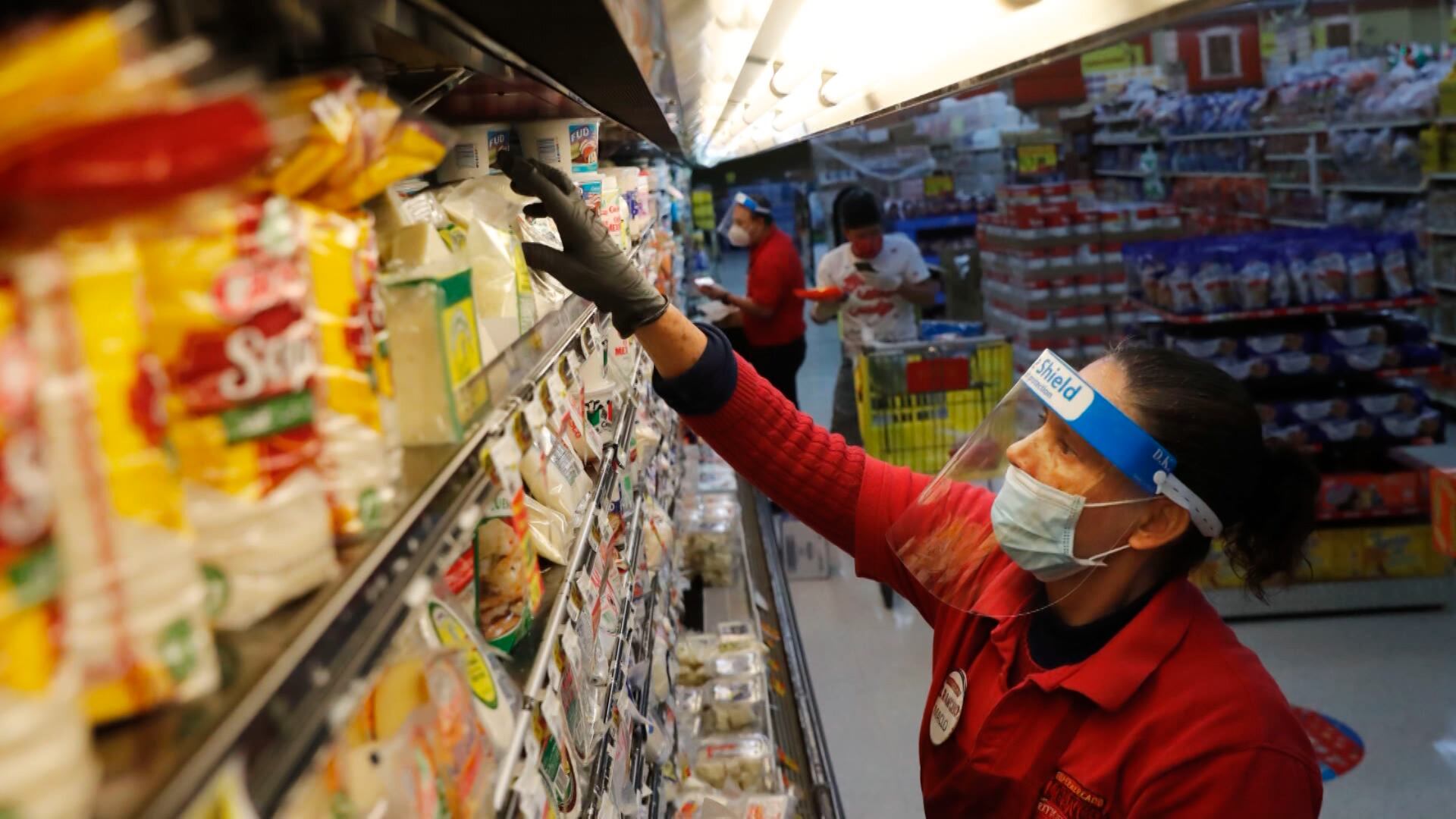
As more and more consumers are experiencing empty shelves at their grocery stores, Phil Lempert, editor of SupermarketGuru.com, spoke with Cheddar's Ken Buffa to discuss the changes in the supply chain that have trickled down into our grocery stores. "It's really three major factors: number one is climate change, number two is labor, and number three is transportation," he explained. Lempert also called on people to shop with local, independent grocers, calling it "critical to our infrastructure."
December CPI Data Shows Inflation Continues to Run Hot
CPI rose 7% from a year prior in December, showing that inflation has continued to increase at its fastest pace since June 1982. Consumers are feeling the pressure when it comes to food, apparel, and used car prices, but got some relief in December as energy prices ticked slightly lower month-over-month. How will this ongoing inflation streak impact U.S. monetary policy as the Federal Reserve says it's prepared to implement aggressive tactics like raising interest rates? John Leer, Chief Economist at Morning Consult, joins Cheddar News' Closing Bell to discuss December's CPI data, what it means for consumers, how the Federal Reserve can help limit inflation, and more.
Terraformation Raised $30 Million to Scale Global Forest Restoration Projects
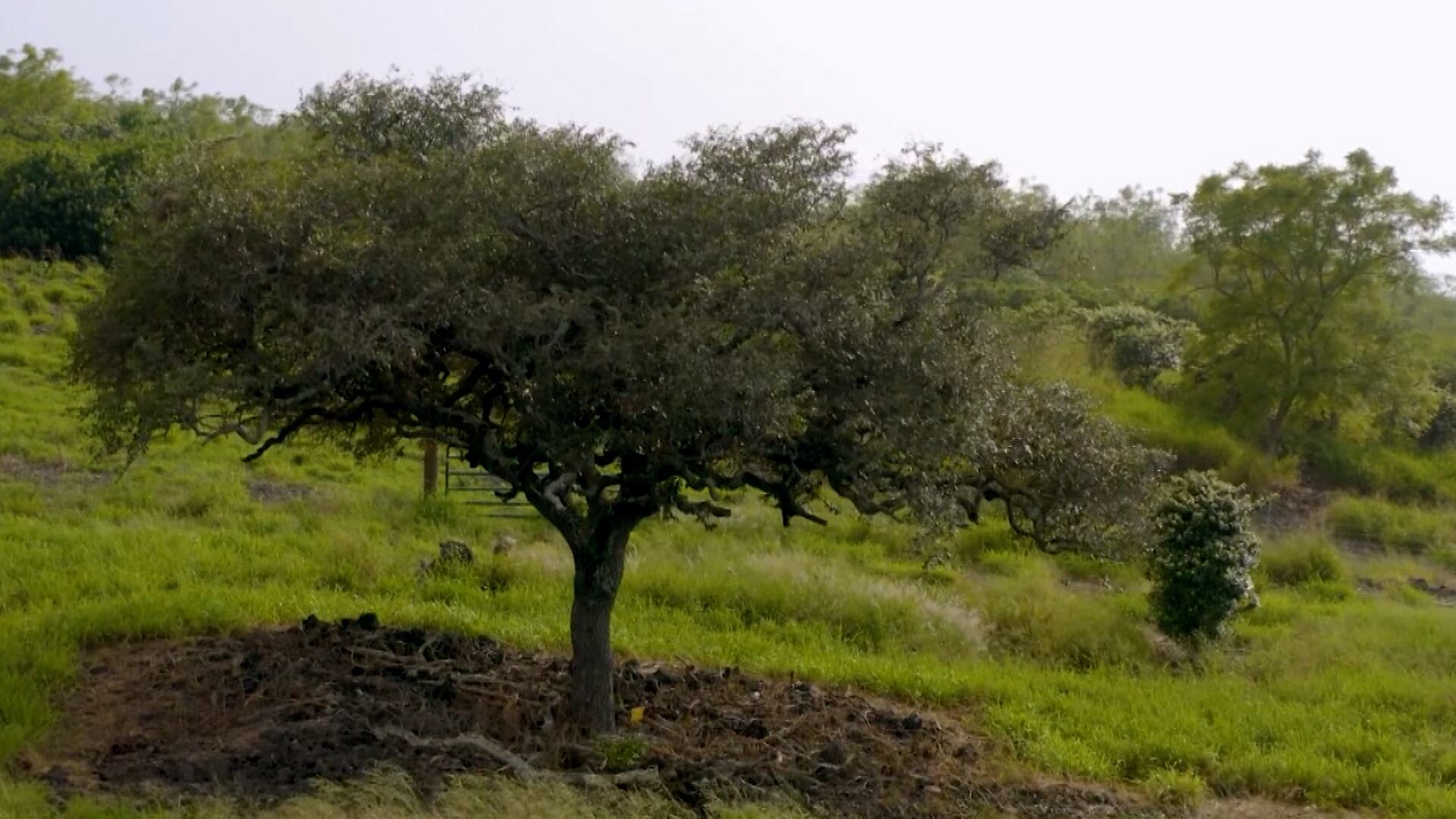
One startup is working to reverse climate change one seed at a time. Terraformation is a global forest accelerator that provides tools, training, financing, and business support to help scale forest restoration projects worldwide. Forests naturally absorb carbon and Terraformation says that reforestation is a safe, low-cost, and scalable solution to the climate crisis. Yee Lee, VP of growth at Terraformation, joins Cheddar Climate to discuss.
Load More