Earth Day comes around once a year, but investors can put their money to work to combat climate change year-round.
As more individuals come to terms with the existential threat of climate change, sustainable investing is no longer niche. It's gone mainstream, and it's a growing force in the capital markets.
An often cited 2019 survey from Morgan Stanley found that 85 percent of investors with at least $100,000 in investable assets were interested in sustainable investing.
Some 48 percent of investors with $10,000 or more invested said they were "very or somewhat" interested in sustainable investment funds, according to a 2022 Gallup poll. But only 25 percent said they'd heard "a lot or fair amount" about it, and only 10 percent said they were currently invested in sustainable funds.
Not only is familiarity with sustainable investing low, concepts like ESG can be confusing. ESG refers to "environmental, social, and governance." It's a set of standards used to evaluate companies through a social lens, but a study from Stanford University found ESG ratings can be unreliable because there isn't a standardized criteria for evaluation, information gathering is expensive, and data can be incomplete or unreliable.
Peter Krull, a partner and director of sustainable investing at Prime Capital Investment Advisors company Earth Equity Advisors, echoed those concerns.
"An ESG portfolio that reduces its exposure to ExxonMobil is less bad. One that eliminates it entirely is better. But one that replaces it with First Solar is actually sustainable," Krull told Cheddar News.
Krull recommended sustainable investors eliminate fossil fuel companies or funds that contain them from their portfolios altogether, but other sectors aren't so cut and dried. Mining operations, for example, can mine fossil fuels, but they can also mine minerals for electric vehicle batteries. As for what goes into a green portfolio, Krull recommended alternative energy companies that focus on solar, wind, and geothermal power, as well as less obvious choices like insurance companies that consider climate risk and biotech that improves health outcomes.
"I like to call traditional index investing rearview mirror investing because it's really about investing in where we've been or where the economy has been. Whereas sustainable investing is where the economy is going," Krull said.
Being a smart and sustainable investor can require a great deal of critical thinking and research, and Krull recommended tools like Fossil Free Funds and Invest Your Values to help sort through the noise.
Ultimately, investing is about generating a return. When it comes to sustainable investing, Krull also suggested that investors think long term.
"Because sustainable investing is about investing for the future, [investments are] not always going to be up, especially when value investing is in style," he said. "Over the long term, it should play out. But in short terms, just like we're dealing with right now over the last 12 to 18 months, that value has been in style, you probably will underperform a little bit."
Breakthrough Energy Catalyst, a private-public fund backed by Bill Gates, is planning to invest up to $15 billion in clean technology initiatives across the U.S., UK, and European Union. It will target four key areas and help fund large projects that otherwise would not be financially possible. Bobby Hollis, Director of Breakthrough Energy Catalyst, joins Cheddar News' Closing Bell to discuss.
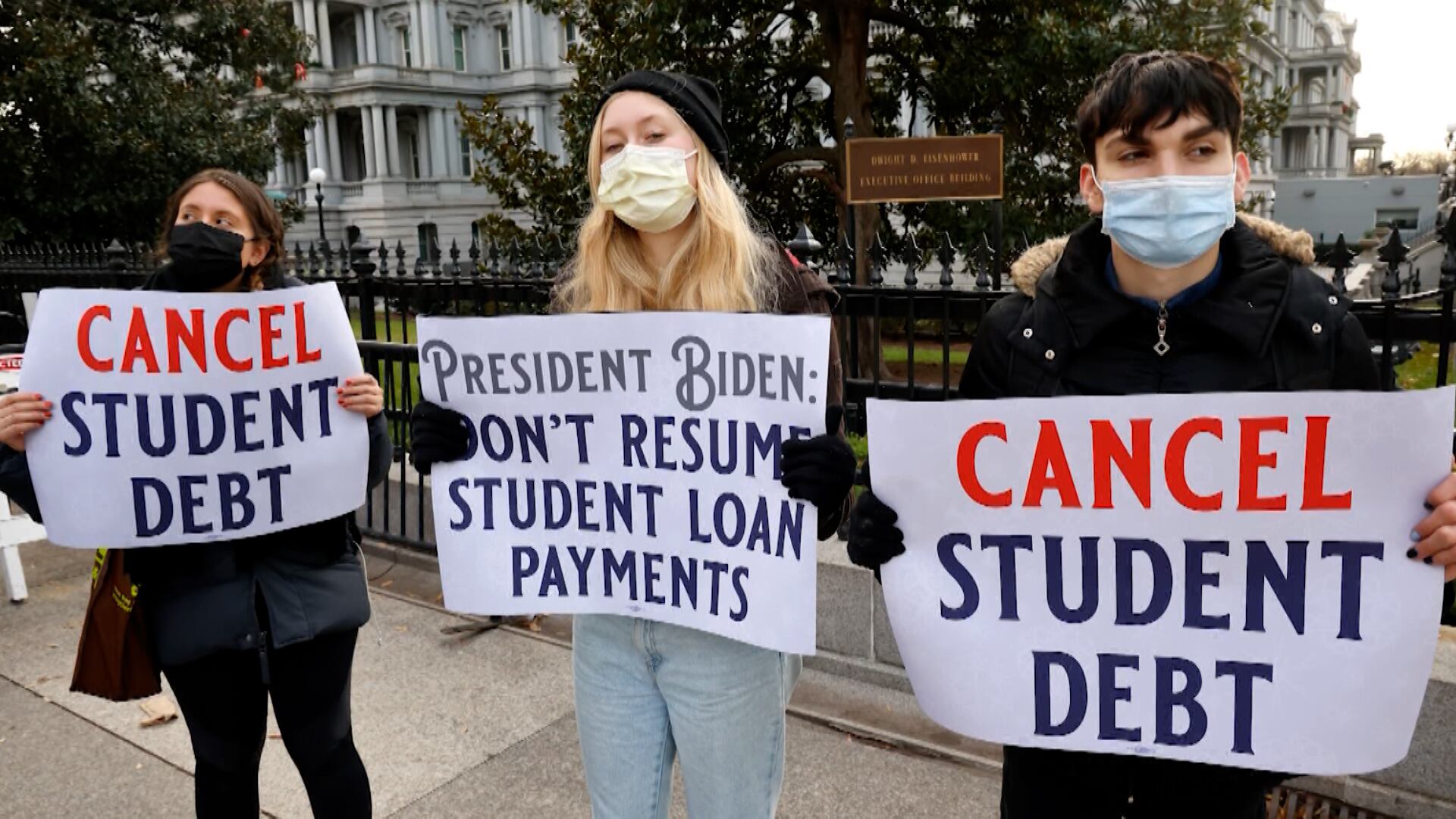
Student loan collection company Navient agreed to cancel $1.7 billion in debt and paid more than $140 million in other penalties to settle a lawsuit over abusive lending practices. Josh Shapiro, the attorney general of Pennsylvania who led negotiations in the settlement, joined Cheddar to go over the details of the company's predatory lending. "What Navient would do is charge [borrowers] these exorbitantly high rates, even though they knew people couldn't pay them or they would likely default on them," he explained.
An economic development agency, the Northwest Arkansas Council, is looking to draw technology professionals to their region of the Southern state with incentives like $10,000 worth of Bitcoin and a new bicycle. Nelson Peacock, president and CEO of the private nonprofit made up of companies like Walmart and Tyson Foods, joined Cheddar to talk about the program to further power his local economy. "By offering the payment in Bitcoin, we're looking to identify those people with interest and expertise in the underlying technologies, the blockchain technologies," he said.
Stocks closed mixed Friday with big bank stocks dragging on the Dow after a few lackluster earnings reports. Both the Nasdaq and the S&P 500 gained, but overall, stocks notched a second losing week in a row to start 2022. Tom Kozlik, Head of Research and Analytics at Hilltop Securities, joins Cheddar News' Closing Bell to discuss today's close, expectations for 2022 earnings reports, whether or not the COVID-19 omicron variant is being properly priced into markets, and more.
After months of investors turning to crypto as a hedge against inflation, instead of the traditional hedge of gold, one crypto exchange is working with a token creator to launch a digital coin backed by a physical asset. GCOIN gives customers a digital title of ownership to 99.99% pure physical gold which is stored in a secured vault. Brent de Jong, GCoin's founder and Kristin Boggiano, Co-Founder and President of CrossTower, a cryptocurrency exchange, join Cheddar News' Closing Bell to discuss the GCOIN rollout, customer interest, why crypto is used as an inflation hedge, and more.
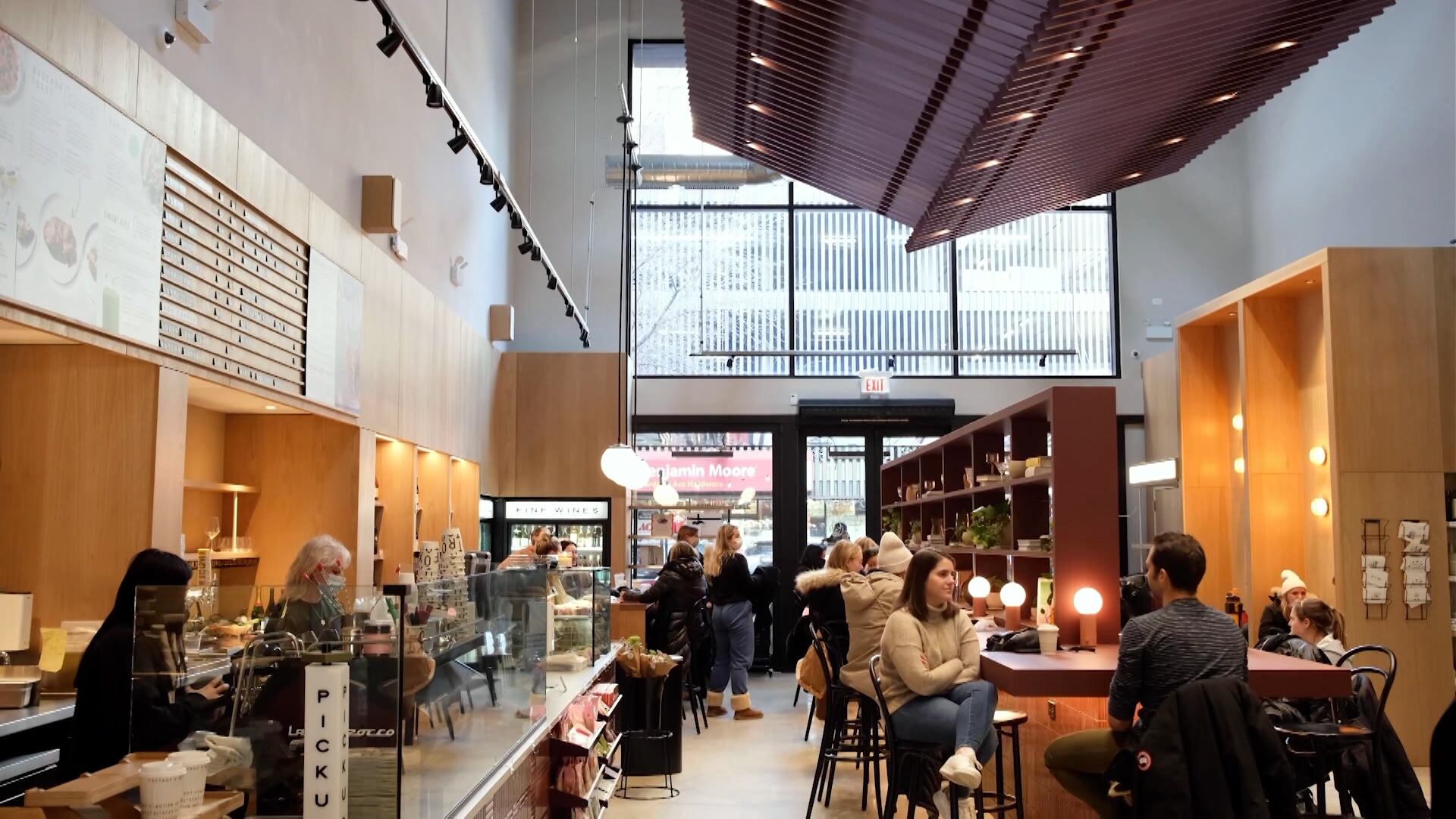
Retail platform operator and delivery company, Foxtrot,
raised $100 million in a Series C round led by D1 Capital Partners. Foxtrot bills itself as the modern convenience store that combines what it calls in-store curated discovery with 30-minute delivery and 5-minute pickup. Since launching first as a digital-only delivery service, the company has since grown into a popular local retailer, opening 16 brick and mortar locations across Chicago, Dallas, and Washington, DC. Foxtrot co-founder and CEO Michael LaVitola joined Cheddar News' Closing Bell to discuss.